Deviled Eggs: Silky Yolks, Tangy Finish
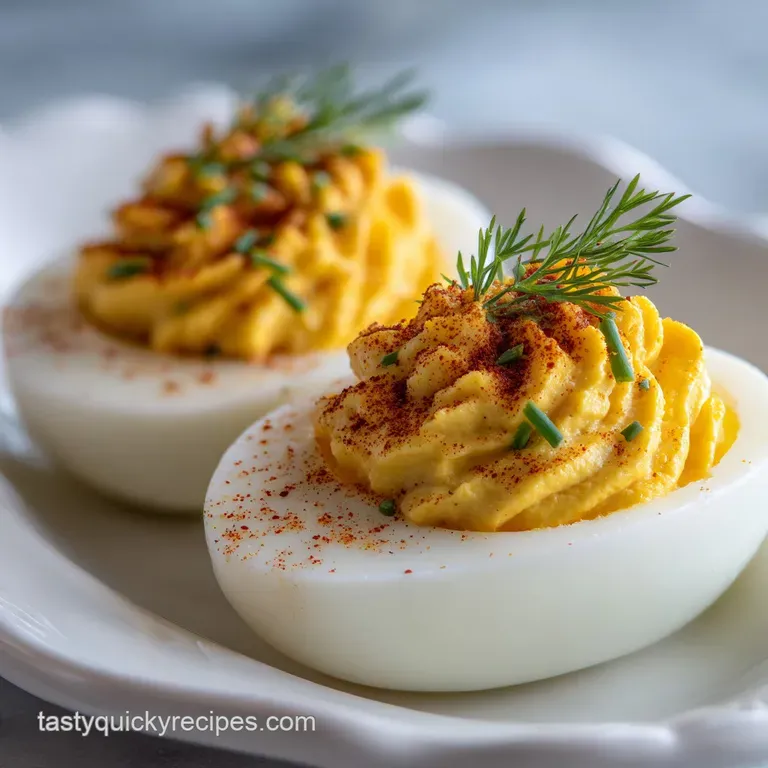
- Time: Active 20 mins, Passive 12 mins, Total 32 mins
- Flavor/Texture Hook: Velvety yolks with a smoky, tangy finish
- Perfect for: Holiday hosting or last minute potlucks
- Easy Deviled Eggs for Fast Hosting
- Why This Recipe Works
- Essential Deviled Eggs Success Specs
- Simple Ingredients and Smart Swaps
- Minimum Tools for Fast Prep
- Foolproof Step-by-Step Assembly Guide
- Fixing Common Egg Prep Mistakes
- Tasty Variations and Flavor Twists
- Scaling and Making a Crowd Size Batch
- Storage and Zero Waste Tips
- Perfect Pairings and Serving Ideas
- Debunking Common Kitchen Myths
- Recipe FAQs
- 📝 Recipe Card
Easy Deviled Eggs for Fast Hosting
There is nothing quite like the satisfying "clack" of an eggshell hitting the counter when it actually peels off in one clean piece. For years, I was the person at the party bringing the "ugly" eggs, the ones where the whites looked like they had been through a battle.
I was juggling a busy family schedule and trying to rush the process, which usually meant I ended up with craters in my egg whites and a green ring around the yolk that looked less than appetizing.
But honestly, deviled eggs shouldn't be a source of stress. We want that velvety, rich filling and a white that has a clean snap when you bite into it. I finally stopped guessing and started looking at what actually makes the shell release and the filling stay stable.
It turns out, it's not about luck or adding oil to the water, it's about the thermal shock and the pH of the egg itself.
This easy deviled eggs recipe is my go to because it relies on minimal tools and a foolproof timeline. Whether you're making these for a summer BBQ or as holiday deviled eggs, the method remains the same. We are going for high impact flavor with very little "hands on" frustration.
Once you master the 12 minute boil and the ice bath, you'll never go back to those store-bought pre peeled versions that taste like plastic.
Why This Recipe Works
The Science of Why it Works: Rapid heating denatures egg proteins quickly so they don't bond to the shell membrane. A subsequent ice bath prevents the iron sulfur reaction that creates a sulfurous smell and green discoloration.
- Thermal Shock: Dropping eggs into boiling water (rather than starting in cold water) causes the egg white to shrink away from the shell immediately.
- pH Manipulation: As eggs age, their pH rises, which naturally weakens the bond between the membrane and the shell.
- Emulsification: Using high fat mayonnaise creates a stable suspension of oil and water, giving the yolks a silky, spreadable consistency.
- Acid Balance: The vinegar or pickle juice breaks down the heavy fats on the palate, making the flavor profile feel lighter and more vibrant.
Before we get into the nitty gritty of the components, you need to decide what kind of texture you're after. While 12 minutes is my "golden rule" for a firm, mashable yolk, you might prefer something slightly softer if you're planning on a different presentation.
| Boil Time | Internal Texture | Filling Consistency | Visual Cue |
|---|---|---|---|
| 10 mins | Creamy/Soft | Thick Sauce | Bright yellow center |
| 12 mins | Firm/Fully Set | Pipeable Mousse | Pale, crumbly yolk |
| 14 mins | Very Dry | Dense/Grainy | Chalky appearance |
Setting a timer is the single most important thing you can do here. Even 60 seconds of overcooking can lead to a rubbery white that loses that delicate, tender bite we want in classic deviled eggs.
Essential Deviled Eggs Success Specs
When we look at what makes the best deviled egg recipes stand out, it comes down to the quality of the fats and the precision of the prep. You don't need fancy equipment, but you do need to understand the role each component plays in the final structure.
| Ingredient | Science Role | Pro Secret |
|---|---|---|
| Large Eggs | Protein Structure | Use eggs that are 7-10 days old for easier peeling. |
| Mayonnaise | Fat Emulsifier | Always use full fat for a velvety mouthfeel that holds its shape. |
| Dijon Mustard | Pungency & Binding | The seeds contain mucilage which acts as a secondary stabilizer for the filling. |
It is a common mistake to use the freshest eggs possible. While great for poaching, fresh eggs have a lower pH which makes the membrane stick to the shell like glue. For this deviled eggs recipe, the "older" eggs in your fridge are actually your best friend.
Simple Ingredients and Smart Swaps
To make these deviled eggs, we are sticking to the classics but focusing on high-quality versions of each. If you've run out of something, don't panic. There are plenty of ways to pivot without losing that signature tang.
- 6 large Eggs: The foundation. Why this? Provides the perfect ratio of white to yolk for a balanced bite.
- 3 tbsp (45g) high-quality Mayonnaise: The binder. Why this? Adds the necessary lipids for a smooth, non grainy texture.
- 1 tsp (5g) Dijon Mustard: The kick. Why this? Provides more depth and "bite" than standard yellow mustard.
- 1 tsp (5ml) Apple Cider Vinegar or Dill Pickle Juice: The acid. Why this? Cuts through the richness and helps preserve the bright color.
- 1/8 tsp Fine Sea Salt: The enhancer.
- 1/8 tsp Freshly Cracked Black Pepper: The heat.
- 1/2 tsp Smoked Paprika: The finish. Why this? Smoked versions add more complexity than the standard sweet variety.
- Fresh Chives, finely snipped: The aromatic.
If you are looking for a more intense flavor profile, you might want to try a version similar to the marinade used in a Shoyu Eggs Recipe. While those are typically served whole, the salty umami infusion can be a great inspiration for creative deviled eggs ingredients.
| Original Ingredient | Substitute | Why It Works |
|---|---|---|
| Dijon Mustard | Spicy Brown Mustard | Similar acidity but adds a rustic, coarser texture. |
| Apple Cider Vinegar | Lemon Juice | Provides a fresh, citrusy lift. Note: Filling may soften faster. |
| Mayonnaise | Greek Yogurt (Full fat) | Tarter flavor with more protein. Note: Filling will be less stable. |
A quick tip for the mayo: stay away from the "light" or "low-fat" versions. They often contain extra thickeners and sugars that can make your filling feel gummy rather than silky.
Minimum Tools for Fast Prep
As someone always juggling a million things, I hate cleaning extra dishes. You don't need a fancy egg cooker or a high end food processor. I keep it simple.
- Medium Pot: Large enough to hold the eggs in a single layer.
- Large Bowl: Filled with ice and water (this is non negotiable).
- Fine Mesh Sieve: This is my "secret" tool for the smoothest filling ever.
- Plastic Zip top Bag: A cheap, fast alternative to a piping bag.
- Sharp Knife: To get those clean, non jagged cuts.
Chef's Tip: If you don't have a piping bag, just snip the corner off a heavy duty freezer bag. It gives you way more control than trying to use two spoons, and it's much faster when you're making party deviled eggs for a crowd.
Foolproof step-by-step Assembly Guide
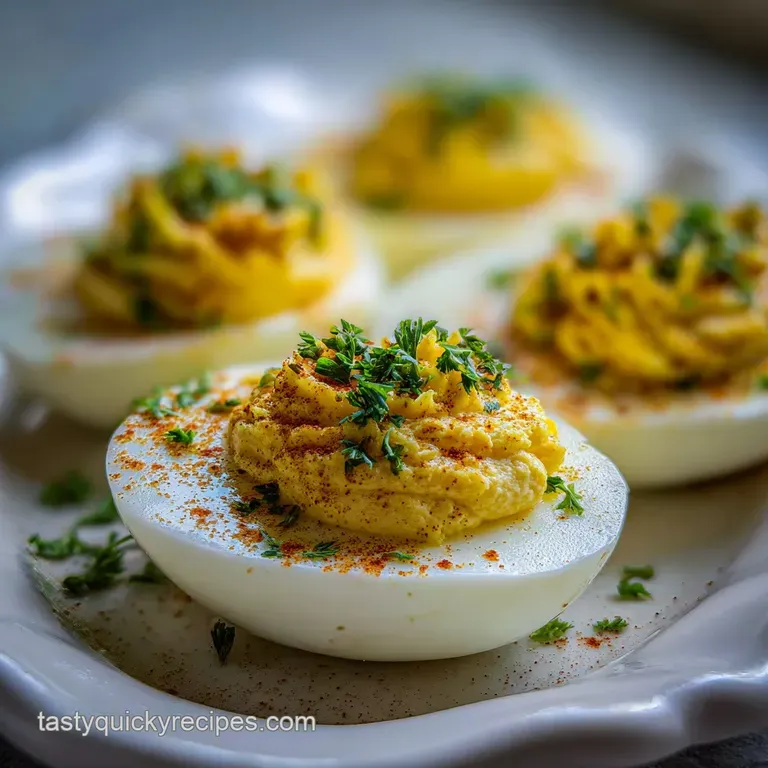
1. The Precision Boil
Fill a pot with enough water to cover the eggs by at least 2.5 cm (1 inch). Bring it to a rolling boil. Carefully lower 6 large eggs into the water using a slotted spoon to prevent cracking. Note: Starting with boiling water is the key to easy peeling.
2. The Ice Bath Shock
Set a timer for exactly 12 minutes. While the eggs cook, prepare a large bowl with ice and cold water. Once the timer beeps, move the eggs immediately into the ice bath. Cook 12 mins until the yolks are fully set and yolks are crumbly.
3. The Clean Peel and Prep
Let the eggs sit in the ice bath for at least 10 minutes. Crack the shells gently all over, then peel under the water or a slow running tap. Note: The water helps lubricate the space between the membrane and the egg white.
4. The Sieve and Mix
Slice each egg in half lengthwise. Pop the yolks into a fine mesh sieve over a bowl. Use the back of a spoon to push the yolks through. Process until you have a fine, fluffy "yolk snow" with no lumps.
5. The Final Assembly
Add 3 tbsp mayonnaise, 1 tsp Dijon, 1 tsp vinegar, salt, and pepper to the yolks. Mix with a spatula until the mixture is velvety and uniform. Fold in your deviled eggs ingredients until no streaks remain.
6. The Piping Process
Transfer the mixture to a piping bag or a snipped zip top bag. Pipe the filling generously into the center of each egg white. Pipe until the filling sits about 1 cm above the rim of the white.
7. The Signature Finish
Dust with 1/2 tsp smoked paprika. The best way to do this is to hold the shaker high above the eggs for an even, light coating. Finish with a sprinkle of snipped chives.
Fixing Common Egg Prep Mistakes
Why Your Eggs Have a Green Ring
This is the most common complaint with classic deviled eggs. That greyish green layer is caused by a chemical reaction between the sulfur in the white and the iron in the yolk. It happens when eggs are boiled too long or at too high a temperature without being cooled quickly enough.
| Problem | Root Cause | Solution |
|---|---|---|
| Rubbery Whites | Overcooking | Stick to the 12 minute rule and use an ice bath immediately. |
| Runny Filling | Too much liquid/warm mayo | Chill the filling for 15 mins before piping to firm up the fats. |
| Shells Sticking | Eggs too fresh/Cold start | Use eggs that are a week old and drop them into boiling water. |
Common Mistakes Checklist
- ✓ Always use a timer; "eyeballing" it leads to rubbery results.
- ✓ Never skip the ice bath - it stops the cooking and makes peeling possible.
- ✓ Wipe your knife clean between every single cut for pristine egg halves.
- ✓ Avoid mashing with a fork if you want a professional, airy texture; use a sieve.
- ✓ Don't fill the eggs more than 2 hours before serving to prevent the filling from crusting.
Tasty Variations and Flavor Twists
Once you have the base down, you can start getting creative. If you're looking for deviled eggs with bacon, simply fold in 2 tablespoons of very finely minced, crispy bacon into the yolk mixture. The saltiness from the pork pairs beautifully with the creamy filling.
For spicy deviled eggs, I like to add a teaspoon of sriracha or a finely chopped pickled jalapeño to the mix. The heat wakes up the palate and makes these a standout at any party. If you want a Mediterranean twist, swap the Dijon for some lemon zest and top the eggs with a single caper.
This adds a briny pop that is incredibly refreshing.
| If you want... | Do this... |
|---|---|
| Extra Crunch | Top with toasted panko or crumbled bacon bits. |
| More Umami | Add a dash of Worcestershire sauce or white miso. |
| Bright Color | Garnish with radish sprouts or microgreens. |
Scaling and Making a Crowd Size Batch
When you are doubling or tripling this for a big event, don't just multiply everything by two. If you're doing 24 eggs (48 halves), use 1.5 times the salt and spices first, then taste. You can always add more, but it's hard to go back.
Also, work in batches for the boiling process so the water temperature doesn't drop too much when you add the eggs.
For small batches (just 2 or 3 eggs), you can actually use a smaller saucepan and reduce the cooling time in the ice bath to about 5 minutes. The smaller mass means they lose heat much faster.
Storage and Zero Waste Tips
Deviled eggs are best eaten the day they are made, but they will stay fresh in the fridge for up to 2 days if stored in an airtight container. If you have leftover filling but no whites left, it makes an incredible spread for a sandwich or a topping for a salad.
To avoid waste, save the eggshells! If you have a garden, crushed eggshells are a fantastic source of calcium for your soil. You can also save any "mangled" egg whites that didn't make the cut for the platter, chop them up, and toss them into a quick breakfast scramble the next morning.
Perfect Pairings and Serving Ideas
These eggs are a fantastic starter, but they really shine when paired with other finger foods. I love serving them alongside a tray of salty meats and cheeses. They provide a creamy contrast to the sharpness of aged cheddar or the salt of prosciutto.
For a full spread, they pair perfectly with my Broccoli Casserole recipe, which offers a warm, comforting balance to the cold, tangy eggs. If you're hosting a brunch, serving these next to some smoked salmon and toasted bagels is always a winning move.
Debunking Common Kitchen Myths
One big myth is that adding vinegar to the boiling water makes eggs easier to peel. Science shows it doesn't actually affect the peelability; it only helps the whites congeal faster if an egg happens to crack while cooking.
Another myth is that you should always start eggs in cold water. Starting in cold water actually allows the membrane more time to fuse to the shell as the temperature rises slowly. The "boiling start" method is much more reliable for a clean peel every time.
Trust me on this the thermal shock is your best friend in the kitchen!

Recipe FAQs
What are the basic ingredients for deviled eggs?
Typically: large eggs, mayonnaise, Dijon mustard, vinegar or pickle juice, salt, and pepper. Smoked paprika is often used for garnish, and chives add freshness. The mayo acts as the binder, the mustard and vinegar provide tang, and the spices enhance flavor.
What are the five golden rules for making perfect deviled eggs?
1. Use older eggs (7-10 days) for easier peeling. 2. Start eggs in boiling water for thermal shock. 3. Boil for exactly 12 minutes for firm yolks. 4. Immediately plunge into an ice bath for 10+ minutes. 5.
Push yolks through a fine mesh sieve for a silky texture. These steps ensure easy peeling, prevent green yolks, and create a smooth, stable filling.
What is the "forgotten ingredient" some people add to deviled eggs for extra flavor?
Smoked paprika is often the impactful finishing touch. While not strictly "forgotten," its role in adding complexity and a beautiful color shouldn't be overlooked. It offers a smoky depth that standard sweet paprika lacks.
How long should you boil eggs specifically for making deviled eggs?
Boil large eggs for exactly 12 minutes once the water is at a rolling boil. This precise timing ensures the yolks are fully set and slightly crumbly, which is ideal for mashing and creating a stable filling without becoming dry or rubbery.
Is it true that adding vinegar to the boiling water helps eggs peel easier?
No, this is a common misconception. Vinegar added to boiling water helps egg whites congeal faster if an egg cracks during cooking, but it doesn't significantly improve the ease of peeling. The key to easy peeling is starting eggs in boiling water and using older eggs.
Why do my deviled eggs sometimes have a rubbery white or a green ring around the yolk?
Rubbery whites result from overcooking, and green rings from overcooking combined with slow cooling. Boiling for too long or not rapidly cooling eggs in an ice bath causes a chemical reaction between sulfur and iron, creating the green discoloration.
Stick to the 12-minute boil and an immediate ice bath.
What’s the best way to achieve a silky smooth deviled egg filling?
Push the hard boiled yolks through a fine mesh sieve using the back of a spoon. This breaks down any lumps and creates a fine, fluffy "yolk snow" that blends beautifully with the mayonnaise and other ingredients for a truly velvety texture.
Perfect Deviled Eggs
Ingredients:
Instructions:
Nutrition Facts:
| Calories | 62 kcal |
|---|---|
| Protein | 3.2 g |
| Fat | 5.2 g |
| Carbs | 0.4 g |
| Fiber | 0 g |
| Sugar | 0.1 g |
| Sodium | 95 mg |
