Penne and Pasta: Creamy Chicken Delight
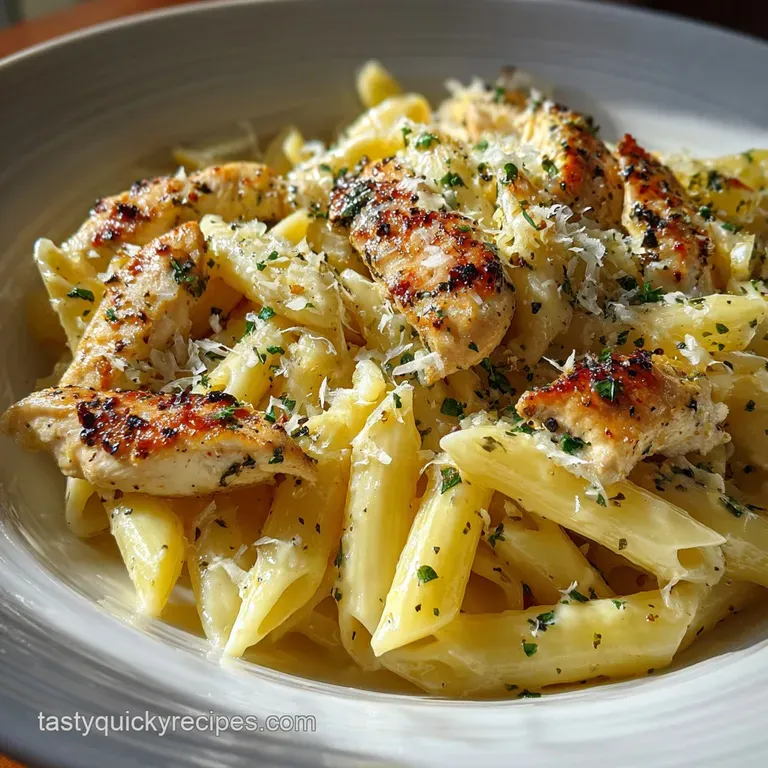
- Time: Active 10 minutes, Passive 20 minutes, Total 30 minutes
- Flavor/Texture Hook: Savory seared chicken meets a velvety parmesan cream coating.
- Perfect for: Weeknight family dinners and high protein meal prep.
- Achieving Comfort with Penne and Pasta
- Science of the Creamy Emulsion
- Essential Specs for Perfect Results
- Selecting Quality Penne and Pasta
- Kitchen Tools for Busy Cooks
- Executing the Perfect Pasta Dish
- Troubleshooting Your Sauce Consistency
- Swaps for Dietary Flexibility
- Storage and Zero Waste Habits
- Serving Styles for Family Tables
- Critical High in Sodium
- Penne and Pasta FAQs
- 📝 Recipe Card
Achieving Comfort with Penne and Pasta
The kitchen was absolute chaos last Tuesday. I had twenty minutes before the kids' soccer practice, a sink full of dishes, and a pound of chicken that needed a purpose. That is when I heard it the loud, sharp sizzle of chicken strips hitting hot olive oil.
The aroma of minced garlic followed immediately, filling the air with that familiar, comforting scent that says "dinner is coming." I didn't have time for a complicated five course meal, but I knew that if I could get the cream and parmesan to emulsify correctly, the result would be better than any takeout.
We've all been there, staring at a box of dry noodles and wondering how to make them feel special without spending hours at the stove. This penne and pasta dish is my reliable answer to those frantic nights. It is about the way the sauce hides inside the hollow tubes, waiting for you to take a bite.
There is something deeply satisfying about the "clink" of the tongs against the pan as you toss everything together, watching the liquid gold sauce coat every single ridge. It’s not just a meal; it is a sanity saver that actually tastes like it belongs in a bistro.
I have made every mistake in the book with this one. I have curdled the cream, overcooked the chicken until it felt like rubber, and forgotten to salt the pasta water. But through those fails, I found the shortcuts that actually preserve the quality.
We are talking about minimal tools just one large pot and one deep skillet to keep the cleanup fast and the flavors bold. Trust me, once you see how the heavy cream and parmesan melt into a cohesive coating, you will never look at a jar of store-bought Alfredo again.
Science of the Creamy Emulsion
The Physics of the Cling: The "rigate" or ridges on the penne create mechanical friction that traps the fat heavy sauce, while the hollow centers act as reservoirs for the cream.
Starch Integration: Small amounts of pasta water contain amylose starch, which acts as a bridge between the water based cream and the oil based fats, preventing the sauce from breaking.
Protein Denaturation: Searing the chicken at high heat creates a Maillard reaction, developing complex sugars and savory notes that infuse the oil before the sauce even begins.
Cook Method Comparison
| Method | Time | Texture | Best For |
|---|---|---|---|
| One Pan Stovetop | 30 minutes | Velvety and silky | Maximum sauce to pasta cling and speed |
| Oven Baked Finish | 45 minutes | Crispy cheese crust | Feeding a crowd or making ahead |
| Slow Cooker | 4 hours | Shredded and tender | Hands off prep for very busy days |
Choosing the stovetop method ensures the sauce stays fluid and the chicken remains juicy. While the oven provides a nice crunch, the stovetop version is the champion of the "velvety" mouthfeel we’re chasing today.
Essential Specs for Perfect Results
| Ingredient | Science Role | Pro Secret |
|---|---|---|
| Heavy Cream | High fat content (36%+) prevents curdling when heated. | Bring to room temperature before adding to prevent thermal shock. |
| Parmesan Cheese | Provides salt and acts as a thickening agent. | Always grate from a block to avoid anti clumping starches in pre shredded bags. |
| Penne Rigate | The shape provides structural integrity for heavy sauces. | Undercook by 2 minutes; it finishes absorbing liquid in the sauce pan. |
| Sea Salt | Seasoning the water seasons the pasta from the inside out. | Use 2 tbsp for 4 quarts of water it should taste like the sea. |
Using the right fat to starch ratio is what separates a greasy plate from a restaurant quality experience. If you swap the heavy cream for milk, the sauce will lack the stability needed to coat the penne effectively.
Selecting Quality Penne and Pasta
To get started, gather these specific ingredients. Accuracy matters here, especially with the fat content of your dairy.
- 1 lb (454g) Penne Rigate: Why this? The ridges (rigate) are essential for holding the heavy cream sauce.
- 1.5 lbs (680g) Chicken breast: Why this? Lean protein that sears quickly without releasing too much fat.
- 1.5 cups (355ml) Heavy cream: Why this? Provides the velvety base that won't break under high heat.
- 1 cup (90g) Freshly grated Parmesan: Why this? Melts into the sauce for a salty, nutty finish.
- 4 cloves Garlic, minced: Why this? The aromatic foundation of the entire flavor profile.
- 2 tbsp (30ml) Extra virgin olive oil: Why this? High smoke point enough for searing chicken breast strips.
- 1 tsp (2g) Dried oregano: Why this? Adds an earthy, Mediterranean backbone to the cream.
- 1/2 tsp (1g) Red pepper flakes: Why this? Just enough heat to cut through the richness of the dairy.
You will also need salt, black pepper, and fresh parsley for that final pop of color and freshness. Don't skimp on the pasta water it is the liquid gold that ties the whole dish together.
Kitchen Tools for Busy Cooks
I’m a big fan of the "minimal tools" approach because nobody wants to spend an hour scrubbing pots after a long day. You really only need two main pieces of equipment: a large pasta pot and a wide, deep skillet (at least 12 inches).
The skillet needs to be deep enough to hold the chicken, the sauce, and eventually the entire pound of pasta.
A microplane or a fine grater is your best friend here. Pre shredded cheese is coated in potato starch to keep it from sticking in the bag, but that starch makes your sauce grainy. Grating your own Parmesan takes sixty seconds but changes the entire texture of the meal.
Also, a pair of sturdy tongs is much better than a spoon for tossing the penne it allows you to lift and coat the noodles without breaking them.
Executing the Perfect Pasta Dish
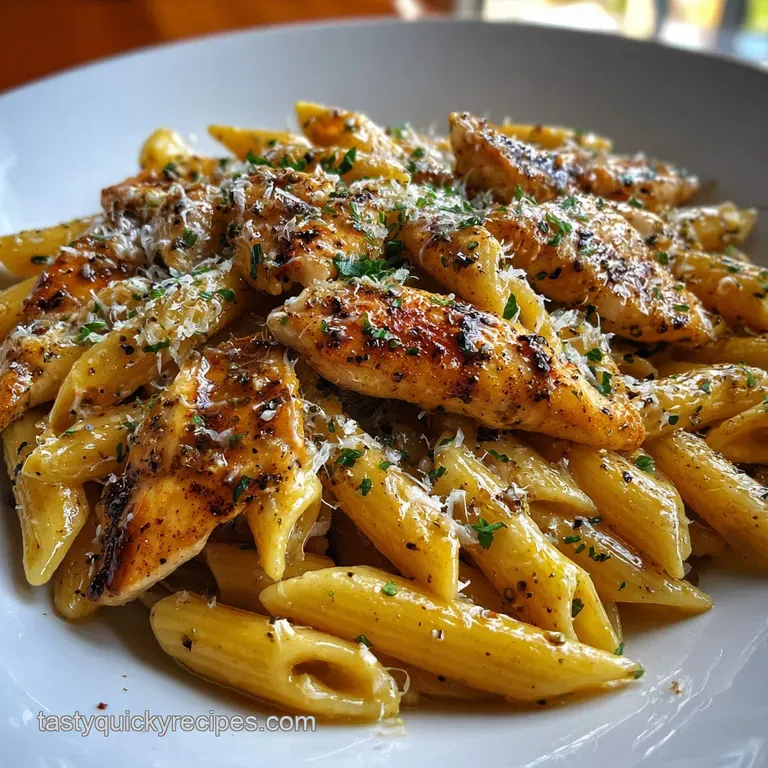
- Boil the water. Fill your pot with 4 quarts of water and add 2 tbsp of sea salt. Note: Salting the water is the only chance to season the pasta itself.
- Cook the penne. Drop the 1 lb of pasta into the boiling water and cook for 8-9 minutes. Cook until slightly firm (al dente).
- Sear the chicken. While the water boils, heat 2 tbsp olive oil in the skillet over medium high heat. Add the 1.5 lbs of chicken strips. Cook until golden brown on all sides.
- Sauté the aromatics. Lower the heat to medium. Add the 4 cloves of minced garlic and 1/2 tsp red pepper flakes. Note: Don't let the garlic turn brown, or it will taste bitter.
- Build the base. Pour in 1.5 cups of heavy cream and add 1 tsp dried oregano. Bring to a gentle simmer. Cook for 3-4 minutes until slightly thickened.
- Emulsify the cheese. Slowly whisk in the 1 cup of grated Parmesan. Stir constantly until the sauce is smooth and velvety.
- Reserve the water. Before draining the pasta, scoop out about 1/2 cup of the starchy cooking water. This is crucial for the final texture.
- The Marriage. Toss the drained penne into the skillet with the chicken and sauce. Add a splash of the reserved pasta water.
- The final toss. Use your tongs to coat every noodle. Cook for 1-2 minutes until the sauce clings to the pasta.
- Garnish. Sprinkle with fresh parsley and extra black pepper. Serve immediately while the sauce is at its peak silkiness.
This process is very similar to how I approach my Marry Me Chicken recipe, where the sauce development is the star of the show.
Troubleshooting Your Sauce Consistency
Sauce is Too Thin
If your sauce looks more like soup than a coating, it usually means the cream didn't reduce enough before the cheese was added. The fat needs time to thicken as the water evaporates. You can fix this by simmering for another two minutes or adding an extra handful of parmesan, which acts as a binder.
Sauce is Grainy
This almost always happens because of pre shredded cheese or adding the cheese to boiling liquid. High heat causes the proteins in the cheese to clump together instead of melting. To fix it, remove the pan from the heat and add a tiny splash of hot pasta water, whisking vigorously to try and smooth it out.
| Problem | Root Cause | Solution |
|---|---|---|
| Dry Pasta | Pasta absorbed all the sauce | Add 1/4 cup reserved pasta water and toss again. |
| Bland Flavor | Not enough salt in the water | Add a pinch of finishing salt or extra Parmesan. |
| Rubbery Chicken | Overcooked during the searing phase | Reduce searing time; chicken finishes cooking in the sauce. |
Common Mistakes Checklist
- ✓ Never rinse your pasta; the starch on the surface helps the sauce stick.
- ✓ Don't use "light" cream; the lower fat content will likely cause the sauce to break or curdle.
- ✓ Always reserve pasta water before draining it’s your insurance policy for a dry sauce.
- ✓ Preheat your skillet for at least 2 minutes so the chicken sears rather than steams.
- ✓ Grate your cheese fresh; pre shredded bags are the enemy of silky sauces.
Swaps for Dietary Flexibility
| Original Ingredient | Substitute | Why It Works |
|---|---|---|
| Heavy Cream | Coconut Milk (full fat) | High fat content maintains creaminess. Note: Adds a slight tropical flavor. |
| Chicken Breast | Italian Sausage | Adds more fat and spice. Note: Increases total calories and salt. |
| Penne Rigate | Zucchini Noodles | Low carb alternative. Note: Does not absorb sauce; will be more watery. |
If you are looking for something lighter for a summer picnic, you might prefer my Pasta Salad Recipe, which uses a vinaigrette instead of heavy dairy.
Storage and Zero Waste Habits
This penne and pasta dish stays good in the fridge for up to 3 days. However, cream sauces are notorious for thickening up significantly when cold. When you reheat it, don't just microwave it on high. Add a tablespoon of water or milk to the bowl first to help loosen the sauce back into its velvety state.
For zero waste, don't toss the ends of your Parmesan wedges! Throw those hard rinds into your next batch of soup or even into the pasta water while it boils. They release incredible umami flavor. If you have leftover chicken, you can dice it up small and use it for a quick chicken salad the next day.
Chef's Note: If you're freezing this, do it without the pasta. Freeze just the sauce and chicken, then boil fresh noodles when you're ready to eat. Frozen cooked pasta often becomes mushy when thawed.
Serving Styles for Family Tables
When it comes to serving, I love placing the entire skillet right in the middle of the table. It keeps the food warm and invites everyone to dig in. A side of garlic bread is almost mandatory to mop up the extra sauce at the bottom of the bowl. If you want a more vibrant look, try adding a few spoons of pesto on top, similar to my Recipe with Pesto, which adds a garlicky herb punch to the rich cream.
Decision Shortcut
- If you want it spicier: Double the red pepper flakes and add a dash of cayenne.
- If you want it lighter: Swap half the heavy cream for chicken broth and add a squeeze of lemon.
- If you want it crunchier: Top with toasted panko breadcrumbs right before serving.
Debunking Kitchen Myths
One big myth is that adding oil to your pasta water prevents sticking. In reality, it just makes the pasta slippery, which prevents this beautiful sauce from clinging to the penne. Another myth is that you need to sear chicken until it is completely cooked through.
You actually want to take it off the heat when it’s about 90% done; the residual heat of the simmering cream will finish it perfectly without drying it out.
This meal is the ultimate juggling act for a busy cook fast, flavorful, and guaranteed to clear the table. Right then, let's crack on and get that water boiling!
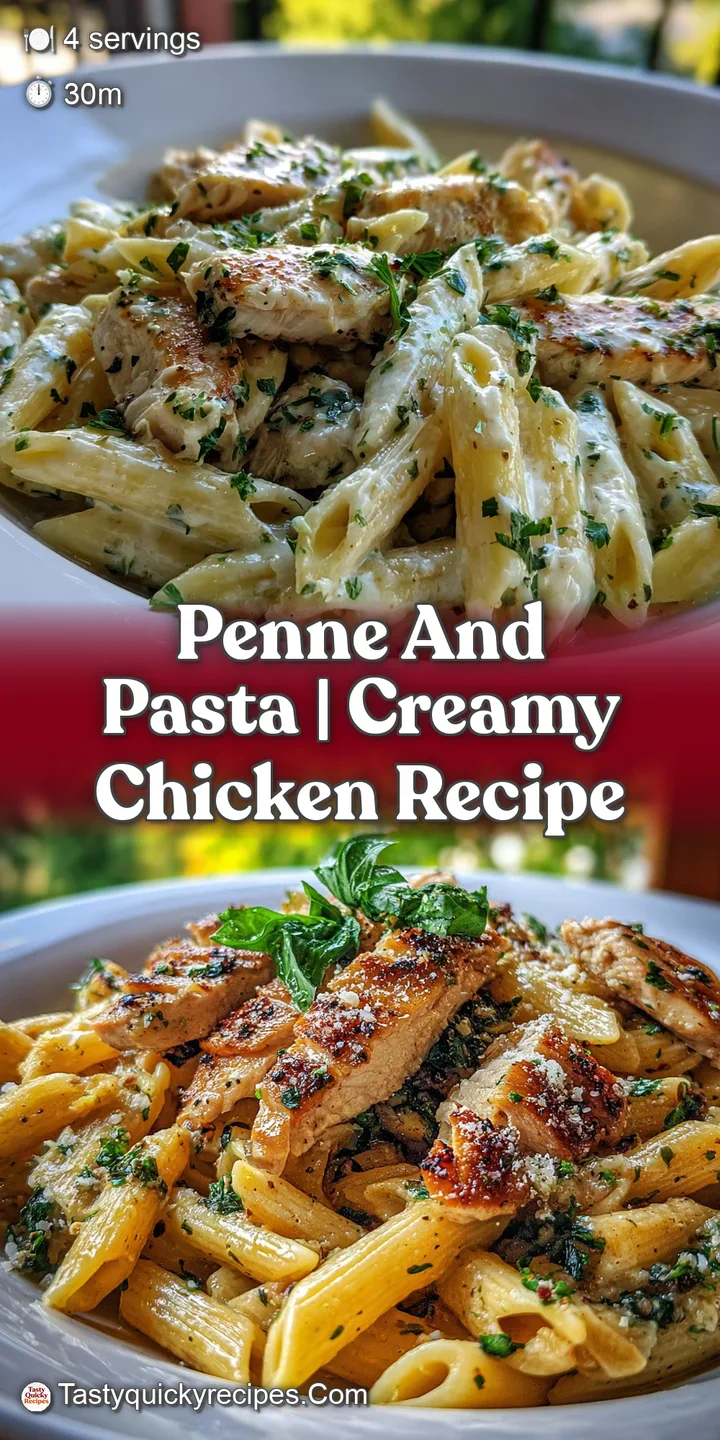
Critical High in Sodium
1140 mg mg of sodium per serving (50% of daily value)
The American Heart Association recommends limiting sodium intake to about 2,300mg per day for overall cardiovascular health.
Sodium Reduction Tips for Your Chicken Penne
-
Reduce Parmesan-15%
Parmesan cheese is a significant source of sodium. Reduce the amount of Parmesan by half, from 1 cup to 1/2 cup, or substitute with a lower sodium cheese like part skim mozzarella to cut down approximately 15% sodium.
-
Salt Reduction-25%
You're adding a lot of salt directly to the pasta water. Reduce the amount of sea salt used for cooking the pasta by half, from 2 tbsp to 1 tbsp. This can significantly reduce the sodium content by approximately 25%, while still ensuring the pasta is cooked properly.
-
No Salt Added-5%
Skip adding salt to taste at the end. Taste the dish before adding any extra salt. Often, the salt from the Parmesan and reduced salt in the water is sufficient. This small change reduces the total sodium by approximately 5%.
-
Flavor Boost
Enhance the flavor profile with sodium free herbs and spices. Increase the oregano and red pepper flakes, or add other complementary flavors like garlic powder, onion powder, or dried basil for additional complexity without adding sodium.
Penne and Pasta FAQs
Is penne the same as pasta?
No, penne is a type of pasta. Pasta is a broad category of food made from unleavened dough of durum wheat flour, water, and sometimes egg. Penne is one of the many shapes of pasta, characterized by its tube shape with angled ends.
What is penne pasta?
Penne pasta is a short, tube shaped pasta with angled ends. The name "penne" comes from the Italian word for quill or pen, referring to the shape resembling the tip of a fountain pen. It is often sold as "penne rigate," which means it has ridges to help sauce cling better.
What is penne traditionally served with?
Penne is traditionally served with hearty sauces. Its tubular shape and ridges are excellent for trapping sauces like marinara, arrabbiata, pesto, or creamy sauces. It also holds up well in baked pasta dishes, similar to how it might be used in a San Giorgio Lasagna Recipe: Classic Beef, Ricotta Sunday Roast Flavor.
Is ziti pasta the same as penne?
No, ziti and penne are similar but distinct pasta shapes. Both are tubular, but ziti typically has straight cut ends, whereas penne has angled ends, resembling the tip of a quill. Ziti is often used in baked dishes, much like penne.
Can I substitute penne for other pasta shapes?
Yes, you can often substitute penne for other medium sized pasta shapes. Shapes like rigatoni, fusilli, or even farfalle can work as substitutes, depending on the sauce. For a similar texture that catches sauce well, rigatoni is a great choice.
How do I cook penne al dente?
Cook penne in generously salted boiling water for the time indicated on the package, tasting for doneness. For al dente, aim for pasta that is tender but still has a slight firmness in the center. Undercooking by about 1-2 minutes is often recommended, as it will finish cooking in the sauce.
What kind of sauce is best for penne rigate?
Penne rigate excels with thick, chunky, or creamy sauces. The ridges are designed to capture and hold onto ingredients, so meat sauces, vegetable based sauces, or rich cream sauces work wonderfully. Think of it as a perfect vehicle for flavorful sauces where texture is key.
Penne And Pasta
Ingredients:
Instructions:
Nutrition Facts:
| Calories | 1132 kcal |
|---|---|
| Protein | 76.4 g |
| Fat | 52.8 g |
| Carbs | 84.2 g |
| Fiber | 3.2 g |
| Sugar | 2.6 g |
| Sodium | 1140 mg |
