Peanut Butter Chicken: Velvety Sauce
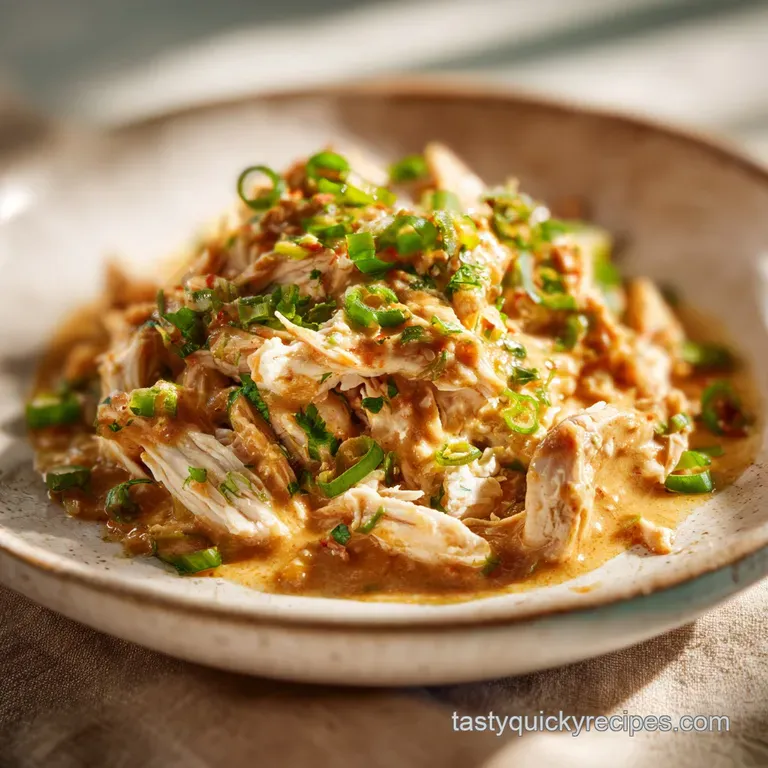
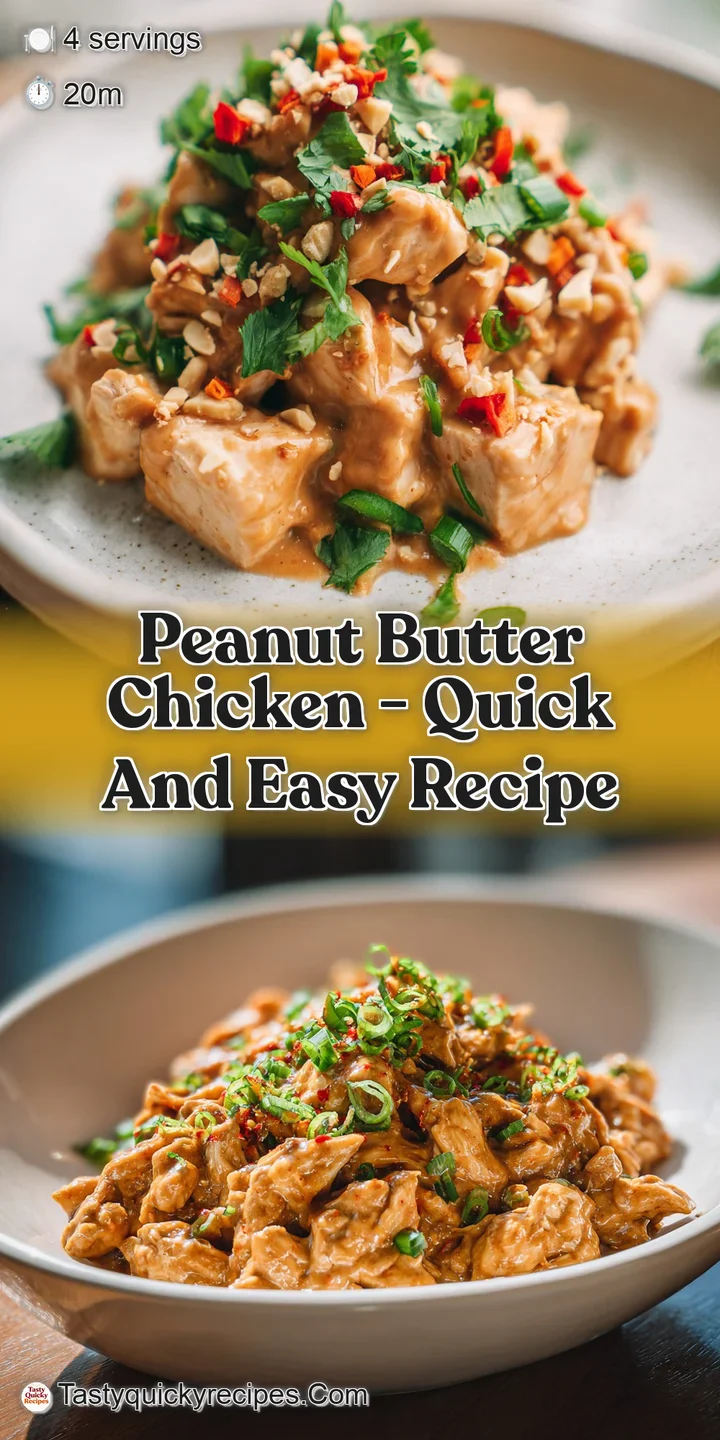
- Time: Active 10 minutes, Passive 10 minutes, Total 20 minutes
- Flavor/Texture Hook: Savory sweet sauce with a velvety finish and crunchy peanut topping
- Perfect for: Juggling a busy weeknight schedule while craving a high protein, comforting dinner
- Creating a Flavorful Peanut Butter Chicken
- Why This Recipe Always Works
- Practical Success Metrics
- Ingredients for the Best Result
- Essential Kitchen Gear
- Cooking Your Meal Tonight
- Fixing Common Sauce Mistakes
- Delicious Recipe Variations
- Adjusting for Different Groups
- Debunking Kitchen Tales
- Storing and Reheating Leftovers
- Best Side Dishes
- High in Sodium
- Recipe FAQs
- 📝 Recipe Card
Creating a Flavorful Peanut Butter Chicken
The first time I attempted a peanut sauce, I was a total mess. I was juggling a toddler in one arm and a spatula in the other, trying to recreate a dish I had once at a street market. I dumped cold peanut butter into a pan of simmering liquid and watched in horror as it seized into a grainy, oily clump.
It was a disaster, but it taught me everything I needed to know about the science of a smooth glaze.
Now, when that nutty aroma of ginger and garlic hits the hot avocado oil in my kitchen, it’s pure therapy. There is a specific sizzle when the chicken hits the pan a sharp, energetic sound that tells you the heat is exactly where it needs to be.
You want that golden crust to form quickly so the inside remains tender. This Peanut Butter Chicken is my go to when the day has been long and I need something that feels like a hug but takes less than 20 minutes to get on the table.
We are not just making a meal here, we are building a family favorite. This recipe uses simple pantry staples to create a depth of flavor that usually takes hours. I’ve refined this process through dozens of Tuesday night scrambles, learning that the secret isn't in expensive ingredients, but in how you handle the ones you already have.
Let's get that pan hot and transform your kitchen into the best restaurant in town.
Why This Recipe Always Works
Protective Starch Barrier: Tossing the chicken in cornstarch creates a thin "velvet" layer that prevents the meat from drying out during the over high heat sear.
Acidic Balance: The rice vinegar cuts through the heavy fats of the peanut butter, preventing the dish from feeling cloying or overly rich on the palate.
Emulsification Stability: Whisking the peanut butter with warm water and soy sauce before adding it to the heat ensures the fats and liquids stay bonded for a glossy finish.
Aromatic Infusion: Grating fresh ginger and mincing garlic directly into the oil releases fat soluble flavor compounds that permeate the entire dish.
| Method | Cook Time | Texture | Best For |
|---|---|---|---|
| Stovetop | 10 minutes | Crispy edges, silky sauce | Fast weeknight dinner |
| Oven | 18 minutes | Evenly tender, thinner sauce | Hands off meal prep |
| Air Fryer | 8 minutes | Maximum crunch, less sauce cling | Small batches/Crispy fans |
Making the choice between methods usually comes down to how much I'm juggling at that moment. While the stovetop is my favorite for that specific sizzle and control, the oven method is a life saver when I need to walk away and finish a load of laundry. Just keep in mind that the stovetop version gives you that gorgeous glaze reduction that truly makes this Peanut Butter Chicken stand out. If you're looking for something similar in technique but with a different flavor profile, you might enjoy my Chicken Madeira recipe.
Practical Success Metrics
| Component | Science Role | Pro Secret |
|---|---|---|
| Cornstarch | Starch Gelatinization | Pat the chicken dry first to ensure the starch sticks rather than becoming a gummy paste. |
| Peanut Butter | Fat & Protein Base | Use "natural" creamy styles (just peanuts and salt) for a cleaner flavor that doesn't burn easily. |
| Honey | Caramelization | The sugars in honey react with the soy sauce at 320°F to create that deep, umami rich dark color. |
| Rice Vinegar | PH Adjustment | The acidity breaks down tough proteins and brightens the nuttiness, making the flavors "pop." |
The chemistry here is all about balance. When we talk about "velveting" in the context of a Peanut Butter Chicken recipe, we are really talking about using starch to shield the protein fibers from the aggressive heat of the pan. This is why the chicken stays so juicy even though we're using lean breasts. It’s a technique I use constantly, and it’s actually quite similar to the foundation of my Peanut Butter Cookies recipe where the ratio of fat to starch determines the final bite.
Ingredients for the Best Result
- 1.5 lbs chicken breasts: Cut into 1 inch cubes. Why this? Even sizes ensure every piece cooks at the exact same rate. (Substitute: Chicken thighs for more moisture).
- 1 tbsp cornstarch: Used for the velveting technique. (Substitute: Arrowroot powder).
- 1/2 tsp sea salt: Enhances all other flavors. (Substitute: Kosher salt).
- 1/4 tsp cracked black pepper: Adds a subtle heat. (Substitute: White pepper for a milder bite).
- 2 tbsp avocado oil: A high smoke point oil for searing. (Substitute: Grapeseed or light olive oil).
- 1/2 cup natural creamy peanut butter: The base of the sauce. Why this? Natural versions offer better emulsification without weird additives. (Substitute: Almond butter or SunButter).
- 1/4 cup low sodium soy sauce: Provides the savory umami backbone. (Substitute: Tamari for gluten-free).
- 1 tbsp fresh ginger: Grated finely. (Substitute: 1 tsp ground ginger).
- 2 cloves garlic: Minced. (Substitute: 1/2 tsp garlic powder).
- 1 tbsp honey: Adds sweetness and shine. (Substitute: Maple syrup or brown sugar).
- 1 tsp sriracha: For a gentle kick. (Substitute: Red pepper flakes).
- 1 tbsp rice vinegar: Essential acidity. (Substitute: Apple cider vinegar).
- 1/2 cup warm water: To thin the sauce to the right consistency. (Substitute: Chicken Stock recipe for more depth).
- 1/4 cup fresh cilantro: Chopped for brightness. (Substitute: Fresh parsley).
- 2 green onions: Sliced thin. (Substitute: Chives).
- 1 tbsp roasted peanuts: For necessary crunch. (Substitute: Toasted sesame seeds).
- 1 fresh lime: Cut into wedges for serving. (Substitute: Lemon wedges).
Essential Kitchen Gear
To get that perfect Homemade Peanut Butter Chicken, you don't need a professional kitchen, but a few specific tools make the job much faster. A heavy bottomed skillet is your best friend here.
I personally use a 12 inch cast iron pan or a stainless steel skillet because they hold heat beautifully, which is critical for getting that initial sear on the chicken.
You'll also want a microplane or a fine grater for the ginger and garlic. I used to chop them with a knife, but grating creates a paste that melts into the sauce, ensuring you don't bite into a raw chunk of garlic. A sturdy whisk is also non negotiable for blending the peanut butter and water into a silky liquid.
Juggling multiple tasks is easier when your tools work for you rather than against you.
Cooking Your Meal Tonight
1. The Velveting Prep
Place your 1.5 lbs of cubed chicken in a bowl and toss with the cornstarch, sea salt, and black pepper. Note: This coating acts as a heat shield, keeping the meat tender.
2. over High heat Searing
Heat the avocado oil in your skillet over medium high heat until the oil shimmers and barely wisps smoke. Add the chicken in a single layer.
3. Golden Development
Cook the chicken for about 5 minutes, turning occasionally until the edges are golden and slightly crispy. Don't move them too much at first; let the crust form.
4. Flavor Foundation
Push the chicken to the sides of the pan and add the minced garlic and grated ginger to the center. Cook for 30 seconds until the aroma fills the room.
5. Sauce Whisking
In a separate small bowl, whisk together the peanut butter, soy sauce, honey, sriracha, rice vinegar, and warm water. Note: Using warm water helps the peanut butter melt and incorporate smoothly.
6. Sauce Emulsification
Pour the peanut mixture into the skillet over the chicken. Note: The sauce will look thin at first, but the cornstarch from the chicken will thicken it quickly.
7. The Final Glaze
Simmer the mixture for 2 to 3 minutes until the sauce is thick enough to coat the back of a spoon. It should look glossy and rich.
8. The Finish
Remove the pan from the heat and stir in half of the cilantro and green onions. Note: Adding herbs at the end preserves their bright color and fresh flavor.
9. Plating
Garnish the Easy Peanut Butter Chicken with the remaining cilantro, green onions, and the crushed roasted peanuts. Note: The peanuts provide a textural contrast that is essential to the dish.
10. Serving
Serve immediately with fresh lime wedges on the side. Squeeze the lime over the dish right before eating to wake up all those savory notes.
Fixing Common Sauce Mistakes
Sauce is Breaking or Oily
If you see oil separating from the sauce, it’s usually because the pan got too hot or you used a peanut butter with too many stabilizers. The emulsion has failed, leaving the fats to wander off on their own.
To fix this, remove the pan from the heat immediately. Add a teaspoon of warm water and whisk vigorously. The moisture helps re bind the fats to the liquid. If that doesn't work, a tiny splash of rice vinegar can also help bring the emulsion back together.
Chicken is Chalky
This usually happens if the chicken was overcooked before the sauce was added. Breast meat is lean and loses its moisture quickly if left on high heat for too long.
The goal is to sear it just until it's about 80% done, then let the simmering sauce finish the job. If it’s already tough, the best fix is to let it sit in the sauce for a few extra minutes off the heat. The sauce will permeate the outer layers and help mask the dryness.
| Problem | Root Cause | Solution |
|---|---|---|
| Gummy Sauce | Too much cornstarch | Whisk in 1 tbsp of warm water or stock at a time until silky. |
| Bland Flavor | Lack of acidity | Add an extra teaspoon of rice vinegar or a squeeze of lime juice. |
| Burnt Garlic | Added too early | Add aromatics only in the last 30 seconds of searing the meat. |
Common Mistakes Checklist
- ✓ Pat chicken completely dry before tossing in cornstarch (prevents a soggy coating)
- ✓ Ensure the pan is properly heated before adding the oil and protein
- ✓ Whisk the sauce thoroughly in a bowl before adding it to the hot pan
- ✓ Don't skip the lime wedges - the acidity is what makes the dish taste "professional"
- ✓ Use natural peanut butter to avoid the "plastic" aftertaste of hydrogenated oils
Delicious Recipe Variations
1. Peanut Butter Chicken Stir Fry
If you want to add some volume and nutrients, toss in some snap peas, bell peppers, and broccoli. I usually sauté the veggies separately and then combine them at the very end so they stay crisp tender. This turns the dish into a full Peanut Butter Chicken Stir Fry that feels even more like a complete meal.
2. Peanut Butter Chicken Slow Cooker
While this recipe is built for speed, you can adapt it. Place the chicken (skip the cornstarch sear) in the slow cooker with all sauce ingredients except the water. Cook on low for 4 hours. Whisk the cornstarch with 2 tbsp of cold water at the end and stir it in to thicken.
It creates a very tender, shredded version of Peanut Butter Chicken.
3. The Low Carb Swap
If you are watching your carbs, this recipe is already quite friendly. Swap the honey for a keto approved sweetener like monk fruit and serve the chicken over cauliflower rice or zucchini noodles. It’s just as satisfying and keeps the macros in check.
4. Peanut Butter Chicken Noodles
This is my favorite way to use leftovers. Toss the cold chicken and sauce with cooked udon or rice noodles. Add a splash of sesame oil and some extra sriracha. It’s a completely different meal that tastes like high end street food.
Adjusting for Different Groups
When you are scaling this dish, there are a few things to keep in mind to maintain that perfect texture. If you're cooking for one, halving the recipe is easy. Just use a smaller 8 inch skillet so the sauce doesn't evaporate too quickly.
Since you can't really use half an egg (though this recipe doesn't use one), it's a very straightforward scale down.
Scaling up for a crowd requires a bit more care. If you double the recipe to 3 lbs of chicken, do not try to sear it all at once. You will overcrowd the pan, which lowers the temperature and causes the chicken to steam rather than sear.
Work in two batches for the meat, then combine everything in the pan once you're ready to add the sauce.
| Group Size | Chicken Amount | Pan Size | Cooking Tip |
|---|---|---|---|
| 1-2 People | 0.75 lbs | 8-10 inch skillet | Reduce simmer time by 1 minute to avoid dry meat. |
| 4 People | 1.5 lbs | 12 inch skillet | Standard recipe - ensure meat is in a single layer. |
| 8 People | 3 lbs | Two 12 inch pans | Sear meat in batches; double sauce but reduce water by 10%. |
If you're making this for a party, you can actually prep everything up to the point of adding the sauce. Keep the seared chicken and the whisked sauce separate, then just combine and simmer for 3 minutes right before you're ready to serve.
This ensures the sauce stays glossy and doesn't get absorbed by the meat while it sits.
Debunking Kitchen Tales
Many people think peanut butter is strictly for the dessert table, but its high fat and protein content make it an incredible savory thickener. In Southeast Asian cuisines, peanuts are a staple savory ingredient.
Using them in a main dish isn't "weird" - it's a classic culinary technique for creating a rich mouthfeel without using heavy cream or butter.
Another common myth is that you must use "Asian style" peanut butter for this. In reality, the standard natural peanut butter you find in any grocery store works perfectly. The key is looking at the label: if it has added palm oil or sugar, it will change the flavor and how the sauce thickens.
Stick to the simple stuff and let the ginger, garlic, and soy sauce do the heavy lifting for the flavor profile.
Finally, some say you can't freeze dishes with peanut sauce because they will separate. While the texture might change slightly upon thawing, a quick whisk and a splash of water during the reheating process will bring that Homemade Peanut Butter Chicken right back to its original silky glory.
Storing and Reheating Leftovers
This dish stores beautifully in the fridge for up to 4 days. In fact, some people (including my husband) argue that it tastes better the next day because the ginger and garlic have more time to infuse into the meat. Keep it in an airtight glass container to prevent the sauce from absorbing other fridge odors.
For freezing, place the cooled Peanut Butter Chicken in a freezer safe bag or container for up to 3 months. When you're ready to eat, let it thaw in the fridge overnight. To reheat, I recommend using a skillet over medium low heat. Add a tablespoon of water or Chicken Stock recipe to help loosen the sauce, as it will have thickened significantly in the cold. Avoid the microwave if possible, as it tends to overcook the chicken while the sauce remains cold in the center.
Don't let any leftover sauce go to waste! If you have extra glaze at the bottom of the pan, toss it with some shredded cabbage and carrots for a quick slaw the next day. Even the stems of your cilantro can be finely chopped and added to the rice you serve this with it's all about making the most of every ingredient in your kitchen.
Best Side Dishes
To truly round out this meal, you need sides that can stand up to the bold, nutty flavors. A bowl of fluffy jasmine rice is the classic choice because it acts like a sponge for that velvety sauce.
If you want something lighter, a simple cucumber salad with rice vinegar and sesame seeds provides a cooling contrast to the richness of the peanut butter.
I also love serving this with steamed bok choy or roasted broccoli. The charred bits of broccoli florets are especially good at catching the extra sauce. If you're feeling fancy, you could even serve it alongside some Buckeyes for a full peanut themed evening, though maybe save those for after the main course! Whatever you choose, make sure there’s enough texture on the plate to keep every bite interesting. Squeezing that final lime wedge over everything right at the table is the secret step that makes everyone ask for the recipe.
High in Sodium
895 mg mg of sodium per serving (39% of daily value)
The American Heart Association recommends limiting sodium intake to 2,300mg per day for overall health.
Tips to Reduce Sodium in Your Peanut Chicken
-
Low-Sodium Soy Sauce-25%
Replace the regular soy sauce with a low-sodium or reduced sodium version. This simple swap can significantly cut down on the overall sodium content.
-
Reduce Added Salt-20%
Eliminate the ½ tsp of added sea salt and rely on the flavor from other ingredients like ginger, garlic, and sriracha. You can always add a pinch of salt to taste at the end, if needed.
-
Unsalted Peanuts-10%
Ensure the roasted peanuts used as a garnish are unsalted. Salted nuts add unnecessary sodium to the final dish.
-
Dilute Soy Sauce-10%
Dilute the soy sauce with water or low-sodium chicken broth to lessen its sodium impact.
-
Spice It Up!
Enhance the flavor profile with more sodium free spices and herbs like garlic powder, onion powder, smoked paprika, or red pepper flakes to compensate for the reduced salt.
Recipe FAQs
Do peanut butter and chicken go together?
Yes, they create a classic savory sweet pairing. Peanut butter acts as an excellent base for glazes and sauces, adding richness, body, and deep nutty flavor that complements savory proteins like chicken very well.
What does peanut butter chicken taste like?
It tastes savory, slightly sweet, and deeply nutty. The primary flavor profile is rich peanut balanced by umami notes from soy sauce and brightened by a hint of acid, like rice vinegar or lime.
What is peanut butter chicken Chinese?
It is an Americanized interpretation of dishes inspired by Asian sauces. Authentic Chinese cuisine uses peanuts in many savory contexts, but this specific creamy, thick glaze structure is a common adaptation found in Westernized takeouts.
Can you melt peanut butter into a liquid?
Yes, by emulsifying it with warm liquids and acid. You must slowly whisk the peanut butter with warm water or broth, rather than heating it directly, to prevent the oils from separating and creating a grainy texture.
How do I prevent the peanut sauce from breaking or separating?
Whisk the peanut butter with warm water before adding it to heat. Ensure your heat is medium low when simmering the sauce, as excessive high heat causes the fats and proteins to split, leading to an oily layer.
What is the best technique for making the chicken juicy?
Use the velveting technique by coating the chicken in cornstarch first. Tossing the chicken cubes lightly in cornstarch protects the meat fibers from direct heat during searing, ensuring a tender interior even when cooked quickly.
Can I make this recipe low-carb or Keto friendly?
Yes, by swapping the sweetener and adjusting the base. Replace the honey with a zero carb sweetener like monk fruit and serve the glazed chicken over riced cauliflower instead of rice to maintain the flavor profile while reducing sugar.
Peanut Butter Chicken Recipe
Ingredients:
Instructions:
Nutrition Facts:
| Calories | 582 kcal |
|---|---|
| Protein | 61 g |
| Fat | 31 g |
| Carbs | 16 g |
| Fiber | 3 g |
| Sugar | 7 g |
| Sodium | 895 mg |
