Pcos Friendly Recipes: the Aegean Nourishment Bowl (Sheet Pan Salmon)
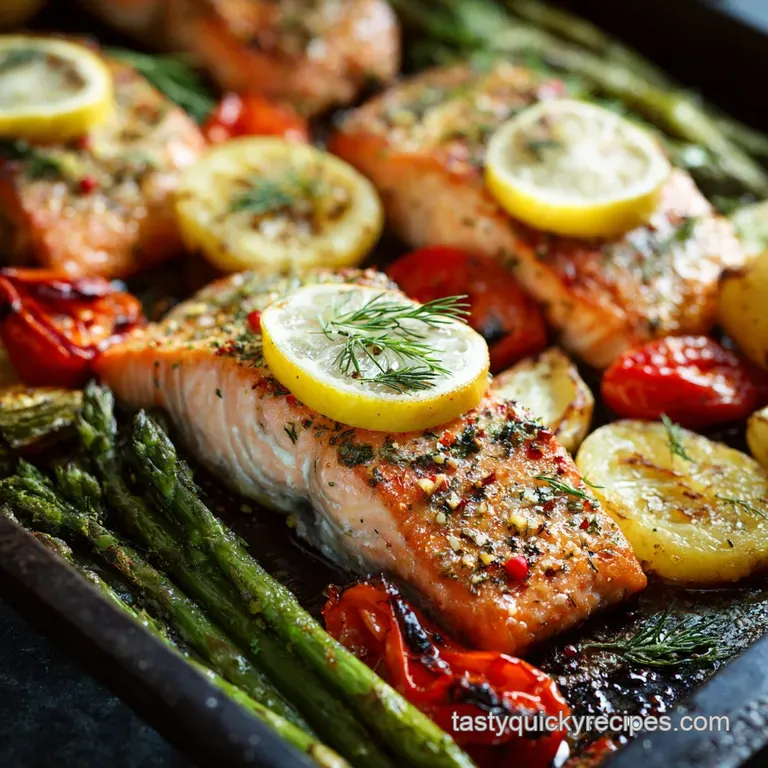
- The Aegean Nourishment Bowl: A Top PCOS Friendly Recipe
- Flavor Science and Hormonal Health: Why This PCOS Friendly Recipe Delivers
- Essential Ingredients and PCOS-Specific Substitutions
- Step-by-Step Guide: Preparing Your Aegean Nourishment Bowl
- Chef's Tips, Troubleshooting, and Avoiding Common Sheet-Pan Mistakes
- Meal Prep Success: Storage, Freezing, and Reheating for PCOS Friendly Recipes
- Creative Ways to Serve Your Aegean Nourishment Bowl
- Recipe FAQs
- 📝 Recipe Card
The Aegean Nourishment Bowl: A Top PCOS Friendly Recipe
Oh my gosh, the smell of this bowl cooking is pure therapy. That irresistible hit of bright lemon mixed with savoury, slightly charred oregano? It fills the whole kitchen and makes my stomach rumble instantly, promising comfort and serious flavour without the heavy feeling.
You know I live for sheet pan meals; this is my go-to PCOS friendly recipes dinner solution. It’s a total lifesaver when you need maximum nourishment with minimal fuss, hitting those critical protein and fibre goals every time, because who has energy for a five pot meal after a long day?
Plus, leaning on affordable, seasonal veg and bulk quinoa keeps the overall cost ridiculously low.
This isn't just a recipe; it’s a deliberate strategy for stable energy and happy hormones, wrapped up in a creamy lemon tahini dressing that absolutely sings. We are skipping the stress and diving straight into making the "Aegean Nourishment Bowl," guaranteed to make PCOS friendly recipes feel exciting again.
Flavor Science and Hormonal Health: Why This PCOS Friendly Recipe Delivers
Flavor Meets Function: Why the Mediterranean Diet Supports PCOS
Why the Mediterranean vibe? It naturally promotes exactly what we need for hormonal support: lots of fibre, anti inflammatory fats, and a low glycemic load. This approach bypasses the blood sugar spikes that often exacerbate PCOS symptoms like insulin resistance.
The incredible flavour profile means you don't feel like you are sacrificing anything, either.
Quick Meal Prep Magic: Achieving Nourishment in One Sheet Pan
Sheet pan dinners are amazing because they minimize oil use and maximize efficiency. Roasting at a high temperature caramelises the natural sugars in the red onion and courgette, which builds incredible flavour without needing heavy sauces or breading. You throw everything on one pan and walk away.
Understanding the PCOS Plate: Balancing Fats, Fiber, and Protein
Every single element in this bowl is intentional. We combine the high-quality protein from the salmon, the soluble fibre from the roasted vegetables, and the complex, low-GI carbohydrates from the quinoa. This trifecta is key to prolonged satiety and stabilizing those crucial blood sugar levels throughout the day.
Omega-3 Power: Leveraging Salmon for Reduced Inflammation
If you want to talk about PCOS friendly recipes for weight loss and better health, we have to talk about salmon. Wild caught salmon is packed with Omega-3 fatty acids, which are powerful anti inflammatories.
Inflammation often drives pain and hormonal imbalance in PCOS, so loading up on these healthy fats is a complete win.
Stable Energy: Quinoa’s Role as a Low Glycemic Carbohydrate Source
Forget the white rice and sticky refined carbs that leave you crashing two hours later. Quinoa is a complete protein and a superb low glycemic carbohydrate source. It digests slowly, offering sustained energy, making it one of my favourite PCOS friendly side dishes.
The Role of Healthy Fats: Mastering the Lemon Tahini Drizzle
Tahini (sesame seed paste) provides essential minerals and incredibly healthy fat. When emulsified with lemon, it doesn't just taste amazing; it also helps slow the absorption of the carbohydrates in the meal. This is a game changer for blood sugar management.
Chef’s Note: Never skip the healthy fats! They are essential for hormone production and nutrient absorption. Don’t fear the fat in the salmon or the tahini; it’s the good stuff your body needs.
Essential Ingredients and PCOS Specific Substitutions
Selecting the Best Salmon Fillets for Maximum Omega-3s
I always recommend wild caught salmon if you can afford it, as it generally has a higher Omega-3 content than farmed. If not, don't worry any salmon is better than none! Four individual fillets (about 5 6 oz each) are the perfect portion size for this sheet pan setup.
Choosing High Fiber Roasted Vegetables for Hormonal Support
We are using high fibre heroes like broccoli, courgette, and red onion. Broccoli is a powerhouse, offering great fibre and compounds that help the liver metabolise hormones efficiently. Courgette adds satisfying volume and hydration.
Ingredient Swap Guide: Making This Recipe Gluten and dairy-free
This bowl is naturally gluten-free thanks to the quinoa, and we are steering clear of dairy here. If you can’t have tahini or need to swap a veggie, here is your cheat sheet.
| Ingredient | Why it Matters (PCOS Focus) | Viable Substitute |
|---|---|---|
| Quinoa | Low GI, complete protein. | Brown rice, farro, or lentils (great PCOS friendly recipes vegetarian base). |
| Salmon | Omega-3 anti inflammatory powerhouse. | Halibut, cod, or chickpeas/beans (for a plant based option). |
| Tahini | Healthy fats, creamy binder. | Sunflower seed butter or blended avocado (for a creamier result). |
| Broccoli/Courgette | High fibre, hormone metabolism support. | Cauliflower florets, green beans, or asparagus spears. |
Stocking Your Pantry: Key Anti Inflammatory Spices and Herbs
Oregano and cumin aren't just for flavour; they contain antioxidants that fight inflammation. Don't be shy with the black pepper either, as it helps activate the benefits of other spices. Fresh garlic in the dressing is mandatory!
step-by-step Guide: Preparing Your Aegean Nourishment Bowl
Perfecting the Quinoa Base: Fluffy and Never Mushy
The secret to quinoa that isn't gummy? Rinse it well! I made the mistake of skipping this step when I first started cooking, and the bitterness was unreal. Rinse one cup of dry quinoa in a fine mesh sieve until the water runs completely clear, then cook it gently in two cups of stock.
The biggest tip: let it rest, covered, for at least 10 minutes after turning the heat off. This steams it perfectly and creates that wonderful, fluffy texture.
Sheet Pan Strategy: Timing Your Vegetables and Salmon for Simultaneous Doneness
Preheating your oven to 400°F (200°C) is key. You need to give the denser vegetables (like the broccoli and onions) a head start, about 10– 12 minutes. Toss them evenly with olive oil and spices and spread them into a single layer.
Seriously , if they are piled up, they steam, and we want roast-y crispness, not soggy veg.
The Tahini Drizzle Technique: Achieving a Creamy Emulsion
This is where the magic happens. Combine the tahini, lemon juice, and seasonings in a bowl. It will instantly seize up and look like chunky cement. Don't worry! This is exactly what should happen. Now, slowly whisk in cold water, one tablespoon at a time. The cold water encourages the emulsion to loosen up beautifully.
You’re looking for the consistency of thin custard, something that coats a spoon easily.
Assembling the Bowl: Layering for Maximum Texture and Presentation
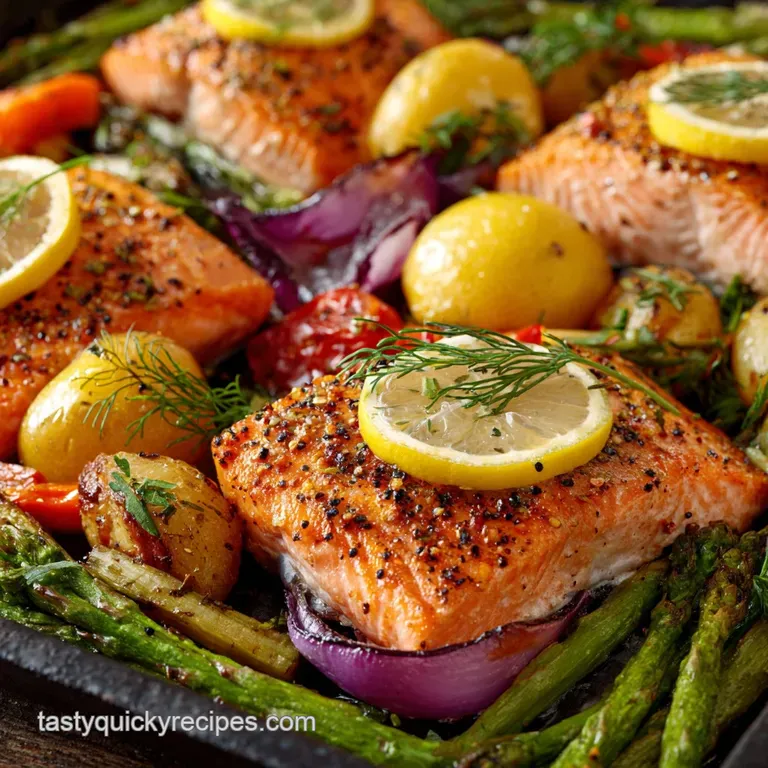
When the salmon flakes easily (after about 12– 15 minutes of roasting alongside the pre-cooked veg), pull the pan out. Divide the fluffy quinoa into bowls, pile the roasted vegetables on top, and crown each bowl with a gorgeous salmon fillet.
A generous, beautiful drizzle of that lemon tahini dressing makes the whole plate look professional and ready for an Instagram story.
Chef's Tips, Troubleshooting, and Avoiding Common Sheet Pan Mistakes
Preventing Soggy Roasted Vegetables: The Secret to Crisp Edges
The number one mistake people make is overcrowding the pan. If your vegetables are touching shoulder-to-shoulder, they release moisture, which turns your oven into a steamer. If in doubt, use two sheet pans. Next,, make sure your vegetables are fully dry before tossing them with the oil.
Water causes steam!
Ensuring Perfectly Flaky Salmon: Temperature and Doneness Checks
Always pat your salmon fillets dry before seasoning. This helps the exterior crisp up a bit. Remove the salmon from the oven the moment it turns opaque in the middle and flakes easily with a fork; the internal temperature should reach 145°F (63°C).
A little undercooked is always better than dry , as it continues to cook on the hot plate.
Troubleshooting the Tahini Drizzle: When it Separates or Clumps
If your tahini looks separated or grainy, it usually means you added the water too fast, or maybe the tahini itself was old and dried out. The fix is simple: add another teaspoon of tahini to the mixture and whisk vigorously. If it’s still too thick, whisk in a final splash of cold water.
Patience is key when creating an emulsion!
Meal Prep Success: Storage, Freezing, and Reheating for PCOS Friendly Recipes
Best Practices for Refrigerating Cooked Salmon and Quinoa
This Aegean Nourishment Bowl is one of the best PCOS friendly recipes for meal prepping, hands down. Once cooled completely, store the quinoa, roasted vegetables, and salmon in separate airtight containers in the fridge. They stay perfectly fresh for 3 to 4 days.
Storing separately prevents the quinoa from soaking up moisture from the veg and getting mushy.
Can You Freeze This Dish? Components That Hold Up Well
The quinoa and the roasted vegetables freeze beautifully. Place them in freezer safe bags or containers for up to three months. The salmon, however, gets really dry and loses texture when frozen and reheated, so I usually cook that fresh or only refrigerate it.
Reheating Without Drying Out the Fish or Veggies
Nobody likes dry salmon! To reheat your meal prep bowls, the microwave works in a pinch, but the best way is using a conventional oven or toaster oven. Place the quinoa and vegetables on a tray, and add the salmon fillet right before you put it in.
Heat everything at a low temperature, maybe 300°F (150°C), for about 10– 15 minutes. This warms it through gently. If you need a quick hack, cover the salmon tightly with foil before microwaving.
Creative Ways to Serve Your Aegean Nourishment Bowl
You can switch up the entire feel of this bowl just by adding a few extras!
- Pinch of Sweet: Stir a few chopped dates or dried cranberries into the quinoa for a subtle sweet tart note.
- Boost the Fibre: Top the bowl with a sprinkle of toasted pumpkin seeds or walnuts for added crunch and healthy fats.
- PCOS Friendly Recipes Breakfast Twist: Serve the leftover quinoa and vegetables with a fried egg and the tahini dressing the next morning. It’s brilliant, quick, and packed with protein.
Recipe FAQs
Can I use a different protein source if I don't have salmon?
Yes, absolutely. For equivalent PCOS benefits, opt for other omega-3 rich fish like mackerel or sardines, or use chicken or turkey breast to maintain a lean protein source. Remember to adjust the cooking time based on the thickness of your chosen protein, checking for an internal temperature of 165°F (74°C) for poultry.
I am limiting grains. What is a suitable low-GI replacement for quinoa?
Excellent low-glycemic index alternatives include cauliflower rice or high fiber brown rice, both of which offer slower glucose release than traditional starches. You could also significantly reduce the carbohydrate content by using a large base of baby spinach or massaged kale instead of a grain.
Why did my sheet pan salmon come out dry or overcooked?
Sheet pan salmon often dries out due to high heat or cooking time exceeding 12 15 minutes, especially if the fillets are thin. Ensure your oven temperature is accurate and use an instant read thermometer; the salmon is perfectly cooked when its internal temperature reaches 145°F (63°C).
How long will the assembled nourishment bowls last in the refrigerator?
The cooked components quinoa, roasted vegetables, and salmon can be stored separately in airtight containers for 3 to 4 days. It is crucial to always store the Lemon Tahini Drizzle separately and only add it just before serving to prevent the bowl from becoming soggy.
Which specific ingredients in this bowl help manage PCOS related inflammation?
The key inflammation fighters are the Omega-3 fatty acids in the salmon, which are potent anti inflammatory agents necessary for hormone balance. Additionally, the fiber in the quinoa and the antioxidants from the colourful roasted vegetables support gut health, which helps reduce systemic inflammation.
Can I make the Lemon Tahini Drizzle if I have a sesame allergy?
If you have a sesame (tahini) allergy, substitute it with Greek yogurt, a few tablespoons of pureed avocado blended with lemon juice, or even soaked and blended sunflower seeds for a creamy binder. Focus on maintaining the bright, tangy flavour profile using plenty of fresh lemon.
Is it possible to freeze leftover components of the Aegean Nourishment Bowl?
Quinoa freezes very well, and roasted vegetables are generally acceptable when frozen and reheated, though their texture might soften slightly. However, freezing cooked salmon and the tahini drizzle is not recommended, as they can become dry or separate upon thawing.
Pcos Friendly Salmon Sheet Pan Bowl
Ingredients:
Instructions:
Nutrition Facts:
| Calories | 382 kcal |
|---|---|
| Protein | 11.9 g |
| Fat | 25.7 g |
| Carbs | 26.0 g |
