Pan Fried Chicken: Shatteringly Crisp
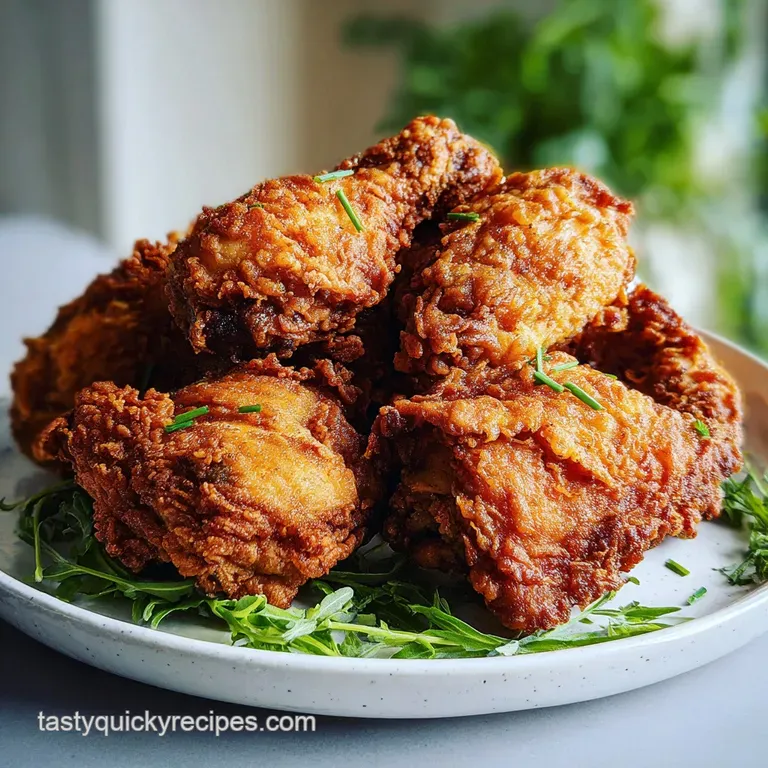
- Time: Active 15 minutes, Passive 12 minutes, Total 27 minutes
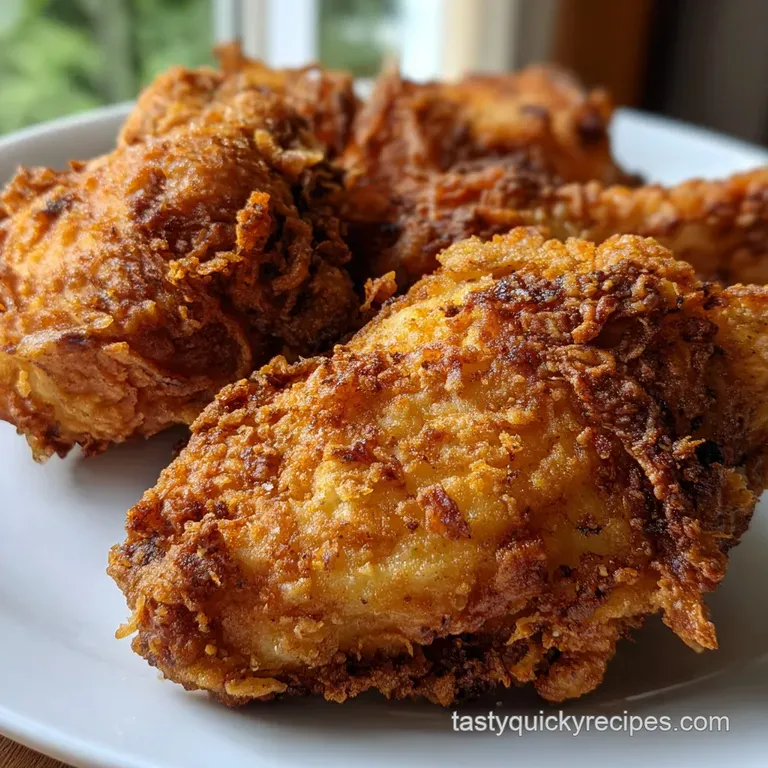
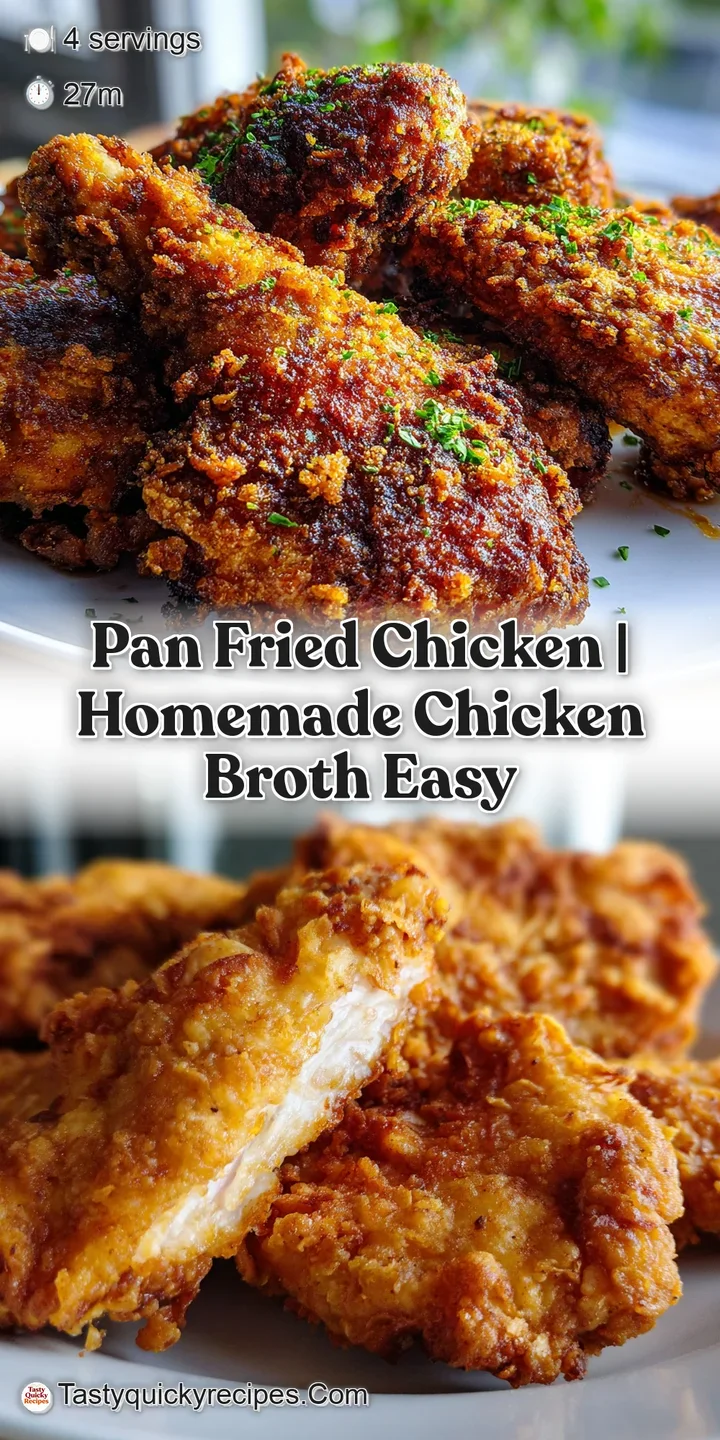
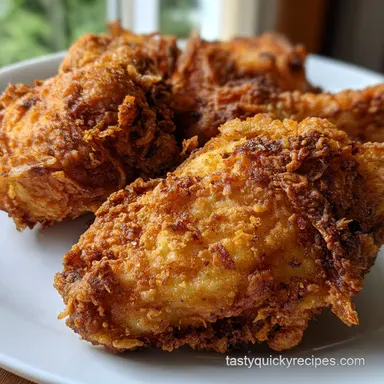
- Flavor/Texture Hook: Shatter crisp golden crust with a tender, velvety center
- Perfect for: Stressful weeknight dinners or a quick homemade comfort fix
- Mastering the Best Pan Fried Chicken
- The Physics of the Crunch
- Component Analysis Deep Dive
- Choosing Your Best Ingredients
- Kitchen Tools for Success
- The Ultimate Cooking Method
- Common Mistakes and Solutions
- Recipe Scaling Guidelines
- Flavorful Recipe Variations
- Smart Storage and Reheating
- Serving and Enjoying
- Pan Fried Chicken FAQs
- 📝 Recipe Card
Mastering the Best pan-fried Chicken
The sizzle of cold chicken hitting a hot, oiled skillet is a sound that instantly calms my chaotic kitchen. I remember one particular Tuesday where everything went wrong the kids were screaming, the mail was a mess, and I just wanted something that didn't taste like cardboard.
I grabbed a couple of breasts, threw together a quick seasoning, and for the first time, I didn't overthink it. The result was this incredible, golden crust that actually stayed on the meat instead of sliding off into the pan like a sad, wet blanket.
We’ve all been there, staring at a piece of chicken wondering if it’s going to turn out like rubber. That’s why this pan-fried chicken recipe is my absolute go to when I’m juggling a million things.
It’s not about fancy equipment or complicated batters; it’s about the science of heat and the simplicity of a good dredge. You're going to get that satisfying "crunch" without the mess of a deep fryer, and honestly, your family will think you spent hours on it.
This isn't just another dinner; it’s the solution to the "what's for dinner" dread. We’re going to walk through how to keep that breading stuck to the bird and how to ensure the inside stays buttery soft.
I’ve made every mistake in the book from cold pans to soggy flour so you don't have to. Right then, let’s crack on and get this on the table.
The Physics of the Crunch
Moisture Displacement: Flour binds to the surface proteins of the chicken, creating a barrier that prevents juices from leaking out and steaming the crust from the inside.
The Maillard Effect: The combination of smoked paprika and high heat creates a complex chemical reaction that produces hundreds of different flavor compounds and that characteristic golden brown hue.
Acid Tenderization: A tiny splash of lemon juice breaks down tough muscle fibers on the surface, allowing the seasonings to penetrate deeper while keeping the meat "velvety" after searing.
| Method | Time | Texture | Best For |
|---|---|---|---|
| Stovetop Skillet | 12 minutes | Shatter crisp edges | Maximum flavor and speed |
| Oven Baked | 25 minutes | Uniformly firm | Large batches and hands off cooking |
| Air Fryer | 18 minutes | Very dry/crunchy | Reducing added fats |
Choosing between these methods usually comes down to how much time you have and how many people you're feeding. For this specific pan-fried chicken, the skillet is king because it allows for that beautiful butter basted finish that an oven just can't replicate. If you're looking for something more hands off for a big crowd, you might consider my Chicken and Dumplings recipe instead, but for that immediate "crispy" fix, stay right here.
Component Analysis Deep Dive
| Ingredient | Science Role | Pro Secret |
|---|---|---|
| AP Flour | Structural Matrix | Whisk it well to aerate, which leads to a lighter, less dense crust. |
| Smoked Paprika | Color & Phenols | Adds a deep, wood fired aroma and speeds up the visual browning process. |
| Neutral Oil | Heat Transfer | Use an oil with a high smoke point (like avocado or canola) to prevent acrid flavors. |
| Unsalted Butter | Flavor Emulsion | Adding this at the very end creates a "nutty" foam that coats the chicken. |
The key to a successful breaded pan-fried chicken is the quality of your dry components. I once tried using old, dusty paprika from the back of the pantry, and the dish tasted like nothing. Fresh spices are non negotiable here.
Choosing Your Best Ingredients
- 1.5 lbs boneless, skinless chicken breast: Why this? Provides a lean, uniform canvas that cooks quickly and stays tender. You can swap for thighs if you prefer a richer, fattier bite.
- 1 tsp lemon juice: Why this? The acid acts as a "primer" for the crust to adhere better. Use white vinegar if you're out of lemons.
- 0.5 cup all purpose flour: Why this? Creates the classic, crispy exterior without the weight of a heavy batter. Cornstarch can be used for an even crunchier, gluten-free option.
- 1 tsp smoked paprika: Why this? Provides that "fried" look even with minimal oil usage. Regular paprika works but lacks the depth.
- 1 tsp garlic powder: Why this? Distributes flavor more evenly than fresh garlic, which burns in the pan.
- 0.5 tsp onion powder: Why this? Adds a savory, umami base that rounds out the salt.
- 1 tsp kosher salt: Why this? Larger grains draw out just enough moisture to help the flour stick.
- 0.5 tsp freshly cracked black pepper: Why this? Essential for cutting through the richness of the oil and butter.
- 3 tbsp neutral oil: Why this? Canola or vegetable oil handles the 375°F heat without smoking.
- 1 tbsp unsalted butter: Why this? Added at the end for that classic "restaurant" finish and shine.
Kitchen Tools for Success
You don't need a professional kitchen, but a heavy bottomed skillet is your best friend here. I swear by my cast iron skillet it holds heat like a champion, which means when you drop that cold chicken in, the temperature doesn't plummet.
If you use a thin, cheap pan, you’ll end up with "boiled" chicken because the pan can't recover its heat fast enough.
Chef's Tip: Freeze your butter for 10 minutes before adding it to the pan. This slows down the melting process, allowing the milk solids to brown perfectly without burning before the chicken is done.
A pair of long handled tongs is also essential. Don't use a fork! Piercing the meat lets all those precious juices escape, turning your "juicy" dinner into a dry disappointment. If you're planning a full spread, this chicken goes beautifully with a side of greens, much like the flavors in my Chicken Divan Recipe.
The Ultimate Cooking Method
Phase 1: Preparation
- Pat the chicken completely dry using paper towels. Note: Moisture is the enemy of a crispy crust; any surface water will create steam.
- Drizzle the lemon juice over the meat and let it sit for 2 minutes while you prep the dry mix.
- Whisk the flour, paprika, garlic powder, onion powder, salt, and pepper in a shallow bowl. Make sure the spices are evenly distributed so every bite is seasoned.
Phase 2: The Dredge
- Dredge each piece of chicken in the flour mixture, pressing firmly to ensure it sticks.
- Shake off the excess flour vigorously. Note: You want a fine dusting, not a thick paste, or it will turn gummy in the pan.
- Place the breaded chicken on a wire rack for 5 minutes. This lets the flour hydrate and form a "glue" with the chicken's surface.
Phase 3: Searing
- Heat the neutral oil in a large skillet over medium high heat until it shimmers.
- Lay the chicken away from you into the pan to avoid grease splatters. Cook for 5-6 minutes without moving the pieces.
- Flip the chicken once the edges are visibly golden and the meat releases easily from the pan.
- Add the butter to the pan and spoon the foaming fat over the chicken for the final 2 minutes. Cook until the internal temperature hits 165°F and the crust is a deep mahogany.
Common Mistakes and Solutions
The Crust is Falling
This usually happens because the chicken was too wet before dredging or the pan wasn't hot enough. When the chicken is damp, the flour turns into a sliding paste rather than a crisp shell. If your pan is cold, the oil soaks into the flour instead of searing it.
The Outside is Burnt
If your homemade pan-fried chicken looks like charcoal but is still raw in the middle, your heat is too high. This is common with electric stoves that cycle heat. You want a steady, medium high sizzle, not a violent popping sound.
The Chicken is Tough
This is the result of overcooking. Chicken breast is unforgiving. Once it passes 165°F, it starts losing moisture rapidly. Use a digital meat thermometer it is the only way to be 100% sure you aren't serving rubber.
| Problem | Root Cause | Solution |
|---|---|---|
| Saturated, oily crust | Oil temperature too low | Wait for the oil to shimmer or "dance" before adding meat. |
| Breading peels off | Steam trapped under flour | Pat meat bone dry and let the dredge "set" for 5 mins. |
| Flour tastes raw | Undercooked coating | Ensure a full 5-6 minutes of contact with the hot oil. |
Similar to the precision needed for a Dinner Idea with recipe, timing is everything. If you rush the heat, you lose the texture.
Common Mistakes Checklist
- ✓ Never crowd the pan; leave at least an inch between pieces to allow steam to escape.
- ✓ Don't skip the "resting" phase after dredging this is when the magic happens.
- ✓ Avoid using olive oil, as it has a low smoke point and will turn bitter.
- ✓ Use a heavy pan to prevent "hot spots" that burn parts of the crust.
- ✓ Always let the meat rest for 3 minutes after cooking to let the juices redistribute.
Recipe Scaling Guidelines
If you're cooking for one or two, you can easily halve the recipe. Just beat half an egg if you choose to use an egg wash (though this dry dredge version doesn't need it) and use a smaller 8 inch skillet to save on oil. Reduce the cook time by about 1 minute per side since a smaller pan often runs hotter.
For a larger crowd, do not just double the oil and crowd everything into one pan. You must work in batches. If you try to fit 3 lbs of chicken into one skillet, the temperature will drop, the chicken will steam, and you’ll end up with a soggy mess.
Keep the first batch warm in a 200°F oven on a wire rack while you finish the second. For the spices, only scale them up to 1.5x at first, then taste; spices can become overwhelming when doubled strictly.
| Servings | Chicken Amount | Pan Size | Batch Count |
|---|---|---|---|
| 2 People | 0.75 lbs | 10 inch | 1 Batch |
| 4 People | 1.5 lbs | 12 inch | 1-2 Batches |
| 8 People | 3 lbs | Two 12 inch | 2 Batches |
Flavorful Recipe Variations
For a Healthier Version
You can replace the all purpose flour with almond flour for an easy pan-fried chicken that fits a keto lifestyle. Note that almond flour browns much faster than wheat flour, so you’ll need to lower the heat slightly and watch it like a hawk. It adds a lovely nutty flavor that pairs well with the lemon juice.
For a Spicy Kick
Add 1/2 teaspoon of cayenne pepper and a teaspoon of chili powder to the flour mix. This creates a "Nashville adjacent" vibe without the heavy oil drench. If you want it even hotter, whisk a dash of hot sauce into the lemon juice before coating the chicken.
Smart Storage and Reheating
Storage: Keep leftovers in an airtight container in the fridge for up to 3 days. However, be warned: the crust will lose its "shatter" factor as it absorbs moisture from the meat.
Freezing: You can freeze the cooked chicken for up to 2 months. Wrap each piece tightly in plastic wrap, then place them in a freezer bag. To use, thaw in the fridge overnight.
Zero Waste: Don't throw away those little crispy bits left in the pan! Use them to jumpstart a Chicken Stock recipe or toss them into a salad for a flavor bomb. If you have extra flour mixture, you can use it to dredge some sliced zucchini or green tomatoes for a quick side dish.
Serving and Enjoying
This chicken is a superstar that plays well with almost anything. For a classic comfort meal, serve it over creamy mashed potatoes with a side of steamed green beans. The "sizzle" of the chicken is perfectly offset by something soft and velvety.
If you're feeling a bit more adventurous, slice the chicken into strips and lay them over a cold Caesar salad. The heat from the chicken slightly wilts the kale or romaine, making the whole thing feel like a fancy bistro lunch. Whatever you do, make sure to serve it immediately while that crust is still at its peak.
There is nothing quite like the first bite of a perfectly executed, crispy pan-fried chicken. Enjoy the crunch!
pan-fried Chicken FAQs
What is the best way to pan fry chicken?
Pat chicken completely dry before dredging. Moisture creates steam, which prevents the crust from getting crispy. Press the flour mixture firmly onto the chicken and let it rest for 5 minutes before frying for optimal adhesion.
How long does it take chicken to cook in a frying pan?
Typically 12-15 minutes total. Cook for 5-6 minutes per side over medium high heat, or until the internal temperature reaches 165°F. Adding butter in the final 2 minutes helps achieve a golden brown finish.
Should you flour chicken before pan-frying?
Yes, a light flour dredge is essential. It creates the crispy coating and helps keep the chicken juicy inside by forming a barrier. A mix of flour, salt, pepper, and spices ensures flavor and texture.
Do you use oil or butter to pan fry chicken?
Start with a neutral oil and finish with butter. Use a high smoke point oil like canola or vegetable oil for the initial searing. Add butter in the last few minutes to add richness and aid browning, similar to how fat is crucial in our Country Fried Steak Recipe Oven Baked in 30 Minutes.
Why is my pan-fried chicken crust falling off?
The crust likely didn't adhere properly. This can happen if the chicken isn't patted dry before dredging, or if the flour mixture isn't pressed on firmly. Letting the dredged chicken rest for 5 minutes also helps the flour "glue" to the meat.
How do I prevent my pan-fried chicken from being tough?
Avoid overcooking and use a thermometer. Chicken breast cooks quickly and becomes tough once it passes 165°F. Use a digital meat thermometer to ensure you pull it from the pan at the precise moment it's done, a key skill for many recipes, including achieving perfect results in our Crockpot Chicken Thigh Recipe with Garlic and Herbs: Slow Cooked Flavor.
Can I pan fry chicken thighs instead of breasts?
Absolutely, chicken thighs are fantastic for pan-frying. They have more fat, which makes them more forgiving and inherently more flavorful. Cook them until the internal temperature reaches 165°F, which might take a few minutes longer than breasts.
pan-fried Chicken
Ingredients:
Instructions:
Nutrition Facts:
| Calories | 308 kcal |
|---|---|
| Protein | 38.5 g |
| Fat | 11.2 g |
| Carbs | 12.8 g |
| Fiber | 0.6 g |
| Sugar | 0.2 g |
| Sodium | 645 mg |
