French Toast Casserole: Overnight Baked Brioche

- The Ultimate Overnight French Toast Casserole Recipe
- Mastering the Custard: The Science of Overnight Soaking
- Essential Ingredients and Smart Substitutions
- How to Assemble and Bake Your Overnight French Toast Casserole
- Pro Tips and Common Mistakes for the Best Results
- Storing Leftovers and Freezing the French Toast Casserole
- Decadent Topping Ideas and Serving Suggestions
- Recipe FAQs
- 📝 Recipe Card
The Ultimate Overnight French Toast Casserole Recipe
You know that feeling when the oven is warm, and the air smells like cinnamon, vanilla, and sweet, melting butter? That’s the exact magic of a truly great French Toast Casserole . This isn’t the thin, soggy bake you get at sad hotel buffets.
This is rich, custardy perfection with edges that shatter when you cut into them, all wrapped up in the simplest, most stress free brunch recipe ever. Seriously, we’re talking 15 minutes of work the night before, and you wake up to a holiday worthy breakfast.
I spent years chasing the perfect crispy top, gooey center ratio in a baked toast recipe casserole. I failed with regular sandwich bread. I failed with insufficient soaking time. But eventually, I figured out the few non-negotiable scientific steps needed to nail this French Toast Casserole every single time.
It's the ultimate make-ahead secret weapon.
If you are looking for the absolute Best French Toast Bake Recipe —one that lets you actually enjoy your guests instead of flipping slices over a hot griddle this method for Overnight French Toast Casserole is it.
Mastering the Custard: The Science of Overnight Soaking
Why This Works: Decadence Meets Convenience
The key to a successful French Toast Casserole isn't just the recipe; it’s the time. You need to treat this like a savory Breakfast Casserole: Ultimate Overnight Sausage Sourdough Bake — the soaking time is mandatory.
When you bake bread soaked in liquid, you’re trying to achieve a delicate balance: the exterior needs to dry out and caramelize (creating a crispy crust), while the interior must transform into a velvety, set custard. This requires maximum absorption before it hits the heat.
Why Staling the Bread Matters (Optimizing Absorption)
Fresh bread is already full of moisture, meaning it can only absorb a limited amount of the egg and cream mixture. If you use fresh bread, the remaining liquid just sits at the bottom of your dish, creating that dreaded layer of dense, wet mush. Gross.
By using slightly stale or dried out bread (brioche or challah are best), you create little sponges. These sponges absorb the maximum amount of the rich custard overnight. When baking, the heat sets the eggs, turning the soaking liquid into a firm, creamy filling, while the exposed surface sugars caramelize into a glorious, crunchy topping.
That, my friends, is the secret to a phenomenal Brioche French Toast Casserole .
Essential Ingredients and Smart Substitutions
The foundation of this French Toast Casserole is richness. We’re not skimping on fat here because fat equals flavor, texture, and perfect structural integrity when baking.
| Ingredient | Role | Smart Swap/Substitution |
|---|---|---|
| Brioche or Challah | Structure and Texture | Sturdy Sourdough (dried overnight) or Dense gluten-free Loaf (increase soak time). |
| Heavy Cream | Richness and Velvety Mouthfeel | Full fat canned Coconut Milk (adds a slight sweetness) or Half and Half (less richness, slightly lighter result). |
| Whole Milk | Moisture and Custard Base | Oat Milk or Almond Milk (use less sugar if swapping, as plant milks are sometimes sweeter). |
| Brown Sugar | Deep Caramelization/Topping | Pure Maple Syrup (use slightly less, about ⅓ cup) or Coconut Sugar. |
| Vanilla/Cinnamon/Nutmeg | Essential Flavor Base | Cardamom, Allspice, or a touch of Espresso powder for a richer flavor profile. |
If you ever make my classic French Toast Recipe: Ultimate Creamy Brioche , you’ll know brioche is king. But don't throw away that slightly dried sourdough! It works great here, too.
How to Assemble and Bake Your Overnight French Toast Casserole
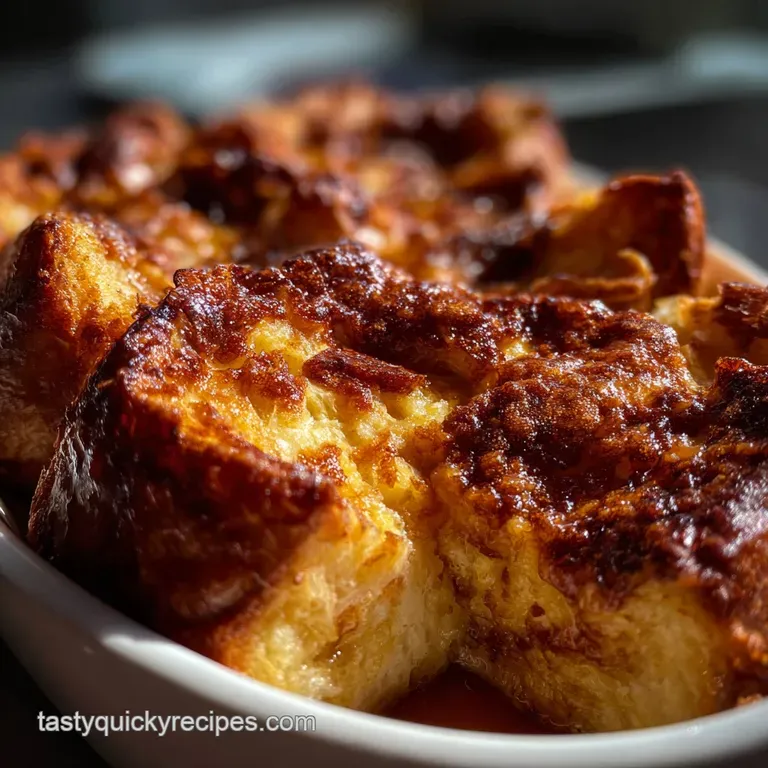
Prep Step 1: Cubing and Arranging the Brioche
- Dry It Out: Cut your brioche into generous 1 inch cubes. Spread them out on a sheet pan and let them air dry for at least an hour. This step is non-negotiable! If you’re in a rush, pop them into a 300°F oven for 10 minutes until they feel slightly crispy on the edges.
- Tuck Them In: Grease your 9x13 inch baking dish well. Transfer the dried bread cubes to the dish. Don't press them down too hard; we want air pockets between the pieces, which helps the custard set evenly and results in a lighter final product.
Step 2: Preparing the Rich Vanilla Custard Base
- Whip the Magic: In a huge bowl, whisk your eggs first until they’re slightly frothy. Then, add the whole milk, heavy cream, sugar, vanilla extract, cinnamon, nutmeg, and a pinch of salt. Whisk until the mixture is homogenous and the sugar is totally dissolved. It should be thick, but pourable a liquid gold custard.
- The Great Soak: Pour the custard slowly and evenly over the bread cubes in the baking dish. It will look like a ton of liquid, and that’s okay! Gently press the bread down just enough to ensure every cube is submerged. Think of it like tucking in a baby gentle and firm.
The Crucial Overnight Soak (Minimum 8 Hours)
- Refrigerate: Cover the dish tightly with plastic wrap and slide it into the fridge. Let this baby sleep for at least 8 hours, or up to 24 hours. This is the period where the cubes transform into the core of your perfect French Toast Custard Casserole .
Baking to Golden Perfection (Temperature and Time)
- Preheat & Topping: When you're ready to bake, preheat the oven to 350°F (175°C). While it preheats, make your optional (but highly recommended) streusel topping by cutting cold butter into the brown sugar, flour, and cinnamon until crumbly.
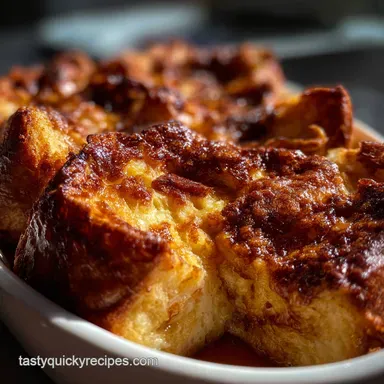
- Sizzle and Set: Remove the plastic wrap and sprinkle the streusel over the top. Bake for 45– 55 minutes. You'll know it's ready when the kitchen smells utterly intoxicating, the edges are sizzling, and the top is golden brown. A knife inserted near the center should come out clean, proving the custard is set.
- Rest: Let the French Toast Casserole rest for 10– 15 minutes before serving. This allows the internal heat to redistribute and makes the slices hold their shape beautifully.
Pro Tips and Common Mistakes for the Best Results
The goal is always a crispy top and a set, creamy interior. Avoid these common pitfalls to achieve the perfect Easy French Toast Casserole .
| The Mistake | The Science (Why It Happened) | The Fix |
|---|---|---|
| Soggy Bottom Layer | Fresh bread or insufficient drying time. Liquid pooled instead of absorbing. | Always use stale/dried bread. Increase the baking temperature briefly near the end to help dry the bottom. |
| Dry, Burnt Edges | Too much sugar on the top, or baking too long uncovered. | If the edges brown before the center is set, loosely tent the casserole with aluminum foil for the last 15 minutes of baking. |
| Casserole Didn't Set | Not enough egg or milk/cream ratio was too high. Insufficient baking time. | Ensure you use 8 large eggs. Bake until the internal temperature reaches 175°F (80°C). Don't confuse raw wobble with custardy jiggle! |
Storing Leftovers and Freezing the French Toast Casserole
This Holiday Brunch French Toast Casserole is so rich, you might actually have leftovers (unlikely, but possible).
Safe Reheating Instructions for Leftover Casseroles
Leftover slices of French Toast Casserole reheat surprisingly well.
- Microwave (Quickest): This softens the crust, but works fine. Heat slices individually for 45 60 seconds.
- Oven (Best Texture): Preheat the oven to 350°F (175°C). Place slices on a baking sheet and heat for 10– 15 minutes until warmed through and the crust has re-crisped slightly.
How to Freeze Unbaked or Baked Portions
This is where the 'make-ahead' really shines.
- Unbaked (Recommended): Assemble the entire French Toast Casserole Recipe Overnight dish, but DO NOT pour the custard over the bread yet. Wrap the bread filled dish and the separately stored custard tightly in plastic wrap and foil. Freeze for up to 3 months. When ready to use, thaw overnight in the fridge, then pour the custard over, soak for 8 hours, and bake as directed.
- Baked: Cool the cooked casserole completely. Cut into individual serving portions and wrap each tightly in plastic wrap, then foil. Freeze for up to 1 month. Reheat from frozen (unwrapped) in a 325°F oven for about 20 minutes.
Shelf Life: Storing the Casserole in the Fridge
Leftovers stored in an airtight container in the fridge are safe for 3 4 days. Since this dish relies on eggs and dairy, it's best to consume it quickly.
Decadent Topping Ideas and Serving Suggestions
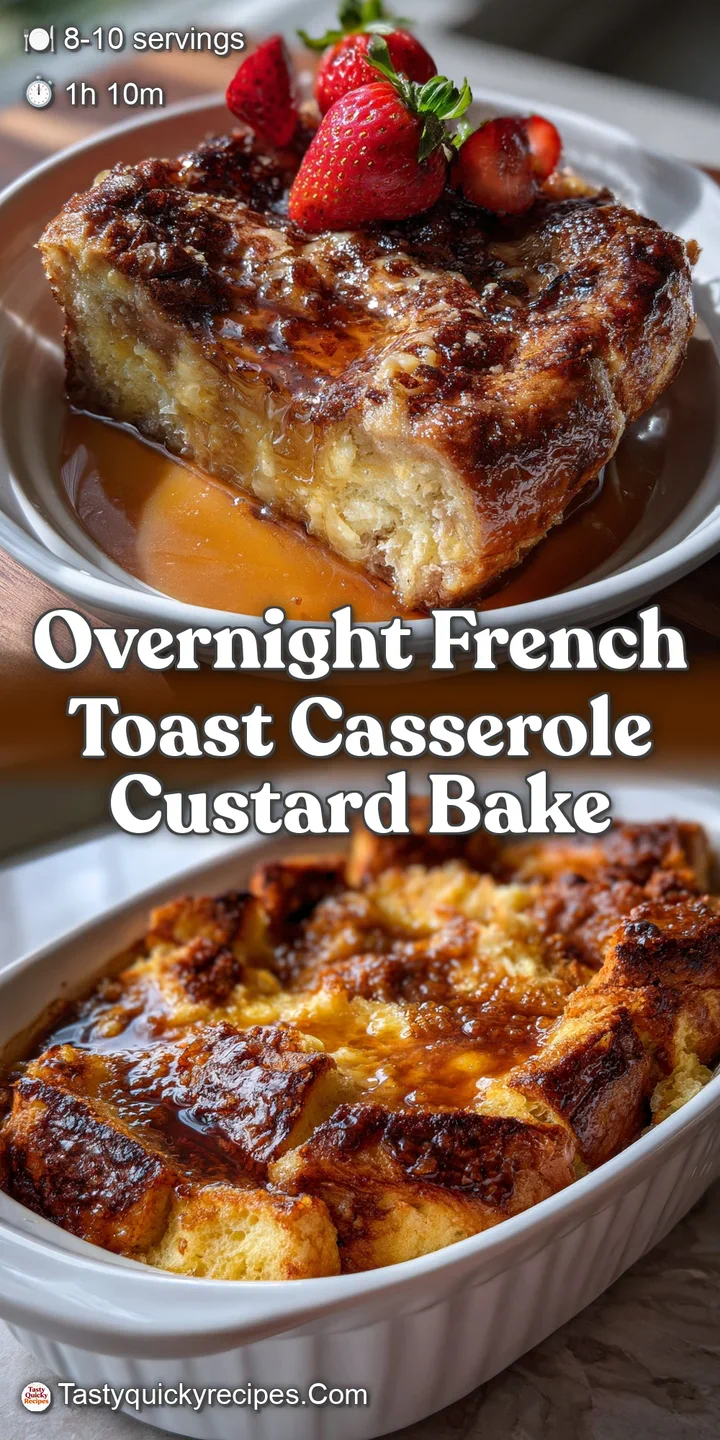
Serve this magnificent French Toast Casserole warm, dusted liberally with powdered sugar.
- The Classic: Quality maple syrup and fresh seasonal berries (strawberries, raspberries).
- The Decadent: A spoonful of vanilla ice cream, whipped cream, or crème fraîche, topped with a drizzle of salted caramel sauce.
- The Perfect Pairing: To cut through the sweetness, I always serve a hearty side of crispy thick cut bacon or sausage patties. For another ultra rich side dish that hits all the comfort notes, you might be interested in my recipe for Chicken RiceaRoni Casserole: Ultimate Creamy Weeknight Bake .
Go make this French Toast Casserole immediately. You deserve this stress free, spectacular brunch.
Recipe FAQs
Why is an overnight soak necessary for this French Toast Casserole?
The overnight soak is crucial as it allows the dense brioche or challah bread to fully absorb the rich vanilla custard mixture. This extended soaking time is what guarantees a truly custardy, soft interior while keeping the top layers crisp during baking. Without adequate soaking, the center often remains dry.
Can I use regular sandwich bread instead of brioche or challah?
While you can use other breads, brioche or challah are highly recommended because their high fat and egg content makes them sturdy and resistant to falling apart when soaked. Using standard sandwich bread might result in a mushy texture; opt for thick cut, day-old bread if substituting.
How do I prevent the casserole from being soggy or overly wet?
A soggy casserole usually results from not using slightly stale or dry bread, or allowing the bread to absorb too much liquid. Ensure your bread cubes are at least day-old to maximize absorption capacity, and press down lightly on the bread before soaking to ensure even absorption without pooling excess liquid in the bottom of the dish.
I forgot to prep last night. Can I bake the casserole immediately?
Technically, you could bake it after a minimum 30-minute soak, but the results will not be as decadent or custardy. The full overnight soak (8-12 hours) is essential for achieving the perfect soft interior texture that defines this stress free breakfast casserole.
How can I tell when the French Toast Casserole is fully baked and ready?
The casserole is done when the edges are golden brown and crispy, and the interior is set and no longer jiggly in the center. For precise results, use an instant read thermometer; it should register 180°F (82°C) in the middle. If the top begins to brown too quickly, loosely tent the dish with foil.
What toppings pair best with this baked french toast?
Maple syrup is a classic pairing that complements the rich vanilla custard beautifully. You can elevate the dish with homemade caramel sauce, or fresh seasonal fruit like raspberries, sliced bananas, or peaches. For added elegance, dust the top generously with powdered sugar just before serving.
Can I freeze the French Toast Casserole?
You can freeze baked leftovers, wrapped tightly in foil and then plastic wrap, for up to three months, reheating them slowly in the oven. However, it is not recommended to freeze the casserole before baking, as freezing and thawing the uncooked custard mixture significantly compromises the final texture.
Overnight Brioche French Toast Casserole
Ingredients:
Instructions:
Nutrition Facts:
| Calories | 1581 kcal |
|---|---|
| Protein | 15.9 g |
| Fat | 86.6 g |
| Carbs | 171.7 g |
