Orzo Lemon Salad with Asparagus

- Time: Active 10 minutes, Passive 10 minutes, Total 20 minutes
- Flavor/Texture Hook: A vibrant, citrusy zing paired with tender crisp asparagus and silky feta
- Perfect for: Juggling busy weeknights or budget-friendly meal prep
- Why This Orzo Lemon Salad Hits Different
- The Science of Why it Works
- Component Analysis for the Best Flavor and Texture
- Essential Elements and Smart Swaps for Every Budget
- Simple Tools for a Fast Kitchen Finish
- The Foolproof Method for Zesty Pasta Success
- Fixing Common Blunders Before They Happen
- Clever Variations and Easy Recipe Scaling
- Smart Storage and Zero Waste Savings
- Fast Plating Tricks for a Flavorful Look
- Recipe FAQs
- 📝 Recipe Card
Why This Orzo Lemon Salad Hits Different
You know those nights when you're juggling a million things and just need a win on the table? That was me last Tuesday. I wanted something that felt like a fancy bistro lunch but cost about three dollars to make. This orzo lemon salad is exactly that.
It's fast, flavorful, and uses basic pantry staples to create something that actually tastes expensive.
The secret isn't some rare ingredient, it's all about how you treat the pasta. Most people rinse their orzo, but we're going to use that surface starch to our advantage. When that hot, starchy pasta meets the cold lemon juice and olive oil, it creates a light, velvety sauce that clings to every single grain.
It’s a total game changer for anyone who hates dry, boring pasta salads.
I’ve made the mistake of overcooking the asparagus before, ending up with a mushy mess. We’re not doing that here. By tossing the greens in at just the right moment, we keep that satisfying snap.
Whether you're serving this next to a roast or eating it straight from the bowl while standing at the kitchen counter, this recipe delivers a bright, herbaceous finish that wakes up your palate.
The Science of Why it Works
Starch Absorption: Warm pasta swells and becomes more porous, allowing the lemon vinaigrette to penetrate the core of the grain instead of just sitting on the surface.
Emulsification Stability: The Dijon mustard acts as a bridge between the oil and lemon juice, creating a silky coating that won't separate as the dish cools.
| Pasta Texture | Cook Time | Visual Cue | Best For |
|---|---|---|---|
| Al Dente | 8 minutes | Tiny white dot in center | This salad (prevents mush) |
| Soft | 10 minutes | Uniform color throughout | Soup additions |
| Overcooked | 12+ minutes | Swollen and falling apart | Avoid for salads |
Right then, before we get into the nitty gritty of the ingredients, let's talk about the texture. You want that orzo to have a bit of a "shatter" to it, not be a soft pile of mush. Using a timer is your best friend here because orzo goes from perfect to pasty in about sixty seconds.
Component Analysis for the Best Flavor and Texture
| Ingredient | Science Role | Pro Secret |
|---|---|---|
| Orzo Pasta | Starch Base | Don't rinse it; the starch helps the dressing stick. |
| Lemon Juice | Acid/Denaturant | Roll the lemon on the counter first to break the juice sacs. |
| Dijon Mustard | Emulsifier | It keeps the oil and juice from separating into a greasy mess. |
| Feta Cheese | Salt/Fat | Buy the block in brine for a creamier, less chalky texture. |
Understanding how these parts move together helps you swap things out without ruining the meal. For instance, the honey isn't just for sweetness, it balances the aggressive acidity of the lemon so your mouth doesn't pucker too hard. It's a small detail that makes a massive difference in the final flavor profile.
Essential Elements and Smart Swaps for Every Budget
- 1.5 cups (250g) dried Orzo pasta: Why this? The rice like shape provides a massive surface area for the zesty dressing.
- 1 bunch (200g) fresh asparagus: Why this? Adds a necessary tender crisp snap and earthy contrast to the citrus.
- 2 cups (60g) fresh baby spinach: Why this? Wilts slightly from the pasta heat, adding bulk and iron.
- 0.5 cup (75g) feta cheese: Why this? Provides tangy, salty pops that cut through the richness of the oil.
- 0.25 cup (10g) fresh dill: Why this? Gives that classic Mediterranean orzo lemon salad aroma that dried herbs can't match.
- 0.25 cup (60ml) extra virgin olive oil: Use any neutral oil like avocado or even a light vegetable oil if you're watching the budget.
- 3 tbsp (45ml) fresh lemon juice: Bottled juice works in a pinch, but you’ll miss the bright "zing" of fresh fruit.
- 1 tbsp (6g) lemon zest: Essential for the aroma, skip only if you absolutely must.
- 1 tsp (5g) Dijon mustard: Yellow mustard is a bit too sharp; stone ground is a great alternative.
- 0.5 tsp (3g) honey: Maple syrup or a pinch of white sugar works perfectly to balance the acid.
- 1 clove garlic: Use a half teaspoon of garlic powder if you don't want to deal with peeling and mincing.
- 0.5 tsp sea salt & 0.25 tsp cracked black pepper: Standard seasonings to wake up all the other flavors.
If you find yourself missing the asparagus, this recipe actually works beautifully as a base for other greens. Much like the crisp textures found in a Cucumber Salad recipe, you can swap in thinly sliced cucumbers or even blanched green beans for a similar crunch.
Simple Tools for a Fast Kitchen Finish
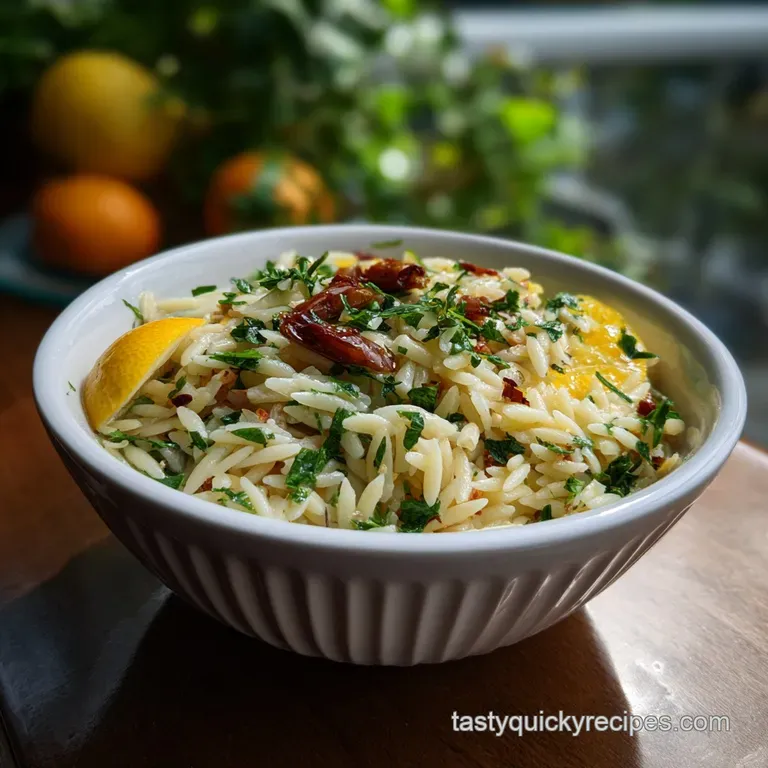
You don't need a high end kitchen to pull this off, but two tools will make your life much easier. First, a microplane or a fine grater is vital for that lemon zest. You want tiny ribbons of zest that melt into the salad, not big chunks of bitter pith.
Second, a large stainless steel bowl is better than glass here because it conducts heat faster, helping to slightly wilt the spinach as you toss everything together.
Chef Tip: Freeze your lemon for 10 minutes before zesting. It makes the peel firmer and much easier to grate without catching your knuckles on the blade.
If you're making this for a big family table, using a whisk to emulsify the dressing in a separate small jar before pouring it over the pasta ensures every grain of orzo gets equal love. It's these small, fast steps that keep the meal flavorful and consistent every time you make it.
The Foolproof Method for Zesty Pasta Success
- Boil the water. Use a large pot with plenty of salt. Note: The water should taste like the sea to season the pasta from the inside out.
- Cook the Orzo. Add 1.5 cups (250g) dried orzo to the boiling water. Cook for 8 minutes until al dente.
- Prep the asparagus. While the pasta cooks, trim and cut 1 bunch (200g) asparagus into 1 inch pieces.
- Blanch the veg. In the last 2 minutes of pasta cooking, throw the asparagus into the same pot. Cook until vibrant green and tender crisp.
- Drain well. Pour the pasta and asparagus into a colander. Note: Do not rinse with cold water; we need the heat.
- Whisk the dressing. In your large serving bowl, combine 0.25 cup (60ml) olive oil, 3 tbsp (45ml) lemon juice, 1 tbsp (6g) zest, 1 tsp (5g) Dijon, 0.5 tsp (3g) honey, and minced garlic.
- Incorporate the pasta. Add the hot orzo and asparagus directly into the dressing. Toss until the pasta looks silky and coated.
- Add the greens. Fold in 2 cups (60g) roughly chopped spinach. Note: The residual heat will wilt the spinach perfectly.
- Cool and crumble. Let the mixture sit for 5 minutes, then fold in 0.5 cup (75g) feta and 0.25 cup (10g) fresh dill.
- Season and serve. Add sea salt and cracked black pepper to taste. Serve immediately while slightly warm.
If you enjoy the way the orzo carries these flavors, you might also love the hearty, one pot comfort of an Orzo with Sausage recipe. It uses the same pasta base but moves into a creamier, savory territory that's perfect for colder nights.
Fixing Common Blunders Before They Happen
The Mushy Pasta Trap
This usually happens when the orzo is left in the boiling water even thirty seconds too long. Because orzo is so small, carryover cooking is real. To fix this, always aim to drain the pasta when it still has a tiny bit of "bite" in the center.
If it's already too soft, spread it out on a flat baking sheet to cool instantly and stop the cooking process.
Overly Acidic Profile
Sometimes lemons are just more aggressive than others. If your easy orzo lemon salad tastes like a sour candy, don't panic. You can fix this by adding a touch more olive oil or a tiny bit more honey. Fat and sugar are the natural enemies of acid, and they will mellow out that sharp bite without losing the freshness.
| Problem | Root Cause | Solution |
|---|---|---|
| Dry Salad | Pasta absorbed all liquid | Add a splash of olive oil or warm water before serving. |
| Bland Flavor | Not enough salt in pasta water | Add an extra pinch of sea salt and a squeeze of fresh lemon. |
| Soggy Spinach | Added to pasta that was too wet | Ensure pasta is drained thoroughly before mixing. |
- ✓ Use a kitchen timer for the pasta (don't wing it).
- ✓ Zest the lemon before you juice it (it's much easier).
- ✓ Chop herbs just before adding to keep them from bruising.
- ✓ Let the pasta cool slightly before adding feta to prevent it from melting completely.
- ✓ Always taste a grain of orzo before draining to check for that "al dente" snap.
Clever Variations and Easy Recipe Scaling
If you're cooking for one or two, you can easily cut this recipe in half. Use a smaller pot and reduce the cook time for the asparagus by about 30 seconds since there's less mass in the water. For a massive crowd, doubling the recipe works well, but I suggest whisking the dressing in a separate bowl first.
When you're dealing with 3 cups of dried pasta, it's harder to get an even distribution of flavors if you just dump things in.
For a protein power up, try an orzo lemon salad with chicken. Simply shred a rotisserie chicken and toss it in at the same time as the spinach. The heat will warm the chicken, and it makes the dish a complete, filling meal.
If you want a Mediterranean orzo lemon salad vibe, add some sliced kalamata olives and halved cherry tomatoes for extra pops of color and salt.
| Premium Ingredient | Budget Alternative | Flavor Impact | Savings |
|---|---|---|---|
| Fresh Asparagus | Frozen Peas | Sweeter, less earthy | Save $2-3 |
| Pine Nuts | Toasted Sunflower Seeds | Nutty but less buttery | Save $5-7 |
| Greek Feta | Cottage Cheese (drained) | Creamier, less tangy | Save $2 |
If you want a vegan orzo lemon salad, simply swap the feta for some salty capers or a handful of nutritional yeast. You’ll still get that savory "umami" hit without the dairy.
And for those who love a "celebrity" touch, adding a splash of chicken broth to the boiling water is a trick often seen in an Ina Garten orzo lemon salad to infuse the pasta with extra depth.
Smart Storage and Zero Waste Savings
This salad is a meal prep dream because it actually tastes better the next day. Store it in an airtight container in the fridge for up to 4 days. I don't recommend freezing it, as the asparagus and spinach will turn to mush when thawed.
If the pasta seems a bit dry after a night in the fridge, just add a tiny squeeze of lemon and a teaspoon of olive oil to loosen it back up.
To keep your kitchen zero waste, don't toss those woody asparagus ends! Throw them into a bag in your freezer for the next time you make veggie stock. The same goes for the lemon husks. You can put them in a jar with white vinegar for two weeks to create a natural, citrus scented kitchen cleaner.
It’s a fast way to save money and reduce what goes into the bin.
Fast Plating Tricks for a Flavorful Look
When you're ready to hit the table, presentation is everything, even for a quick meal. Instead of just scooping it into a bowl, try using a wide, shallow platter. This prevents the feta and heavy bits from sinking to the bottom, so everyone gets a "perfect" bite.
Scatter a few extra sprigs of fresh dill on top and finish with a final crack of black pepper.
- If you want a crunchier finish, add toasted breadcrumbs right before serving.
- If you want it creamier, stir in a tablespoon of Greek yogurt into the dressing.
- If you want more heat, a pinch of red pepper flakes adds a beautiful red fleck and a subtle kick.
Using a colorful bowl, like a deep blue or bright white, makes the green of the asparagus and spinach pop. It looks like you spent an hour on it, even though we both know it was just twenty minutes.
This is the kind of recipe that makes the "juggling" of daily life feel a little more manageable and a lot more flavorful.

Recipe FAQs
Can I use dried dill instead of fresh in orzo lemon salad?
Yes, but use sparingly. Dried herbs are more potent; use about 1/3 of the amount of fresh dill called for, as fresh herbs offer a brighter flavor.
How do I prevent my orzo lemon salad from becoming mushy?
Cook the orzo al dente and drain immediately. Undercook the pasta slightly, aiming for a tiny white dot in the center, and drain without rinsing to avoid further cooking.
Can I make this orzo lemon salad ahead of time?
Yes, it's ideal for meal prep. The flavors meld beautifully overnight, and it can be stored in the refrigerator for up to 4 days; add a splash of lemon and oil before serving if it seems dry.
What is the best way to zest a lemon for this salad?
Use a microplane or fine grater for tiny zest ribbons. Rolling the lemon on the counter before zesting helps release more oils, and zesting before juicing makes it easier.
Is it okay to substitute feta cheese in this orzo lemon salad?
Yes, though feta provides a unique tang and saltiness. You could try crumbled goat cheese or even some salty capers for a similar salty pop, similar to how capers add brininess to Christmas Salad: Festive Ruby Emerald Side Dish Recipe.
Can I add protein to my orzo lemon salad?
Absolutely, it's a great base for protein. Grilled chicken, shrimp, or even chickpeas are excellent additions, making it a complete meal similar to options found in High Protein Chicken Salads for Meal Prep.
Why does my orzo lemon salad dressing separate?
It likely needs a proper emulsifier. Dijon mustard acts as an emulsifier, binding the oil and lemon juice; whisking vigorously helps create a stable sauce that coats the orzo nicely.
Orzo Lemon Salad

Ingredients:
Instructions:
Nutrition Facts:
| Calories | 269 kcal |
|---|---|
| Protein | 7.9 g |
| Fat | 12.1 g |
| Carbs | 32.8 g |
| Fiber | 2.4 g |
| Sugar | 1.8 g |
| Sodium | 345 mg |
