One Pot Spaghetti with Velvety Meat Sauce
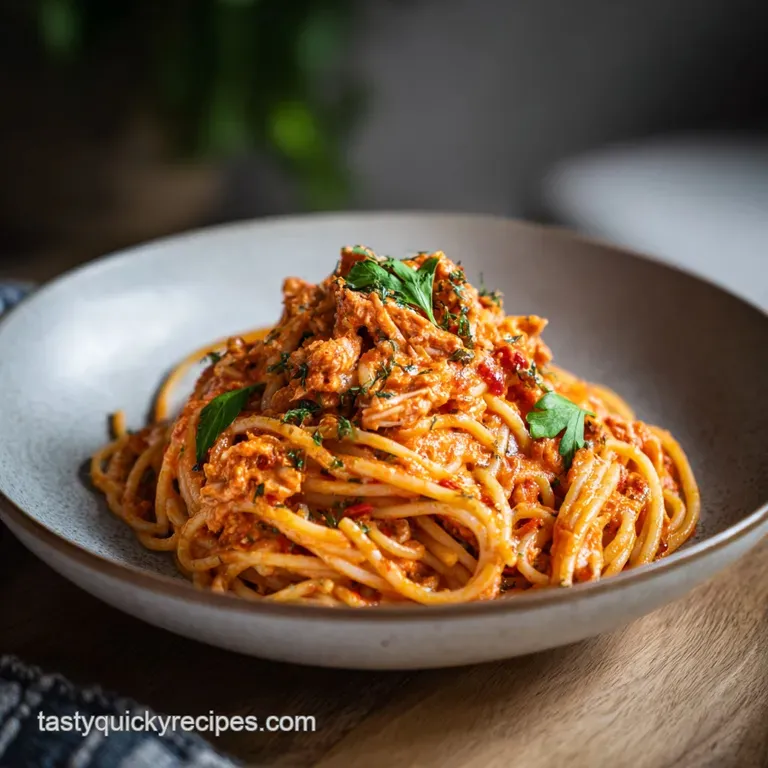
- Time: Active 10 mins, Passive 20 mins, Total 30 mins
- Flavor/Texture Hook: Savory, beefy, and velvety
- Perfect for: Juggling weeknight chaos and family table gatherings
- Mastering the Fast and Flavorful One Pot Spaghetti
- The Science Behind Silky Sauces
- Kitchen Specs and Quick Metrics
- Components for Depth and Texture
- The Minimalist Tool Kit List
- Step-by-Step Cooking Process
- Avoiding Common Culinary Pitfalls
- Smart Dietary and Lifestyle Tweaks
- Scaling for Growth or Small Tables
- Searing and Liquid Realities
- Freezing and Efficient Reheating Tips
- Complementary Sides and Pairings
- High in Sodium
- Recipe FAQs
- 📝 Recipe Card
Mastering the Fast and Flavorful One Pot Spaghetti
The kitchen was a total disaster zone the first time I attempted a true One Pot Spaghetti. I had a toddler tugging at my apron strings and a sink already overflowing with breakfast dishes I hadn’t touched.
The thought of boiling a massive pot of water, only to lug it across the kitchen to drain it while dodging a small human, felt like an Olympic sport I wasn't trained for. I decided to just throw the dry noodles directly into the bubbling meat sauce, half expecting a gummy, clumped up mess that we’d end up throwing away.
Instead, something almost magical happened in that deep skillet. As the liquid bubbled away, the kitchen filled with a rich, concentrated aroma of toasted garlic and sweet tomatoes that smelled far more intense than my usual method.
When I lifted the lid, the noodles hadn't just cooked; they had absorbed the actual soul of the sauce. It was the first time my kids didn't ask for extra butter or cheese because the flavor was already locked inside the pasta itself. It was a total win for my sanity and our Tuesday night routine.
Trust me, once you realize that you don't need a separate colander or a second burner, you'll never go back to the old way. This isn't just a shortcut; it's a better way to build depth.
We are talking about a velvety sauce that naturally thickens without cornstarch or heavy creams, all thanks to the humble starch living inside your spaghetti. Right then, let's crack on with how you can pull this off without a single noodle sticking to the bottom of the pan.
The Science Behind Silky Sauces
Starch Emulsification: When pasta cooks in a large pot of water, the starch washes away into the sink; here, it stays in the pan to act as a natural thickener that binds the fats and liquids into a glossy coating.
This creates a cohesive texture that mimics a restaurant style emulsion without extra effort.
Maillard Concentration: Searing the 450g of lean beef directly in the pot before adding liquids creates browned bits (fond) that dissolve into the sauce, providing a deep savory foundation. This avoids the washed out flavor often found in boiled pasta dishes.
Hydration Equilibrium: The 710ml of beef broth provides exactly enough moisture for the noodles to reach al dente while the 680g of crushed tomatoes reduce into a thick concentrate. This precise ratio ensures the pasta is cooked through without leaving the dish watery or soup like.
| Cooking Method | Total Time | Texture Result | Best Use Case |
|---|---|---|---|
| Traditional Pot | 25 mins | Slippery, separate | When using very delicate sauces |
| One Pot Method | 30 mins | Velvety, integrated | Fast family weeknight meals |
| Instant Pot | 20 mins | Softer, uniform | Hands off, batch cooking |
The transition from boiling water to the absorption method is a total shift in how you think about moisture. Much like the technique used in our Chicken Spaghetti Recipe, the goal is to keep every drop of flavor in the pan rather than pouring it down the drain. By letting the spaghetti "drink" the beef broth and tomato juices, you are flavoring the grain from the inside out, which is something a simple 2 minute toss in a pan can never achieve.
Kitchen Specs and Quick Metrics
To ensure your One Pot Spaghetti comes out perfectly every single time, you need to keep an eye on a few specific indicators during the process. These metrics are the difference between a clumped mess and a professional grade dinner.
- Checkpoint 1 (Liquid level): After adding the noodles, the 710ml of beef broth and 680g of tomatoes should just barely cover the submerged pasta.
- Checkpoint 2 (The Hiss): When you add the minced garlic to the hot oil, it should sizzle immediately but not turn brown for at least 30 seconds.
- Checkpoint 3 (Internal Temp): If you’re worried about the beef, it should reach 71°C (160°F) before you add any liquids to ensure it's fully cooked and safe.
Components for Depth and Texture
| Ingredient | Science Role | Pro Secret |
|---|---|---|
| 450g Spaghetti | Starch Source | Snap the noodles in half to ensure they submerge evenly in the liquid without clumping. |
| 710ml Beef Broth | Hydration Agent | Use low sodium broth to control the seasoning, as the liquid reduces and concentrates the saltiness. |
| 680g Crushed Tomatoes | Acidic Base | No sugar added tomatoes provide a bright acidity that cuts through the richness of the 90/10 beef. |
| 4 Cloves Garlic | Aromatic Depth | Mince fresh cloves rather than using the jarred stuff to get those essential oils into the fat. |
Gathering your elements before you start is vital because once the heat is on, things move fast. For this One Pot Spaghetti, we are using 450g of extra lean ground beef (90/10) to keep the dish from becoming overly greasy.
You'll also need 15ml of extra virgin olive oil, one medium yellow onion finely diced, 5g of kosher salt, and 2.5g of cracked black pepper.
The pantry staples are equally important: 5g of Italian seasoning and 5g of red pepper flakes for a subtle heat. To finish the dish with a professional flourish, have 120ml of fresh basil (chiffonade), 60g of grated Parmigiano Reggiano, and 5ml of fresh lemon juice ready to go.
The lemon juice might seem odd, but that tiny bit of acid at the end makes the whole pot sing.
- Extra lean ground beef: Sub with ground turkey (adds a lighter flavor, use a splash more oil).
- Dry spaghetti noodles: Sub with linguine (requires 2 minutes more cook time due to thickness).
- Beef broth: Sub with vegetable broth (milder flavor, less "meaty" depth).
- Crushed tomatoes: Sub with tomato sauce (smoother texture, less chunky).
- Parmigiano Reggiano: Sub with Pecorino Romano (saltier and more pungent).
- Fresh basil: Sub with 2 tsp dried basil (add this during the simmer phase instead of at the end).
The Minimalist Tool Kit List
You really don't need a pantry full of gadgets for this. A wide, deep skillet or a 5 liter Dutch oven is your best friend here. You want something with plenty of surface area so the noodles can lay flat.
A sturdy wooden spoon is also non negotiable for scraping those delicious browned bits off the bottom of the pan that's where the flavor lives.
- 5 Liter Dutch Oven: Provides even heat distribution and enough depth for the liquid to bubble without splashing.
- Wooden Spatula: Essential for breaking up the 450g of beef into fine crumbles.
- Fine Microplane: Perfect for grating the Parmigiano Reggiano so it melts instantly into the sauce.
step-by-step Cooking Process
- Sear the aromatics. Heat the 15ml of olive oil in your pot over medium high heat. Add the diced onion and sauté for 4 minutes until translucent and fragrant.
- Brown the beef. Add the 450g of ground beef to the pot. Use your wooden spoon to break it apart until no pink remains and it begins to sizzle. Note: This creates the savory base flavor.
- Infuse the spices. Stir in the 4 cloves of minced garlic, salt, pepper, Italian seasoning, and red pepper flakes. Cook for 1 minute until the garlic smells rich and toasted.
- Deglaze the pan. Pour in a splash of the 710ml beef broth. Scrape the bottom of the pot with your spoon until all the browned bits are dissolved.
- Build the liquid base. Add the remaining beef broth and the 680g of crushed tomatoes. Stir well to combine the ingredients into a uniform sauce.
- The pasta submerge. Snap the 450g of spaghetti in half and add it to the pot. Press the noodles down until they are completely covered by liquid.
- Simmer and soften. Bring the pot to a boil, then reduce the heat to medium low. Cover with a lid and simmer for 12 minutes until the noodles are tender but still have a bite.
- Agitate the starch. Every 3 minutes, remove the lid and give the pasta a vigorous stir. This prevents sticking and helps the sauce become velvety and thick.
- The final emulsion. Turn off the heat. Stir in the 5ml of lemon juice and half of the Parmigiano Reggiano until the sauce looks glossy.
- The finish. Fold in the fresh basil chiffonade just before serving until the green leaves slightly wilt into the red sauce.
Avoiding Common Culinary Pitfalls
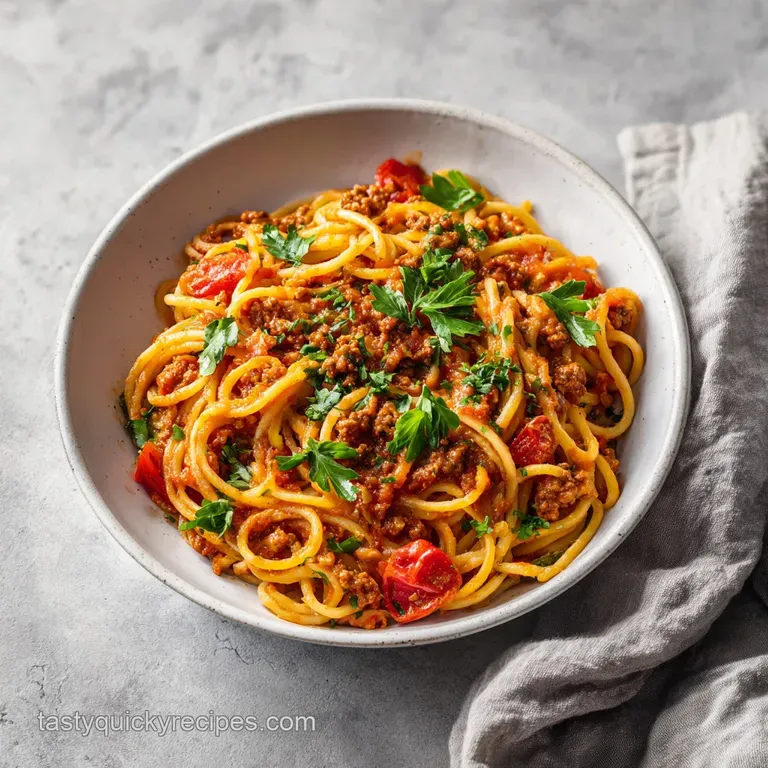
Fixing Gummy Spaghetti Noodles
If your noodles feel sticky or gummy, it usually means there wasn't enough agitation early in the cooking process. Pasta releases a lot of starch in the first few minutes of hitting hot liquid. If you don't stir it, those starches bond the noodles together into a "clump."
| Problem | Root Cause | Solution |
|---|---|---|
| Crunchy Noodles | Insufficient liquid | Add 60ml of hot water and simmer covered for 3 more minutes. |
| Bland Sauce | Under seasoned beef | Add a pinch more salt or a dash of Worcestershire sauce at the end. |
| Watery Sauce | Lid kept on too long | Remove the lid and simmer on high for 2 minutes to evaporate excess moisture. |
The liquid to noodle ratio is the most frequent stumbling block for beginners. If you find the pot is looking more like a soup than a pasta dish at the 10 minute mark, don't panic. Simply remove the lid, turn the heat up slightly, and let the steam carry away that extra water.
The sauce will tighten up significantly as it cools for a minute or two before serving.
✓ Use a pot that is wider than it is tall to give the noodles room to breathe. ✓ Don't skip the "snap" - breaking the noodles in half prevents them from tangling into a ball. ✓ Stir every 3 minutes like it's your job; this is the secret to that velvety texture.
✓ Always use low sodium broth so you can control the final salt level yourself. ✓ Add the fresh herbs at the very last second to keep their flavor bright and punchy.
Smart Dietary and Lifestyle Tweaks
One Pot Spaghetti Vegetarian
To make a meatless version of this dish, swap the ground beef for 450g of finely chopped cremini mushrooms or a plant based crumble. You'll want to use vegetable broth instead of beef broth.
Mushrooms provide a similar "umami" hit, but make sure to sauté them until they have released all their water and turned golden brown before adding the liquids.
One Pot Spaghetti Instant Pot
If you’re truly short on time, use the sauté function to brown the beef and onions. Add the remaining ingredients (except the cheese and basil), ensuring the noodles are submerged. Set to High Pressure for 8 minutes, followed by a quick pressure release.
Stir vigorously at the end to emulsify the starches.
| Ingredient Quality | Shortcut Version | Fresh Version | Difference |
|---|---|---|---|
| Garlic | Jarred Milled | Fresh Cloves | Fresh is much more pungent and aromatic. |
| Cheese | Green Can Shaker | Grated Parmigiano | Fresh melts better and has a complex, nutty finish. |
| Herbs | Dried Flakes | Fresh Basil | Fresh adds a bright, peppery lift that dried can't match. |
If you are looking for another quick pasta fix that uses a similar logic, my Marry Me Pasta recipe is a fantastic alternative that leans more into cream and sundried tomatoes. Both recipes rely on that single pan efficiency that makes weeknight cooking actually enjoyable rather than a chore.
Scaling for Growth or Small Tables
When you need to feed a crowd, doubling this recipe is straightforward, but you have to watch the pot size. For 10 servings (900g of pasta), use an 8 liter stockpot. Do not simply double the liquids; start with 1.3 liters of broth and add more only if the noodles look dry.
The larger volume of food retains more steam, so you need slightly less liquid than a direct 2x calculation would suggest.
Scaling down for two people is even easier. Use 225g of beef and 225g of pasta. Reduce the broth to 350ml and keep the tomatoes at about 300g. Use a smaller 25cm skillet so the liquid is deep enough to cover the noodles.
Cooking time remains largely the same, about 10 to 12 minutes for the simmer, because the thickness of the spaghetti hasn't changed.
Searing and Liquid Realities
A common myth is that searing meat "seals in the juices." In reality, moisture loss happens regardless of the sear. The reason we brown the 450g of beef so aggressively is for the Maillard reaction, which creates hundreds of new flavor compounds.
That dark crust on the beef is what gives the sauce its "cooked all day" flavor in just 30 minutes.
Another misconception is that you must use a massive amount of water to cook pasta. The "pasta water" myth suggests the noodles need room to swim. In this One Pot Spaghetti, we prove the opposite: a concentrated liquid environment actually improves the final dish by keeping the starches focused.
As long as you stir frequently to prevent sticking, the noodles will cook perfectly in a fraction of the liquid.
Freezing and Efficient Reheating Tips
Storage: This spaghetti keeps beautifully in the fridge for up to 4 days. In fact, many people (myself included) think it tastes even better the next day because the flavors have had more time to meld. Store it in an airtight glass container to prevent the sauce from staining your plastic ware.
Freezing: You can freeze this for up to 3 months. However, be aware that pasta can become a bit softer after thawing. To combat this, cook the pasta to a very firm al dente if you know you’re making a batch specifically for the freezer. Thaw overnight in the fridge before reheating.
Zero Waste: Don't throw away those herb stems! The woody ends of the basil can be tossed into the pot while the sauce simmers to extract extra flavor just fish them out before serving.
If you have leftover sauce but no noodles, it makes a killer topping for a baked potato or a base for a quick shakshuka the next morning.
Complementary Sides and Pairings
Because this dish is quite rich and savory, it pairs best with something bright and crunchy. A simple arugula salad with a lemon vinaigrette or some roasted broccoli with chili flakes works wonders. If you have an extra 25 minutes, you might even consider making a Tuscan Chicken Pasta recipe side-by-side if you're hosting a larger dinner party with multiple options.
- Garlic Bread: Use a crusty baguette to soak up the leftover starch thickened sauce at the bottom of the bowl.
- Red Wine: A medium bodied Chianti or Sangiovese has enough acidity to cut through the beef and tomatoes.
- Vegetable Side: Roasted zucchini spears with a sprinkle of dried oregano.
The beauty of the One Pot Spaghetti is that it truly is a complete meal on its own. It’s got your protein, your carbs, and your veggies all in one beautiful, messy pile. It’s the kind of food that invites people to lean in, grab a fork, and just enjoy the conversation without worrying about who is doing the mountain of dishes later.
After all, you’ve only got one pan to wash! Enjoy the extra time you just clawed back into your evening.
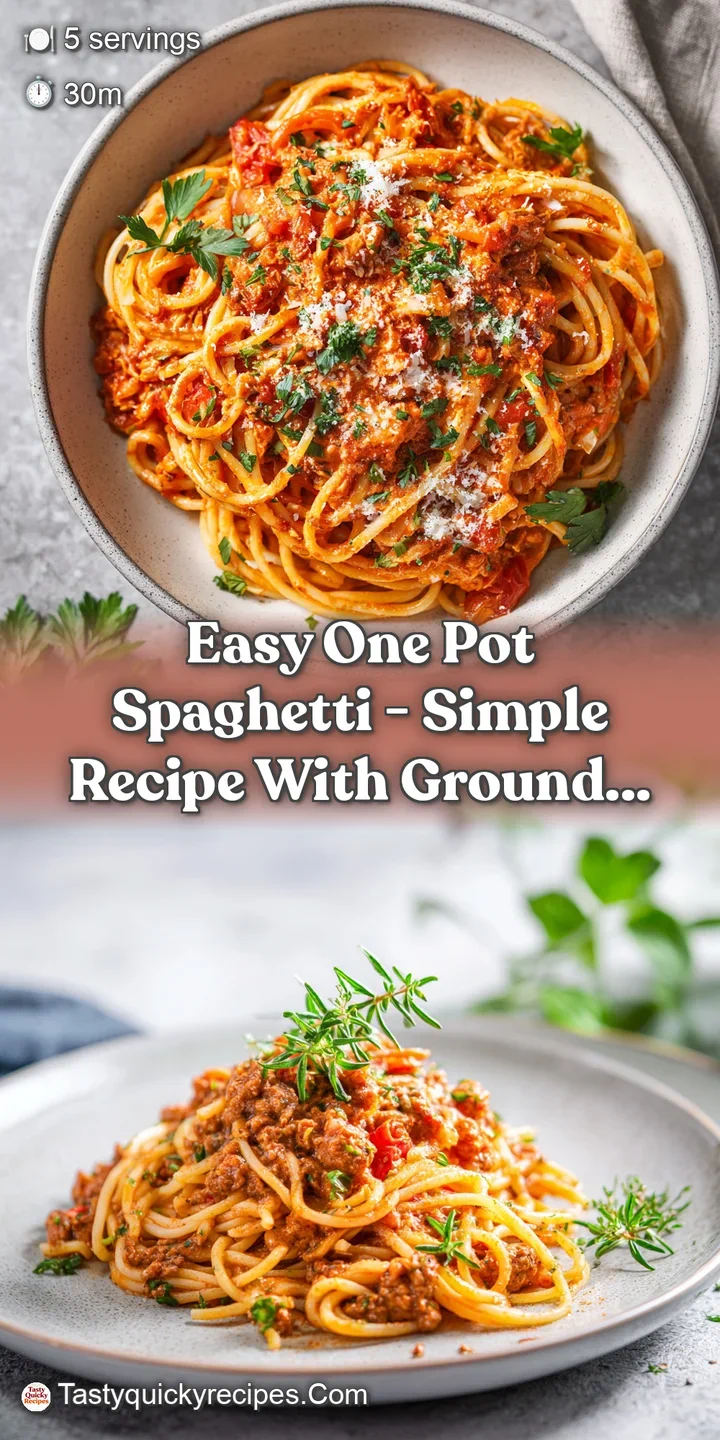
High in Sodium
845 mg mg of sodium per serving (37% of daily value)
The American Heart Association recommends limiting sodium intake to about 2,300mg per day for optimal health.
Tips to Reduce Sodium in Your Spaghetti Recipe
-
Swap Broth-30%
Replace the 710ml low-sodium beef broth with an equal amount of no-sodium added beef broth or even water. This simple swap can significantly cut down on the overall sodium content.
-
Reduce Added Salt-25%
Decrease the amount of kosher salt from 5g to 2.5g. Taste the sauce as it simmers and adjust seasoning as needed. You may not even miss the extra salt!
-
Rinse Tomatoes-20%
Drain and rinse the 680g of crushed tomatoes before adding them to the sauce. This helps to wash away excess sodium that may be present from the canning process. Consider fresh tomatoes if available and in-season for even lower sodium.
-
Less Cheese, Please-15%
Reduce the amount of grated Parmigiano Reggiano from 60g to 30g per serving, or consider a lower sodium cheese alternative. Serve cheese on the side to control portion sizes.
-
Spice It Up!
Experiment with sodium free herbs and spices such as oregano, thyme, or bay leaf to enhance the flavor of your spaghetti sauce without adding sodium.
Recipe FAQs
What is the main advantage of the one-pot method over traditional boiling?
Maximum flavor integration. The pasta cooks directly in the sauce liquid, allowing the starch released from the noodles to naturally thicken and bind the sauce, resulting in a cohesive and velvety texture.
How do I prevent the spaghetti noodles from sticking together in the pot?
Stir vigorously every 3 minutes once the pasta is submerged. This agitation is crucial because it keeps the noodles separated as the starch releases, much like the careful mixing needed when making our Classic Pasta Dinner recipe.
Can I use a different type of pasta, like penne, in this one-pot recipe?
Yes, but adjust the cooking time significantly. Thicker or denser shapes like penne or rigatoni require more liquid and longer simmering times; always test for doneness rather than strictly following the spaghetti time.
Is it necessary to brown the ground beef completely before adding liquids?
Yes, browning is non-negotiable for deep flavor. The dark crust created on the beef through searing develops savory compounds via the Maillard reaction, which forms the backbone of the sauce.
How should I adjust the liquid if I am doubling the recipe?
Do not double the liquid exactly; reduce it slightly. Larger volumes retain more steam, so instead of 2x the broth, aim for about 1.8x the original amount to prevent the final dish from being too soupy.
What is the best way to ensure the sauce remains glossy and not dull after cooking?
Finish off-heat with acid and cheese. Stir in grated Parmigiano Reggiano and a tiny splash of lemon juice right as you turn off the burner; this final step creates a beautiful, stable emulsion.
What can I substitute for beef broth to make this recipe vegetarian?
Use a high-quality vegetable broth or mushroom stock. If you substitute the beef, consider adding dried shiitake mushrooms to the initial sauté to help rebuild some of that lost umami depth, similar to how we build flavor in the Beef Ramen Noodles recipe.
One Pot Spaghetti Recipe
Ingredients:
Instructions:
Nutrition Facts:
| Calories | 606 kcal |
|---|---|
| Protein | 33.8 g |
| Fat | 11.7 g |
| Carbs | 79.6 g |
| Fiber | 4.8 g |
| Sugar | 6.5 g |
| Sodium | 845 mg |
