No Bake Protein Balls Recipe
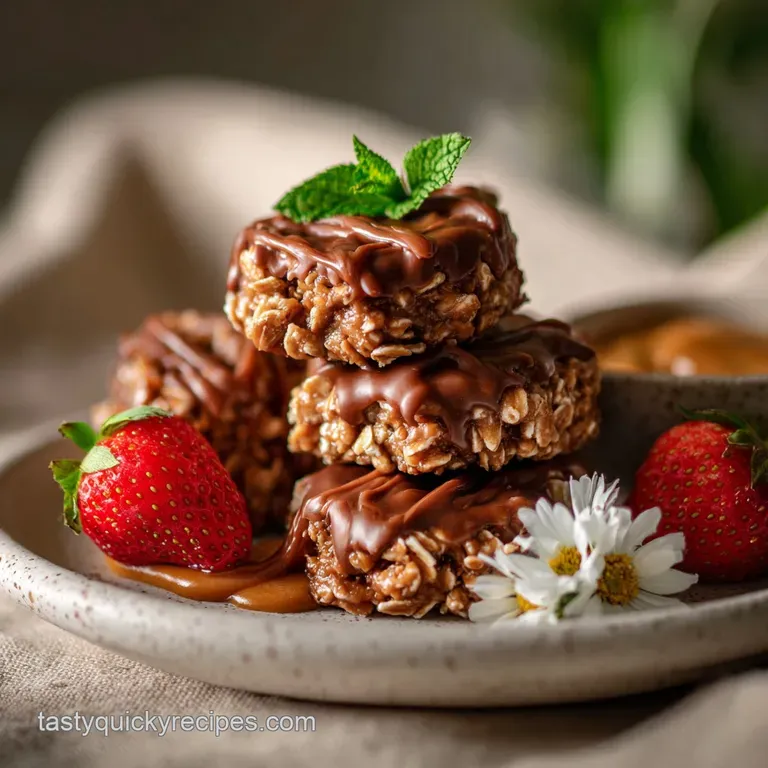
- Time: Active 15 minutes, Passive 30 mins, Total 45 minutes
- Flavor/Texture Hook: Tacky, fudgy center with a satisfyingly chewy oat finish
- Perfect for: Busy mornings, pre workout fuel, or wholesome school lunches
- Energize Your Mornings with Wholesome Protein Balls
- The Chemistry Behind Binding Fibers and Fats
- Ingredient Component and Pro Secret Analysis
- Essential Pantry Staples for Your Energizing Snacks
- The Right Tools for Shaping Breakfast Treats
- Aroma Guided Step by Step Assembly Process
- Fixing Texture Flaws for Chewy Results
- Customizing Flavor with Wholesome New Additions
- Adjusting Batch Sizes for Your Busy Week
- Keeping Your Morning Snacks Fresh and Ready
- Pairing Ideas to Complete Your Balanced Meal
- Breakfast Snack Myths and Misconceptions
- Clarifying Common Prep and Nutrition Concerns
- Recipe FAQs
- 📝 Recipe Card
Energize Your Mornings with Wholesome Protein Balls
Imagine walking into your kitchen and being hit with the scent of toasted oats mixed with deep, floral vanilla. That is the smell of a productive morning. I used to be the person grabbing a $4 processed bar at the gym, only to feel sluggish twenty minutes later.
Honestly, most of those "healthy" snacks are just candy bars in disguise, packed with syrups I can barely pronounce. Once I started making my own protein balls, everything changed.
We are looking for that specific feeling of waking up and having a snack ready that actually fuels your brain. These bites are dense, slightly salty, and have just enough sweetness from the Medjool dates to make you think you're eating cookie dough.
But instead of a sugar spike, you get a slow release of energy that carries you through your 10 am meeting.
The best part about this recipe is how forgiving it is. I have messed this up in every way possible, from making them too dry to having them turn into a sticky mess on my palms. I have done the legwork so you don't have to.
We are going to focus on the textures today, ensuring every bite is as satisfying as it is nourishing.
The Chemistry Behind Binding Fibers and Fats
Making these snacks is less about cooking and more about structural engineering. You need to balance the dry weight of the oats against the moisture of the nut butter and honey. If the ratio is off, you end up with a bowl of crumbles or a jar of goo.
- Polysaccharide Hydration: Rolled oats act like tiny sponges, soaking up the oils from the peanut butter and moisture from the honey to soften without becoming mush.
- Lipid Emulsification: The fats in the natural peanut butter create a creamy matrix that traps the protein powder, preventing that chalky mouthfeel.
- Fructose Adhesion: Honey and dates act as the primary glue, using their high sugar concentration to create sticky bonds between the larger oat flakes.
- Protein Denaturation: When the protein powder meets the almond milk, it partially hydrates, creating a thicker, fudgy consistency that holds the ball shape.
Ingredient Component and Pro Secret Analysis
| Ingredient | Science Role | Pro Secret |
|---|---|---|
| 180g Rolled Oats | Structural base | Pulse half the oats in a blender for a smoother, less "grainy" texture. |
| 250g Peanut Butter | Primary binder | Use "drippy" natural peanut butter with only salt and peanuts for better mixing. |
| 60g Medjool Dates | Natural adhesive | Soak in warm water for 5 minutes if they feel tough before mashing. |
| 60g Protein Powder | Nutritional density | Use a whey casein blend for a thicker, more dough like consistency. |
Essential Pantry Staples for Your Energizing Snacks
To get that classic, wholesome flavor, we need to be picky about our elements. I always reach for Bob’s Red Mill Old Fashioned Rolled Oats because they hold their shape better than the quick cooking kind.
For the peanut butter, something like Jif Natural or a store brand creamy version works best because it has the right oil to solid ratio.
- 180g Rolled Oats: These provide the bulk and the chew. Why this? They offer slow digesting carbs for sustained morning energy.
- 60g Protein Powder: I prefer vanilla or unflavored. Why this? Adds satiety and helps with the dough like texture.
- 15g Chia Seeds: These add a little crunch. Why this? They absorb excess moisture and add Omega-3s.
- 250g Natural Creamy Peanut Butter: Our main fat source. Why this? It provides the "tack" needed to keep everything together.
- 85g Honey or Maple Syrup: The liquid sweetener. Why this? Maple syrup offers a more floral, morning focused aroma.
- 60g Medjool Dates: Pitted and mashed into a paste. Why this? Adds a rich, caramel like depth that honey alone lacks.
- 45g Mini Dark Chocolate Chips: I like Enjoy Life brand. Why this? Minis distribute better so you get a hit in every bite.
- 5ml Nielsen Massey Pure Vanilla Extract: For that bakery scent. Why this? high-quality vanilla cuts through the "dusty" protein taste.
- 2g Sea Salt: Just a pinch. Why this? It balances the sugars and makes the chocolate pop.
- 15ml Almond Milk: Use only if the mixture is too dry. Why this? Adds just enough hydration to bind the last few crumbs.
If you find yourself making these often, you might start looking for other ways to use these ingredients. For example, the same peanut butter and oats technique is a staple in many Cookie Recipes that focus on texture over sugar.
The Right Tools for Shaping Breakfast Treats
You don't need a professional kitchen for this, but a few specific items make the process much less messy. I swear by my Cuisinart 14 Cup Food Processor for the dates, though a fork and some elbow grease work too.
- Large Glass Mixing Bowl: Gives you room to fold the heavy dough without spilling.
- Digital Kitchen Scale: This is non negotiable for protein balls. Volume measurements for peanut butter are notoriously inaccurate.
- Small Cookie Scoop: A 1 tablespoon scoop ensures every ball is the same size, which helps with portioning.
- Silicone Spatula: Necessary for scraping the sticky honey and peanut butter out of measuring cups.
- Parchment Paper: To line your tray so the balls don't stick while they set in the fridge.
Aroma Guided step-by-step Assembly Process
- Toast the oats. Place the 180g oats in a dry Lodge Cast Iron Skillet over medium heat for 5 minutes. Cook until you smell a nutty, popcorn like aroma.Note: This removes the raw grain taste.
- Process the dates. Pulse the 60g pitted Medjool dates in a food processor until they form a thick, sticky paste.
- Combine dry ingredients. Whisk the toasted oats, 60g protein powder, 15g chia seeds, and 2g sea salt in your large bowl.
- Melt the binders. Microwave the 250g peanut butter and 85g honey for 20 seconds. Wait until the scent of warm honey fills the air.Note: Warm fats mix much more easily into dry oats.
- Add the aromatics. Stir the 5ml vanilla extract into the warm peanut butter mixture.
- Fold the mixtures. Pour the wet ingredients and the date paste into the dry bowl.
- Incorporate chocolate. Add the 45g mini chips once the mixture has cooled slightly. Observe the chips softening but not fully melting.
- Check the hydration. If the dough is crumbly, add the 15ml almond milk one teaspoon at a time.
- Shape the balls. Scoop about 30g of dough and roll between your palms. Feel for a tacky, firm texture that doesn't leave grease on your hands.
- Set the structure. Place on parchment and refrigerate for 30 minutes. Wait until the balls feel solid and cold to the touch.
Fixing Texture Flaws for Chewy Results
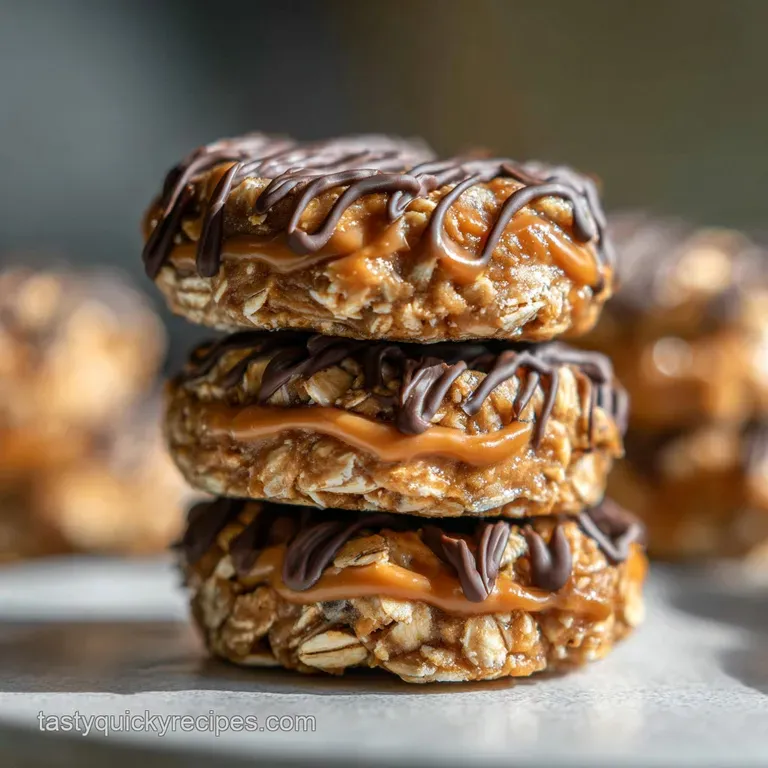
Sometimes the protein powder you use is more absorbent than others, or your peanut butter is a bit too dry at the bottom of the jar. Don't panic if the texture isn't right on the first try.
Rescuing Overly Sticky Dough
If the mixture is clinging to your hands like glue, you likely have too much honey or your peanut butter was very oily. The fix is simple: add more oats. Do this 10 grams at a time. You want the dough to be tacky, not slimy.
If you've run out of oats, a tablespoon of flax meal can also save the day by soaking up those excess oils.
Rectifying a Crumbly Texture
This usually happens when using a very "chalky" plant based protein powder. It sucks the moisture right out of the binders. If your balls are falling apart as you roll them, add more peanut butter or a splash of milk.
| Problem | Cause | Fix |
|---|---|---|
| Falling apart | Too many dry oats/powder | Add 1 tsp almond milk or extra PB. |
| Too soft to roll | Over heated honey/oils | Chill the entire bowl for 20 mins before rolling. |
| Gritty mouthfeel | Raw, large oat flakes | Pulse half the oats in a blender before mixing. |
Chef's Note: If you want a truly decadent experience, try adding a tiny sprinkle of flaky salt on top of each ball right before they go into the fridge. It cuts through the density of the peanut butter beautifully.
Customizing Flavor with Wholesome New Additions
Once you have the base down, you can play around with the flavor profile. I often swap the chocolate chips for dried cranberries if I want something more tart in the morning.
- The Tropical Morning: Swap peanut butter for almond butter and add 20g of shredded coconut.
- The Espresso Kick: Add 2g of instant espresso powder to the dry mix. This is my favorite for Monday mornings.
- The Nut Free Lunch: Use sunflower seed butter (SunButter) and hemp hearts instead of chia seeds.
If you are a fan of the peanut butter and chocolate combo, these flavors are quite similar to my Peanut Butter Cookies recipe, just without the baking time.
Mastering Nut Free Variations
To make these safe for schools, sunflower seed butter is your best friend. It has a slightly more earthy, toasted flavor than peanut butter. Be aware that sunflower butter can sometimes react with baking soda to turn green, but since this is a no bake recipe, you won't have that "science experiment" surprise in your snack container.
Sizing for Consistent Results
I highly recommend using a scale for the first few you roll. Aim for 30 grams per ball. This ensures they fit perfectly into standard snack containers and that the nutritional info stays accurate. If they are too big, they can feel a bit heavy as a quick snack; too small, and they dry out faster.
Adjusting Batch Sizes for Your Busy Week
Scaling this recipe is straightforward because there is no chemical leavening involved. If you are prepping for a large family or a long hiking trip, you can easily double the batch.
- Scaling Up (2x): You can double everything exactly. However, I suggest adding the almond milk last and very slowly. Large batches of dough can sometimes hold moisture differently, and you don't want to end up with 40 soggy balls.
- Scaling Down (1/2): This is perfect if you just want a few treats for the next two days. Use a small bowl to ensure the peanut butter and honey don't just get lost on the sides of a large container.
| Method | Benefit | Drawback |
|---|---|---|
| Stovetop (Toast Oats) | Deeper, nuttier flavor | Takes an extra 5 minutes of active work. |
| Oven (Toast Oats) | Even browning for large batches | Easy to burn if you aren't watching closely. |
Keeping Your Morning Snacks Fresh and Ready
Because these contain natural nut butters and no preservatives, they don't love sitting on the counter for long periods.
- Fridge: Keep them in an airtight container for up to 1 week. The texture actually improves after the first 24 hours as the oats fully hydrate.
- Freezer: These freeze beautifully for up to 3 months. I actually prefer eating them straight from the freezer on hot mornings; they get a fudgy, truffle like texture that is incredible.
- Zero Waste Tip: If you have leftover crumbs at the bottom of the bowl that won't roll into a ball, don't toss them! Save them in a jar and use them as a "protein granola" topping for your morning yogurt or oatmeal.
Pairing Ideas to Complete Your Balanced Meal
While these are great on their own, I love serving them as part of a larger breakfast spread. If you're hosting a brunch, they look beautiful stacked on a platter next to fresh berries.
- The Power Breakfast: Serve two protein balls alongside a green smoothie.
- The Savory Balance: Pair them with a hard boiled egg to offset the sweetness of the dates.
- The Weekend Spread: These make a great side for a hearty sandwich made with my Sourdough Buns recipe.
Breakfast Snack Myths and Misconceptions
One of the biggest myths is that you need "special" expensive protein powder for these to work. That is simply not true. While a high-quality powder tastes better, even a basic store brand vanilla whey will bind these together. The flavor mostly comes from the peanut butter and dates anyway.
Another misconception is that "no bake" means "no effort." While you aren't turning on the oven, the chilling step is vital. If you skip the 30 minute fridge rest, the balls will likely flatten into discs or feel unpleasantly greasy.
The cold helps the fats in the peanut butter solidify, which gives the snack its structural integrity.
Clarifying Common Prep and Nutrition Concerns
Avoid Expensive Juice Bar Prices
Why pay $4 for a single energy bite when you can make 20 of them at home for a fraction of the cost? Buying oats and peanut butter in bulk makes these one of the most cost effective healthy snacks in your rotation. Plus, you control the quality of the chocolate and the amount of salt.
Selecting Alternative Nut Butters
You can absolutely use almond, cashew, or even tahini. Just keep in mind that tahini is much more fluid, so you might need to increase the oat count by 20-30 grams to keep the balls from sagging. Almond butter tends to be grittier, which some people actually prefer for the extra texture.
Preparing the Date Paste Ahead
If you're planning a big batch for the month, you can process a whole container of dates at once. Store the paste in the fridge for up to two weeks. It makes the actual "mixing day" go by in about five minutes.
Just make sure you're using Medjool dates; Deglet Noor dates are often too dry and fibrous to create that smooth, caramel like binder we need here.
Recipe FAQs
How to make protein balls?
Combine binders and dry ingredients. Mix your wet elements like peanut butter and honey until smooth, then fold in the dry components such as oats and protein powder until a thick, uniform dough forms.
How to make protein balls with oats?
Pulse half the oats first. For the best texture, lightly toast all your rolled oats for a nutty flavor, then pulse about half of them in a food processor until they resemble coarse flour before mixing everything together.
How to make protein balls without peanut butter?
Yes, use sunflower seed butter or almond butter. These alternatives act as suitable primary binders, though you might need a touch more liquid like almond milk because some nut butters are drier than traditional peanut butter.
How to make protein balls without protein powder?
Increase oat or nut content significantly. You must replace the protein powder's bulk with ground flaxseed, more finely processed oats, or a high protein nut/seed butter to maintain the correct dough consistency.
How to make protein balls less dry?
Add a small amount of liquid binder. If the dough is crumbly, add liquid binder like honey or one teaspoon of almond milk at a time until the mixture just holds together when pressed.
What is the secret to binding protein ball ingredients?
The secret is temperature and fat ratio. Warming the nut butter and honey slightly helps them emulsify better with the dry goods; if you mastered this texture control, you will also master the spread in our Chocolate Chip Cookies: The Ultimate Chewy, Caramel Edged Recipe.
How long should protein balls chill before eating?
Chill for a minimum of 30 minutes. Refrigeration solidifies the fats, which sets the structure, preventing them from feeling greasy or falling apart when handled or bitten into.
No Bake Protein Balls Recipe
Ingredients:
Instructions:
Nutrition Facts:
| Calories | 155 kcal |
|---|---|
| Protein | 6.8 g |
| Fat | 7.8 g |
| Carbs | 16.2 g |
| Fiber | 2.1 g |
| Sugar | 9.4 g |
| Sodium | 62 mg |
