New Years Eve Food: Garlic Shrimp Dish
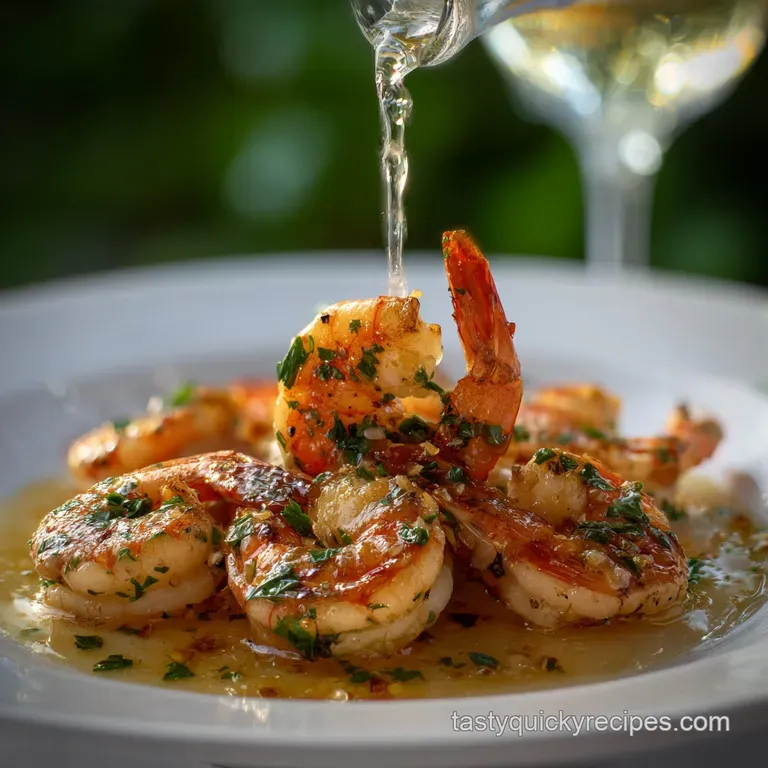
- Time: Active 15 minutes, Passive 8 minutes, Total 23 minutes
- Flavor/Texture Hook: Shatter crisp exterior with a buttery, citrus kissed finish
- Perfect for: Festive New Years Eve celebrations or high end date nights
- New Years Eve Food: Delicious Dish with Garlic Shrimp to Savor
- Essential Specs and Timing
- Curated Elements for Success
- Tools for Professional Results
- Executing the Cooking Sequence
- Avoiding Common Kitchen Pitfalls
- Creative Table Variations
- Myths About Seafood Preparation
- Storage and Reheating Tips
- Elegant Serving Strategies
- Recipe FAQs
- 📝 Recipe Card
Listen, I’ve spent way too many New Year’s Eves standing over a stove while everyone else is laughing in the other room. You know that feeling, right? You want to serve something that looks like it cost a fortune, but you also don't want to be doing dishes when the ball drops.
Ring in the new year with this delicious dish of garlic shrimp, a flavorful appetizer that's sure to be a hit. Honestly, I’ve tried the fancy lobster tails and the complicated roasts, but I always come back to this shrimp because it’s fast, punchy, and everyone loses their minds over the sauce.
The first time I made this, I made a massive mistake. I didn't dry the shrimp. Like, at all. They just sat there in the pan, boiling in their own gray juices. It was sad. But that’s how we learn, right?
I started experimenting with baking soda and higher heat, and suddenly, I had that "snap" you usually only get at high end steakhouse bars. It’s all about the prep flow. We’re juggling a lot on a holiday, so having a 23 minute win in your back pocket is basically a necessity.
We aren't just making "shrimp with garlic" here. We’re building a pan sauce using the fond those little brown bits stuck to the bottom of the pan and deglazing with champagne because, well, it’s New Year's Eve!
Trust me, the difference between a good dish and a great one is that hit of acid and the cold butter emulsification at the very end. Let's get into how we make this happen without breaking a sweat.
New Years Eve Food: Delicious Dish with Garlic Shrimp to Savor
The magic happens when the heat hits the pan. You want to hear that aggressive sizzle the second the shrimp touch the oil. If it's a soft hiss, your pan isn't hot enough. We are looking for that Maillard reaction to create a golden brown crust while keeping the inside silky and tender.
The Science of Why it Works The addition of baking soda slightly raises the pH level of the shrimp, which keeps them plump and juicy while accelerating the Maillard reaction for better browning.
Simultaneously, the alcohol in the champagne acts as a solvent, pulling out fat soluble flavor compounds from the garlic and red pepper that water alone could never reach.
Chef's Tip: Put your garlic through a microplane instead of mincing it if you want the flavor to permeate the sauce instantly. Also, keep your butter in the freezer for 10 minutes before you start; the colder it is when it hits the pan, the more stable your emulsion will be.
If you are planning a full spread, check out this New Years Eve recipe for a steak that pairs beautifully with these shrimp. It’s a classic surf and turf vibe that feels incredibly intentional without requiring a culinary degree.
| Component | Science Role | Pro Secret |
|---|---|---|
| Baking Soda | Protein modifier | Keeps shrimp from shrinking and turning rubbery |
| Champagne | Acid & Sugar | The residual sugars caramelize during the reduction phase |
| Chilled Butter | Emulsifier | Creates a glossy, thick sauce that doesn't feel greasy |
Essential Specs and Timing
When we're talking about jumbo shrimp, size really does matter for the cook time. I use the 16/20 count because they are big enough to be a meal but small enough to cook through in under three minutes. If you go smaller, you risk overcooking them before the garlic even has a chance to turn golden.
The timing on this is fast. You’ve got about an eight minute window from the time the first shrimp hits the oil to the time you’re garnishing with parsley. This is why I always tell my friends to have the table set and the wine poured before the heat goes on.
Once that champagne hits the pan and starts bubbling away, you are in the home stretch.
For more inspiration, I love browsing this list of 33 Main Dishes recipe options. It helps me visualize how to balance the plate, maybe adding some crusty bread to soak up every last drop of that garlic butter.
Curated Elements for Success
We are using 1 lb jumbo shrimp (16/20 count). Make sure they are peeled and deveined but keep those tails on. They act as a little handle if you're serving these as party food, and they actually add a bit of deep seafood flavor to the oil as they cook.
| Original Ingredient | Substitute | Why It Works |
|---|---|---|
| 1/2 cup Champagne | Dry White Wine (Pinot Grigio) | High acidity cuts through the butter fat. Note: Lacks the brioche notes of champagne |
| 1 large shallot | Red Onion (finely minced) | Provides the same aromatic base but with a slightly sharper bite |
| 6 cloves garlic | Garlic Confit | Adds a mellow, roasted sweetness instead of the fresh garlic punch |
Don't skimp on the 1/2 tsp kosher salt and the 1/4 tsp baking soda for the brine. That baking soda is my secret weapon. It changes the texture entirely. You also want 1 tbsp extra virgin olive oil and 2 tbsp unsalted grass fed butter.
The grass fed stuff usually has a higher fat content and a deeper yellow color, which makes the sauce look much richer.
For the heat, we use 1/2 tsp crushed red pepper flakes. It’s just enough to wake up the palate without making your guests reach for a gallon of water. Then there's the finish: 1 tbsp lemon juice, 1/2 unit lemon zest, and 1/4 cup fresh flat leaf parsley.
That hit of freshness at the end is what makes this a "delicious dish of garlic shrimp to savor" rather than just another heavy appetizer.
Tools for Professional Results
You need a large skillet, preferably stainless steel or cast iron. Non stick won't give you the same browning or "fond" that we need to build the sauce. I use a 12 inch stainless steel pan so I don't crowd the shrimp. If they are all touching, they'll steam instead of sear, and we definitely don't want that.
A good set of tongs is also non negotiable. You need to be able to flip those shrimp individually and quickly. I also recommend a microplane for the lemon zest. You want those tiny, fragrant clouds of zest, not big bitter chunks of the white pith.
If you're looking for more ways to use these tools, my make-ahead New recipe post covers all the bases for a stress free evening.
- 1. Weight
- Exactly 1 lb of shrimp to ensure the sauce to protein ratio is balanced.
- 2. Temperature
- Pan should be smoking slightly (approx. 400°F) before adding the oil.
- 3. Time
- Exactly 90 seconds per side for the initial sear.
Executing the Cooking Sequence
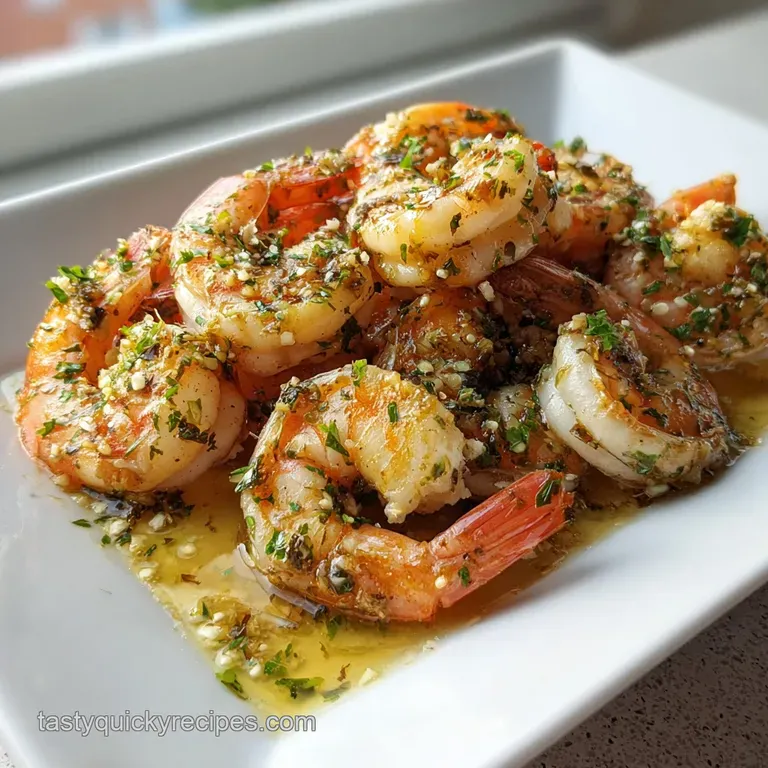
Start by tossing your 1 lb of shrimp with the salt and baking soda. Let them sit for about 15 minutes. This is your "snap brine." While they sit, dice your shallot and slice your garlic into thin chips. You want chips, not a paste, because the chips look beautiful and offer little bursts of flavor.
The Prep and Sear
Pat the shrimp bone dry with paper towels. I can’t stress this enough. Moisture is the enemy of a good sear. Heat your olive oil in the skillet over medium high heat until it shimmers.
- Sear the shrimp. Add them in a single layer. Don't touch them for 90 seconds. You want to see a golden orange crust forming on the bottom.
- Flip and color. Turn them over and cook for another 60 seconds. They should still be slightly translucent in the center don't worry, they’ll finish in the sauce. Remove them to a plate.
- Sauté the aromatics. Lower the heat to medium. Add the shallots and garlic. Stir constantly for about 2 minutes until the shallots are translucent and the garlic is fragrant but not brown.
- Deglaze with champagne. Pour in that 1/2 cup of bubbly. Use a wooden spoon to scrape up all those delicious brown bits from the bottom. Let it reduce by half.
- Emulsify the butter. Turn the heat to low. Whisk in the 2 tbsp of chilled, cubed butter one piece at a time. The sauce will turn creamy and opaque.
- Return the shrimp. Toss the shrimp back into the pan along with the lemon juice and zest.
- Finish with herbs. Stir in the fresh parsley and red pepper flakes.
- Season. Add a pinch of Maldon sea salt right before serving for that final crunch.
| Factor | Fresh Shrimp | Frozen (Thawed) |
|---|---|---|
| Texture | Firm and naturally sweet | Can be softer; requires extra drying |
| Prep Time | Requires peeling/deveining | Usually comes pre cleaned |
| Result | Best for over high heat searing | Great for weeknight versions |
Avoiding Common Kitchen Pitfalls
The biggest issue people have with this "Shrimp to Savor" is the garlic burning. Garlic has a high sugar content and goes from perfect to bitter in about ten seconds. If you see it turning dark brown, pull the pan off the heat immediately and add the champagne to stop the cooking process.
Why Your Shrimp Is Rubbery
Usually, this is a result of overcooking. Shrimp only need a few minutes of total heat. If they’ve curled into a tight "O" shape, they are overdone. You want them in a gentle "C" shape.
Why Your Sauce Broke
If your sauce looks oily and separated instead of creamy, the heat was too high when you added the butter. Butter is an emulsion of fat and water; if you boil it, that emulsion breaks. Always lower the heat before the butter hits the pan.
| Problem | Root Cause | Solution |
|---|---|---|
| Gray, limp shrimp | Too much moisture in the pan | Pat dry with paper towels and don't crowd the skillet |
| Bitter aftertaste | Burned garlic chips | Sauté aromatics on lower heat and deglaze sooner |
| Thin, watery sauce | Reduction was too short | Let the champagne bubble until it looks syrupy before adding butter |
Creative Table Variations
You can easily adapt this dish depending on what you have in the pantry. If you want a more "Quick New Years Eve dinner" feel, toss the finished shrimp and sauce with some linguine or angel hair pasta. The starch from the pasta will help the champagne butter sauce stick to every strand.
If you want X, do Y: If you want a richer flavor, add a teaspoon of white miso paste to the butter. If you want it spicier, double the red pepper flakes and add a squeeze of sriracha.
If you want it dairy-free, swap the butter for a high-quality vegan butter substitute or a splash of full fat coconut milk.
Scaling for the Whole Family
If you need to feed a crowd, don't just double everything in one pan. The shrimp will steam and become rubbery. Work in batches. Sear the shrimp in two separate rounds, then combine them at the very end when you’re making the sauce.
For the spices, only increase them by 1.5x so they don't overpower the delicate seafood.
Myths About Seafood Preparation
One thing I hear all the time is that "fresh" shrimp from the seafood counter is always better than frozen. In reality, unless you live right on the coast, most "fresh" shrimp was actually frozen on the boat and thawed at the store.
Buying them frozen yourself and thawing them in a bowl of cold water (it takes about 15 minutes) often results in a fresher product because you control the thaw time.
Another myth is that you shouldn't use "expensive" champagne for cooking. While I wouldn't use a $200 bottle of vintage Krug, using a decent Brut Cava or Champagne actually matters. The flavors concentrate as the liquid reduces.
If the wine tastes like vinegar in the glass, it will taste like concentrated vinegar in your sauce.
Storage and Reheating Tips
Shrimp is definitely best eaten immediately, but if you have leftovers, they’ll stay good in the fridge for about 2 days. Store them in an airtight container with all the extra sauce to keep them from drying out. I don't recommend freezing the cooked shrimp, as the texture becomes quite mealy once thawed.
To reheat, avoid the microwave at all costs! It will turn your beautiful shrimp into rubber erasers. Instead, put them in a small skillet over low heat with a splash of water or more wine. Cover the pan for 2 minutes just until they are warmed through.
Zero Waste Tip: Don't throw away those lemon halves after zesting and juicing. Toss them into a pot of simmering water with a cinnamon stick to make your house smell like a spa after the party is over.
You can also save the shrimp shells in a freezer bag to make a quick seafood stock for a future risotto.
Elegant Serving Strategies
Presentation is everything on New Year's Eve. I like to serve these in a shallow ceramic bowl so the sauce pools at the bottom. Garnish with a few extra cracks of black pepper and some whole parsley leaves to give it a fresh, garden look.
If you’re doing a cocktail party, serve them on a large platter with individual toothpicks. Make sure to have a separate bowl for the discarded tails. A side of toasted sourdough rubbed with a raw garlic clove is the perfect companion for soaking up that champagne butter.
It’s all about creating those little moments of indulgence that make the night feel special.
Right then, you're all set! This is the kind of recipe that makes people think you've spent hours in the kitchen when you've actually just spent twenty minutes being smart with your technique. Enjoy the bubbly, enjoy the shrimp, and most importantly, enjoy the start of a brand new year. Happy cooking!
Recipe FAQs
What is traditional to eat on New Year's Eve?
Many traditions involve foods symbolizing luck and prosperity. In some cultures, this includes round foods for good fortune, pork for progress, and seafood for wealth. Our garlic shrimp dish, with its rich sauce, can certainly contribute to a celebratory meal.
What is the best food for New Year's Eve?
The "best" food is subjective but often involves celebratory and easy-to-share dishes. Ingredients symbolizing good luck, like pork or seafood, are popular. This garlic shrimp recipe is a fantastic choice because it's quick to make, tastes luxurious, and is perfect for sharing at parties.
What are good luck traditions for New Year's Eve?
Good luck traditions often revolve around food and activities that promote prosperity and ward off bad luck. Eating specific foods like pork or lentils is common, as is avoiding certain dishes like chicken (which can "scratch away" luck).
Our recipe's use of seafood aligns with traditions associated with wealth.
What not to eat on New Year's Eve and New Year's Day?
Avoidance often stems from symbolic meanings. For instance, chicken is sometimes avoided because it's believed it might "scratch away" good fortune. Some also steer clear of lobster or crab, as they can move backward, symbolizing a step back into the past.
Our garlic shrimp recipe is a great choice, focusing on forward looking prosperity.
Can I prepare the garlic shrimp ahead of time?
While the shrimp are best cooked just before serving, some prep can be done in advance. You can mince the garlic and dice the shallots up to 4 hours ahead. The sauce components can also be measured out. This makes the final cooking process incredibly fast, ensuring your kitchen time is minimal.
What kind of shrimp should I use for this recipe?
Jumbo shrimp, specifically the 16/20 count, are ideal for this dish. Their size ensures they sear beautifully without overcooking, and the tails on add extra flavor and act as convenient handles for serving. If you're looking for more seafood inspiration, our Lobster Tail Recipe: Broiled with Garlic Butter Sauce is another elegant option.
What's the secret to the shrimp's "snap" texture?
The "snap" comes from a brief alkaline brine using baking soda before cooking. This process slightly alters the protein structure, helping the shrimp retain moisture and achieve a firmer, more pleasant texture. If you enjoy learning about ingredient transformations, you might find our approach to browning in the Slow Roasted Pork Shoulder New Year Prosperity Por: Flavor Hacked recipe interesting.
New Years Eve Garlic Shrimp
Ingredients:
Instructions:
Nutrition Facts:
| Calories | 231 kcal |
|---|---|
| Protein | 26.8 g |
| Fat | 9.4 g |
| Carbs | 2.9 g |
| Fiber | 0.4 g |
| Sugar | 0.8 g |
| Sodium | 415 mg |
