Mozzarella Burst: Stuffed Meatball Pie

- Time: Active 20 minutes, Passive 35 minutes, Total 55 minutes
- Flavor/Texture Hook: Shattering golden crust with a velvety, cheese filled core
- Perfect for: Hearty midday fueling and batch prep lunches
- Crafting the Hearty Stuffed Meatball Pie for Midday Fueling
- How Texture Impacts Your Savory Pie Success
- Analyzing the Components for a Better Bake
- Smart Shopping for High Quality Ground Meat
- The Right Tools for a Better Bake
- Mastering the Assembly of Your Meatball Pie
- Fixing Common Mistakes for a Flaky Result
- Easy Variations and Flavor Swaps
- Storing and Reheating Your Savory Pie
- Satisfying Side Dishes for a Hearty Midday
- Very High in Sodium 🚨
- Recipe FAQs
- 📝 Recipe Card
Crafting the Hearty Stuffed Meatball Pie for Midday Fueling
The first time I pulled a Stuffed Meatball Pie out of the oven, the aroma of toasted oregano and seared beef filled my kitchen so quickly I didn't even wait for it to cool before slicing.
That first bite was a revelation, the way the mahogany crust of the meatball gave way to a molten mozzarella center, all wrapped in a crust that actually shattered when my fork hit it.
I used to think savory pies were just for leftovers, but this dish is a deliberate, hearty construction designed to keep you feeling full and energized through the busiest afternoon.
The secret to this whole operation isn't some fancy technique, it's the humble ground pork. While most people reach for just beef, I've learned that ground pork is the absolute hero of a satisfying meatball.
It brings a velvety fat content that beef alone lacks, preventing the meatballs from becoming dry or rubbery once they're encased in dough. Without that pork, you’re just eating a dense ball of protein; with it, you have a succulent, melt in-the mouth experience that pairs perfectly with the crispness of the pie crust.
We are aiming for a meal that feels like a warm hug but provides the fuel of a steakhouse dinner. This isn't a light snack, it's a structural masterpiece where the marinara acts as the mortar and the mozzarella stuffed meatballs are the bricks.
If you’ve ever struggled with a meatball pie that turned into a soupy mess, trust me, the method we’re using today fixes every single one of those pitfalls. Let’s get into why these specific choices make such a massive difference in your final bake.
How Texture Impacts Your Savory Pie Success
Fat Ratios: Using a 2:1 ratio of beef to pork ensures enough fat to keep the meat tender while the beef provides the iron rich, hearty flavor we crave for a midday meal.
The Moisture Shield: Pricking the bottom crust and pre baking it for 8 minutes creates a barrier that prevents the marinara from soaking into the dough, ensuring every bite is crispy.
Starch Hydration: Soaking the panko in milk before mixing it into the meat allows the breadcrumbs to hold onto moisture, which keeps the meatballs plump rather than shrinking during the sear.
Temperature Control: Searing the meatballs at a high heat for just 2 minutes creates a mahogany exterior that locks in the juices, so they don't leak out and make the pie soggy.
| Meatball Size | Internal Temp | Rest Time | Visual Cue |
|---|---|---|---|
| 2.5 inches | 160°F (71°C) | 5 mins | Crust is mahogany brown |
| 1.5 inches | 160°F (71°C) | 3 mins | Firm to the touch |
| 3.0 inches | 160°F (71°C) | 7 mins | Deep golden exterior |
Choosing the right size for your meatball is more than just aesthetics; it’s about how the heat penetrates the center to melt that mozzarella cube. A 2.5 inch meatball is the sweet spot for a 9 inch pie dish, allowing you to fit exactly 12 portions that stand tall and proud under the top crust.
Analyzing the Components for a Better Bake
To understand why this Stuffed Meatball Pie hits so differently, we have to look at how the ingredients interact under the pressure of a 200°C oven. Every element has a job to do, from the binding power of the egg to the structural integrity of the low moisture mozzarella. Unlike a Ricotta Meatballs Recipe, which focuses on a soft, pillowy texture for pasta, this recipe demands a meatball that can hold its shape while being sliced inside a pie.
| Ingredient | Science Role | Pro Secret |
|---|---|---|
| Ground Pork | Tenderness and Fat | Use 80/20 beef and fatty pork to prevent a dry, crumbly meatball center |
| Panko & Milk | Panade Construction | Let them sit for 5 minutes before adding meat to create a soft, hydrating gel |
| Low Moisture Mozz | Melt Control | Avoid fresh mozzarella; the water content will steam the meat from the inside |
By focusing on these three pillars, you ensure that the internal structure of the pie remains stable. The panade (the breadcrumb and milk mixture) is particularly vital because it acts as a sponge, catching all those delicious meat juices that would otherwise pool at the bottom of your crust.
It's the difference between a clean slice and a messy pile of meat and dough.
Smart Shopping for high-quality Ground Meat
For this Stuffed Meatball Pie, you don't need the most expensive cuts of meat, but you do need the right fat percentages. budget friendly 80/20 ground beef is actually better than lean beef here because the fat provides the flavor and the "fueling" satiety we're after.
- 500g ground beef (80/20 chuck): Why this? Provides the structural foundation and rich, iron heavy flavor profile. (Substitute: Ground turkey with 1 tbsp olive oil)
- 250g ground pork: Why this? Adds essential fats for a velvety texture and prevents toughness. (Substitute: Ground mild Italian sausage)
- 60g panko breadcrumbs: Why this? Creates a lighter, more airy meatball than traditional dense breadcrumbs. (Substitute: Crushed crackers)
- 60ml whole milk: Why this? Hydrates the panko to prevent the meat from drying out during the sear. (Substitute: Heavy cream)
- 1 large egg: Why this? The "glue" that keeps your meatball from falling apart when sliced. (Substitute: 1/4 cup mashed potatoes)
- 45g grated parmesan cheese: Why this? Adds a salty, umami kick that seasoning alone can't achieve. (Substitute: Grated Pecorino Romano)
- 2 cloves garlic, minced: Why this? Essential aromatic for that classic savory profile. (Substitute: 1 tsp garlic powder)
- 1 tsp dried oregano: Why this? Provides the herbal backbone that cuts through the rich fats. (Substitute: Dried basil)
- 150g low moisture mozzarella, cut into 1 inch cubes: Why this? Melts beautifully without releasing excess water. (Substitute: Mild provolone cubes)
- 2 sheets refrigerated pie crust: Why this? The most efficient way to get a consistent, flaky exterior on a budget. (Substitute: Puff pastry)
- 350ml thick marinara sauce: Why this? Acts as the flavorful binder between the meat and the cheese. (Substitute: Crushed tomatoes with salt/oregano)
- 100g shredded provolone: Why this? Provides a sharp, gooey top layer that browns better than mozzarella. (Substitute: Shredded Monterey Jack)
- 1 egg for egg wash: Why this? Gives the crust its signature golden, mahogany sheen. (Substitute: Milk or cream brush)
When you're at the store, look for the "chub" packs of ground beef if you're on a tight budget. They are often much cheaper than the trays and work perfectly for meatballs since we're mixing them with aromatics anyway. Just make sure the fat content is at least 15-20% to keep things satisfying.
The Right Tools for a Better Bake
You don't need a professional kitchen, but a few specific items make the Stuffed Meatball Pie much easier to manage. A heavy skillet is non negotiable for getting that mahogany sear on the meatballs without them sticking or tearing. I prefer a cast iron skillet, but a good non stick one will do in a pinch.
- 9 inch pie dish: Glass or ceramic works best for even heat distribution.
- Large mixing bowl: Give yourself plenty of space to mix the meat without overworking it.
- Cast iron skillet: For that over high heat sear that develops the deep flavor.
- Wire cooling rack: Essential for letting the pie set so the cheese doesn't run when you slice it.
- Pastry brush: For applying that egg wash evenly to every nook and cranny of the crust.
- Kitchen scale: To ensure your 500g of beef and 250g of pork are measured correctly for the perfect ratio.
If you don't have a kitchen scale, you can eyeball it by dividing your meat blocks into equal sections, but weight is king for consistency. A proper sear is also much easier if your skillet is heavy enough to hold its heat when you drop 12 cold meatballs into it.
Mastering the Assembly of Your Meatball Pie
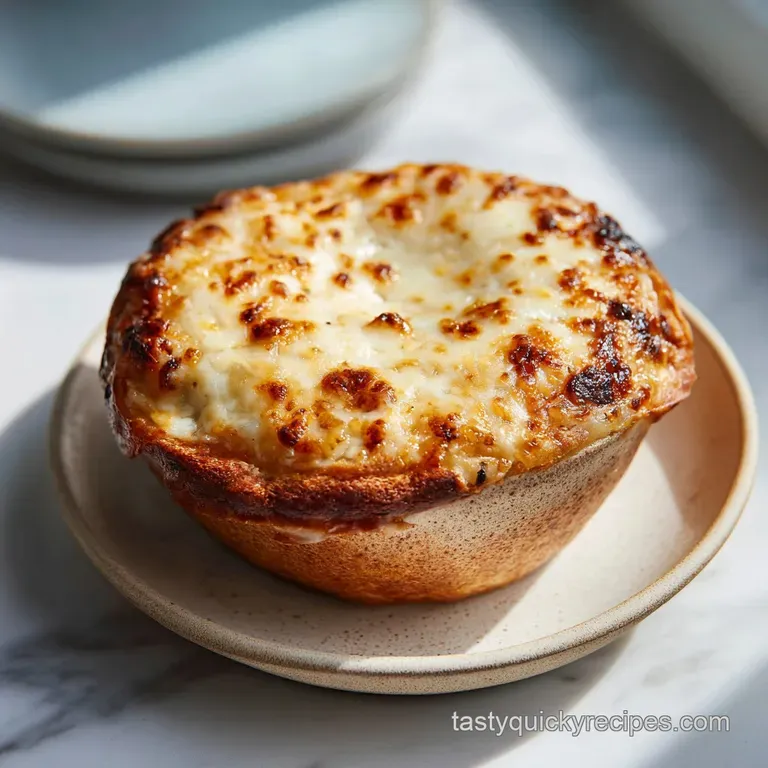
Right then, let's get into the actual construction. This is a tactile process, so don't be afraid to get your hands messy. The goal is to move efficiently so the meat stays cold and the oven stays hot.
- Prepare the meat mixture. Combine the beef, pork, panko, milk, 1 egg, parmesan, garlic, and oregano in your large bowl and mix gently until just combined. Note: Overmixing leads to a rubbery texture, so stop as soon as it's uniform.
- Portion the meatballs. Divide the entire mixture into 12 equal portions, roughly the size of a golf ball or 60-65g each.
- Stuff the centers. Flatten each portion into a disk, place a 1 inch mozzarella cube in the middle, and wrap the meat tightly around it, rolling until smooth. Roll until you see no visible seams to prevent cheese from leaking out.
- Sear the meatballs. Heat your skillet over medium high heat and sear the meatballs for 2 minutes per side until a mahogany crust forms; leave the insides raw.
- Blind bake the base. Lay your first pie crust in the 9 inch dish, prick it all over with a fork, sprinkle with 1 tbsp parmesan, and bake at 200°C for 8 minutes.
- Layer the sauce. Spread a thin layer of your 350ml marinara over the bottom of the par baked crust to act as a glue.
- Arrange the meatballs. Place all 12 meatballs into the dish, pour the remaining sauce over them, and top with the shredded provolone.
- Seal the pie. Cover with the second crust, crimp the edges tightly to seal the steam in, and cut three small slits in the top.
- Apply the finish. Brush the entire top surface with your egg wash until every inch is coated for a glossy finish.
- Final bake. Bake at 200°C for 25-27 minutes until the crust is shattering and golden and the internal cheese is molten.
| Feature | Fast Method (store-bought) | Classic Method (From Scratch) |
|---|---|---|
| Prep Time | 20 minutes | 60 minutes |
| Crust | Pre made (Crispy/Stable) | Homemade (Flaky/Buttery) |
| Flavor | Bold/Consistent | Complex/Nuanced |
While I love a scratch made crust, the store-bought version is a fantastic budget friendly shortcut that holds up better to the heavy meatball filling. It’s designed to be sturdy, which is exactly what we need when we're stuffing it with 750g of meat and sauce.
Fixing Common Mistakes for a Flaky Result
The most common tragedy with a Meatball Pie is the "Soggy Bottom." This happens when the moisture from the meat and sauce migrates into the raw dough. By pricking the dough and blind baking it with a little parmesan, we create a toasted, moisture resistant barrier that keeps the crust crisp.
Preventing the Cheese Blowout
If your meatballs are leaking cheese before the pie is even done, it’s usually because of the "seam" problem. When you wrap the meat around the mozzarella, you have to roll it between your palms with a bit of pressure to fuse the meat fibers together.
If there's even a tiny crack, the expanding cheese will find its way out. Another tip is to make sure your mozzarella is cold when it goes into the meat; this gives the meat a head start on searing before the cheese begins to liquefy.
Rescuing a Soggy Crust
If you pull the pie out and the bottom feels soft, don't panic. You can place the pie dish directly on the lowest rack of the oven for an extra 5 minutes. This direct heat helps crisp up the base without overcooking the top crust.
Next time, try using a metal pie pan instead of glass, as metal conducts heat much faster, ensuring a better "shatter" on that bottom layer.
| Problem | Root Cause | Solution |
|---|---|---|
| Leaking Cheese | Weak meatball seams | Roll meatballs firmly to seal all cracks |
| Soggy Bottom | Excess sauce moisture | Blind bake the crust for 8 minutes first |
| Tough Meatballs | Overworking the meat | Mix ingredients until just combined |
Common Mistakes Checklist:
- ✓ Did you pat the meat dry? (Excess water prevents a good mahogany sear).
- ✓ Did you preheat the skillet? (A cold skillet leads to sticking and steaming).
- ✓ Are the meatballs equal size? (Uneven sizes mean some will be cold while others overcook).
- ✓ Did you cut vents in the top crust? (Steam needs an escape route or the crust will get soggy).
- ✓ Is the marinara thick? (Runny sauce is the enemy of a flaky pie).
Easy Variations and Flavor Swaps
If you want to shake things up, the Stuffed Meatball Pie is incredibly forgiving. You can swap the ground beef for ground turkey if you want a lighter midday meal, just be sure to add a tablespoon of olive oil to the mix to compensate for the lower fat content.
This ensures you still get that satisfying, fueling feel without the heaviness of beef.
- If you want a spicy kick, do this: Add 1 tsp of red pepper flakes to the meat mixture and use a "Diavolo" style spicy marinara.
- If you want a lighter version, do this: Use ground chicken and stuff with feta cheese instead of mozzarella for a Mediterranean twist.
- If you want a vegetarian version, do this: Use a plant based meat substitute and ensure you sear it well to develop that necessary crust.
For those who want to scale this down, you can actually make Meatball Hand Pies. Instead of a large 9 inch dish, cut your pie crust into circles, place one seared, stuffed meatball in the center with a spoonful of sauce, fold it over, and bake for 15-20 minutes.
These are perfect for grab and-go fueling during a busy workday.
| Premium | Budget | Flavor Impact | Savings |
|---|---|---|---|
| Fresh Mozzarella | Low Moisture Block | Less watery, better melt | Save $3-5 |
| San Marzano Sauce | Store Brand Marinara | Slightly less sweet | Save $2-4 |
| Organic Beef | 80/20 Chuck | Same protein, more fat | Save $4-6 |
Using a lower moisture block of cheese isn't just a budget move; it's actually the superior choice for this specific bake. Fresh mozzarella has its place, but in a pie, it’s a liability. Stick to the block and grate it yourself or buy the cubes to keep your costs down and your results consistent.
Storing and Reheating Your Savory Pie
This pie is a champion of meal prep. It stays satisfying for up to 4 days in the fridge, making it a reliable source of midday energy. To store it, wait for the pie to cool completely to room temperature. If you wrap it while it's hot, the steam will turn your crispy crust into a sponge.
Once cool, wrap it tightly in foil or place slices in airtight containers.
For freezing, the Stuffed Meatball Pie can last up to 3 months. I recommend freezing individual slices on a baking sheet before transferring them to a freezer bag. This way, you can pull out exactly what you need for a single meal. To reheat, avoid the microwave if you can.
A toaster oven or a standard oven at 175°C (350°F) for 10-15 minutes will bring back that shattering crust texture that the microwave would otherwise destroy.
Zero waste tip: If you have leftover marinara or meat mixture, don't toss it! You can roll the remaining meat into tiny "snack" meatballs or use the sauce as a base for a quick soup.
Even the scraps of pie dough can be sprinkled with cinnamon and sugar and baked for 5 minutes as a little kitchen treat while you wait for the main event.
Satisfying Side Dishes for a Hearty Midday
Because this pie is so rich and protein dense, you want sides that offer a bit of crunch or acidity to balance the palate. A simple arugula salad with a lemon vinaigrette is my go to, but if you're looking for something more substantial to round out a weekend lunch, a Buttery Steakhouse Potato Side works beautifully. The crispness of the potatoes mirrors the texture of the pie crust, creating a very cohesive, fueling meal.
You could also serve this with steamed broccoli tossed in garlic and red pepper flakes. The bitterness of the greens cuts through the richness of the beef and pork, making the whole meal feel more balanced. Whatever you choose, keep it simple.
The Stuffed Meatball Pie is the star of the show, and anything else on the plate should just be there to support its heavy, satisfying presence.
Remember, the goal of this recipe is to provide you with a meal that actually lasts. By focusing on the fat content of the pork and the structural integrity of the par baked crust, we've built a dish that doesn't just taste good it works for you. No more midday slumps or reaching for snacks an hour after lunch.
This is real food, made with smart budget choices and a little bit of kitchen science to ensure every slice is as perfect as the last. Enjoy the process of rolling those meatballs and the incredible smell that’s about to take over your home!

Very High in Sodium 🚨
1140 mg 1140 mg of sodium per serving (50% 50% of daily value)
The American Heart Association recommends limiting sodium intake to no more than 2,300mg per day, with an ideal limit of 1,500mg for most adults.
Tips to Reduce Sodium
-
Opt for Lower Sodium Cheese-15%
Replace grated parmesan cheese with a reduced sodium version or a hard cheese like Pecorino Romano (which is naturally lower in sodium). You can also reduce the total amount of cheese used in the filling.
-
Choose No-Salt Added Marinara-20%
Switch from thick marinara sauce to a no-salt added or low-sodium variety. This is often the biggest contributor to sodium in recipes like this.
-
Flavor with Fresh Aromatics
While the recipe calls for garlic, consider adding finely minced onion, bell pepper, or fresh herbs like parsley and basil to the meatball mixture for added flavor without salt.
-
Select Unsalted or Low-Sodium Breadcrumbs-5%
Look for panko breadcrumbs that are labeled as unsalted or reduced sodium. If unavailable, you can toast plain bread and pulse it into crumbs yourself, controlling the salt.
-
Review Pie Crust Sodium-5%
Check the sodium content of the refrigerated pie crust. Some brands are higher in sodium than others. Consider making your own pie crust from scratch with minimal salt.
Recipe FAQs
Is it true that I should skip searing the meatballs to save time?
No, this is a common misconception. Searing the meatballs for 2 minutes per side in a skillet is essential for developing a mahogany crust that adds deep savory flavor to the dish.
How to prevent the mozzarella from leaking out during baking?
Flatten each meat portion and wrap it tightly around the mozzarella, rolling until the surface is perfectly smooth. Ensuring there are no cracks or gaps in the meat exterior is the only way to keep the cheese inside.
How to ensure the bottom crust doesn't become soggy?
Blind bake the bottom crust at 200°C for 8 minutes after pricking it with a fork. If you enjoyed mastering this technique for crispness, see how we use similar principles to create Lasagna for 10 People recipe.
How to store leftovers so they stay fresh?
Wait for the pie to cool completely to room temperature before wrapping. If you trap steam by wrapping it while hot, the crust will lose its crisp, shattering texture and become soft.
Can I freeze the pie for later?
Yes, it keeps well for up to 3 months. For the best results, freeze individual slices on a baking sheet first before transferring them to a freezer bag.
How to achieve a golden, professional looking crust?
Brush the top crust generously with an egg wash before baking at 200°C for 25-27 minutes. This provides the necessary protein and sugar to create a deep, golden brown finish.
Is it necessary to use panko breadcrumbs specifically?
Yes, panko is recommended because it absorbs the milk effectively to keep the meat mixture light. Using traditional fine breadcrumbs can often lead to a denser, heavier texture in the finished meatball.
Mozzarella Burst Meatball Pie

Ingredients:
Instructions:
Nutrition Facts:
| Calories | 657 kcal |
|---|---|
| Protein | 30.4 g |
| Fat | 39.8 g |
| Carbs | 33.1 g |
| Fiber | 1.8 g |
| Sugar | 4.2 g |
| Sodium | 1140 mg |
