Mini Meatloaf Recipe: Moist & Savory

- Time: Active 15 minutes, Passive 25 minutes, Total 40 minutes
- Flavor/Texture Hook: Tangy sweet glazed exterior with a velvety, tender beef interior
- Perfect for: Busy weeknights, portion controlled meal prep, or beginner cooks
- Create the Best Savory Mini Meatloaf Recipe
- The Science of the Panade
- Fast Prep Specs and Timing
- Component Analysis and Pro Secrets
- Essential Pantry and Fridge Elements
- Simple Tools for Fast Prep
- Bringing the Savory Flavors Together
- Fixing Common Meatloaf Prep Issues
- Flavor Swaps and Creative Ideas
- Scaling and Batch Adjustments
- Debunking Meatloaf Myths
- Storage and Smarter Reheating Tips
- Best Sides for Your Meal
- Recipe FAQs
- 📝 Recipe Card
Create the Best Savory Mini Meatloaf Recipe
The kitchen was absolute chaos last Tuesday. Between a late running meeting and the general hum of a hungry household, the last thing I wanted was to wait an hour for a massive meatloaf to cook through the middle.
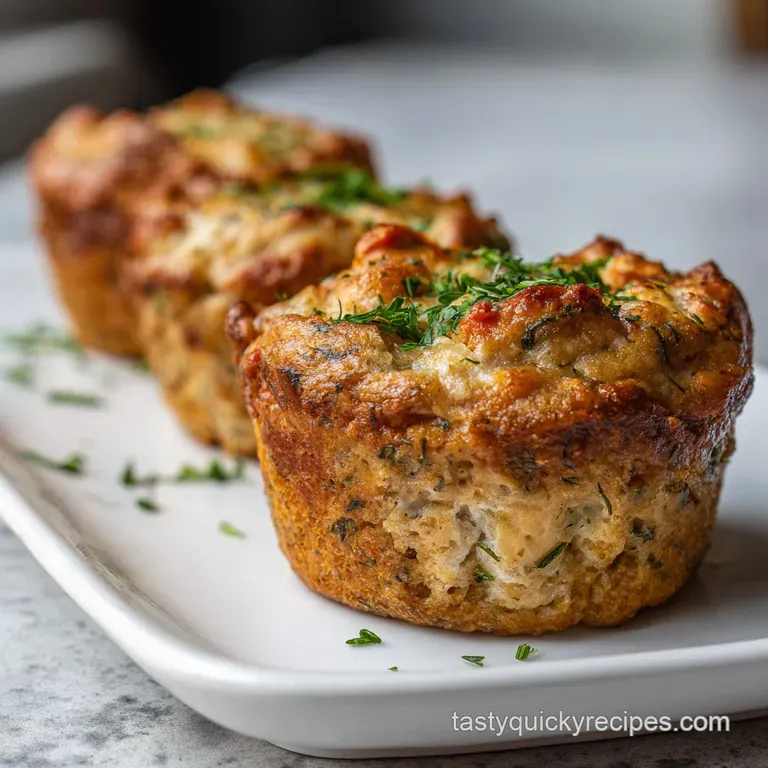
I grabbed my muffin tin, ditched the traditional loaf pan, and realized that these little portions are actually the superior way to eat. The smell of the tangy glaze caramelizing against the high heat of the oven is enough to make anyone stop what they're doing and head for the table.
We've all been there with a traditional meatloaf that turns out like a dry, grey brick in the center. It's frustrating when you spend time on a meal only for it to be underwhelming. By switching to this individual format, we're giving every single person those coveted "end pieces" that are loaded with flavor.
This isn't just a shortcut; it's a legitimate upgrade to the texture and taste of the dish.
You'll love how these hold their shape while staying juicy. I've spent years tweaking the ratio of breadcrumbs to milk, and honestly, this specific balance is what makes them feel high end rather than just a basic weekday meal.
We're going for a texture that's soft enough to cut with a fork but sturdy enough to survive the trip from the pan to your plate.
The Science of the Panade
Surface Area Physics: Using a muffin tin increases the surface to volume ratio, allowing more Maillard reaction (browning) to occur across the entire exterior of each portion.
Capillary Action: The "panade" (the mix of Panko and milk) creates a gel like structure that traps moisture within the meat fibers, preventing them from tightening and squeezing out juices.
Fat Emulsification: The 85/15 beef ratio ensures enough rendered fat to keep the meat velvety without the loaf swimming in grease, as the individual tins help regulate the heat distribution.
Fast Prep Specs and Timing
Choosing the right cooking method depends on how much time you have and what texture you're craving. While the oven is my go to for that classic roasted finish, an air fryer is a fantastic alternative when you're truly in a rush.
| Method | Time | Texture | Best For |
|---|---|---|---|
| Standard Oven | 25 minutes | Classic roasted crust | Traditional family dinners |
| Air Fryer | 15 minutes | Extra crispy edges | Maximum speed and crunch |
| Convection Oven | 20 minutes | Very even browning | Batch cooking multiple tins |
Each of these methods works perfectly with this specific meat mix. If you decide to go the air fryer route, just ensure you don't overcrowd the basket so the air can circulate around each mini loaf to get that "shatter" crisp on the glaze.
Component Analysis and Pro Secrets
The ingredients we choose aren't just for flavor; they play a technical role in the structure of the meat. Just like when I make my Beef Short Ribs recipe, the balance of acidity and fat is what makes the dish stand out.
| Ingredient | Science Role | Pro Secret |
|---|---|---|
| 1.5 lbs Ground Beef | Primary protein and structure | Use 85/15 for the best juice to texture ratio. |
| 1 cup Panko Breadcrumbs | Moisture retention agent | Panko creates a lighter, airier crumb than standard breadcrumbs. |
| 1/3 cup Whole Milk | Hydration for the panade | The fat in whole milk helps soften the beef proteins. |
| 1 tbsp Worcestershire | Umami and acidity booster | This provides a deep, "meaty" base note that mimics long aging. |
Essential Pantry and Fridge Elements
For the meat base, we focus on layers of savory flavor. I've found that using fresh aromatics like garlic and onion is non negotiable for that homemade feel.
- 1.5 lbs (680g) ground beef (85/15 lean):Why this? The fat content ensures the mini loaves stay moist during the over high heat bake.
- 1 cup (60g) Panko breadcrumbs:Why this? They absorb moisture without becoming heavy or dense like traditional crumbs.
- 1/3 cup (80ml) whole milk:Why this? Essential for hydrating the Panko to create a tender texture.
- 1 small yellow onion, finely minced:Why this? Adds sweetness and moisture; mince it tiny so it blends into the meat.
- 2 cloves garlic, grated:Why this? Grating releases more oils than chopping, distributing flavor more evenly.
- 1 large egg, beaten:Why this? The "glue" that holds everything together as the proteins cook.
- 1 tbsp Worcestershire sauce:Why this? Adds that signature fermented, savory depth.
- 1 tsp dried oregano:Why this? Provides an earthy, herbal backnote to the beef.
- 1 tsp salt and 0.5 tsp cracked black pepper:Why this? Basic seasoning to highlight the beef's natural flavor.
For the tangy glaze, we want a balance of sugar, salt, and acid to cut through the richness of the meat.
- 0.5 cup (120ml) ketchup:Why this? The classic tomato base that everyone loves.
- 2 tbsp (25g) brown sugar:Why this? Caramelizes in the oven for a sticky, sweet finish.
- 1 tbsp (15ml) apple cider vinegar:Why this? Tanginess that brightens the heavy flavors.
- 1 tsp Dijon mustard:Why this? Adds a tiny bit of heat and acts as an emulsifier.
Simple Tools for Fast Prep
You don't need much for this recipe, which is why it's a staple in my rotation of Weeknight Recipes.
Chef Tip: Grease your muffin tin generously, even if it's non stick. The sugars in the glaze can be stubborn once they bake down.
A standard 12 cup muffin tin is the star here. You'll also want a large mixing bowl, a whisk for the glaze, and a small grater for the garlic. If you have a cookie scoop, it's the fastest way to get even portions without handling the meat too much.
Keeping the beef cold until the very last second is a trick I learned the hard way it prevents the fat from melting into your hands, which keeps the texture of the finished loaf much lighter.
Bringing the Savory Flavors Together
- Preheat your oven to 400°F (200°C). Note: A hot oven is key for getting that initial sizzle.
- Soak the Panko. Combine the 1 cup Panko and 1/3 cup milk in a small bowl and let it sit for 5 minutes until it forms a thick paste.
- Whisk the glaze. In a separate small bowl, mix the 0.5 cup ketchup, brown sugar, apple cider vinegar, and Dijon mustard until smooth and glossy.
- Sauté the aromatics. Quickly soften the minced onion in a pan with a drop of oil for 3 minutes until translucent and fragrant.
- Combine the meat base. In a large bowl, add the 1.5 lbs beef, the Panko paste, beaten egg, Worcestershire, garlic, oregano, salt, pepper, and the cooled onions.
- Mix gently. Use your hands or a fork to combine the ingredients until just incorporated but not pasty. Note: Overmixing leads to a tough, rubbery texture.
- Portion into the tin. Divide the mixture into 12 greased muffin cups, pressing down lightly until the tops are level.
- Apply the glaze. Spoon a generous amount of the ketchup mixture over each mini loaf until the entire top surface is covered.
- Bake the loaves. Place in the oven for 20-25 minutes until the glaze is bubbling and the internal temp hits 160°F.
- Rest before serving. Let the tin sit on the counter for 5 minutes until the juices settle and the loaves pull slightly away from the edges.
Fixing Common Meatloaf Prep Issues
Even a simple meal can have its quirks. If your loaves are looking a little sad, it's usually down to one of three things.
Why Your Meatloaves Turn Out Dry
If the meat is crumbly and dry, you likely used beef that was too lean (like 95/5) or you overbaked them. Without enough fat or the hydrating panade, the beef fibers tighten and push out all the moisture.
| Problem | Root Cause | Solution |
|---|---|---|
| Dry Texture | Lean meat or overcooking | Use 85/15 beef and use a meat thermometer to pull at 160°F. |
| Falling Apart | Not enough binder | Ensure you use the full egg and the milk soaked Panko paste. |
| Soggy Bottoms | Excess grease or onion moisture | Sauté onions first to remove water and use a slightly coarser Panko. |
Wait, before you start mixing, keep these quick tips in mind to avoid a kitchen disaster. I once tried to skip the onion sautéing step and ended up with "steamed" meatloaves because of the extra water never again!
Common Mistakes Checklist
- ✓ Sauté the onions before adding to the meat to prevent excess moisture.
- ✓ Stop mixing the moment you stop seeing streaks of egg or breadcrumbs.
- ✓ Check the internal temperature at the 20 minute mark to avoid drying them out.
- ✓ Let them rest! Cutting into them too fast causes all the juice to run out onto the plate.
- ✓ Don't pack the meat into the muffin tin too tightly or they will become dense.
Flavor Swaps and Creative Ideas
Adjusting this recipe for your family is part of the fun. If you're out of beef or need to save a few dollars, there are plenty of ways to pivot.
| Original Ingredient | Substitute | Why It Works |
|---|---|---|
| Ground Beef (1.5 lbs) | Ground Turkey (93/7) | Leaner option. Note: Add 1 tbsp olive oil to keep it moist. |
| Panko (1 cup) | Crushed Saltines (1 cup) | Provides a similar structure with a slightly saltier finish. |
| Brown Sugar (2 tbsp) | Honey (2 tbsp) | Offers a different floral sweetness that caramelizes well. |
For a faster version, some people love a mini meatloaf recipe with stuffing mix. You can swap the Panko, salt, pepper, and oregano for 1 cup of dry stuffing mix. It's a massive shortcut that packs in a ton of herb flavor instantly.
Scaling and Batch Adjustments
If you are cooking for a crowd or just trying to stock the freezer, scaling this recipe is quite straightforward. When doubling the recipe to 3 lbs of beef, I recommend using two separate muffin tins rather than trying to cram everything into one large pan. This keeps the airflow consistent.
- Scaling Up (2x): Double the beef and binders, but only use 1.5x the salt and spices to start. You can always add more, but it’s hard to take away!
- Scaling Down (1/2): Use 0.75 lbs of beef and half an egg (whisk the egg first, then measure out 2 tablespoons). Use a 6 cup muffin tin or just fill half of a 12 cup tin.
- Batch Cooking: These are incredible for meal prep. I often make a double batch and freeze half of them (before baking) directly in the muffin tin. Once frozen, pop them into a bag.
Debunking Meatloaf Myths
One of the biggest myths is that you need to sear meatloaf to "seal in the juices." In reality, searing is only for flavor through the Maillard reaction. Since we're using a muffin tin, we get plenty of browning on the top and sides without the extra step of a skillet.
Another misconception is that the glaze should go on halfway through. I’ve found that putting the glaze on right at the start allows it to thicken and create a jammy, concentrated layer that sticks to the meat much better than if you add it late in the game.
Storage and Smarter Reheating Tips
Storage: Store any leftover mini loaves in an airtight container in the fridge for up to 3 days. They actually taste better the next day as the flavors have more time to meld.
Freezing: These are the ultimate freezer meal. You can freeze them cooked or raw. If cooked, wrap them individually in foil and store in a freezer bag for up to 3 months.
Zero Waste Tip: If you have leftover glaze, don't toss it! It makes a fantastic dipping sauce for roasted potatoes. Also, if you have a bit of meat mix left that doesn't fill a whole muffin cup, roll it into a meatball and bake it alongside the loaves for a "cook's snack."
Best Sides for Your Meal
When thinking about what to serve with this dish, I always lean toward things that can soak up any extra glaze. A pile of garlic mashed potatoes is the classic choice, but a crisp green salad helps cut through the richness.
If you’re looking for a more "Sunday Feast" feel, this recipe pairs beautifully with the same sides you'd use for a San Giorgio Lasagna Recipe. The savory notes of the beef are very similar, and a side of roasted broccoli or even some buttered noodles would be a hit. For something a bit more upscale, consider serving these alongside the techniques used in a Beef Tenderloin Recipes Grilled guide, focusing on over high heat vegetable charring to match the roasted flavor of the meatloaf.
Recipe FAQs
How long to cook meatloaf in mini loaf pans at 375 degrees?
Bake for 20-25 minutes. Check the internal temperature with a thermometer; it should reach 160°F. A 400°F oven is ideal for crisping, but if using 375°F, extend the time slightly until done.
What are the four main ingredients in meatloaf?
Ground meat, binder, moisture, and aromatics. Typically, this means ground beef, breadcrumbs or crackers, milk or broth, and chopped onion and garlic. These form the flavor and texture base.
What temperature do you cook a small meatloaf?
Bake at 375-400°F (190-200°C). A hotter oven helps create a nicely browned crust on the mini loaves, similar to how we achieve that perfect sear in Beef Short Ribs recipe.
What should I NOT put in meatloaf?
Avoid over seasoning or ingredients that add too much moisture. Things like raw, watery vegetables or excessive liquids can make the meatloaf mushy. Stick to finely minced or grated aromatics.
Can I make mini meatloaves ahead of time?
Yes, absolutely. You can prepare the mixture and portion it into muffin tins, then cover and refrigerate for up to a day before baking. They also freeze wonderfully before or after baking.
Why are my mini meatloaves dry?
Likely due to lean meat or overcooking. Using ground beef with an 85/15 lean-to-fat ratio is key. Also, ensure you're not baking them past the point where the internal temperature reaches 160°F.
What is the purpose of the panade in meatloaf?
It's for moisture retention and texture. The mixture of breadcrumbs (like Panko) and milk hydrates the meat, preventing it from drying out and creating a tender, cohesive loaf, much like the science behind a good panade in other dishes.
Mini Meatloaf Recipe

Ingredients:
Instructions:
Nutrition Facts:
| Calories | 345 kcal |
|---|---|
| Protein | 24.1 g |
| Fat | 14.2 g |
| Carbs | 16.3 g |
| Fiber | 0.8 g |
| Sugar | 9.2 g |
| Sodium | 615 mg |
