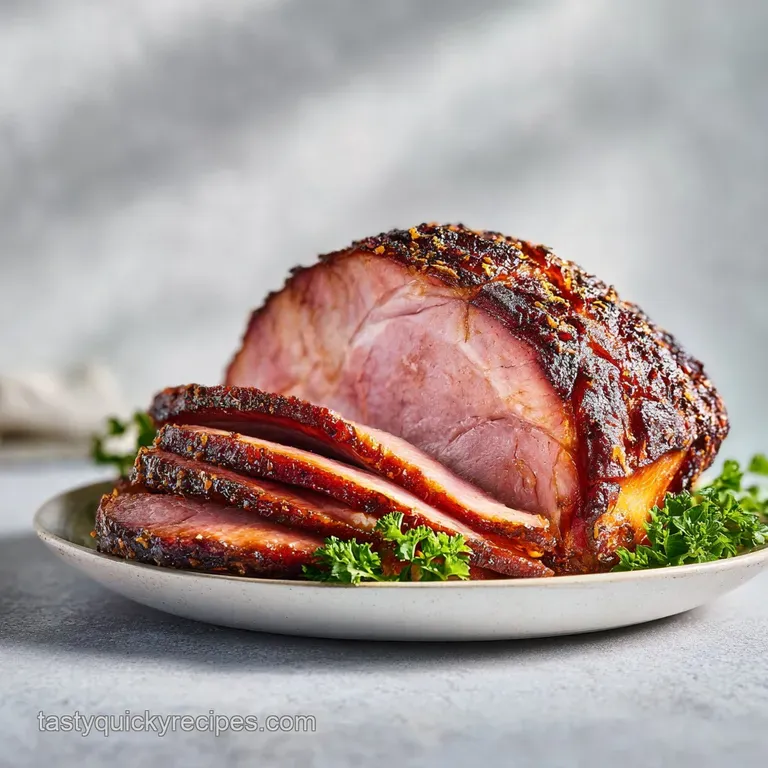
Mahogany Crusted Southern Easter Ham
- Time: Active 15 minutes, Passive 120 minutes, Total 135 minutes
- Flavor/Texture Hook: Mahogany crusted, smoky sweet, and velvety
- Perfect for: Stress free holiday hosting or a hearty Sunday feast
- Mastering Most Popular Easter Recipe State with Glazed Ham
- Why This Holiday Glaze Works
- Component Analysis of Every Ingredient
- Ingredients and Flavorful Substitutions
- Step-by-Step Oven Cooking Guide
- Solving Common Glazed Ham Problems
- Resizing Your Holiday Main Dish
- Common Holiday Cooking Myths Debunked
- Storing Leftovers and Zero Waste
- Best Sides for Glazed Ham
- Very High in Sodium 🚨
- Recipe FAQs
- 📝 Recipe Card
Mastering Most Popular Easter Recipe State with Glazed Ham
Have you ever wondered why, despite all the fancy lamb roasts and spring quiches, the ham is always the first thing to vanish from the table? There is something incredibly primal and satisfying about a massive, mahogany colored roast sitting in the center of the spread.
I remember the first time I tried to make one for a big family gathering. I thought I could just throw it in the oven, but I ended up with something that had the texture of a dry sponge.
That was the day I realized that "pre cooked" doesn't mean "invincible." Discover the most popular Easter recipe in your state, featuring a show stopping glazed ham.
Getting that perfect balance between a sticky, crackling crust and a juicy, tender interior isn't about luck; it is about managing moisture. When you walk into the kitchen and smell that heady mix of cloves, sharp Dijon, and warm honey, you know you are in for a fueling midday meal.
This isn't just a recipe; it's a reliable method for anyone who wants a spectacular result without needing a kitchen full of gadgets. All you really need is a solid roasting pan and some heavy duty foil to create what I call the "steam lock" environment.
This version of the Most Popular Easter Recipe State with Glazed Ham focuses on the bone in spiral cut because it is a busy cook’s best friend. The bone adds a depth of flavor that boneless hams just can’t touch, and the pre sliced nature means the glaze actually gets into the meat instead of just sitting on top.
We are aiming for a result that is hearty enough to anchor the plate but light enough to leave you feeling energized for the rest of your afternoon plans.
Why This Holiday Glaze Works
- Steam Lock Hydration: By sealing the pan tightly with double layered foil and apple cider, we create a pressurized humid environment that prevents the lean protein fibers from toughening.
- Acid Fat Balance: The apple cider vinegar and Dijon mustard cut through the heavy fats of the pork, ensuring the flavor is bright rather than cloying.
- Sugar Inversion: Simmering the honey and brown sugar together breaks down complex crystals, creating a silky lacquer that clings to the meat instead of sliding off into the pan.
- Two Stage Thermodynamics: We start with a low and slow heat to warm the core safely, then finish with a over high heat blast to trigger the mahogany crust formation without overcooking the inside.
| Ham Weight | Internal Temp | Rest Time | Visual Cue |
|---|---|---|---|
| 8 lbs | 110°F (Pre glaze) | N/A | Steam rises when foil is cracked |
| 8 lbs | 140°F (Finished) | 15 minutes | Deep mahogany, bubbling crust |
| 10-12 lbs | 140°F (Finished) | 20 minutes | Edges are slightly darkened and crisp |
Choosing the right ham is the first step toward a satisfying result. A bone in ham usually has more connective tissue that breaks down during the slow warming process, providing a much more velvety mouthfeel. If you are worried about the "pre cooked" label, don't be.
Most hams found in the grocery store are already cured and smoked, meaning our job in the kitchen is actually "reheating with style." The trick is to treat it like a delicate piece of protein rather than a hunk of salty wood.
Component Analysis of Every Ingredient
| Ingredient | Science Role | Pro Secret |
|---|---|---|
| Apple Cider | Ambient Humidity | Use unfiltered cider for a more complex, pectin rich steam that helps the glaze stick. |
| Honey | Hygroscopic Agent | Honey attracts moisture from the air, keeping the "crust" from becoming unpleasantly hard or tooth breaking. |
| Dijon Mustard | Emulsification | The natural mucilage in mustard seeds helps the fat and sugar in the glaze stay bonded together. |
| Whole Cloves | Aromatic Infusion | Piercing the fat cap with cloves allows the oils to penetrate the top layers of meat during the long roast. |
For a truly hearty side that doesn't weigh you down, this ham pairs beautifully with a classic Albers Cornbread skillet. The crumbly texture of the cornbread is the perfect vehicle for soaking up any stray honey mustard glaze left on your plate.
Ingredients and Flavorful Substitutions
- 8 lb bone in spiral sliced half ham: Why this? The bone provides structure and flavor while the spiral cuts allow glaze penetration.
- Substitute: Uncut bone in ham. You'll just need to score the fat yourself in a diamond pattern.
- 1 cup apple cider: Why this? Provides the aromatic steam base needed to keep the lean meat moist.
- Substitute: Unsweetened apple juice or even a dry hard cider for a more "grown up" flavor profile.
- 1 cup honey: Why this? Creates the glossy, sticky texture that defines a classic glazed ham.
- Substitute: Maple syrup. Note: This will result in a thinner glaze and a more pronounced woody sweetness.
- 0.5 cup dark brown sugar, packed: Why this? Adds molasses notes and helps the crust caramelize quickly under high heat.
- Substitute: Light brown sugar. It works fine but the color will be slightly paler and less "mahogany."
- 0.25 cup Dijon mustard: Why this? The acidity balances the sugar and the mustard acts as a binder.
- Substitute: Spicy brown mustard or whole grain mustard for more texture.
- 2 tbsp apple cider vinegar: Why this? Sharpness is required to cut through the salt and fat of the pork.
- Substitute: White wine vinegar or lemon juice in a pinch.
- 1 tsp smoked paprika: Why this? Adds a subtle depth and mimics a long wood fired smoking process.
- Substitute: Standard sweet paprika if you prefer zero smoky notes.
- 0.5 tsp ground cloves: Why this? This is the "classic" Easter aroma that ties the whole dish together.
- Substitute: Ground allspice or nutmeg if you find cloves too medicinal.
- 1 tbsp whole cloves: Why this? Primarily for aesthetic and to scent the fat cap as it renders.
- Substitute: Can be omitted if you don't like picking them out later.
Chef's Tip: Freeze your honey for 5 minutes before measuring. It won't freeze solid, but it becomes much thicker, making it easier to level off in a measuring cup without a sticky mess.
step-by-step Oven Cooking Guide
- Preheat and Position. Set your oven to 325°F (165°C) and place the 8 lb ham cut side down in a heavy duty roasting pan. Note: Placing it cut side down prevents the leanest part of the meat from drying out.
- Hydrate the Base. Pour 1 cup of apple cider into the bottom of the pan around the ham.
- Create the Steam Lock. Wrap the entire pan tightly with two layers of heavy duty aluminum foil. Ensure there are no gaps where steam can escape.
- Initial Roast. Bake until the internal temperature hits 110°F. This usually takes about 10–12 minutes per pound (roughly 80-90 minutes for an 8 lb ham).
- Simmer the Lacquer. While the ham roasts, combine honey, brown sugar, Dijon, vinegar, paprika, and ground cloves in a small saucepan. Simmer 5–7 minutes over medium heat until the sugar dissolves into a glossy syrup.
- Increase Heat. Remove the ham from the oven and crank the temperature up to 425°F (220°C).
- Apply the First Layer. Carefully remove the foil. Brush half of the glaze generously over the surface and use a spoon to nudge some between the spiral slices.
- The Mahogany Blast. Return the ham to the oven uncovered for 10-15 minutes. Baste with the remaining glaze every 5 minutes until the surface is crackling and mahogany dark.
- Monitor the Core. Pull the ham when the internal temperature reaches 140°F. Do not let it go higher or it will turn into "ham jerky."
- The Critical Rest. Move the ham to a carving board and let it sit for 15 minutes before serving. Note: This allows the juices to settle back into the fibers so they don't pour out when you move the slices.
Solving Common Glazed Ham Problems
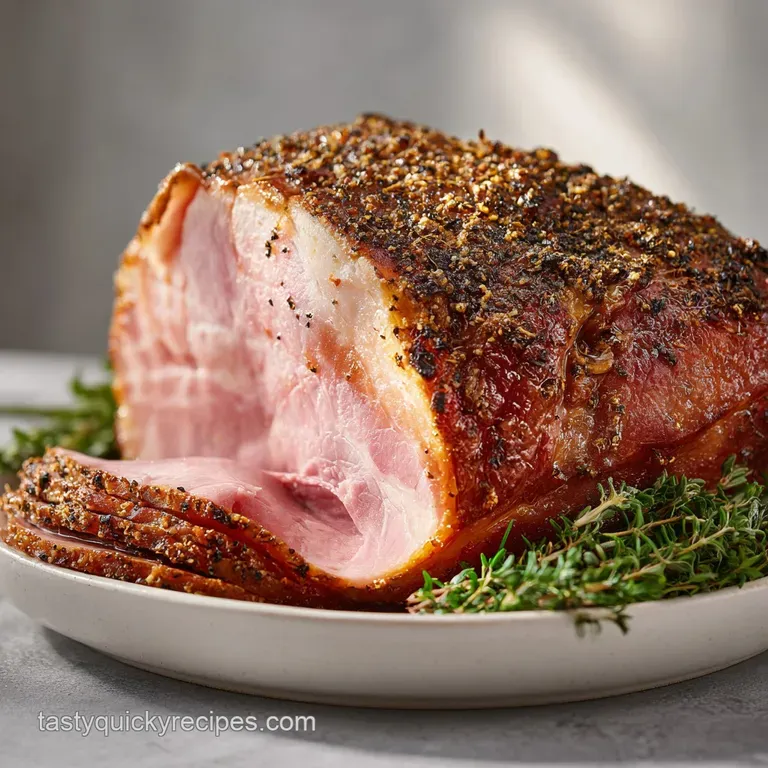
One of the biggest issues people face with a Southern ham glaze recipe is the "slide off." This happens when the surface of the ham is too wet or greasy for the sugar to grip. If your glaze isn't sticking, it’s usually because you didn't let the ham surface "dry out" for a minute after removing the foil.
Give it two minutes of air before brushing that first coat of honey and sugar. Another frequent headache is the "salty bomb" effect. Since ham is naturally cured with salt, adding more salt to your glaze is a recipe for disaster. Stick to the spices listed and let the ham's natural seasoning do the work.
The "Dry Slice" Dilemma
If you find the edges of your spiral slices are curling and looking like parchment paper, your oven was likely too hot during the first phase or your foil seal wasn't tight enough. Steam is your best friend here. If you see steam billowing out of the oven during the first hour, stop and re seal that foil!
It should be airtight.
The Runny Glaze Issue
A glaze that pools at the bottom of the pan instead of coating the meat usually hasn't been reduced enough on the stovetop. You want it to have the consistency of warm maple syrup before it even touches the ham. If it's too thin, simmer it for another 3 minutes.
| Problem | Root Cause | Solution |
|---|---|---|
| Glaze is burning | Oven rack is too high | Move the pan to the lower third of the oven for the 425°F blast. |
| Meat is tough | Internal temp exceeded 150°F | Use a probe thermometer and pull strictly at 140°F. |
| No crust formation | Too much moisture on surface | Pat the fat cap dry with a paper towel before applying the first layer of glaze. |
Common Mistakes Checklist
- ✓ Never skip the resting period; the residual heat finishes the cook without drying the meat.
- ✓ Don't use "thin" foil; it tears easily and ruins the steam lock environment.
- ✓ Avoid basting during the first 90 minutes; you want that seal to stay intact.
- ✓ Check your oven thermometer; many ovens run 25°F hot, which can ruin a ham quickly.
- ✓ Ensure the cut side is flat against the pan to protect the most tender meat.
Resizing Your Holiday Main Dish
Scaling a ham recipe is actually quite simple because the cook time is largely based on weight. If you are making a small glazed ham recipe using a 4 lb mini ham, you'll want to reduce the initial roasting time by about 40%.
However, the glazing phase at the end remains almost exactly the same you still need that 10-15 minute blast at high heat to get the crust right.
If you are going big and roasting a 14 lb monster for a huge crowd, do not double the liquid in the pan. Stick to about 1.5 cups of cider; too much liquid will turn your roast into a boiled ham, which loses that hearty, roasted texture we are after.
For spices and glaze, 1.5x the recipe is usually plenty for even the largest hams. Remember that the surface area doesn't grow as fast as the weight does!
| Preparation Method | Time | Texture | Best For |
|---|---|---|---|
| Standard Oven | 2H 15M | Crisp exterior, juicy core | Traditional holiday feel |
| Slow Cooker | 4-5 hours | Very tender, "pulled" style | Small kitchens / no oven space |
| Air Fryer (Halved) | 45 mins | Extra crispy edges | Small households / quick meals |
Common Holiday Cooking Myths Debunked
"You need to baste the ham every 20 minutes to keep it moist." This is actually counterproductive. Every time you open that oven door, you let out the steam and the heat, which extends the cook time and actually dries out the meat.
The "steam lock" method with foil is infinitely more effective than manual basting. The moisture stays trapped right next to the meat where it belongs.
"Searing the ham first locks in the juices." In reality, searing is only for flavor and color (the Maillard reaction). It does nothing to "seal" moisture inside. In fact, if you sear a ham before the long roast, you risk toughening the outer layers before the inside is even warm.
That's why we save the over high heat glazing for the very end of the process.
Storing Leftovers and Zero Waste
Your glazed ham will stay fresh in the fridge for about 5 to 7 days if wrapped tightly in foil or stored in airtight containers. If you find you have way too much, ham freezes beautifully. I recommend slicing it first, then freezing it in portion sized bags with a little bit of the leftover pan juices.
It will stay good for up to 2 months. To reheat, avoid the microwave if possible as it makes the meat rubbery. Instead, wrap a few slices in foil with a splash of water and pop them in a 300°F oven for 10 minutes.
Don't you dare throw away that ham bone! It is a goldmine of flavor. Throw it into a slow cooker with some dried split peas, carrots, and onions for the most satisfying soup you’ve ever had. If you aren't ready to make soup right away, wrap the bone in plastic wrap and freeze it.
You can also dice up the "scraps" near the bone to add to a breakfast hash or an omelet the next morning for a fueling start to your day.
Best Sides for Glazed Ham
While the ham is the star, the supporting cast matters. For a bright, seasonal pairing, these Honey Glazed Carrots echo the sweetness of the ham while adding a much needed crunch to the plate. The earthy flavor of the carrots balances the saltiness of the pork perfectly.
If you are looking for something more decadent, a cheesy potato gratin or a simple stovetop mac and cheese provides that velvety contrast to the mahogany crust of the ham. This is the kind of meal that leaves everyone feeling satisfied and energized, rather than slumping into a food coma.
Keep the sides simple, use minimal tools, and focus on those reliable steps that preserve the quality of your ingredients. Happy cooking!

Very High in Sodium 🚨
1420 mg 1420 mg of sodium per serving (62% 62% of daily value)
The American Heart Association recommends limiting sodium intake to no more than 2,300mg per day, with an ideal limit of 1,500mg for most adults.
Tips to Reduce Sodium in Your Ham Recipe
-
Choose a Low-Sodium Ham-30%
The primary source of sodium is the pre-brined ham itself. Opt for a 'low-sodium' or 'reduced sodium' label when purchasing your ham. This single change can drastically cut down the overall sodium content.
-
Rinse the Ham Before Glazing-10%
After purchasing your ham, thoroughly rinse it under cold water before preparing the glaze. This helps remove some of the surface salt from the brining process.
-
Boost Flavor with Spices
Enhance the flavor profile of your glaze without adding salt. Increase the smoked paprika and ground cloves, and consider adding other salt free spices like garlic powder or onion powder to complement the ham.
-
Reduce Added Sugars in Glaze-5%
While not a direct sodium source, reducing the sweetness slightly can make the ham less reliant on its inherent saltiness. You can slightly decrease the honey and brown sugar in the glaze.
-
Dilute the Dijon Mustard-15%
Dijon mustard can contain a significant amount of sodium. Consider using a 'less sodium' Dijon mustard if available, or slightly dilute the amount you use in the glaze with a bit more apple cider vinegar or apple cider.
Recipe FAQs
What is the traditional Easter meal when you eat ham?
Yes, glazed ham is the centerpiece of a traditional Easter feast. It is typically served alongside seasonal sides, creating a balance of savory, sweet, and acidic flavors.
What is the traditional meat served on Easter Sunday in many households?
Ham is the primary choice for Easter Sunday. Its popularity stems from historical availability in early spring and the ability to feed large family gatherings easily.
Where did the tradition of ham for Easter come from?
False, the tradition is not tied to a single ancient origin. It evolved because hogs were traditionally slaughtered in the autumn and cured through the winter, making them perfectly ready for consumption by early spring.
What to serve with glazed ham for Easter?
Pair the salty, sweet ham with acidic or fresh vegetable sides. If you enjoyed the tangy profile of this glaze, see how we balance flavor in our creamy, tangy classic salad.
How to keep the ham moist during the initial roast?
Place the ham cut-side down in the pan and wrap tightly with two layers of heavy duty foil. Adding one cup of apple cider to the base creates a steam lock environment that prevents the meat from drying out at 325°F.
How to achieve a mahogany crust on the glaze?
Increase your oven temperature to 425°F after the initial roast and baste every 5 minutes. Removing the foil and exposing the ham to this higher heat allows the honey and brown sugar mixture to caramelize into a deep, mahogany finish.
How to properly store leftover ham?
Wrap the ham tightly in foil or place it in an airtight container for refrigerator storage up to 7 days. For longer storage, slice the meat into portions and freeze them in bags along with a small amount of leftover pan juices for up to 2 months.
Mahogany Crusted Glazed Ham
Ingredients:
Instructions:
Nutrition Facts:
| Calories | 382 kcal |
|---|---|
| Protein | 34.8 g |
| Fat | 14.2 g |
| Carbs | 28.5 g |
| Fiber | 0.2 g |
| Sugar | 27.1 g |
| Sodium | 1420 mg |
