Silky Lo Mein Noodles Recipe
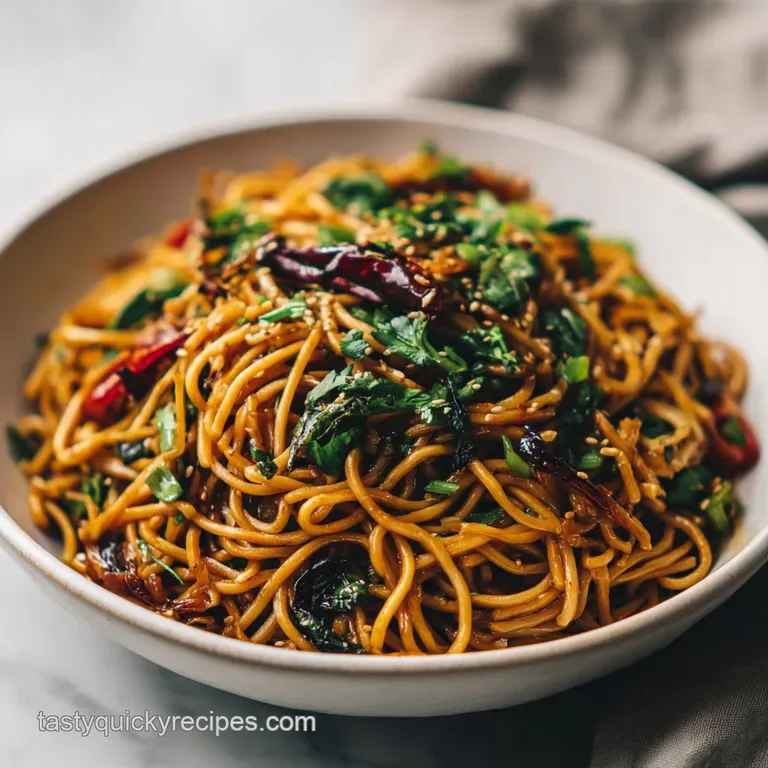
- Time: Active 10 minutes, Passive 5 minutes, Total 15 minutes
- Flavor/Texture Hook: Silky, savory noodles with a charred, gingery aroma
- Perfect for: Busy weeknights when you need a 15 minute meal
- Fast Homemade Savory Lo Mein Noodles
- Why This Stir Fry Works
- Component Analysis for Better Flavor
- Essential Ingredients and Smart Swaps
- Necessary Tools for Success
- Simple Steps for Better Results
- Solving Common Texture Issues
- Adapting for Different Diets
- Adjusting the Batch Size
- Storing and Reheating Leftovers
- Plating Like a Pro Cook
- Myths About Stir Frying Noodles
- Critical High in Sodium
- Recipe FAQs
- 📝 Recipe Card
Fast Homemade Savory Lo Mein Noodles
The first time I tried making Lo Mein Noodles at home, it was a total disaster. I thought I could just boil some pasta, throw it in a cold pan with some soy sauce, and call it a day. What I ended up with was a clump of gray, mushy noodles that tasted like salt and sadness.
I almost gave up on homemade Chinese food entirely until a friend showed me that the secret isn't a fancy stove - it's the order of operations and the heat.
Now, whenever I hear that sizzle when the garlic hits the oil, I know I'm minutes away from something better than a cardboard box delivery. You want that hit of ginger to wake up your kitchen, followed by the sight of the cabbage wilting just enough to stay crunchy.
It's about that specific moment when the sauce hits the hot metal and starts to caramelize, coating every strand of noodle in a glossy, dark glaze.
We're going to use 12 oz fresh Lo Mein egg noodles for this because the texture is incomparable. If you've been juggling work and family and just want a win on the dinner table, this is it. It's fast, flavorful, and uses ingredients you probably already have in the pantry.
Let's get into how we actually make this work without turning your kitchen into a disaster zone.
Why This Stir Fry Works
- The Maillard Reaction: High heat browns the sugar and soy sauce proteins, creating deep, complex flavors in seconds.
- Starch Gelatinization: Using fresh noodles with a quick par boil ensures they stay chewy and don't release excess starch into the pan.
- Emulsification: The combination of oyster sauce and toasted sesame oil creates a velvety coating that clings to the noodles rather than sliding off.
- Protein Denaturation: Slicing the chicken breast thinly against the grain allows it to cook in under 3 minutes, keeping it tender and juicy.
| Method | Time | Texture | Best For |
|---|---|---|---|
| Traditional Wok | 5 mins | Maximum "char" and smoky aroma | over High heat enthusiasts |
| Large Cast Iron | 7 mins | Even browning and crispy edges | Consistent heat retention |
| Non stick Skillet | 6 mins | Silky and smooth, less "char" | Beginner cooks / Easy cleanup |
It is important to choose the right vessel based on your stove's power. While a wok is traditional, a heavy bottomed cast iron skillet is actually a secret weapon for home cooks because it holds onto heat better when you dump in those 12 oz fresh Lo Mein egg noodles.
This prevents the pan temperature from dropping, which is the main cause of soggy stir fry.
Component Analysis for Better Flavor
| Ingredient | Science Role | Pro Secret |
|---|---|---|
| Dark Soy Sauce | Pigment & Viscosity | Contains molasses which provides the iconic dark mahogany color without adding too much salt. |
| Oyster Sauce | Umami & Body | Acting as a thickener, it helps the sauce "grip" the smooth surface of the egg noodles. |
| Toasted Sesame Oil | Volatile Aromatics | Should be added at the end of the sauce mix because its flavor compounds break down under extreme heat. |
Essential Ingredients and Smart Swaps
For this recipe, we are looking for a balance of salt, sweet, and earthiness. Here is exactly what you need to gather before you even turn on the burner.
- 12 oz fresh Lo Mein egg noodles: These are the stars. Look for the "fresh" section in the refrigerated aisle. Why this? Fresh noodles have a superior "bounce" and chew compared to dried versions.
- 2 tbsp oyster sauce: This provides the savory backbone.
- 1 tbsp light soy sauce: For that essential salt hit.
- 1 tsp dark soy sauce: Purely for that gorgeous, rich color.
- 1 tsp toasted sesame oil: For the nutty fragrance.
- 1 tsp sugar: To balance the salt and help with caramelization.
- 1/4 tsp white pepper: Adds a floral heat that's more authentic than black pepper.
- 2 tbsp neutral oil: Use canola or grapeseed. Avoid olive oil here.
- 3 cloves garlic, minced: The foundation of the aroma.
- 1 tsp fresh ginger, grated: Gives that zingy, fresh finish.
- 2 cups cabbage, shredded: Use green cabbage or Napa.
- 1 large carrot, julienned: For sweetness and color.
- 3 green onions, cut into 2 inch batons: Use the white parts for cooking and green for garnish.
- 8 oz lean chicken breast, thinly sliced: This is optional but adds great protein.
| Original Ingredient | Substitute | Why It Works |
|---|---|---|
| Oyster Sauce | Vegetarian Mushroom Sauce | Provides the same thick consistency and earthy umami without the shellfish. |
| Dark Soy Sauce | Extra Light Soy + 1/2 tsp Molasses | Mimics the color and thickness. Note: Slightly sweeter than the original. |
| Fresh Egg Noodles | Dried Spaghetti (thick) | Similar thickness. Note: Boil with 1 tsp baking soda to get an "alkaline" noodle texture. |
| Chicken Breast | Firm Tofu or Shrimp | Both cook quickly. Note: Tofu needs to be pressed dry to get a good sear. |
If you find yourself missing the chicken, you can easily pivot to a different protein. I've often used leftovers from a Beef Stir Fry recipe to bulk this up when the fridge is looking a bit empty. The technique remains exactly the same.
Necessary Tools for Success
You don't need a professional kitchen, but stir frying is a game of speed. Having your tools ready is just as important as the ingredients.
- A Large Wok or 12 inch Skillet: Surface area is your friend. You need space to toss the Lo Mein Noodles without them clumping.
- A Microplane: Perfect for grating that 1 tsp of fresh ginger into a paste so you don't bite into a woody chunk.
- Long Wooden Spatula: Essential for moving the food fast without scratching your pan.
- A Large Pot: To par boil the noodles for just 1-2 minutes before they hit the wok.
For the Signature Lo Mein Sauce
Before you heat the pan, whisk the oyster sauce, light soy, dark soy, sesame oil, sugar, and white pepper in a small bowl. This ensures the sugar dissolves and the flavors are unified before they hit the heat.
If you wait to add them individually to the pan, the sugar might burn before the soy sauce can distribute evenly.
For "Velveted" over High heat Protein
If you're using the 8 oz chicken breast, here’s a trick I learned from a chef friend: toss the sliced chicken with a tiny splash of soy sauce and a pinch of cornstarch. This "velveting" technique creates a thin barrier that keeps the meat silky and prevents it from drying out in the intense heat of the wok.
It’s the difference between chewy chicken and restaurant style tenderness.
Simple Steps for Better Results
- Boil the noodles. Drop the 12 oz fresh Lo Mein egg noodles into boiling water for exactly 2 minutes. Note: They should be slightly undercooked as they will finish in the wok.
- Drain and rinse. Run the noodles under cold water immediately to stop the cooking process and wash off excess starch.
- Whisk the sauce. Combine all sauce ingredients in a bowl until the sugar is fully dissolved.
- Sear the protein. Heat 1 tbsp of neutral oil in your wok until it shimmers. Add the chicken and cook for 2-3 minutes until no longer pink and slightly browned. Remove and set aside.
- Sauté the aromatics. Add the remaining 1 tbsp of oil. Toss in the minced garlic and grated ginger until they become fragrant and sizzle (about 30 seconds).
- Flash fry vegetables. Throw in the shredded cabbage and julienned carrots. Stir fry for 2 minutes until the cabbage just begins to wilt but stays snappy.
- The Marriage. Add the noodles and the cooked chicken back into the wok. Pour the sauce over everything.
- The Final Toss. Use tongs or a spatula to lift and turn the noodles for 1-2 minutes until the sauce is glossy and the noodles are heated through.
- Garnish and serve. Add the green onion batons in the last 30 seconds of cooking so they stay bright green.
If you enjoy the process of working with noodles like this, you might also like the hearty feel of a Chicken and Noodles Recipe, which uses a similar "one pot" marriage of starch and protein, though it's more of a slow simmered comfort dish.
Solving Common Texture Issues
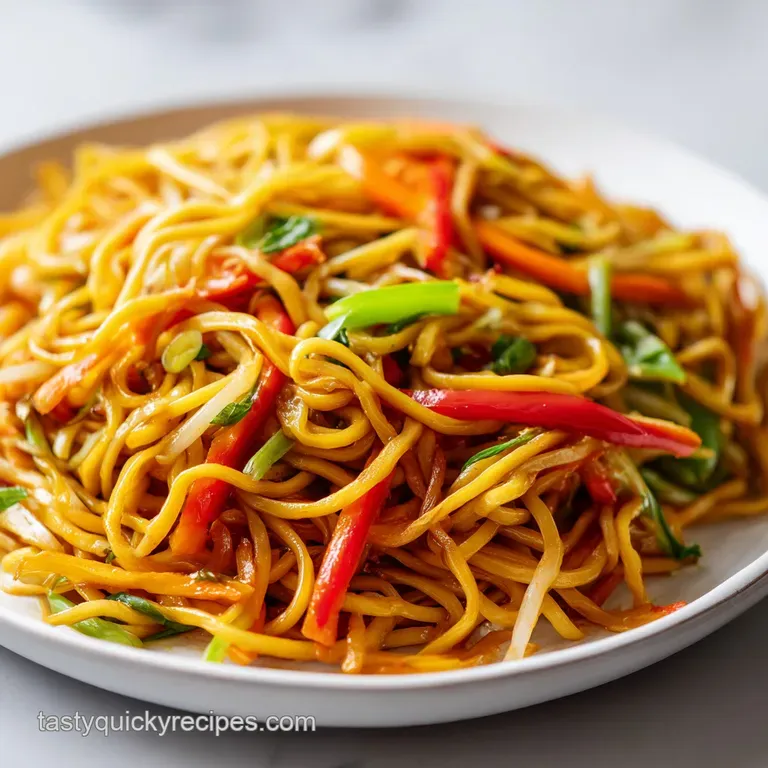
Why Your Noodles Are Mushy
The most common mistake is boiling the noodles for the full time listed on the package. Fresh noodles cook incredibly fast. If you boil them to "done" in the water, they will turn into a paste the second they hit the steam in the stir fry pan. Always aim for al dente or slightly under.
Why Your Stir Fry Is Watery
This usually happens if you wash your vegetables and don't dry them properly. Water on the cabbage will turn into steam, which "stews" the dish instead of frying it. Also, don't overcrowd the pan; if you're making a double batch, do it in two turns.
| Problem | Root Cause | Solution |
|---|---|---|
| Sticky Noodles | Excess surface starch | Rinse thoroughly in cold water after boiling. |
| Bland Flavor | Sauce didn't caramelize | Ensure the pan is screaming hot before adding the sauce. |
| Dry Noodles | Sauce absorbed too fast | Add 1-2 tbsp of water or chicken broth to loosen. |
Common Mistakes Checklist: ✓ Never skip the cold water rinse for the noodles; it's vital for the "chew." ✓ Pat the chicken breast dry before slicing to ensure a good sear. ✓ Don't use a low smoke point oil like butter or extra virgin olive oil.
✓ Prepare all ingredients (mise en place) before turning on the heat. ✓ Use a pan that is at least 12 inches wide to allow for air circulation.
Adapting for Different Diets
You can easily tweak this recipe to fit your household's needs. If you're looking for something even faster on a Monday night, you could try a Beef Ramen Noodles recipe, which uses a similar flavor profile but relies on quick cooking ramen blocks.
For a Vegan Alternative
Swap the oyster sauce for a mushroom based stir fry sauce. It has that same thick, syrupy consistency and a heavy hit of umami. For protein, use extra firm tofu that has been pressed and seared until crispy.
For a gluten-free Version
This is a bit trickier because of the egg noodles. You'll need to use wide rice noodles (like the ones for Pad Thai) and replace all soy sauces with Tamari or liquid aminos. Make sure your oyster sauce is also certified gluten-free, as many brands use wheat flour as a thickener.
Adjusting the Batch Size
Scaling Down (1-2 Servings): Use a smaller 8 inch skillet to keep the sauce from evaporating too quickly. Reduce the cook time for the vegetables by about 30 seconds. If using half an egg, beat it in a cup first and measure out 2 tablespoons.
Scaling Up (8 Servings):Do not double the recipe in one pan. Most home burners cannot maintain the heat required for 24 oz of noodles. Cook the chicken and vegetables in batches, then combine everything with the noodles in a very large bowl or the wok at the very end just to warm through.
Increase the aromatics (garlic/ginger) by 1.5x rather than 2x to avoid overpowering the dish.
Storing and Reheating Leftovers
Storage: Store any leftover Lo Mein Noodles in an airtight container in the fridge for up to 3 days. The noodles will actually absorb more of the sauce as they sit, making them even more flavorful the next day.
Freezing: I don't recommend freezing this dish. The cabbage and carrots lose their structural integrity and become watery when thawed, and the egg noodles can become grainy.
Reheating: Avoid the microwave if possible, as it can make the noodles rubbery. Instead, toss them back into a hot skillet with a tiny splash of water or chicken broth. This recreates the steam needed to loosen the sauce and revive the silky texture.
Zero Waste Tip: Don't throw away those broccoli stalks or the core of the cabbage. Peel the woody exterior of the broccoli stalk and julienne the inside just like the carrots. It adds a wonderful crunch and saves money!
Plating Like a Pro Cook
To get that restaurant style height, use a pair of long kitchen tweezers or a pasta fork. Grab a large portion of noodles, lift them high above the plate, and rotate the plate as you lower them. This creates a "nest" effect rather than a flat pile.
Top the dish with the reserved green onion tops and a sprinkle of toasted sesame seeds. If you like heat, a drizzle of chili oil or a dollop of crispy garlic chili sauce right on top adds a beautiful pop of red and a layer of complexity.
Trust me, the visual of those glossy, dark noodles piled high is half the enjoyment!
Myths About Stir Frying Noodles
Myth 1: You need a commercial grade burner for "Wok Hei." While a 100,000 BTU burner helps, you can achieve a similar "breath of the wok" flavor by letting your cast iron skillet get smoking hot before adding the oil. It’s about the contact time with the hot surface, not just the flame height.
Myth 2: Fresh noodles don't need to be boiled. Some people think you can throw fresh noodles straight into the sauce. Unless they are "pre cooked" vacuum sealed noodles, they will be gummy and have a raw flour taste. A 2 minute blanch is non negotiable for the right texture.
Myth 3: More soy sauce equals more flavor. Actually, over relying on soy sauce just makes the dish salty and wet. The balance of the sugar and the oyster sauce is what creates the "clinging" texture we want. If it tastes flat, it usually needs a tiny bit more sugar or white pepper, not more salt.
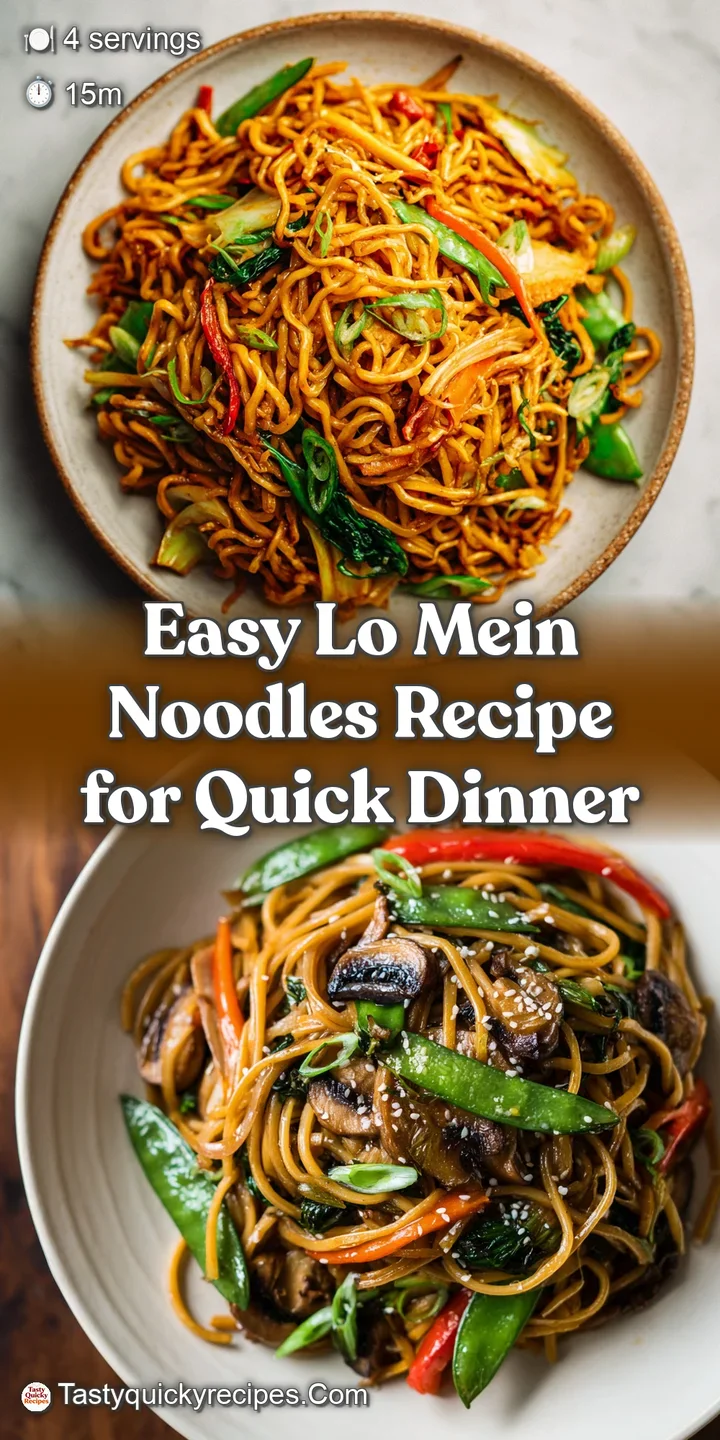
Critical High in Sodium
1180 mg mg of sodium per serving (51% of daily value)
The American Heart Association recommends limiting sodium intake to about 2,300mg per day for adults. This recipe exceeds half the recommended daily intake in a single serving.
Tips to Reduce Sodium in Your Lo Mein
-
Reduce Soy Sauce-30%
Soy sauce is a major contributor to the sodium content. Reduce the amount of light soy sauce by half and eliminate the dark soy sauce entirely. Use low-sodium soy sauce instead.
-
Oyster Sauce Alternative-25%
Oyster sauce is very high in sodium. Substitute it with a homemade sauce using low-sodium chicken broth, a touch of cornstarch, and a small amount of molasses for color and sweetness. Start with a 1/4 cup of low-sodium chicken broth, and adjust to taste and desired consistency.
-
Fresh is Best-10%
Ensure all vegetables are fresh, not canned or pre-prepared, as these often contain added salt. Rinse shredded cabbage to remove excess sodium.
-
Control Chicken Sodium-10%
If using chicken, ensure it's fresh and unprocessed. Avoid pre-seasoned or pre-cooked chicken, as these frequently contain added sodium. Season the chicken yourself with sodium free spices.
-
Noodle Choice-5%
Lo Mein noodles can sometimes be high in sodium. Check the nutrition label and opt for a lower sodium alternative, or rinse the noodles after cooking to remove excess sodium.
-
Flavor with Herbs
Enhance the flavor with fresh herbs like cilantro, basil, or mint. Also, experiment with ginger, garlic and chilies to make up for the lack of saltiness.
Recipe FAQs
What kind of noodles are used for Lo Mein?
Fresh wheat flour egg noodles. These noodles are typically sold fresh or refrigerated in Asian grocery stores and have a superior bouncy texture compared to dried varieties.
Are spaghetti noodles and lo mein noodles the same?
No, they are not the same, but spaghetti is the closest dried substitute. Lo Mein noodles are generally thicker and have a higher alkaline content, but if you boil spaghetti with a teaspoon of baking soda, you can mimic the chewiness.
What is the difference between Lo Mein and Chow Mein?
Lo Mein noodles are soft and tossed, while Chow Mein noodles are usually crispier and fried. Lo Mein features soft, boiled noodles coated in sauce, whereas Chow Mein often involves pan-frying the noodles until they develop a distinct crunchy texture.
What noodles are closest to Lo Mein noodles?
Fresh Cantonese egg noodles are the closest substitute. If you must use dried, look for a thick, round spaghetti or Japanese Udon noodles, though Udon may require longer cooking times.
How do I keep my Lo Mein noodles from clumping after boiling?
Rinse the cooked noodles immediately with cold water after draining. This stops the cooking process and washes away the excess surface starch that causes the strands to stick together in a dense mass.
How do I achieve that deep mahogany color in Lo Mein sauce?
Use a small amount of dark soy sauce along with light soy sauce. Dark soy sauce contains molasses which imparts the rich color without significantly increasing the saltiness, giving that signature restaurant look.
Why do my Lo Mein noodles always come out watery instead of coated?
You are likely overcrowding the pan or adding ingredients that release too much moisture. Ensure your wok or skillet is extremely hot to flash fry the sauce, creating a quick reduction that clings to the noodles; this high heat technique is key to successful stir frying.
Lo Mein Noodles Recipe
Ingredients:
Instructions:
Nutrition Facts:
| Calories | 439 kcal |
|---|---|
| Protein | 26 g |
| Fat | 14 g |
| Carbs | 53 g |
| Fiber | 3.5 g |
| Sugar | 5 g |
| Sodium | 1180 mg |
