Lasagna or Lasaniya Bateta: Rich Ragu
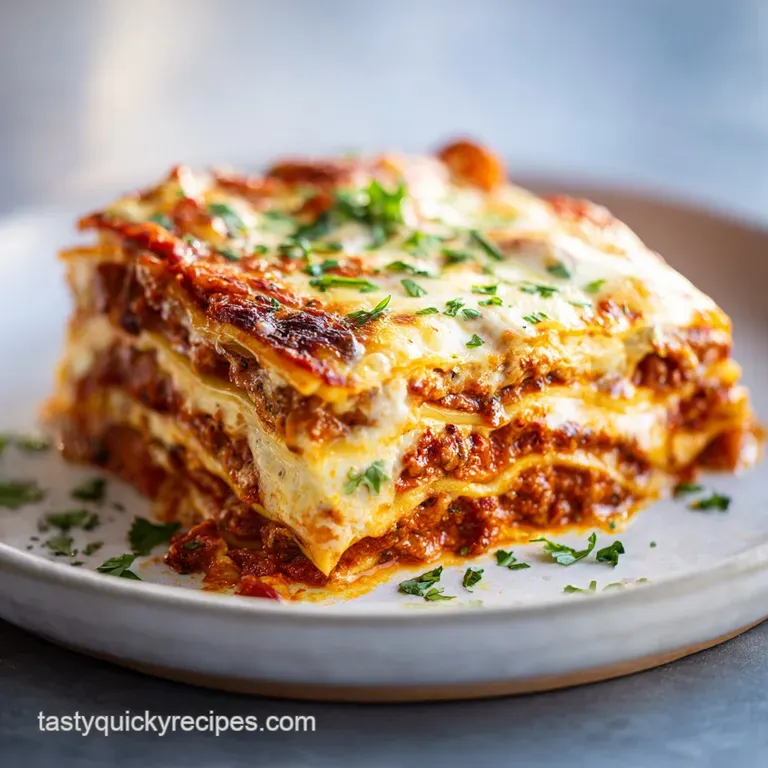
- Time: Active 30 minutes, Passive 1 hours 30 mins, Total 2 hours
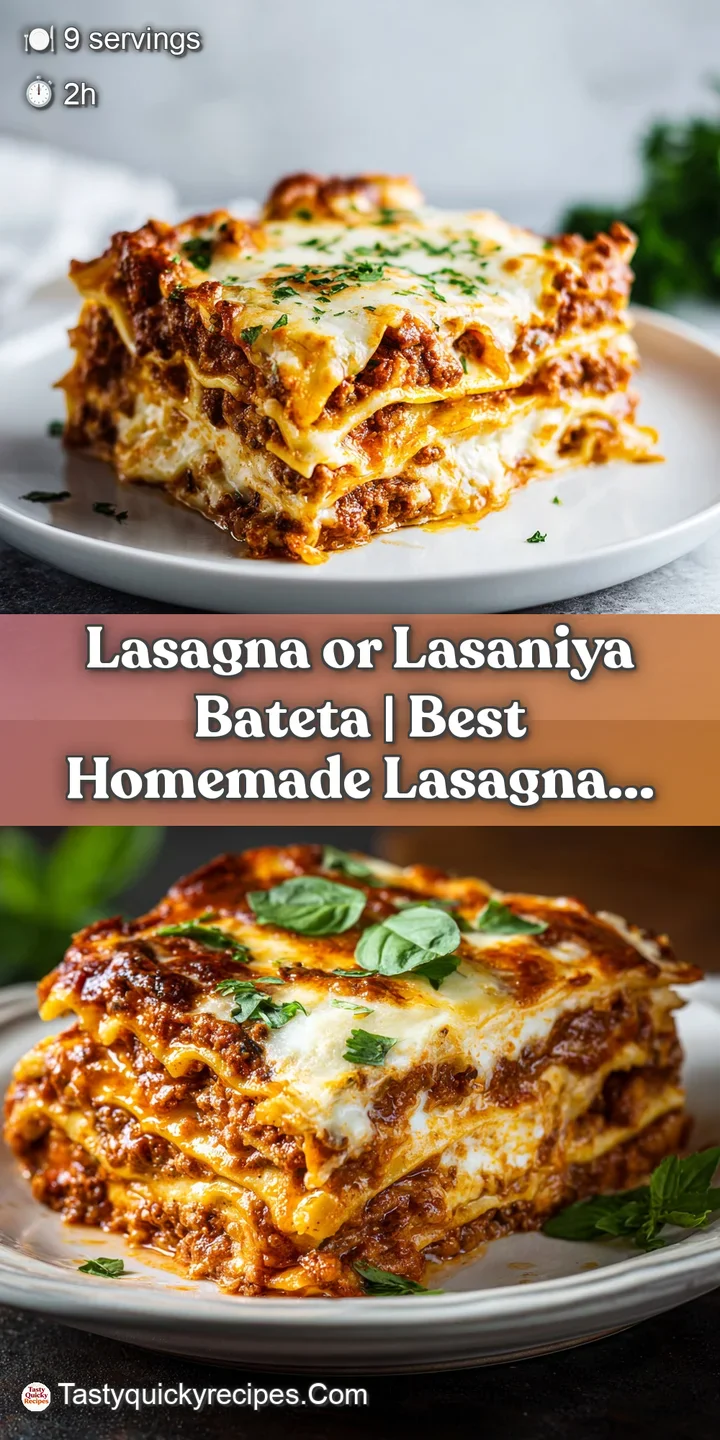
- Flavor/Texture Hook: Velvety cream sauce meets a rich, savory meat ragu with a bubbly, golden cheese crust.
- Perfect for: Sunday meal prep or a high energy midday family feast.
- Master the Ultimate Lasagna or Lasaniya Bateta
- The Architecture of a Satisfying Bake
- Component Analysis for Maximum Energy
- The Alchemy of Umami Elements
- Essential Kitchen Tools for Success
- Building the Perfect Fueling Layers
- Solving the Common Assembly Mishaps
- Adapting the Recipe for Everyone
- Proper Storage for Midday Leftovers
- Hearty Sides for Complete Satiety
- Debunking Traditional Italian Cooking Lore
- High in Sodium
- Recipe FAQs
- 📝 Recipe Card
Master the Ultimate Lasagna or Lasaniya Bateta
The sizzle of ground beef hitting a hot stainless steel pan is the unofficial starting gun for a great weekend. I remember the first time I tried to rush this recipe; I ended up with a soupy mess that tasted like plain canned tomatoes.
It was a disaster, but it taught me the most important lesson in Italian style cooking: patience is an actual ingredient. Now, when that aroma of garlic and oregano starts swirling through the kitchen, I know I'm on track for a meal that really sticks to your ribs and keeps you energized.
We aren't just making a quick pasta bake here. This is a project that rewards you with layers of flavor that feel incredibly satisfying. By the time you pull this out of the oven, the edges will be crispy, the cheese will shatter slightly under your fork, and the center will be molten and rich.
It’s the kind of hearty lunch that fuels a productive afternoon without the heavy "food coma" that comes from poorly made, greasy versions.
Right then, let's get into why this specific method works so well. We're ditching the grainy ricotta and opting for a smooth Béchamel. This isn't just a fancy French whim it's the secret to that classic, silky texture you find in the best trattorias.
Whether you call it a classic lasagna or Lasaniya Bateta, the goal is the same: a perfect balance of meat, sauce, and pasta. Trust me on this, once you go Béchamel, you’ll never go back to the tub of white cheese again.
The Architecture of a Satisfying Bake
- Maillard Mastery: Searing the beef chuck and Italian sausage at high heat creates complex flavor compounds through the Maillard reaction, providing that deep, savory base.
- Béchamel Binding: Unlike ricotta which can release water, a flour and butter based white sauce creates a stable emulsion that holds the layers together firmly.
- Slow Reduction: Simmering the San Marzano tomatoes for 45 minutes breaks down the pectin, resulting in a thick, concentrated sauce that won't make the noodles soggy.
- Starch Gelatinization: The dried noodles absorb the moisture from the sauces while baking, swelling to a tender consistency that provides a satisfying bite.
The Science of Structural Integrity
The secret to this Lasagna or Lasaniya Bateta is the fat to flour ratio in the white sauce. By whisking room temperature milk into a cooked roux, we create a velvety matrix of starch molecules that trap moisture.
This prevents the "leakage" often seen in home cooked versions, ensuring every slice stays tall and proud on your plate.
| Method | Time | Texture | Best For |
|---|---|---|---|
| Traditional Bake | 2 hours | Firm, distinct layers | Sunday family fuel |
| Skillet Version | 35 mins | Loose, rustic | Quick weekday energy |
| No Boil Shortcut | 1 hour 15 mins | Softer noodle | Minimal cleanup |
Choosing the right method depends on how much time you have to invest in your kitchen therapy. While the traditional bake takes more patience, the flavor development is significantly more intense. If you're in a massive rush, you might prefer a Skillet Lasagna Recipe for a faster hit of those same flavors.
Component Analysis for Maximum Energy
| Ingredient | Science Role | Pro Secret |
|---|---|---|
| Ground Beef Chuck | Provides structure and iron for energy | Use 80/20 fat ratio for the best flavor release |
| San Marzano Tomatoes | High acidity balances the rich fats | Hand crush them for a rustic, chunky texture |
| Whole Milk | Bases the Béchamel for a silky mouthfeel | Use room temp to avoid lumps in your sauce |
| Italian Sausage | Adds fennel and spice complexity | Brown it until it's nearly crispy for extra texture |
A satisfying meal starts with quality building blocks. The Italian sausage isn't just there for bulk; the spices inside it infuse the entire ragu. When you buy your meat, look for beef chuck specifically it has enough fat to stay juicy through the long bake time without turning the dish into an oil slick.
The Alchemy of Umami Elements
To get this recipe of lasaniya right, you need to be precise with your elements. This isn't a "toss it all in" situation; it’s a construction project where every layer counts.
- 1 lb ground beef chuck: The backbone of the dish. Why this? Higher fat content ensures the meat stays tender after 90 minutes of cooking.
- Sub: Ground turkey (Add 1 tbsp olive oil to mimic the fat).
- 0.5 lb Italian sausage: Adds heat and herbal notes.
- Sub: Ground pork with an extra 1 tsp fennel seeds.
- 1 medium yellow onion & 4 cloves garlic: The aromatic foundation.
- 1 large carrot: Naturally sweetens the acidic tomatoes.
- 1 cup dry red wine: Use something you'd actually drink, like a Merlot or Chianti.
- 28 oz crushed San Marzano tomatoes: These are less acidic and more flavorful.
- 2 tbsp tomato paste: Concentrates the "tomato ness" of the sauce.
- 1 tsp dried oregano & 0.5 cup fresh basil: For that classic Italian garden aroma.
- 4 tbsp unsalted butter & 0.25 cup all purpose flour: The base of your roux.
- 3 cups whole milk: Room temperature is non negotiable for a smooth sauce.
- 1 pinch freshly grated nutmeg: The "hidden" flavor that makes Béchamel pop.
- 12 dried lasagna noodles: I prefer the classic ridged kind for better sauce clinging.
- 3 cups low moisture mozzarella: Shred it yourself to avoid the powdery anti clumping agents.
- 1 cup freshly grated Parmesan Reggiano: Adds a salty, nutty finish.
If you find yourself short on time but still want those cheese heavy vibes, you could try a Ravioli Lasagna Bake recipe which uses pre made pasta to cut down the assembly work. But for the full "from scratch" experience, these ingredients are your gold standard.
Essential Kitchen Tools for Success
You don't need a professional kitchen, but a few specific tools make the Lasagna or Lasaniya Bateta process much smoother. A heavy bottomed Dutch oven (like a Lodge) is your best friend for the meat sauce because it holds heat evenly and prevents scorching.
For the assembly, a 9x13 inch ceramic or glass baking dish is the standard. I personally love ceramic because it looks great on the table and holds heat for ages, keeping your second helping just as warm as the first.
A sturdy wire whisk is also vital for the Béchamel don't try to use a fork, or you'll end up with a lumpy mess that feels like wet cardboard.
Building the Perfect Fueling Layers
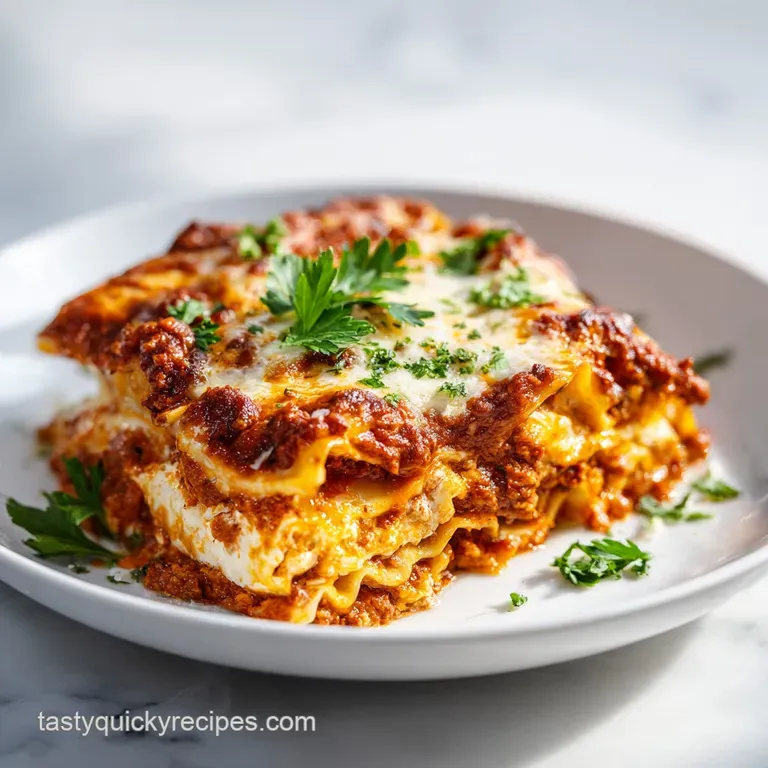
Phase 1: Flavor Foundation (The Ragu)
- Sizzle the meats. In a large pot, brown the beef and sausage over medium high heat. Break them into small crumbles until deeply browned and crispy.
- Sauté the aromatics. Remove the meat, leave the fat, and toss in the onion, garlic, and grated carrot. Cook for 5 mins until the onions are translucent and soft.
- Deglaze the pan. Pour in the red wine, scraping up all those dark bits (the fond) from the bottom. Let it reduce by half.
- Simmer the sauce. Stir in the tomatoes, tomato paste, oregano, and the cooked meat. Lower the heat and simmer for 45 mins. Stir in fresh basil at the end. Note: This long simmer removes the raw tomato metallic taste.
Phase 2: Mastering the Béchamel
- Create the roux. Melt butter in a saucepan, whisk in the flour, and cook for 2 mins until it smells slightly nutty but doesn't brown.
- Whisk the milk. Slowly stream in the milk, whisking constantly. Simmer for 5-7 mins until it coats the back of a spoon. Season with salt, pepper, and nutmeg.
Phase 3: The Architecture of Layering
- Start the base. Spread a thin layer of meat sauce in your baking dish. Place 3-4 noodles on top.
- Build the stacks. Add more meat sauce, a drizzle of Béchamel, and a handful of mozzarella. Repeat until you reach the top of the dish (usually 4 layers).
- The final crown. The top layer should be noodles, the remaining Béchamel, and a heavy coating of mozzarella and Parmesan.
Phase 4: The Maillard Finish
- Bake and rest. Cover with foil and bake at 375°F (190°C) for 25 mins. Remove foil and bake another 20 mins until the cheese is bubbling and spotted with brown. Let it rest for 15 mins before slicing. Note: Resting allows the layers to set so they don't slide apart.
Solving the Common Assembly Mishaps
Why Your Lasagna is Soupy
If your Lasagna or Lasaniya Bateta comes out of the oven sitting in a pool of liquid, your sauce likely didn't reduce enough. Tomatoes are about 90% water; if you don't simmer that moisture away on the stovetop, it has nowhere to go but the bottom of your pan.
Another culprit is using fresh mozzarella, which has a very high water content compared to the low moisture blocks.
Burnt Cheese Tops
We all want that golden crust, but there’s a fine line between "charred" and "carbon." If your cheese is browning too fast while the noodles are still crunchy, your oven might be running hot or you've placed the rack too high. The foil cover in the first half of baking is your insurance policy against this.
| Problem | Root Cause | Solution |
|---|---|---|
| Rubbery Noodles | Not enough sauce moisture | Ensure the noodles are completely covered by sauce edges |
| Bland Flavor | Under seasoned meat | Season each component (meat, Béchamel) separately |
| Falling Apart | Slicing too early | Wait 15-20 mins; the Béchamel needs time to thicken |
Common Mistakes Checklist
- ✓ Don't rinse your pasta if you boil it the starch helps the sauce stick.
- ✓ Pat the grated carrots dry to prevent extra water in the ragu.
- ✓ Preheat your oven for at least 20 minutes before the dish goes in.
- ✓ Shred your own cheese for a much better melt and "cheese pull."
- ✓ Always place the baking dish on a sheet pan to catch any bubbling drips.
Adapting the Recipe for Everyone
If you’re cooking for a smaller crew, this recipe scales down easily. For a half batch, use an 8x8 inch square pan and reduce the baking time by about 10 minutes. Since you can't easily use half an egg (though this recipe doesn't use them!), scaling is mostly about the volume of sauce.
If you have leftovers, they actually taste better the next day as the flavors continue to marry.
For a massive crowd (up to 18 people), you can double everything and use two 9x13 pans. Just keep in mind that when doubling the spices, start with 1.5x the amount and taste. Spices don't always scale linearly and can become overpowering if you simply double them. If you’re looking for a specifically sized recipe for a big group, you might find my Lasagna for 10 People recipe helpful for prep logistics.
Proper Storage for Midday Leftovers
Storing Lasagna or Lasaniya Bateta is a dream. In the fridge, it stays fresh and delicious for up to 4 days. In fact, many people (myself included) think it’s better on Tuesday than it was on Sunday. The noodles soak up any remaining stray moisture, and the spices mellow out into a perfectly balanced bite.
For the freezer, you can freeze individual slices wrapped tightly in plastic wrap and then foil for up to 3 months. To reheat, don't use the microwave if you can avoid it; it makes the noodles rubbery.
Instead, pop a slice in the oven at 350°F (180°C) covered with foil for 15 minutes. Zero waste tip: If you have leftover meat sauce, toss it with some rigatoni for a quick Tuesday lunch, or use leftover Béchamel as a base for a cheesy broccoli side dish.
Hearty Sides for Complete Satiety
To make this a truly fueling midday meal, you want sides that offer a crisp contrast to the rich, soft layers of the lasagna. A sharp, lemony arugula salad is my go to. The bitterness of the greens cuts right through the fat of the sausage and the creamy Béchamel, refreshing your palate between bites.
If you’re looking for the full "comfort" experience, garlic bread is the obvious choice. Use a crusty baguette to mop up every last drop of that San Marzano sauce. Since this dish is already quite carb heavy, I usually stick to roasted vegetables like balsamic glazed Brussels sprouts or charred broccolini to keep the meal feeling balanced and energizing.
Debunking Traditional Italian Cooking Lore
One of the biggest myths is that you MUST boil your noodles before layering. Honestly, unless you’re using very thick, artisanal pasta, most dried noodles will cook perfectly fine in the oven if your sauce has enough moisture.
Skipping the boil saves time and prevents those annoying "stuck together" noodle clumps.
Another common misconception is that searing meat "seals in the juices." Science tells us this isn't true moisture is lost during the browning process regardless. However, we sear the beef and sausage because it creates the Maillard reaction, which is where all that complex, savory flavor comes from.
So, keep searing, just do it for the taste, not the "seal." Finally, don't worry about using "cooking wine." Use a wine you enjoy drinking; if it tastes bad in a glass, it will taste bad in your sauce.
This Homemade lasagna recipe is all about the process. Take your time with the Béchamel, let that ragu simmer until it's thick and dark, and I promise you'll have a meal that everyone will be asking for again next week. It’s hearty, it’s fueling, and it’s a total classic for a reason.
Let's crack on and get that oven preheated!
High in Sodium
892 mg mg of sodium per serving (39% % of daily value)
The American Heart Association recommends limiting sodium intake to about 2,300mg per day for overall cardiovascular health.
Easy Tips to Reduce Sodium in Your Lasagna
-
Swap Sausage-25%
Italian sausage is a significant source of sodium. Replace it with an equal amount of ground beef chuck to reduce the sodium content. Consider using lean ground beef for added health benefits and flavor with spices.
-
Low-Sodium Cheese-15%
Mozzarella and Parmesan are high in sodium. Use low-moisture, part skim mozzarella with a lower sodium content. Alternatively, reduce the amount of Parmesan Reggiano by half.
-
No-Salt Added Tomatoes-15%
Opt for crushed San Marzano tomatoes with no added salt or look for low-sodium versions. This simple swap can significantly decrease the overall sodium level in your sauce.
-
Skip Added Salt-10%
This recipe doesn't explicitly call for salt, but avoid adding any extra salt during any stage of the cooking process. Taste as you go and rely on herbs and spices for flavor.
-
Flavor Boost
Enhance the flavor with fresh herbs and spices! Experiment with garlic powder, onion powder, black pepper, and a variety of fresh herbs to elevate the taste without adding sodium.
Recipe FAQs
What are the main ingredients of lasagna?
Pasta sheets, meat ragu, Béchamel sauce, and cheese. The ragu typically uses beef and Italian sausage, while the Béchamel provides the silky texture that binds the layers together, replacing traditional ricotta.
What is the secret ingredient in lasagna?
A tiny pinch of freshly grated nutmeg in the Béchamel sauce. This spice elevates the classic white sauce, adding a subtle warmth that complements the rich meat without tasting distinctly of nutmeg.
What are the steps to making lasagna?
Simmer the ragu, prepare the Béchamel, assemble the layers, and bake covered then uncovered. Begin by cooking the meat and tomatoes until the sauce is thick, then construct the layers starting and ending with sauce and cheese, ensuring you rest the finished dish before slicing.
How to make lasagna at home from scratch?
Brown the beef and sausage, sauté aromatics, then simmer the meat mixture with crushed tomatoes for at least 45 minutes to develop the ragu flavor. Separately, create a roux and slowly whisk in room temperature milk for the Béchamel, then layer these sauces between dried lasagna sheets.
Is it true you must boil the lasagna noodles first?
No, this is a common misconception. Most dried, ridged lasagna noodles cook perfectly well submerged in the sauces during the long bake time, saving you significant effort and mess.
Why did my homemade lasagna turn out soupy?
Your sauce likely lacked sufficient reduction time. If you skip simmering the meat sauce long enough, the excess water releases during baking and pools at the bottom; for richer flavor development using similar heat principles, check out our Beef and Broccoli recipe.
What should I serve with Lasagna for a complete meal?
A sharp, acidic green salad provides the best contrast. A simple arugula salad dressed with lemon and olive oil cuts through the richness of the meat and cheese, creating a palate reset between bites.
Lasagna Or Lasaniya Bateta
Ingredients:
Instructions:
Nutrition Facts:
| Calories | 668 kcal |
|---|---|
| Protein | 35.8 g |
| Fat | 37.2 g |
| Carbs | 38.6 g |
| Fiber | 3.1 g |
| Sugar | 8.4 g |
| Sodium | 892 mg |
