Korean Recipe with Bulgogi Beef: Sweet & Savory
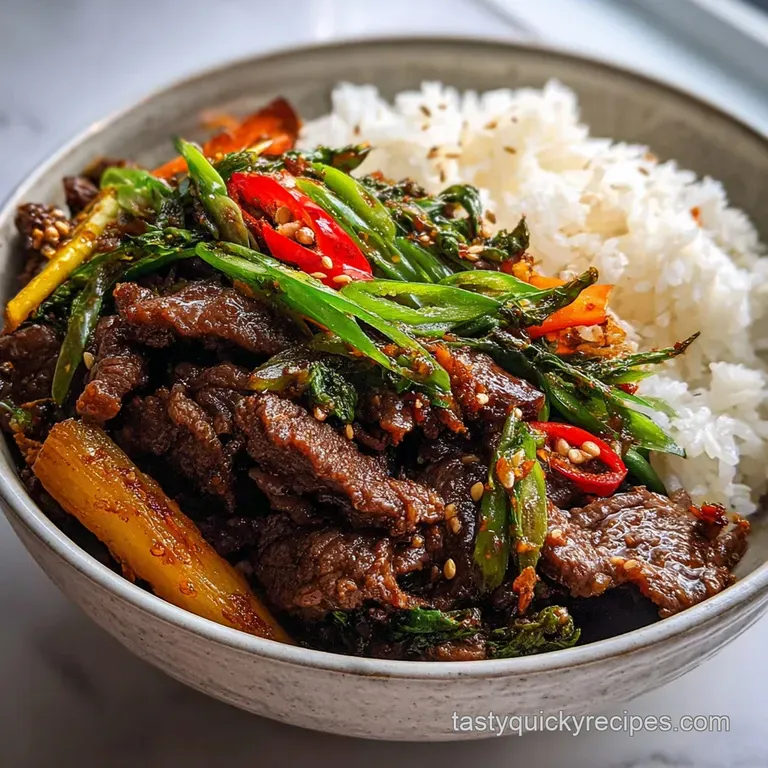
- Time: Active 20 minutes, Passive 1 hours 10 mins, Total 1 hours 30 mins
- Flavor/Texture Hook: Silky, caramelized beef with a nutty sesame finish
- Perfect for: High energy weeknight dinners or impressive family gatherings
- Authentic Korean Recipe with Bulgogi Beef
- Essential Techniques for Maximum Flavor
- Ingredient Component Analysis
- Gathering Your Essentials
- Tools for a Perfect Sear
- Step-by-Step Cooking Flow
- Common Mistakes and Fixes
- Simple Ways to Adapt
- Truths About Searing Beef
- Storing and Using Leftovers
- Perfect Side Dish Pairings
- Very High in Sodium
- Recipe FAQs
- 📝 Recipe Card
Authentic Korean Recipe with Bulgogi Beef
Imagine walking into a kitchen where the air is thick with the scent of toasted sesame oil, bubbling soy sauce, and the sharp, sweet bite of fresh ginger. That's the magic of this Korean Recipe with Bulgogi Beef. It's the kind of meal that stops everyone in their tracks.
I remember the first time I tried to make this, I skipped the pear and ended up with something that tasted okay but felt like chewing on a rubber band. Now, I know better, and I'm sharing the secrets that turn basic stir fry into a legitimate table side feast.
We've all been there, juggling a million things while trying to get a flavorful meal on the table. This dish is my secret weapon because most of the work happens while you're doing something else. You prep the marinade, let the beef hang out, and then it’s a over high heat sprint to the finish.
It's fast, it’s punchy, and it’s honestly one of the most rewarding things you can cook in a single skillet.
What sets this version apart is the texture. We aren't just splashing sauce on meat. We are transforming the fibers of the ribeye using science and tradition. You’ll get those crispy, charred edges that taste like a backyard grill, even if you’re just using a standard stovetop pan.
Let's get into what actually makes this work so you can stop guessing and start cooking.
Essential Techniques for Maximum Flavor
Success with this Korean Recipe with Bulgogi Beef depends on two things: the slice and the sear. If the meat is too thick, it’s tough. If the pan isn’t hot enough, the meat steams instead of browning. We want that beautiful caramelization that only happens when sugar meets intense heat.
Enzymatic Tenderization: The Asian pear contains calpain, an enzyme that breaks down tough muscle proteins without making the meat mushy.
Maillard Reaction: High heat creates a chemical reaction between amino acids and reducing sugars, resulting in that distinct savory crust.
Surface Area Optimization: Slicing against the grain creates more surface area for the marinade to penetrate and ensures a tender bite.
Flash Searing: Cooking in small batches prevents the pan temperature from dropping, which avoids the dreaded "grey meat" look.
| Method | Time | Texture | Best For |
|---|---|---|---|
| Cast Iron Skillet | 5-7 minutes | Maximum char, crispy edges | Recreating the BBQ feel at home |
| Stainless Steel Pan | 6-8 minutes | Even browning, great fond | Making a pan sauce afterward |
| Air Fryer | 8-10 minutes | Slightly drier, very crispy | Quick cleanup and hands off cooking |
Right then, choosing the right method depends on how much you want to scrub later. I usually go for the cast iron because nothing beats that heavy sear. If you are looking for a different vibe, you might enjoy the technique used in my Ground Beef Recipe which focuses on a similar garlic herb profile but with a different texture.
Ingredient Component Analysis
| Ingredient | Science Role | Pro Secret |
|---|---|---|
| Asian Pear | Proteolytic enzyme source | Grate it into a pulp so it dissolves into the sauce |
| Brown Sugar | Caramelization agent | Use dark brown sugar for deeper molasses notes |
| Sesame Oil | Fat soluble aromatic | Add half to the marinade and a splash at the very end |
You really can't skip the pear. If you can't find an Asian pear, a Bosc pear or even a grated Fuji apple will do the trick in a pinch. The sugar isn't just for sweetness, it’s the fuel for the browning process. Without it, you’ll never get those dark, delicious bits that stick to the rice.
Gathering Your Essentials
For this recipe, we are sticking to the classics. high-quality soy sauce and fresh aromatics are non negotiable. I've found that using low sodium soy sauce gives you much more control over the final seasoning without making the dish an salt bomb.
- 1.5 lbs Ribeye steak: Sliced paper thin against the grain. Why this? High fat content ensures the meat stays juicy under high heat.
- 1/2 cup low sodium soy sauce: The salty base for the marinade.
- 1/4 cup brown sugar: For sweetness and that perfect sticky glaze.
- 1/2 Asian pear: Peeled and grated. Why this? Essential for tenderizing the ribeye fibers naturally.
- 3 tbsp toasted sesame oil: Provides the signature nutty aroma.
- 4 cloves garlic: Minced into a fine paste.
- 1 tbsp fresh ginger: Grated finely to release its juices.
- 2 green onions: Finely chopped for both flavor and garnish.
- 1/2 tsp black pepper: For a subtle, sharp bite.
- 1 tbsp toasted sesame seeds: Adds a light crunch and visual appeal.
- 1 white onion: Thinly sliced to cook alongside the beef.
| Original Ingredient | Substitute | Why It Works |
|---|---|---|
| Ribeye Steak | Flank Steak | Leaner but still flavorful. Note: Must slice very thin to avoid toughness. |
| Asian Pear | Fuji Apple | Contains similar enzymes. Note: Slightly sweeter, so reduce sugar by 1 tsp. |
| Soy Sauce | Liquid Aminos | gluten-free alternative. Note: Has a milder, slightly sweeter profile. |
Tools for a Perfect Sear
You don't need a professional kitchen, but a few specific tools make this Korean Recipe with Bulgogi Beef much easier to handle. A sharp knife is your best friend here. If your knife is dull, you’ll struggle to get those thin slices, and the meat will end up chunky.
I highly recommend a cast iron skillet if you have one. It holds heat better than any other pan, which is vital when you throw cold meat onto the surface. You also want a solid pair of tongs. Using a spatula can sometimes tear the delicate slices of beef.
If you’re used to working with larger cuts like in a Beef Tenderloin Recipe, you’ll notice this moves much faster. Everything is about speed once the pan is hot. Have a clean platter ready next to the stove so you can pull the meat off the second it's done.
step-by-step Cooking Flow
- Freeze the ribeye. Place the steak in the freezer for 30 minutes. Note: This firms the meat, making it much easier to slice into thin, uniform strips.
- Slice the beef. Cut the 1.5 lbs ribeye against the grain into 1/8 inch thick slices. Look for the white fat lines and cut across them.
- Prepare the marinade. In a large bowl, whisk 1/2 cup soy sauce, 1/4 cup brown sugar, grated 1/2 Asian pear, 3 tbsp sesame oil, 4 cloves garlic, 1 tbsp ginger, and 1/2 tsp black pepper.
- Combine and rest. Add the beef and the sliced white onion to the bowl, tossing to coat every piece. Note: Massaging the meat with your hands helps the enzymes penetrate faster.
- Marinate the mixture. Cover and refrigerate for at least 1 hour. The meat should look slightly darker as it absorbs the soy.
- Preheat the skillet. Heat a large cast iron pan over high heat until it starts to smoke slightly.
- Sear in batches. Add a small amount of oil, then add the beef in a single layer. Listen for a loud, aggressive sizzle.
- Flip and finish. Cook for 2 minutes per side until the edges are charred and the sauce has thickened into a glaze.
- Garnish and serve. Remove from heat and sprinkle with 1 tbsp sesame seeds and chopped green onions.
Common Mistakes and Fixes
Why Your Beef is Chewy
This usually happens if the meat wasn't sliced thin enough or if you cut with the grain instead of against it. If you find the meat is too tough, you can try adding a splash of water and simmering it for a few minutes to soften the fibers, though you’ll lose the crispiness.
Why the Sauce is Watery
If you overcrowd the pan, the temperature drops and the meat releases its juices, effectively boiling the beef. This ruins the texture. Work in smaller batches to ensure the liquid evaporates instantly into a sticky glaze.
| Problem | Root Cause | Solution |
|---|---|---|
| Meat looks grey | Pan wasn't hot enough | Wait for the oil to shimmer/smoke before adding beef. |
| Sauce is too salty | Too much soy sauce | Add a teaspoon of rice vinegar or more pear pulp to balance. |
| Beef is mushy | Marinated too long | Never exceed 24 hours, as the enzymes will break the meat down too much. |
Common Mistakes Checklist ✓ Pat the meat dry if it looks excessively wet before hitting the pan (though with marinade, this is tricky, just don't dump the bowl liquid in). ✓ Ensure the pan is screaming hot before the first batch.
✓ Don't stir the meat constantly, let it sit for a minute to get that dark crust. ✓ Use a neutral oil with a high smoke point, like avocado or canola oil.
Simple Ways to Adapt
Scaling this Korean Recipe with Bulgogi Beef is fairly straightforward since it's a skillet meal. If you are cooking for a crowd, don't try to double the recipe in one pan. You’ll end up with a soupy mess.
Instead, keep the batches small and store the cooked meat in a warm oven (about 200°F) until everything is finished.
For a smaller portion, like a dinner for two, just halve everything. However, I still recommend using the full half pear for the tenderizing power, even if you’re using less meat. If you're looking for a slower way to prep beef for the week, you might find my Crockpot Beef Recipe more aligned with your schedule.
If you want a Korean Bulgogi Burger Recipe experience, take the marinated meat, chop it even finer after cooking, and pile it onto a toasted brioche bun with kimchi and spicy mayo.
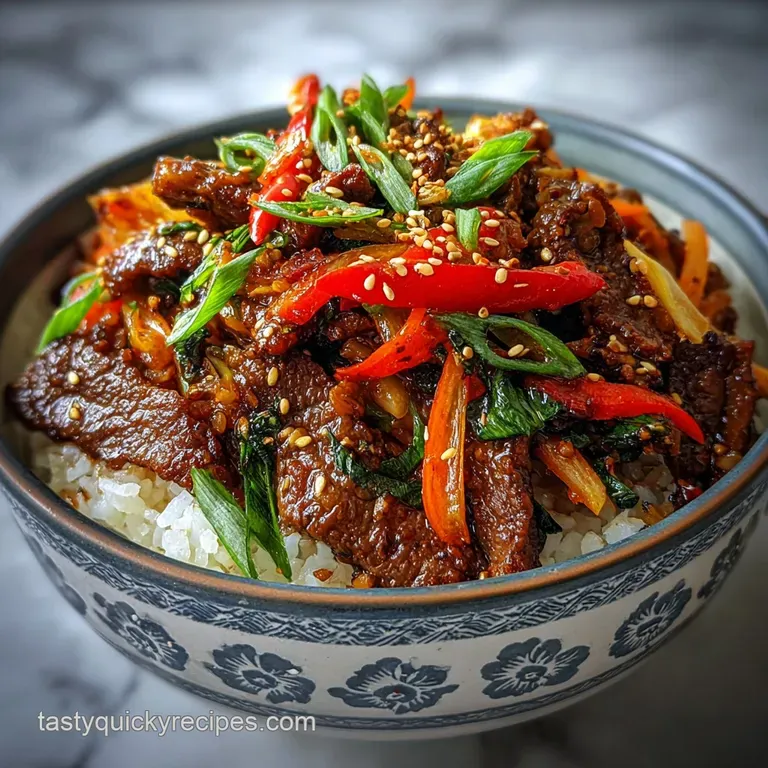
If you want a Busy Weeknight Rice Bowl, simply serve the beef over jasmine rice with a side of steamed broccoli. If you want a Low Carb Version, use large butter lettuce leaves to make wraps instead of rice.
Truths About Searing Beef
One common misconception is that you need a specialized Korean BBQ grill to get the right flavor. While those are fun, a heavy cast iron skillet actually provides more surface contact, which can lead to even better caramelization. You aren't losing out by cooking this on your stove.
Another myth is that you must use expensive prime cuts. While 1.5 lbs of ribeye is the gold standard for its fat content, you can get away with top sirloin or even flank steak if you slice it thin enough and let the Asian pear do its job.
The marinade is the equalizer here, turning even budget friendly cuts into something special.
Storing and Using Leftovers
Bulgogi keeps remarkably well in the fridge for up to 3 days. The flavors actually continue to meld, making it a fantastic option for meal prep. Just store it in an airtight container. When reheating, I suggest using a skillet over medium heat rather than the microwave.
This helps preserve the texture and prevents the meat from becoming rubbery.
For freezing, you can freeze the beef while it’s in the marinade. This is a total life saver. Just toss the raw sliced beef and marinade into a freezer bag, squeeze out the air, and freeze for up to 3 months. When you're ready to eat, thaw it in the fridge overnight.
The meat tenderizes as it thaws, so it’s ready to hit the pan immediately.
Don't throw away the leftover onions and sauce bits in the pan! Toss in some cold leftover rice and a bit of kimchi to make a quick bulgogi fried rice. It’s the ultimate zero waste lunch that tastes even better than the original meal.
Perfect Side Dish Pairings
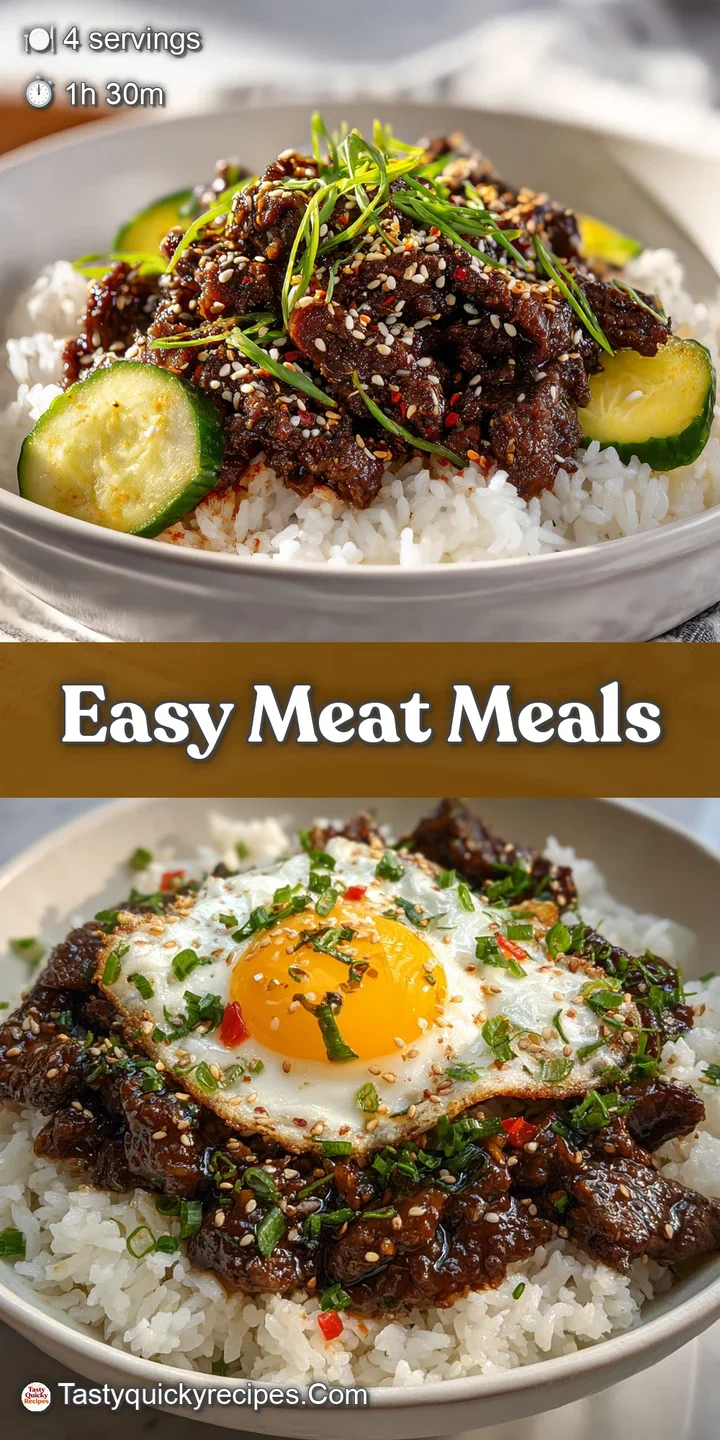
This dish is naturally very rich and sweet, so it needs acidity and crunch to balance it out. A side of spicy kimchi is a must. The fermentation cuts right through the fat of the ribeye. I also love serving this with a simple cucumber salad dressed in rice vinegar and chili flakes.
If you want to go the traditional route, prepare a spread of "banchan" or small side dishes. Steamed spinach with sesame oil, pickled radishes, and bean sprout salad are all great choices. Of course, a big bowl of fluffy white rice is the perfect vessel for soaking up all that extra bulgogi sauce recipe goodness.
It’s a meal that feels complete and deeply satisfying every single time.
Very High in Sodium
1540 mg mg of sodium per serving (67% % of daily value)
The American Heart Association recommends limiting sodium intake to no more than 2,300mg per day for most adults.
Sodium Reduction Tips for this Recipe
-
Low-Sodium Soy-30%
Replace the regular low-sodium soy sauce with a no-sodium soy sauce alternative. This can significantly cut down on the sodium content without sacrificing flavor.
-
Enhance with Aromatics-15%
Double the amount of garlic, ginger, and green onions. Aromatics naturally enhance flavor, which reduces the need for sodium.
-
Increase Asian Pear-10%
Increase the amount of grated Asian pear to 1 whole pear instead of 1/2. The natural sweetness balances the umami, allowing you to further reduce sodium.
-
Skip the Pepper (Optional)
While black pepper doesn't contain sodium, consider omitting it if you are highly sensitive to salt. Other spices can add flavor without sodium.
Recipe FAQs
Can I use flank steak instead of ribeye for bulgogi?
Yes, with careful slicing. Flank steak is leaner but can work if you slice it paper thin against the grain. The Asian pear in the marinade is crucial for tenderizing it properly.
How long should I marinate the bulgogi beef?
Marinate for at least 1 hour. For deeper flavor, you can go up to 24 hours in the refrigerator. Any longer and the enzymes from the pear might make the meat too mushy.
Why is my bulgogi beef chewy?
Likely due to slicing with the grain. Always slice your beef very thinly against the grain to break down the muscle fibers. If it's still tough, try simmering it gently in a bit of liquid for a few minutes.
Can I cook bulgogi in a non-stick pan?
Yes, but a cast iron skillet is preferred. A cast iron pan provides superior heat retention for a better sear, creating those desirable crispy edges. If using non-stick, ensure it's preheated properly and cook in small batches.
What can I use if I can't find Asian pear?
A Bosc pear or Fuji apple works. These fruits contain similar enzymes that tenderize the meat effectively. You might want to slightly reduce the sugar if using a sweeter apple.
How do I prevent the bulgogi sauce from becoming watery?
Avoid overcrowding the pan. Cook the beef in small, single layers so the pan stays hot and the liquid evaporates quickly into a glaze. If you enjoyed mastering pan searing here, see how the same principle of high heat, fast cooking applies to our Hoppin John Recipe: Ultimate Smoky Southern Classic.
Is it true I must use a specific Korean BBQ grill for authentic flavor?
No, this is a common misconception. While Korean BBQ grills are fun, a hot cast iron skillet or a heavy bottomed pan can achieve excellent caramelization and authentic flavor right on your stovetop.
Korean Bulgogi Beef
Ingredients:
Instructions:
Nutrition Facts:
| Calories | 673 calories |
|---|---|
| Protein | 36.2 grams |
| Fat | 40.5 grams |
| Carbs | 21 grams |
| Fiber | 1.8 grams |
| Sugar | 15.4 grams |
| Sodium | 1540 milligrams |
