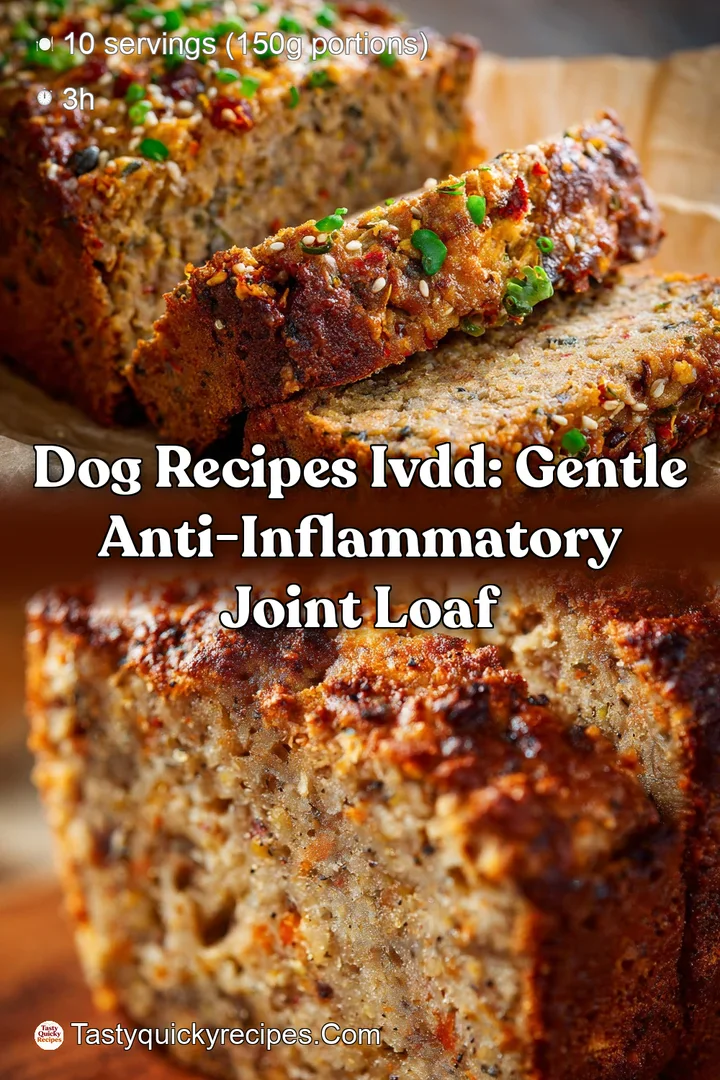
Dog Recipes Ivdd: Gentle Joint Loaf Support
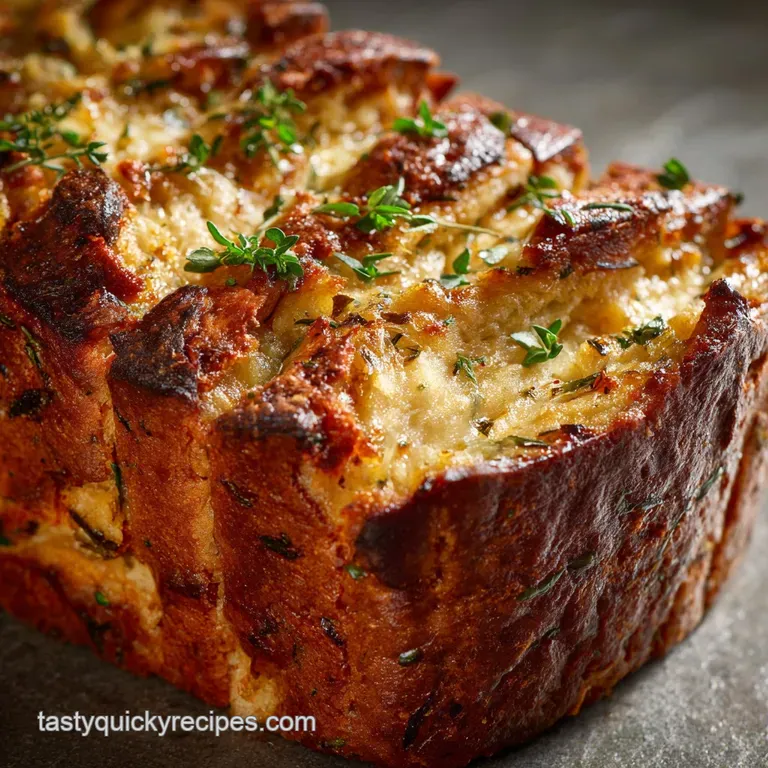
- The Gentle Joint Loaf: Therapeutic Support for IVDD Dogs
- Optimizing Recovery: The Science Behind This Anti-Inflammatory Meal (Use 3)
- Sourcing Relief: Essential Components for Your Canine IVDD Recipe (Use 7)
- Baking the Best: Precise Instructions for the Joint Support Loaf (Use 9)
- Achieving Perfection: Tips, Tricks, and Troubleshooting Common Preparation Issues
- Maximizing Meal Prep: Safe Storage and Freezing Guidance (Use 14)
- Enhancing the Diet: How to Serve This Loaf for Optimal Results (Use 17)
- Recipe FAQs
- 📝 Recipe Card
The Gentle Joint Loaf: Therapeutic Support for IVDD Dogs
The moment this loaf comes out of the oven, your kitchen smells warm and grounding not like typical dog food, but like a hearty, savory bake. It’s comforting, and honestly, that aroma alone is half the therapy for us worried pet parents.
When you’re dealing with the terror of IVDD (Intervertebral Disc Disease), speed and precision are everything, and kibble just doesn't cut it anymore. This specific Dog Recipes IVDD option is a lifesaver because it batches cooks into perfect, calorie controlled slices, saving you time and stress while providing targeted nutrition.
We need easy wins right now.
We aren't just whipping up dog food; we are building a foundation for spinal health and mobility. Let's crack on and master this essential Dog Recipes IVDD preparation, ensuring your best mate gets exactly the anti inflammatory fuel they need for recovery.
Optimizing Recovery: The Science Behind This Anti Inflammatory Meal (Use 3)
This is not just a fancy meatloaf. This is science, packaged in a delicious, dense slice designed specifically for mobility challenges. Making high-quality Dog Recipes IVDD requires thinking like a nutritionist, even if you’re just baking in your kitchen!
The Critical Role of Diet in Mobility Management
When a dog is recovering from a flare-up or surgery, their movement is limited, which means they burn way fewer calories than usual. If we don’t adjust their diet, weight gain is inevitable.
Excess weight is catastrophic for IVDD, placing immense strain on already compromised discs; therefore, a light, lean diet is non-negotiable.
Why Commercial Foods Fall Short for Spinal Health
Most commercial foods are designed for an average, active dog, full stop. They often contain unnecessary fillers and fats that contribute to weight issues, and they certainly lack the heavy concentration of targeted anti inflammatory agents we're including here.
When your vet recommends strict rest, you absolutely need this kind of specialized Dog Recipes IVDD approach.
Calculating Calorie Needs During Restricted Activity (Use 4)
Seriously, talk to your vet first about Resting Energy Requirement (RER) for your specific dog. Because we've limited the fat content by using ultra lean turkey and sweet potato instead of grains, we can maximize nutrient density while keeping the calorie count surgically precise.
This is the secret to successful weight management while feeding effective Dog Recipes IVDD portions.
Digestibility Focus: Creating a Soft, Easy-to-Process Texture
Our goal is a soft, gentle meal. Dogs on pain medication can sometimes suffer from tummy upsets, so a highly digestible loaf that requires minimal chewing is ideal. Mashing the sweet potato thoroughly creates that perfect smooth base texture we are looking for.
Harnessing Omega-3s and Curcumin for Pain Reduction (Use 5)
Omega-3 fatty acids (from the salmon oil) are powerful natural inflammation fighters. Turmeric’s active compound, curcumin, works synergistically to dampen pain pathways. These ingredients turn a simple meal into a therapeutic intervention.
When planning effective Dog Recipes IVDD , always prioritize these anti inflammatory powerhouses.
Controlling Weight: The Key to Reducing Spinal Load (Use 6)
I cannot stress this enough: every extra pound is a disaster for a dog with disc disease. By focusing on lean protein and controlling the portion sizes precisely which this loaf format makes easy we directly reduce the load on the spine, aiding in recovery.
This dedication makes these the best Dog Recipes IVDD you can prepare at home.
Sourcing Relief: Essential Components for Your Canine IVDD Recipe (Use 7)
Let’s talk ingredients. We need high-quality, nutrient dense components because this specific kind of Dog Recipes IVDD relies on balance; every ingredient serves a purpose, either for binding, nutrition, or anti inflammation.
Choosing the Leanest Protein for Calorie Control
We are using ground turkey (93% lean or higher). Why turkey? It’s generally well tolerated and inherently low in saturated fats, which keeps our calorie density down without sacrificing essential protein.
- Substitution Tip: If your dog has a turkey sensitivity, substitute with extremely lean ground chicken breast (95% lean).
Anti Inflammatory Produce: Focusing on High Nutrient Density
Sweet potato provides complex carbohydrates and fibre, and spinach is loaded with powerful antioxidants. We cook the sweet potato until it's velvety soft, ensuring easy digestion, which is so important right now.
- Substitution Tip: If sweet potato causes gas or is unavailable, plain, steamed butternut squash or pumpkin (make sure it’s unsweetened!) works beautifully as a low-cal, high fibre alternative.
Safe Binder Alternatives for Grain Free Preparation
We use oat flour and chia seeds. This combination provides fibre, omega fatty acids, and structure without relying on traditional wheat flour, which is often unnecessary for dogs.
- Substitution Tip: If you can’t source oat flour, finely ground flaxseed is an excellent binder, offering similar omega benefits and absorbing moisture effectively.
Swaps and Substitutions for Allergies and Availability (Use 8)
Sometimes you have to pivot based on what you have or what your dog can tolerate. Keep notes on what works for your pup! Adapting great Dog Recipes IVDD takes practice, but the core nutritional goal low-fat, high nutrient remains constant.
| Ingredient | Substitution | Notes |
|---|---|---|
| Salmon Oil | high-quality Sardine or Cod Liver Oil | Focus on high EPA/DHA concentration for inflammation. |
| Spinach | Finely chopped Kale | Excellent antioxidant profile; must be very finely chopped. |
| Oat Flour | Brown Rice Flour (if tolerated) | Use sparingly, as it’s denser than oat flour. |
Baking the Best: Precise Instructions for the Joint Support Loaf (Use 9)
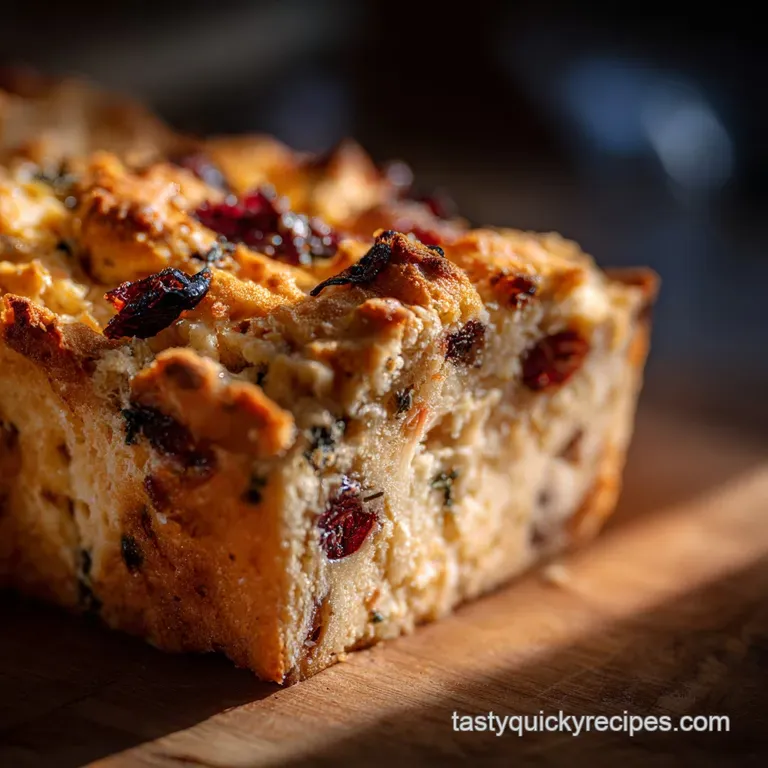
Time to get messy! This is where we bring the therapeutic power of our chosen ingredients into a cohesive form. The preparation of these specific Dog Recipes IVDD steps is straightforward, but attention to detail matters, especially regarding the texture.
Preparing the Base Mixture (Mashing and Combining Wet Elements)
Make sure that sweet potato is smooth . No lumpy bits! I made that mistake once years ago with my first batch of special diet food, and the texture threw my fussy dachshund off completely. The smoother the mash, the better the loaf consistency.
Folding in the Anti Inflammatory Boosters (Use 10)
After you've mixed the turkey, sweet potato, and spinach, sprinkle in the turmeric and pour in the fish oil. Now, gently fold everything together. We are mixing to combine, not to develop muscle! Overmixing can make the final texture dense and rubbery.
This step ensures even distribution throughout your Dog Recipes IVDD creation.
Optimal Baking Time and Temperature for a Soft Loaf
We bake at a moderate 350°F / 175°C. This temperature ensures the loaf cooks through gently without drying out the edges. A dry loaf is less palatable and harder to digest, so watch it closely!
Testing for Readiness: Ensuring Palatability and Safety (Use 11)
The key here is the thermometer. Do not guess. The centre must reach a safe 165°F (74°C). If it reads lower, put it back in! Safety is paramount when preparing any homemade Dog Recipes IVDD .
Achieving Perfection: Tips, Tricks, and Troubleshooting Common Preparation Issues
Sometimes things go wrong, right? That’s why we blog about this stuff! Here are the common sticking points I’ve seen when folks try this specific type of supportive meal.
Mistake 1: Not Draining the Turkey. Ground turkey can release a surprising amount of liquid, even if it's 95% lean. If you notice a pool of watery liquid after mixing, gently drain some off before baking, or your loaf will steam instead of bake, resulting in a soggy bottom.
Mistake 2: Slicing Too Soon. If you try to slice the loaf while it's still warm, it will crumble and fall apart. You need that structure to set fully as it cools, otherwise, your precise portioning will be impossible. Give it the full 90 minutes.
Chef's Note: Remember to always include a dash of black pepper with your turmeric. This tiny step multiplies the anti inflammatory benefit immensely, which is the whole point of these specialized Dog Recipes IVDD . (Use 12)
Mistake 3: Under Seasoning (Aroma). Since we can't use salt, the loaf can smell a bit bland to a dog. The nutritional yeast helps provide a savory aroma. You can also sprinkle a tiny bit of dried parsley or oregano (safe herbs) over the top before baking to boost the scent and appeal, crucial for picky eaters.
This minor tweak can elevate even the simplest Dog Recipes IVDD efforts. (Use 13)
Maximizing Meal Prep: Safe Storage and Freezing Guidance (Use 14)
Batch cooking is the only way to manage a special diet long term, especially when dealing with the intensive care required for IVDD management. Getting these Dog Recipes IVDD ready for the week ahead saves your sanity.
Best Practices for Refrigerated Freshness (3 5 Days)
Once the loaf is perfectly cooled and portioned (weighed!), store the next few days' worth in airtight containers in the fridge. Because we are using lean protein and no synthetic preservatives, aim to use the refrigerated portions within 4 days, maximum.
If you’re not using it within that time, freeze it immediately.
Freezing Techniques: Preventing Freezer Burn and Maintaining Texture (Use 15)
Proper freezing is essential for retaining the integrity and nutrients of your Dog Recipes IVDD portions.
- Weigh and slice each portion precisely (kitchen scales are mandatory!).
- Wrap each slice individually and tightly in plastic wrap (this prevents freezer burn).
- Place the wrapped portions into a large freezer bag, squeezing out all the air before sealing.
- Label clearly with the date. Frozen portions are good for up to 3 months.
Batch Cooking and Portioning for Daily Feeding (Use 16)
I strongly suggest dedicating one afternoon a month just to making therapeutic meals like this. Knowing you have 30 days of perfectly balanced Dog Recipes IVDD ready to go is such a relief.
When reheating, thaw overnight in the fridge or use a very low microwave setting until just warmed through.
Enhancing the Diet: How to Serve This Loaf for Optimal Results (Use 17)
The way you serve the food can sometimes be as important as the recipe itself, especially for a stressed or painful pup. We want to maximize the digestibility and appeal of this specialized Dog Recipes IVDD loaf.
Preventing Crumbliness: Ensuring Proper Moisture Balance (Use 18)
If the loaf is slightly crumbly (often due to varying moisture levels in the turkey), don't panic! Simply mix the portion with a tablespoon of plain, unsalted, low-sodium broth or warm water before serving.
This prevents dry crumbs that can be difficult to manage, making this specific Dog Recipes IVDD easier to consume.
Addressing Picky Eaters: Enhancing Aroma Naturally (Use 19)
A warm meal is almost always more appealing than a cold one because warming releases aromas. Pop the refrigerated portion in the microwave for 10 15 seconds until barely warm, or mix it with a tiny dollop of plain Greek yogurt.
Making sure these Dog Recipes IVDD smell good is half the battle when dealing with a dog feeling under the weather.
Avoiding the Most Common Nutritional Mistakes in Homemade IVDD Food (Use 20)
The biggest mistake is adding too much fat for palatability. Do not drizzle oil or butter over this loaf after cooking. We need the calories to come from the protein and complex carbs, not excess fat, which promotes weight gain and hinders recovery. Stick strictly to the planned recipe.
Batch Cooking and Portioning for Daily Feeding (Use 21)
As mentioned, always weigh the final loaf and then portion it out based on your vet's recommendation. Precision here is a form of proactive care. Knowing the exact caloric content is vital when preparing life supporting Dog Recipes IVDD .
Best Practices for Refrigerated Freshness (3 5 Days) (Use 22)
Make sure your fridge is consistently cold (40°F / 4°C or below). This minimizes the risk of spoilage, ensuring that the therapeutic benefits of the batch cooked Dog Recipes IVDD are maintained and the food is safe.
Freezing Techniques: Preventing Freezer Burn and Maintaining Texture (Use 23)
By wrapping and freezing correctly, you maintain the soft, moist texture of the loaf, which is key for palatability. I always pull out tomorrow's portion tonight so it thaws safely in the fridge. This simple routine ensures a seamless transition to the next meal.
These precise methods make home cooked Dog Recipes IVDD manageable and effective long term. (Use 24)
Recipe FAQs
How should I store the Gentle Joint Loaf, and can I freeze portions?
The loaf maintains optimal freshness for 3 to 4 days when stored in an airtight container in the refrigerator. For extended preservation, slice the cooled loaf into individual serving sizes and freeze them in freezer safe bags or containers for up to three months.
Always thaw frozen portions completely in the refrigerator before serving.
My loaf turned out dry and crumbly after baking. How can I ensure a softer, more cohesive texture?
A dry texture usually indicates slight overbaking or insufficient moisture in the mix. Ensure you are using meat that contains at least a small amount of natural fat (e.g., 93% lean turkey) and that the mixture is tightly packed before baking.
Checking the internal temperature (165°F / 74°C) with a thermometer rather than relying solely on time prevents excessive moisture loss.
I need to manage my dog’s weight strictly. Can I reduce the quantity of oil or healthy fats?
While this recipe is already low-fat, the essential oils (like fish or flaxseed) are crucial for providing anti inflammatory omega-3 fatty acids, which directly support joint health and recovery from IVDD.
If calorie reduction is critical, discuss with your vet reducing other carbohydrates before eliminating the therapeutic fats, as the benefits outweigh the minimal caloric intake here.
Can I substitute the prescribed lean protein (e.g., turkey) with red meat like beef or lamb?
It is generally recommended to stick to very lean proteins such as turkey, chicken, or white fish for this specific therapeutic diet. Red meats typically contain higher levels of saturated fat and may promote inflammation, contradicting the anti inflammatory goal of this IVDD support recipe.
If you must substitute, choose the leanest cut available.
What are the best serving suggestions for encouraging a picky dog to eat the loaf?
Dogs often prefer food that is slightly warm or at room temperature, as this enhances the natural aroma of the ingredients. Try gently crumbling a portion over a small amount of low-sodium, dog-safe bone broth to create a highly appealing, moist, and aromatic meal. Avoid extreme heat, as it can scald their mouths.
Is this Gentle Joint Loaf recipe suitable as my IVDD dog’s sole, long term diet?
While this loaf provides excellent nutrition and anti inflammatory support, it is intended as a beneficial component or supplement to a balanced diet. A fully homemade diet requires careful balancing of vitamins and minerals for long term health, so always consult with your veterinarian or a certified canine nutritionist before transitioning your dog entirely to homemade meals.
If I don’t have access to fresh herbs, can I use dried herbs instead for the anti inflammatory properties?
Yes, dried herbs retain much of their medicinal and flavor properties, but they are significantly more concentrated than fresh herbs. When substituting, use approximately one-third of the amount specified for fresh herbs (e.g., if the recipe calls for 1 tablespoon of fresh parsley, use 1 teaspoon of dried).
Ensure they are dog-safe varieties like turmeric, parsley, or oregano.
Ivdd Dog Loaf Recipe
Ingredients:
Instructions:
Nutrition Facts:
| Calories | 1336 kcal |
|---|---|
| Protein | 100.7 g |
| Fat | 89.8 g |
| Carbs | 17.0 g |
