High Protein Chicken Salads
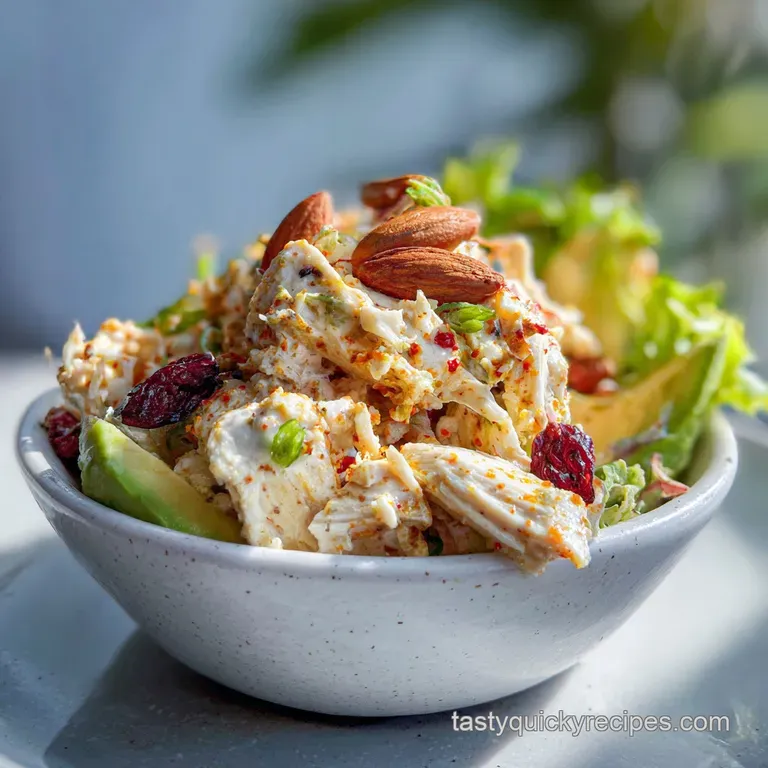
- Time: Active 15 minutes, Passive 0 minutes, Total 15 minutes
- Flavor/Texture Hook: Velvety dressing with a crisp celery shatter
- Perfect for: Midday fuel, bodybuilding meal prep, and busy weeknights
- Fuel Your Day with High Protein Chicken Salads
- Molecular Science of Satiety and Texture
- Official Recipe Specs and Timing
- Choosing Components for Peak Nutrition
- Essential Tools for Busy Cooks
- Simple Assembly Steps for Success
- Fixing Texture and Flavor Issues
- Flexible Swaps for Every Palate
- Smart Storage and Waste Prevention
- Filling Pairings for Energized Afternoons
- Dispelling Kitchen Myths
- High Protein Chicken Salad FAQs
- 📝 Recipe Card
Fuel Your Day with High Protein Chicken Salads
Imagine sitting down to a lunch that actually makes you feel energized rather than ready for a nap. I used to be the queen of the 3 PM slump, usually because my "healthy" salads were mostly water and sugar filled dressings.
Then I started playing with the base of my chicken salads, replacing the heavy oils with protein dense alternatives. The result was a meal that kept me full until dinner without that heavy, weighed down feeling.
We have all been there, staring at a dry chicken breast and wondering how to make it palatable without dumping half a jar of mayonnaise into the bowl. This recipe is my absolute secret weapon for those busy days when I need something satisfying but don't have time to actually cook.
It uses a clever combination of dairy to create a sauce so rich you would swear there is full fat mayo in there.
Right then, let's talk about why this specific version works so well. By using cottage cheese and Greek yogurt, we are doubling down on the protein content while adding a natural tang that cuts right through the richness of the chicken.
It's brilliant for anyone tracking macros or just someone who wants a hearty, midday meal that tastes like a treat. Trust me on this, once you try the whipped cottage cheese trick, you'll never go back to the gloopy stuff again.
Molecular Science of Satiety and Texture
The Science of Why it WorksProtein Denaturation: The acid in the lemon juice gently interacts with the dairy proteins, thickening the dressing without needing starch or heat.
Casein Stability: The slow digesting casein in cottage cheese provides a thick, velvety structure that clings to the chicken better than traditional oil emulsions.
When we talk about being "full," we are really talking about how our body processes macronutrients. Protein is the most satiating macronutrient because it reduces the level of the hunger hormone ghrelin while boosting the peptide YY, which makes you feel satisfied.
By packing over 50 grams of protein into a single serving, these high protein chicken salads essentially tell your brain that the "fueling" mission is accomplished much earlier than a carb heavy meal would.
From a texture perspective, we are dealing with a complex interplay of moisture and solids. Chicken breast is notorious for being lean and potentially dry. When we shred it, we increase the surface area, allowing our high protein dressing to coat every fiber.
The cottage cheese provides a unique structural element, especially if you give it a quick pulse in a blender first. It creates a suspension that holds the celery and onions in place, ensuring every bite has that perfect balance of creamy and crunchy.
| Method | Texture | Time Cost | Best For |
|---|---|---|---|
| Fresh Poached | Silky and tender | 20 minutes | Maximum flavor control |
| Rotisserie | Savory and salted | 0 minutes | Fast, high sodium shortcut |
| Canned Chicken | Soft and flaky | 0 minutes | Budget friendly pantry meal |
The comparison above highlights how your choice of protein affects the final result. While I love the convenience of a rotisserie bird, poaching your own chicken in aromatics allows you to keep the sodium lower and the texture much more velvety.
If you are in a massive rush, the rotisserie shortcut is a lifesaver, just watch the extra salt in the dressing.
Official Recipe Specs and Timing
This recipe is designed for efficiency. Since we are using pre cooked chicken, there is zero actual cooking time involved, making it a dream for meal prep.
| Component Analysis | Science Role | Pro Secret |
|---|---|---|
| Cottage Cheese | Structural base | Blend it first for a silken, mayo like finish |
| Lemon Juice | Surfactant/Acid | Brightens fats and prevents the dairy from feeling heavy |
| Celery | Fiber/Structure | Dicing it ultra fine creates more "crunch points" per bite |
Using the right ratios is key here. If you add too much yogurt, the salad becomes runny; too much cottage cheese without blending can feel "chunky" to some. The specs provided in the schema are balanced to give you a thick, cohesive salad that stays put inside a wrap or on a cracker. If you find yourself wanting a bit more kick, similar to the acidity in a Cucumber Salad recipe, feel free to double the mustard.
Choosing Components for Peak Nutrition
To get the best results, you need to be specific about what goes into the bowl. Don't just grab any chicken; look for boneless, skinless breasts to keep the protein to fat ratio in your favor.
- 20 oz cooked chicken breast: Skinless and boneless, shredded Why this? Provides the lean base for the 55g of protein per serving.
- 1 cup low-fat cottage cheese: Small curd works best Why this? Adds thickness and massive protein without the heavy fat of mayo.
- 0.5 cup non fat plain Greek yogurt: Thick, strained variety Why this? Adds necessary tang and smooths out the texture of the cottage cheese.
- 1 tbsp Dijon mustard: Smooth or grainy Why this? Acts as an emulsifier to bind the dairy and spices together.
- 3 large ribs celery: Finely diced Why this? Provides the essential "shatter" texture to contrast the creaminess.
- 0.25 cup red onion: Minced Why this? Adds a sharp, pungent bite that cuts through the dairy.
- 2 tbsp fresh dill: Chopped Why this? Fresh herbs offer a vibrant, herbaceous finish that dried herbs can't match.
- 0.25 cup sliced almonds: Toasted Why this? Adds a different kind of crunch and healthy fats for satiety.
- 1 medium lemon: Juiced Why this? The acid balances the savory notes and keeps the flavor energized.
- 1 tsp garlic powder: Why this? Provides a consistent savory base without the harshness of raw garlic.
- 0.5 tsp sea salt: Why this? Enhances the natural flavors of the chicken and vegetables.
- 0.5 tsp cracked black pepper: Why this? Adds a subtle heat and visual flecks of spice.
Chef's Note: For the most professional texture, put your cottage cheese in a small blender or food processor for 30 seconds before mixing. It removes the curds and turns it into a luxurious cream that mimics a high end dressing.
If you are looking to add even more texture to your midday meal, consider serving this alongside a Healthy Snack with recipe for an extra boost of fiber and plant based protein. The roasted chickpeas provide a nutty contrast to the creamy chicken.
Essential Tools for Busy Cooks
One of the reasons I make high protein chicken salads so often is that the cleanup is almost non existent. You don't need a stand mixer or a fancy sous vide machine to get this right.
First and foremost, a sharp chef's knife is your best friend. Dicing the celery and red onion finely is the difference between a refined salad and a chunky mess. If you have a mini chopper, you can use it for the onions, but be careful not to turn them into a puree, or your salad will end up watery.
A large glass mixing bowl is essential. You want enough room to fold the ingredients together without splashing dressing over the sides. I also highly recommend a sturdy silicone spatula. It allows you to scrape every last bit of that high protein dressing off the sides of the bowl, ensuring nothing goes to waste.
Finally,, if you're serious about the "velvety" texture I mentioned earlier, a small immersion blender or a NutriBullet style blender is a total game changer for the cottage cheese. It’s a 30 second step that takes the dish from "healthy substitute" to "gourmet lunch."
Simple Assembly Steps for Success
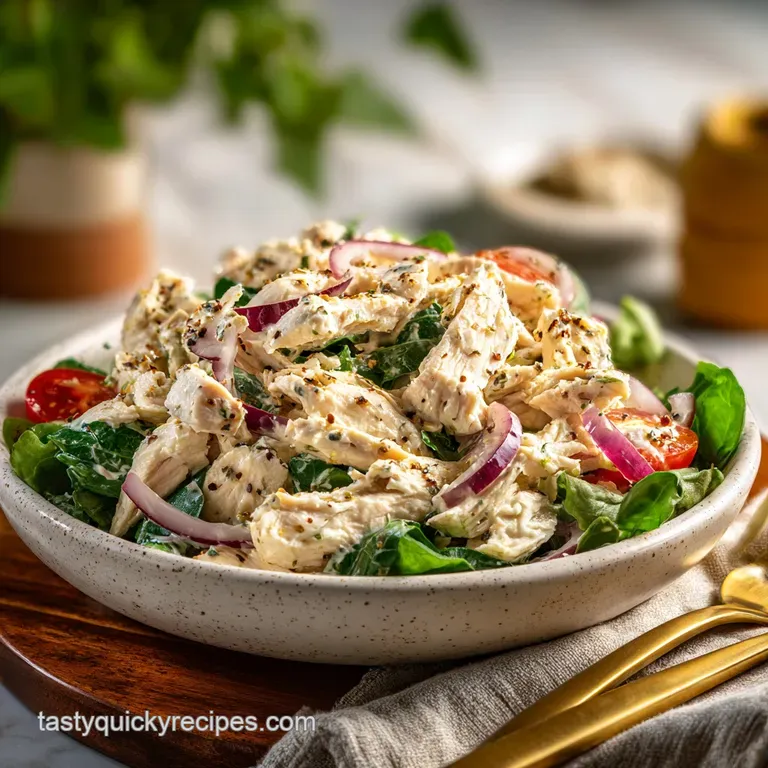
- Prep the dairy base. Place 1 cup low-fat cottage cheese and 0.5 cup non fat plain Greek yogurt into a bowl. Note: Whisk vigorously or blend for a smoother texture.
- Infuse the aromatics. Stir in 1 tbsp Dijon mustard, 1 tsp garlic powder, 0.5 tsp sea salt, and 0.5 tsp black pepper. Note: This ensures the spices are evenly distributed before adding the bulk.
- Add the acid. Pour in the juice of 1 medium lemon. Wait until the mixture looks glossy and smooth.
- Fold in the crunch. Add 3 ribs finely diced celery and 0.25 cup minced red onion. Note: Smaller pieces mean more crunch in every forkful.
- Incorporate the herbs. Fold in 2 tbsp fresh chopped dill. Scent should be bright and grassy.
- Add the protein. Gently fold in 20 oz of shredded cooked chicken breast. Note: Use two forks to shred the chicken while it's still slightly warm for the best absorption.
- Add the final crunch. Toss in 0.25 cup sliced almonds right before serving. Listen for the crisp sound as you stir.
- Chill and set. Cover and refrigerate for at least 30 minutes. Note: This allows the flavors to meld and the dressing to thicken slightly.
Fixing Texture and Flavor Issues
Sometimes things don't go exactly as planned in the kitchen. Even with a simple recipe, variables like the moisture content in your celery or the thickness of your yogurt can change the outcome.
Why Your Salad is Watery
If your salad looks more like a soup after an hour in the fridge, the culprit is usually "syneresis." This happens when vegetables like onions and celery release their internal water after being salted. To prevent this, make sure you pat your vegetables completely dry with a paper towel after washing and before dicing.
Also, don't salt the vegetables directly; salt the dressing base first.
| Problem | Root Cause | Solution |
|---|---|---|
| Runny Dressing | low-fat dairy release | Add 1 tbsp of almond flour or more chicken to absorb liquid |
| Too Tangy | Over juiced lemon | Add a tiny pinch of honey or stevia to balance the acid |
| Bland Taste | Under seasoned chicken | Increase the Dijon mustard or add a dash of hot sauce |
Common Mistakes Checklist
- ✓ Using "soupy" cottage cheese - always look for a thick, dry curd brand if possible.
- ✓ Forgetting to pat the chicken dry - excess moisture prevents the dressing from clinging.
- ✓ Cutting vegetables too large - this makes the salad difficult to eat in wraps.
- ✓ Skipping the chill time - the flavors need at least 15 minutes to marry properly.
- ✓ Using dried dill - the flavor profile completely changes; stick to fresh if you can.
Flexible Swaps for Every Palate
I'm a big believer in using what you have. If you don't have almonds, don't run to the store. If you are looking for a classic profile, you might enjoy the inspiration from a Round Swamp Chicken Salad recipe, which focuses on that timeless, creamy balance.
| Original Ingredient | Substitute | Why It Works |
|---|---|---|
| Almonds | Sunflower Seeds | Similar crunch, lower cost, and nut free. |
| Greek Yogurt | Sour Cream | Adds more richness, though it lowers the protein count slightly. |
| Red Onion | Green Onions | Milder flavor and adds a beautiful green color. |
If you find that the Greek yogurt is a bit too sour for your liking, you can swap it for a high-quality light mayo, but keep in mind that you'll be sacrificing some of those muscle building benefits. For a keto friendly version, you could replace the almonds with walnuts and serve it in large butter lettuce cups.
If you want X, do Y: If you want more heat, add finely diced jalapeños or a teaspoon of sriracha. If you want more sweetness, add a handful of halved red grapes or dried cranberries.
If you want maximum creaminess, blend the cottage cheese with a teaspoon of olive oil.
Smart Storage and Waste Prevention
High protein chicken salads are a meal prepper's dream because they actually taste better on the second day. The proteins in the chicken have more time to soak up the lemon and dill, resulting in a much deeper flavor profile.
Storage Guidelines:Fridge: Store in an airtight container for up to 4 days. After day two, you might notice a bit of liquid at the bottom; just give it a quick stir to re emulsify the dressing. Freezer: I do not recommend freezing this.
The dairy base will break and become grainy upon thawing, and the celery will lose its characteristic shatter.
Zero Waste Tips: Don't throw away those celery leaves! Chop them up along with the ribs; they have a concentrated celery flavor that is fantastic in this salad. If you have leftover red onion, soak the slices in a bit of vinegar and sugar to make quick pickles for your next sandwich.
If you find yourself with just a small scoop of salad left, mix it into a hot bowl of pasta with a splash of pasta water for a quick, creamy chicken pasta dinner.
Filling Pairings for Energized Afternoons
While this salad is a complete meal on its own, how you serve it can change the whole experience. If I’m looking for a hearty, midday meal, I’ll stuff this into a whole wheat pita with extra sprouts.
The fiber in the pita combined with the protein in the chicken creates a "time release" energy effect that keeps you focused.
For a lighter option, serving this over a bed of arugula or massaged kale is brilliant. The peppery bite of the arugula pairs perfectly with the lemon and dill in the dressing. If you're hosting a brunch, try serving small scoops on top of cucumber slices or endive leaves for a beautiful, high protein appetizer.
Finally,, don't forget the power of a good crunch. If you aren't using wraps, serving this with high fiber seed crackers provides a satisfying texture that mimics the classic "chips and dip" experience but with much better macros. It's all about making the healthy choice the one you actually look forward to eating!
Dispelling Kitchen Myths
There is a common misconception that you need mayonnaise to make a "real" chicken salad. This simply isn't true. Searing or poaching meat adds flavor, but the binder is just there to provide moisture and carry seasoning.
Using dairy like cottage cheese isn't just a "diet swap," it's a functional upgrade that provides more micronutrients like calcium and B12.
Another myth is that "fat free" means "flavor free." By using aromatics like fresh dill, Dijon mustard, and lemon juice, we are creating layers of flavor that don't rely on fat to satisfy the palate.
The "mouthfeel" we associate with fat is actually replicated here by the blended cottage cheese, which provides a similar viscosity to oil based emulsions without the heavy caloric load. Finally, don't believe that chicken salad has to be served cold.
While it's traditional, serving this slightly room temp on a toasted piece of sourdough is a game changer for a cozy autumn lunch.
High Protein Chicken Salad FAQs
What makes a chicken salad "high protein"?
Using protein dense binders instead of mayonnaise. Swapping heavy mayo for ingredients like Greek yogurt or blended cottage cheese significantly boosts the protein content while keeping it creamy and satisfying, much like how we build flavor in our Chicken Breast Recipe with Garlic: Baked Herb Flavor.
Can I make high protein chicken salad ahead of time?
Yes, it's ideal for meal prep. The flavors actually meld and improve overnight, making it taste even better on the second day, similar to how slow cooked dishes deepen in flavor over time like in our Chipotle in Adobo Sauce Recipes: Smoky Slow Cooked Chicken. Store it in an airtight container in the refrigerator for up to 4 days.
Is it okay to use canned chicken for high protein chicken salad?
Yes, canned chicken is a convenient option. While fresh or rotisserie chicken offers a more tender texture, canned chicken provides a quick, pantry friendly base and is perfectly suitable for a fast, high protein meal.
How do I prevent high protein chicken salad from being too watery?
Ensure your vegetables are thoroughly dried. After washing and before dicing, pat celery and onions completely dry with a paper towel, as excess moisture from produce can dilute the dressing.
Can I substitute the Greek yogurt in a high protein chicken salad?
Yes, you can use sour cream for a richer texture. While sour cream adds more richness and may slightly lower the protein count compared to Greek yogurt, it provides a similar tangy base and creamy mouthfeel.
What are the best ways to serve high protein chicken salad?
Stuff it into whole wheat pitas or serve over greens. For a hearty meal, whole wheat pitas offer fiber for sustained energy, while serving it over arugula or massaged kale provides a lighter, nutrient dense option.
Is it true that high protein chicken salad is not as flavorful as traditional mayo based versions?
No, this is a common misconception. Flavor in chicken salad comes from seasonings, herbs, and acidic elements, not solely from fat content; ingredients like fresh dill, Dijon mustard, and lemon juice create vibrant flavors that stand up well to protein rich bases.
High Protein Chicken Salads
Ingredients:
Instructions:
Nutrition Facts:
| Calories | 353 calories |
|---|---|
| Protein | 55.1 g |
| Fat | 10.4 g |
| Carbs | 7.8 g |
| Fiber | 1.3 g |
| Sugar | 1.5 g |
| Sodium | 525 mg |
