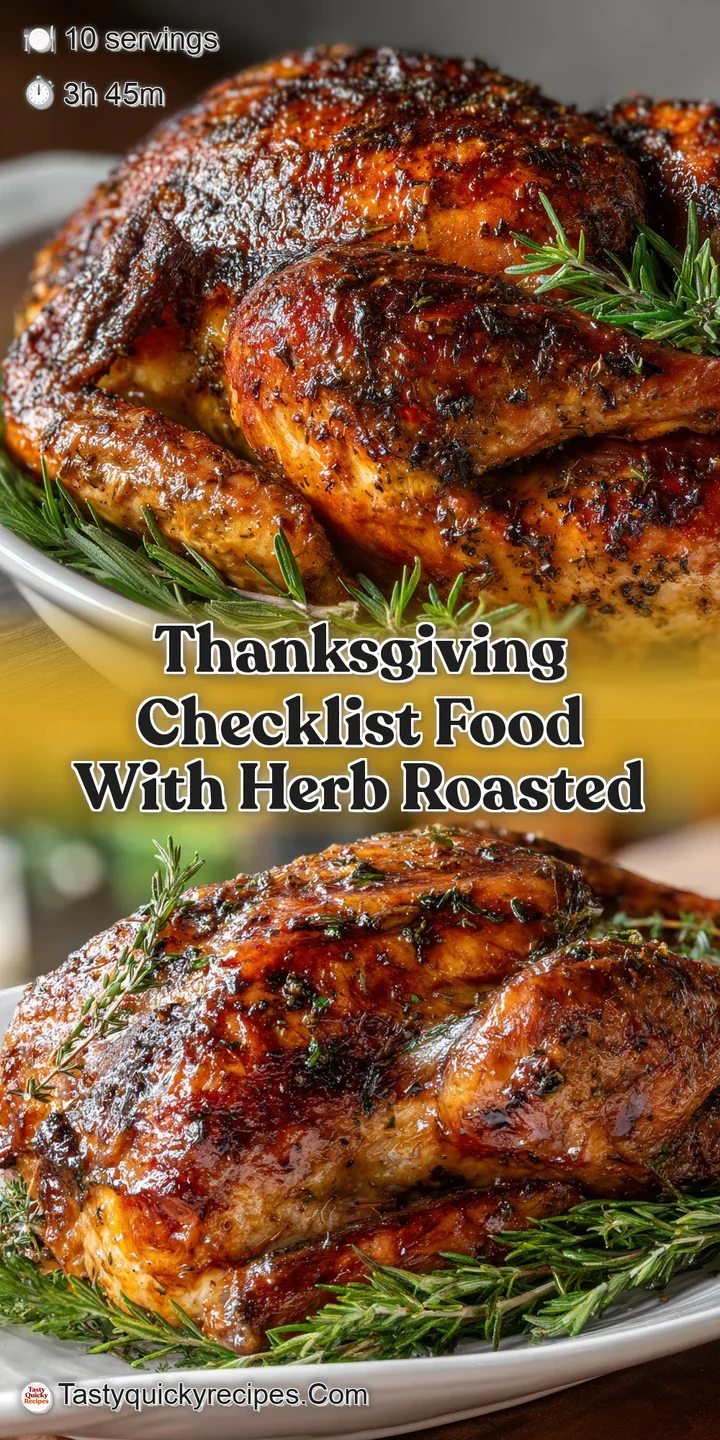
Thanksgiving Checklist Food with Herb Roasted Turkey for a Stress
- Time: Active 45 minutes, Passive 3 hours, Total 3 hours 45 mins
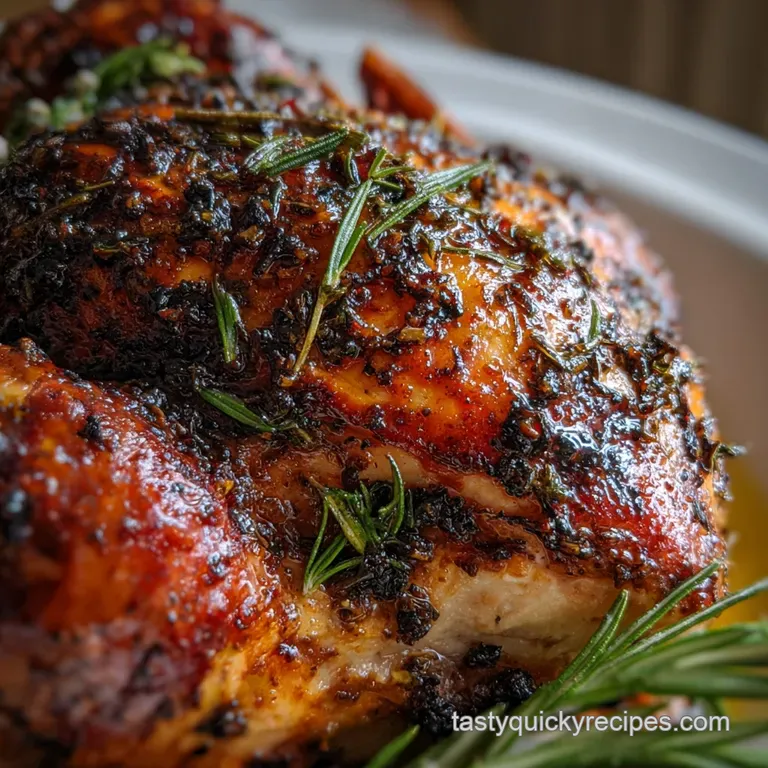
- Flavor/Texture Hook: Shattering golden skin with a velvety, herb infused finish
- Perfect for: High stakes family gatherings and first time holiday hosts
- Timing Your Holiday Prep Flawlessly
- Selecting Your Flavor Components Carefully
- Essential Tools for Holiday Success
- Step-by-Step Guide to Perfection
- Resolving Common Roasting Mishaps
- Flavor Variations and Smart Substitutions
- Managing Leftovers and Minimizing Waste
- Pairing Suggestions for the Table
- Professional Insights for Better Roasts
- Frequently Asked Questions
- Troubleshooting Common Issues
- Recipe FAQs
- 📝 Recipe Card
Listen, we’ve all been there juggling five side dishes while staring at a bird that’s somehow still frozen in the middle at noon. This Thanksgiving, simplify your feast with our herb roasted turkey recipe and complete food checklist.
I’ve spent years ruining expensive turkeys so you don’t have to, and honestly, the secret isn't some fancy gadget; it’s all about the prep flow.
We’re moving away from the "panic and baste" method and toward a "set and success" strategy. You want a bird that fills the house with the scent of toasted rosemary and garlic without forcing you to stay tethered to the oven door all afternoon.
It's about working smarter, not harder, so you can actually sit down and enjoy a glass of wine with your guests.
Trust me on this: a little bit of science and a lot of butter will change your holiday forever. We’re going to walk through the exact steps I use every year to keep things fast, flavorful, and completely manageable.
Let’s crack on with the plan that turns the biggest meal of the year into a streamlined win for your kitchen. Thanksgiving Checklist Food with Herb Roasted Turkey for a Stress
Success in the kitchen during the holidays depends on understanding how heat interacts with your ingredients. This isn't just about following steps; it's about managing the environment inside that roasting pan to get the result we want.
- Protein Denaturation: As the turkey heats, muscle fibers uncoil and shrink, which can squeeze out moisture; the heavy fat layer from our herb butter creates a barrier that slows this process.
- Maillard Reaction: This chemical dance between amino acids and sugars occurs at high heat, transforming pale skin into a mahogany, flavor packed crust.
- Aromatic Steam: The liquids in the lemons and onions inside the cavity turn to steam, flavoring the meat from the inside out while maintaining internal humidity.
- Carryover Cooking: Internal energy continues to rise after the bird leaves the heat, which is why pulling it at the right moment is vital for silkiness.
The Science of Why it Works The combination of a dry heat oven and a high fat herb compound butter triggers the Maillard reaction while preventing evaporation. This ensures the skin becomes brittle and savory while the internal connective tissues soften into a velvety texture.
Chef's Tip: To deepen the flavor profile, add a teaspoon of anchovy paste to your herb butter; it won't taste like fish, but it adds a massive hit of umami that makes the turkey taste "meatier."
| Component | Science Role | Pro Secret |
|---|---|---|
| European Butter | High fat, low water content | Freeze it for 10 mins before mixing to keep herbs suspended |
| Kosher Salt | Denatures proteins for moisture | Apply 24 hours early for a "dry brine" effect |
| Rosemary/Sage | Volatile oils release with heat | Bruise the leaves before mincing to wake up the aroma |
| Low sodium Stock | Prevents scorching of drippings | Keep it warm before adding to the pan to avoid temp drops |
Understanding these elements ensures that even if your oven runs a bit hot or your bird is a pound heavier, you have the knowledge to adjust on the fly. This prep flow works wonders whether you're making a traditional bird or a more elaborate Thanksgiving Soul Food recipe.
Timing Your Holiday Prep Flawlessly
Having a clear set of checkpoints is the only way to stay sane when the house is full of people. I like to keep a physical copy of my Thanksgiving cooking timeline template taped to the fridge so I don't have to think twice when things get busy.
- 1. Internal Temp
- 165°F (74°C) in the thickest part of the thigh, not touching bone.
- 2. Roasting Time
- Approximately 13 to 15 minutes per pound at 325°F.
- 3. Resting Period
- 30 minutes minimum no exceptions, or the juice will run right out.
| Feature | Stovetop Searing | Oven Roasting |
|---|---|---|
| Heat Direction | Direct bottom heat | Circumferential radiant heat |
| Best For | Browning small parts/cutlets | Even cooking of large whole birds |
| Texture Result | Intense crust, potential dry spots | Uniformly tender with rendered skin |
Using the oven for the entire process allows the heat to circulate properly, which is essential for a 13 lb bird. For those who prefer a timeless approach, this Classic Thanksgiving Recipe is a great companion read for mastering the basics.
Selecting Your Flavor Components Carefully
When gathering your Thanksgiving grocery checklist herb roasted turkey items, quality matters. I always reach for European style butter because the higher fat content means less water and more crispiness for that skin.
- 13 lb whole turkey: Ensure it's fully thawed; a frozen core is the enemy of even cooking. Why this? Perfect size for 10 people with leftovers.
- 2 tbsp kosher salt: Use a coarse grain like Diamond Crystal for better control. Why this? It draws out moisture for crispier skin.
- 1 tsp cracked black pepper: Freshly ground has much more punch than the pre shaken stuff.
- 1 cup unsalted European style butter: Softened to room temperature. Why this? Higher fat content than standard butter.
- 3 tbsp fresh rosemary: Mined finely.
- 3 tbsp fresh sage: Mined finely.
- 2 tbsp fresh thyme: Mined finely.
- 4 cloves garlic: Microplaned into a paste.
- 1 tbsp lemon zest: Only the yellow part, avoid the bitter white pith.
- 1 large yellow onion: Quartered for the cavity.
- 1 head garlic: Halved crosswise to release aromatics.
- 2 lemons: Halved; these provide the necessary acidity.
- 1 bunch fresh poultry herbs: Whole sprigs for the pan and cavity.
- 2 cups low sodium turkey stock: To keep the drippings from burning.
| Original Ingredient | Substitute | Why It Works |
|---|---|---|
| Unsalted Butter | Ghee (Clarified Butter) | Higher smoke point, but lacks the milky flavor notes |
| Fresh Rosemary | Dried Rosemary (1 tbsp) | Same piney flavor, but use 1/3 the amount of fresh |
| Turkey Stock | Chicken Stock | Very similar profile. Note: Ensure it is low sodium to control salt |
Always keep an extra box of stock in the pantry. You'll use it for the pan, the stuffing, and the gravy later on.
Essential Tools for Holiday Success
Don't worry about having a kitchen full of professional gear. You just need a few reliable items to get the job done right. A heavy duty roasting pan with a rack is the big one here it lifts the bird so the hot air can hit the bottom, preventing a soggy underside.
You’ll also need a reliable digital meat thermometer. Please, don't rely on that plastic pop up thing that comes in the turkey; those are notoriously inaccurate and usually result in overcooked meat.
I also love using a microplane for the garlic and lemon zest because it turns them into a paste that blends perfectly into the butter.
If you don't have a roasting rack, you can roughly chop some carrots, celery, and onions to create a "natural rack" at the bottom of the pan. This adds even more flavor to your drippings for the gravy!
step-by-step Guide to Perfection
Getting the bird ready is all about the "flavor armor" we're building with that herb butter. This is the part where you get your hands dirty, but it's the most important step for ensuring flavor in every bite.
Phase 1: Pre Game Prep
Dry the turkey thoroughly. Use paper towels to pat down every inch of the skin, including inside the cavity. Note: Moisture on the skin creates steam, which prevents browning.
Phase 2: Applying Flavor Armor
Mix the softened butter, minced rosemary, sage, thyme, microplaned garlic, lemon zest, salt, and pepper. This creates your herb infused compound butter.
Phase 3: Loading the Aromatics
Stuff the cavity with the quartered onion, halved garlic head, lemon halves, and the whole bunch of poultry herbs. Note: Don't pack it too tight; air needs to move to cook safely.
Phase 4: Under Skin Application
Gently loosen the skin over the breast meat with your fingers. Spread about half of the herb butter directly onto the meat under the skin. Note: This bastes the meat directly as the fat melts.
Phase 5: The Outer Coat
Rub the remaining butter all over the outside of the turkey. Be generous on the wings and legs.
Phase 6: Setting the Pan
Place the turkey on the roasting rack. Pour the 2 cups of turkey stock into the bottom of the pan. Note: This prevents the dripping fat from smoking and burning.
Phase 7: The Roasting Execution
Roast at 325°F for about 3 hours. Cook until the thermometer reads 165°F in the thigh. Note: If the skin gets too dark too fast, tent it loosely with foil.
Phase 8: The Mandatory Rest
Transfer the turkey to a carving board. Let it rest for at least 30 minutes before cutting. Listen for the crackle of the skin as it settles.
Chef's Tip: Save the neck and giblets! Sauté them with some onions while the turkey roasts to create a base for the most incredible gravy you've ever tasted.
Resolving Common Roasting Mishaps
Even with a solid plan, things can go sideways. The key is not to panic. Most turkey "disasters" are easily fixed with a little bit of kitchen magic.
Why Your Turkey Skin is Pale
If you pull the bird and the skin looks more like wet paper than a golden sunset, it usually means there was too much moisture in the oven. This happens if you didn't dry the bird enough or if you basted it constantly with watery liquids.
Preventing Dry Breast Meat
The breast always cooks faster than the legs. If your thermometer shows the breast is at 155°F but the legs are still at 140°F, it's time to act. Cover the breast tightly with a double layer of foil to reflect heat away while the legs catch up.
| Problem | Root Cause | Solution |
|---|---|---|
| Skin is burning | Oven rack is too high | Lower the rack or tent with foil |
| Meat is tough | Didn't rest long enough | Let it sit; juices need to redistribute |
| Still frozen inside | Incomplete thawing | Use a cold water bath to finish thawing quickly |
Remember, a slightly overcooked turkey can always be saved by a really great, hot gravy. Never serve a dry bird without a boat of liquid gold on the side.
Flavor Variations and Smart Substitutions
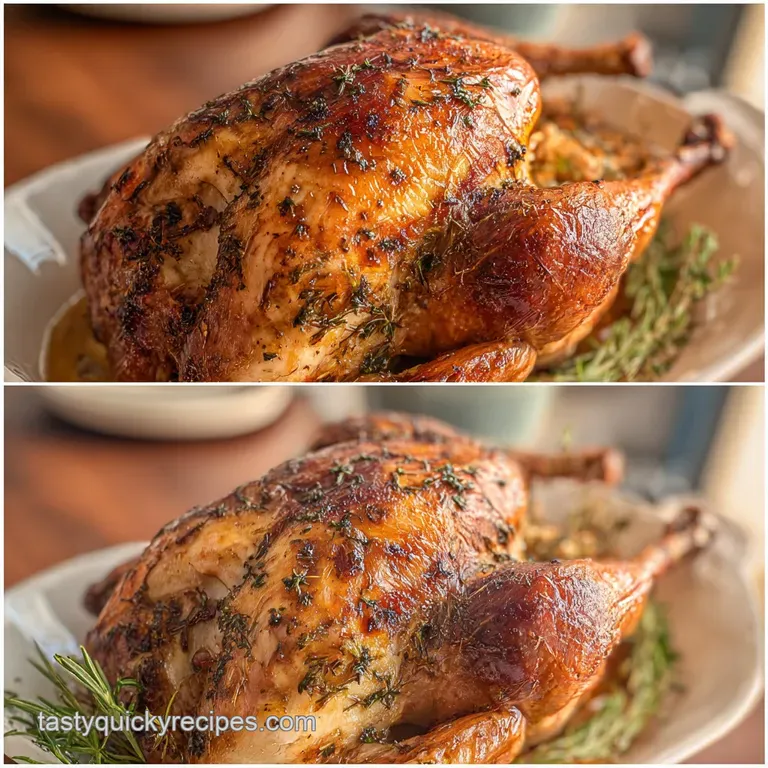
I know everyone has their own holiday traditions, so feel free to tweak this recipe to fit your family's vibe. The Thanksgiving Essentials herb roasted turkey profile is classic, but it's also a great canvas for other flavors.
Decision Shortcut: If you want a smoky depth, swap half the butter for bacon fat and add a teaspoon of smoked paprika. If you want a dairy-free feast, use a high-quality vegan butter or extra virgin olive oil for the rub.
If you want a citrus forward bird, add orange and grapefruit zest to the butter mix.
For a Smoky Depth
I once made a turkey where I rubbed a little bit of chipotle powder into the butter. It wasn't "spicy" in a hot way, but it gave the whole meal this incredible outdoor roast smell. If you go this route, pair it with a corn based stuffing to lean into those earthy flavors.
For a dairy-free Feast
You can absolutely get a crispy bird without butter. Use a neutral oil with a high smoke point, like avocado oil, mixed with your herbs. You won't get that specific "milky" toasted flavor, but the skin will be incredibly thin and crisp, almost like a Peking duck.
Managing Leftovers and Minimizing Waste
The best part of Thanksgiving isn't actually the dinner it's the sandwiches the next day. But you have to handle the leftovers right to keep them from turning into cardboard.
- Storage: Move the meat to the fridge within 2 hours of roasting. It stays fresh for 3 to 4 days.
- Freezing: Turkey freezes beautifully. Slice it first, wrap it tightly in plastic, then foil. It’ll last 3 months.
- Zero Waste: Don't you dare throw that carcass away! Throw the bones, the leftover onion scraps, and some peppercorns into a pot of water. Simmer for 4 hours to make a stock that beats anything you can buy at the store.
When reheating, add a splash of stock or a pat of butter to the meat before putting it in the oven. This creates a little steam chamber that prevents the turkey from drying out during its second trip to the heat.
Pairing Suggestions for the Table
A great herb roasted turkey needs side dishes that can stand up to those rosemary and sage notes without over powering them. You want a balance of creamy, crunchy, and acidic elements on the plate.
Think about textures. If the turkey skin is "shattering" and crispy, you want something velvety like mashed potatoes or a smooth squash purée. I usually go for a sharp cranberry sauce to cut through the richness of the herb butter.
It's that hit of acid that makes you want to go back for a second (and third) helping.
If you’re looking for more inspiration to fill out your table, my Thanksgiving Dinner Plate recipe has some fantastic ideas for coordinating your sides so everything finishes at the same time.
Professional Insights for Better Roasts
Let's clear up some old school myths that have been ruining turkeys for decades. First off, stop washing your turkey! All it does is splash bacteria all over your sink and counters. The high heat of the oven will kill anything you're worried about.
Second, the "basting" myth. Every time you open that oven door to pour juice over the bird, you drop the oven temperature by 25 degrees. This actually makes the turkey take longer to cook and results in soggy skin.
Our herb butter rub under the skin does the basting for you from the inside keep that door closed!
Finally, ignore the "trussing" rule if you're in a hurry. While tying the legs together looks pretty, it actually blocks the heat from reaching the thickest part of the thighs, which are the slowest part to cook. Leaving the legs loose helps the bird cook more evenly and faster.
Trust the process, follow your Simple Thanksgiving checklist food plan, and you'll have the best bird of your life.
Frequently Asked Questions
Troubleshooting Common Issues
| Issue | Solution |
|---|---|
| Why did my turkey cook faster than the package said | Package directions are often based on older, less efficient ovens. If you used a high fat rub and didn't open the oven door to baste, your bird will cook much more efficiently. Always rely on your the |
| Use dried herbs instead of fresh | Yes, but remember the ratio is 1:3. Dried herbs are much more concentrated. For this recipe, you'd use 1 tablespoon of dried herbs for every 3 tablespoons of fresh. However, fresh herbs really do prov |
| Make the gravy from these drippings | Once the turkey is resting, pour the liquid from the pan into a glass jar. Let the fat rise to the top. Use 4 tablespoons of that fat mixed with 4 tablespoons of flour in a saucepan to make a roux, th |
Recipe FAQs
What are the Thanksgiving dishes checklist?
A comprehensive checklist includes: Herb roasted turkey, stuffing, cranberry sauce, mashed potatoes, gravy, green bean casserole, sweet potato casserole, and a pie for dessert. It’s about balancing classics with a few fresh takes to create a full, satisfying meal experience.
What side dishes go with turkey dinner?
Classic pairings include: Stuffing, mashed potatoes, gravy, green bean casserole, and cranberry sauce. For a complete meal, consider adding a sweet potato dish and a simple salad to provide variety in texture and flavor.
How to host a stress free Thanksgiving?
Plan and prepare in advance. Create a detailed timeline, shop early, and do as much prep work as possible the day before, like chopping vegetables and making desserts. Focus on tasks that can be done ahead, simplifying day-of execution.
What are the 12 most popular Thanksgiving dishes?
The most popular include: 1. Herb Roasted Turkey, 2. Stuffing/Dressing, 3. Mashed Potatoes, 4. Gravy, 5. Cranberry Sauce, 6. Green Bean Casserole, 7. Sweet Potato Casserole, 8. Dinner Rolls, 9. Pumpkin Pie, 10. Macaroni and Cheese, 11. Brussels Sprouts, 12. Cornbread.
These dishes form the backbone of a traditional American Thanksgiving feast.
Can I use dried herbs instead of fresh for the turkey?
Yes, but use a different ratio. Dried herbs are more concentrated, so use about one-third the amount of dried herbs as fresh. For example, use 1 tablespoon of dried rosemary for every 3 tablespoons of fresh.
Why is my turkey skin pale after roasting?
Likely due to excess moisture. This can happen if the turkey wasn't dried thoroughly before roasting or if the oven door was opened too often for basting. Keeping the skin dry and the oven closed helps achieve that desired crispy, golden brown color.
How to make gravy from turkey drippings?
Make a roux with the drippings. After the turkey rests, pour the pan juices into a fat separator. Whisk 4 tablespoons of turkey fat with 4 tablespoons of flour in a saucepan over medium heat to form a roux, then gradually whisk in about 3-4 cups of turkey stock until thickened.
If you mastered controlling the fat content in your compound butter, you can apply similar principles to balancing your gravy.
Herb Roasted Turkey Checklist

Ingredients:
Instructions:
Nutrition Facts:
| Calories | 645 kcal |
|---|---|
| Protein | 71.5 g |
| Fat | 38.2 g |
| Carbs | 2.1 g |
| Fiber | 0.4 g |
| Sugar | 0.6 g |
| Sodium | 980 mg |
