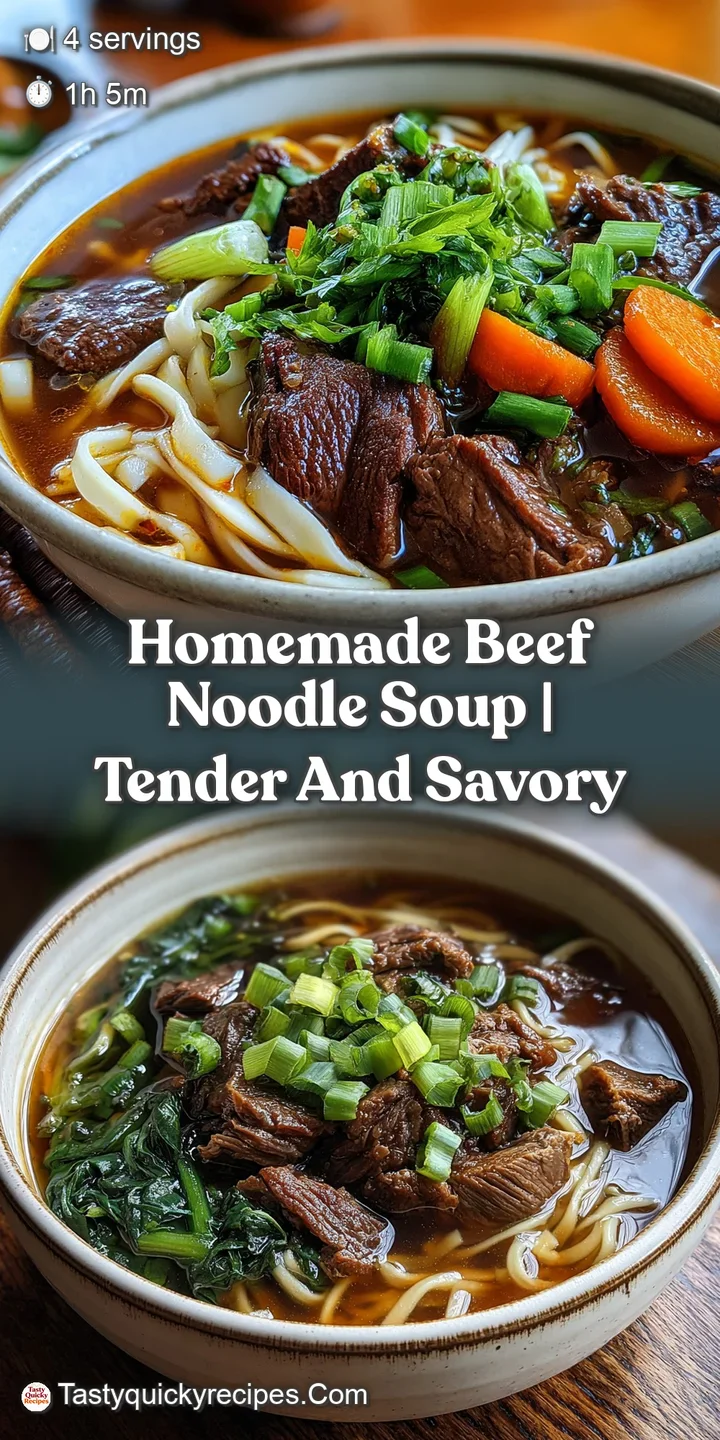
Traditional Beef Noodle Soup Recipe
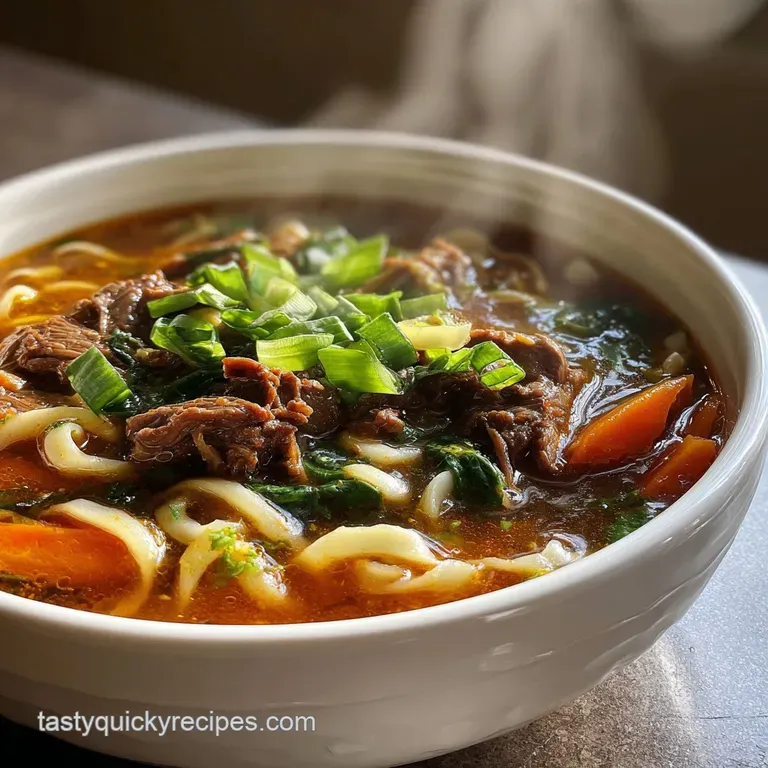
- Time: Active 20 minutes, Passive 45 minutes, Total 1 hour 5 mins
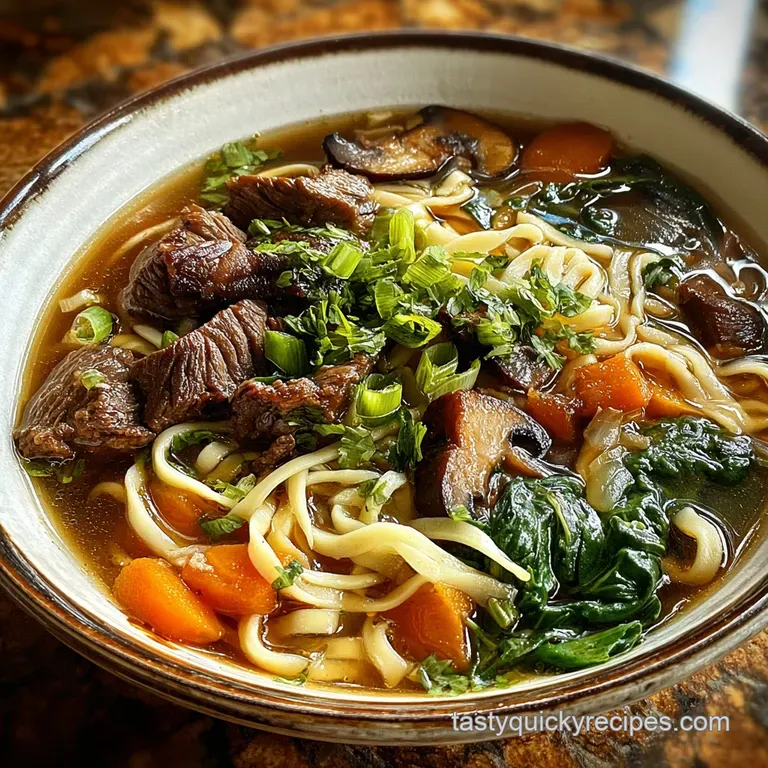
- Flavor/Texture Hook: Silky wheat noodles swimming in a velvety, spice infused bone broth.
- Perfect for: A fueling midday lunch or a satisfying, energized weekend meal prep.
- Why This Beef Noodle Soup Hits Different
- Understanding the Core Recipe Specs
- Essential Elements for Rich Flavor
- Essential Gear for Professional Results
- The Step-by-Step Cooking Flow
- Troubleshooting Your Savory Broth
- Adjusting Portions for the Crowd
- Variations for Every Unique Palate
- Debunking Common Kitchen Tales
- Storage and Zero Waste Tips
- Sides to Complete the Meal
- Very High in Sodium
- Recipe FAQs
- 📝 Recipe Card
Why This Beef Noodle Soup Hits Different
The sizzle of beef cubes hitting hot oil is easily my favorite kitchen sound. Last Tuesday, the sky was that miserable shade of grey that just screams for comfort food, but I didn't want a heavy meal that would leave me napping by 3 PM.
I pulled out a 2 lbs beef chuck roast, fired up the stove, and let the scent of star anise and Sichuan peppercorns take over my kitchen. There is something almost therapeutic about watching the broth transform from clear liquid to a dark, rich amber.
This Beef Noodle Soup is exactly what I turn to when I need to feel fueled and energized. It isn't just a bowl of liquid; it is a structured, intentional meal where every spice has a job to do. We're using fresh wheat noodles and a clever hit of tomato to cut through the richness of the beef.
You're going to get that restaurant quality depth without having to simmer a pot for eight hours, thanks to a few smart techniques I’ve picked up along the way.
The Physics of the Fond
Maillard Reinforcement: Searing the beef at high heat creates a crust of complex sugars (fond) that dissolves into the broth, providing a savory foundation.
Acidic Tenderization: The enzymes in the large tomato wedges help break down the tough connective tissues in the beef chuck during the 45 minute simmer.
Lipid Soluble Aromatics: Spices like star anise and cinnamon release their flavor compounds most effectively when toasted in oil rather than just boiled in water.
| Method | Time | Texture | Best For |
|---|---|---|---|
| Traditional Stovetop | 1 hour 5 mins | Tender beef with bite | Best overall flavor depth |
| Pressure Cooker | 45 mins total | Fall apart soft beef | When you are in a rush |
| Slow Cooker | 8 hours | Deeply integrated spices | Hands off weekend prep |
If you love the depth of a slow cooked meal but want something even more vegetable forward, you might also enjoy my Crockpot Beef Barley Soup recipe. Both dishes rely on that "low and slow" magic to transform humble cuts of meat into something spectacular.
Understanding the Core Recipe Specs
To get the most out of your Beef Noodle Soup, we need to look at how the ingredients interact. We aren't just throwing things in a pot; we are building a "flavor bridge" between the heavy fats of the beef and the light, herbal notes of the cilantro and scallions.
Component Analysis
| Ingredient | Science Role | Pro Secret |
|---|---|---|
| Beef Chuck Roast | Provides gelatin and fat | Cut against the grain for maximum tenderness. |
| Shaoxing Wine | Deglazing agent | Use it to scrape up the brown bits (fond) from the pan. |
| Dark Soy Sauce | Maillard coloring | It adds more color than saltiness; don't skip it for that rich look. |
| Sichuan Peppercorns | Numbs the palate | Lightly crush them to release the oils without making the broth gritty. |
Essential Elements for Rich Flavor
I’ve learned the hard way that you can't just swap everything out, but sometimes life happens. Here is what you need for this Beef Noodle Soup and how to pivot if your pantry is looking bare.
- 2 lbs beef chuck roast: The gold standard for stewing. Why this? High connective tissue melts into gelatin, creating a velvety mouthfeel.
- Substitute: Beef brisket (similar fat content but slightly more fibrous).
- 14 oz fresh wheat noodles: These hold up beautifully in hot broth. Why this? They absorb the soup flavor without becoming mushy or starchy.
- Substitute: Dried udon or thick egg noodles.
- 6 cups low sodium beef bone broth: Our liquid base. Why this? Using bone broth adds collagen that regular stock lacks.
- Substitute: 6 cups water + 2 tbsp high-quality beef base.
- 3 inch piece fresh ginger: Essential for "cleansing" the beef flavor.
- Substitute: 1 tsp ground ginger (though fresh is significantly better).
- 1 large tomato: The secret weapon.
- Substitute: 1 tbsp tomato paste for color and acidity.
Chef's Tip: To get a "shatter" crisp on your beef before simmering, pat the meat bone dry with paper towels. Any moisture on the surface will cause the meat to steam rather than sear, ruining the depth of your broth.
Essential Gear for Professional Results
You don't need a professional kitchen, but having the right heavy bottomed pot is a non negotiable for me. A heavy pot distributes heat evenly, which prevents the soy sauce and sugar from burning during the initial sear.
- Heavy Dutch Oven: A 5 quart or 6 quart cast iron pot (like a Lodge) is perfect for retaining heat.
- Spider Strainer: This is the best tool for pulling the noodles and bok choy out of the water without making a mess.
- Fine Mesh Sieve: If you want a clear, restaurant style broth, you'll use this to strain out the aromatics before serving.
If you are looking for a quicker way to get dinner on the table with less cleanup, my Beef Lo Mein recipe uses many of the same flavor profiles but cooks in a single wok in about 25 minutes.
The step-by-step Cooking Flow
- Prep the beef. Cut the 2 lbs beef chuck into 1.5 inch cubes. Note: Keep them uniform so they cook at the same rate.
- Sear the meat. Heat 2 tbsp neutral oil in your pot. Add beef in batches and cook 5 minutes until deeply browned and crackling.
- Bloom aromatics. Remove beef. In the same fat, add the smashed ginger, 6 crushed cloves of garlic, and quartered white onion. Sauté 3 minutes until the onion edges singe.
- Toast the spices. Toss in 3 star anise, 1 cinnamon stick, and 1 tsp Sichuan peppercorns. Stir 1 minute until the aroma fills the room.
- Deglaze the pan. Pour in 2 tbsp Shaoxing wine. Scrape the bottom of the pot with a wooden spoon to release the flavor.
- Build the base. Add 3 tbsp soy sauce, 1 tbsp dark soy sauce, 1 tbsp brown sugar, and the tomato wedges. Return the beef to the pot.
- Simmer to perfection. Pour in 6 cups beef bone broth. Cover and simmer for 45 minutes until the beef is tender when pierced.
- Prepare the noodles. While the beef rests, boil the 14 oz fresh wheat noodles according to package directions. Note: Do not overcook; they will soften further in the hot soup.
- Blanch the greens. In the last 2 minutes of noodle cooking, add the 2 bunches of bok choy to the water.
- Assemble the bowls. Place noodles and bok choy in bowls, ladle over the hot beef and broth, and garnish with cilantro, scallions, and 1 tbsp chili oil.
Troubleshooting Your Savory Broth
Even with the best intentions, things can go sideways. I once ended up with a broth so salty I thought I’d have to start over. Don’t panic most things are fixable!
Rescuing Tough Meat
If your beef still feels like a pencil eraser after 45 minutes, it usually means the temperature was too high, causing the proteins to seize. Simmer for an extra 15 minutes on the lowest heat possible. The collagen needs time, not heat, to melt.
Fixing a Cloudy Broth
A cloudy soup usually happens if you boil the broth too violently. This emulsifies the fat into the water. To fix it, strain the liquid through a coffee filter or just let it sit for 5 minutes and skim the top with a wide spoon.
| Problem | Root Cause | Solution |
|---|---|---|
| Bitter Broth | Burned spices or garlic | Add a pinch more brown sugar to balance the bitterness. |
| Lack of Depth | Not enough searing | Stir in 1 tsp of beef bouillon or a splash of fish sauce. |
| Greasy Mouthfeel | Too much rendered fat | Chill the broth and lift off the solid fat, or use a bread slice to soak up surface oil. |
Common Mistakes Checklist
- ✓ Don't skip the "blooming" phase; spices need oil to unlock their full flavor profile.
- ✓ Always blanch your bok choy separately or at the very end to keep it vibrant and crisp.
- ✓ Pat the beef cubes dry before searing to ensure a dark, flavorful crust.
- ✓ Use low sodium broth so you can control the saltiness with the soy sauce.
- ✓ Avoid over boiling the noodles; they should have a slight "bounce" to them.
Adjusting Portions for the Crowd
When scaling this recipe down for two, use a smaller 3 quart pot. You can keep the spice measurements the same (the broth needs that punch!), but reduce the cook time by about 10% as the smaller volume heats up faster.
If you are doubling the recipe for a dinner party, do not simply double the Sichuan peppercorns or star anise. Increase the spices by 1.5x instead. Scaling spices linearly can often lead to a dish that tastes medicinal rather than balanced.
Also, ensure you sear the meat in at least three or four batches to avoid overcrowding the pan.
Variations for Every Unique Palate
If you want to experiment with different regional styles, this Beef Noodle Soup base is incredibly flexible. You can easily pivot to a Vietnamese inspired profile by swapping the soy sauce for fish sauce and adding a heavy handful of fresh basil and bean sprouts at the end.
For an Easy Beef Noodle Soup shortcut, you can use high-quality store-bought meatballs instead of the chuck roast. You won't get the same gelatinous broth, but it cuts the cook time down to about 15 minutes perfect for those busy midday shifts when you need to stay energized. If you're looking for another quick noodle fix, my Beef Stir Fry recipe is a fantastic option that keeps the protein high and the prep time low.
Debunking Common Kitchen Tales
One myth I hear constantly is that you must "wash" the beef before cooking it to get a clean broth. This is actually counterproductive. Rushing water over meat just spreads bacteria around your sink.
A better way to get a clean broth is to "parboil" the meat for 2 minutes, drain it, and then start the searing process.
Another misconception is that the "numbing" sensation from Sichuan peppercorns is a sign of spiciness. It's actually a physical reaction called paresthesia. It’s meant to refresh the palate so that the next bite of rich beef tastes just as vibrant as the first. It’s not about heat; it’s about texture!
Storage and Zero Waste Tips
This soup is one of those rare dishes that actually tastes better the next day. The spices continue to meld, and the beef stays incredibly moist in the liquid.
- Fridge: Store the broth and beef in an airtight container for up to 4 days. Store the noodles separately so they don't soak up all the liquid and turn into a giant sponge.
- Freezer: The broth and beef freeze beautifully for up to 3 months. I like to freeze them in individual portions for quick lunches.
- Zero Waste: Don’t throw away those cilantro stems! Finely chop them and add them to the pot along with the ginger and garlic. They have even more flavor than the leaves. Also, the leftover fat you skim off the top is "liquid gold" use it the next day to fry an egg or sauté some greens.
Sides to Complete the Meal
While this is a complete meal on its own, I love serving it with a side of smashed cucumber salad. The cold, vinegary crunch of the cucumbers provides a perfect contrast to the hot, fatty Beef Noodle Soup.
If you have a bit of extra time, a side of pan-fried dumplings or even a simple Spaghetti Pie Recipe (for a fun fusion twist!) can turn this into a full blown feast. For a more traditional route, a dish of spicy pickled radish helps keep your palate sharp and energized throughout the meal.
Very High in Sodium
1680 mg mg of sodium per serving (73% of daily value)
The American Heart Association recommends limiting sodium intake to about 2,300mg per day.
Tips to Reduce Sodium in Your Beef Noodle Soup
-
Broth Swap-30%
Replace the 6 cups of low sodium beef bone broth with no sodium added beef broth. This swap can significantly reduce the overall sodium content.
-
Soy Sauce Control-20%
Reduce the amount of soy sauce used. Try using only 1 tablespoon of regular soy sauce and ½ tablespoon of dark soy sauce, or opt for a low-sodium soy sauce alternative altogether.
-
Flavor Boosters-15%
Enhance the flavor profile with more ginger, garlic, star anise, cinnamon, and Sichuan peppercorns. These aromatics can help compensate for the reduction in saltiness.
-
Add Vegetables-10%
Increase the amount of bok choy and consider adding other low-sodium vegetables like mushrooms or carrots to add flavor and substance without increasing sodium.
-
Fresh Herbs
Experiment with fresh herbs like basil, mint, or Thai basil in addition to cilantro and scallions to brighten the dish and add complexity.
Recipe FAQs
Why did Campbell's discontinue beef noodle soup?
Yes, Campbell's has shifted its focus away from certain legacy canned lines.
Consumer tastes evolve, and the company often streamlines production to focus on higher demand products or newer formulations. It is common for established brands to discontinue items when SKU management requires it.
What spices do you put in beef noodle soup?
Star anise, cinnamon stick, and Sichuan peppercorns are essential for depth.
These whole spices bloom in the fat to create the traditional aromatic backbone of rich Asian style beef broths. Don't forget fresh ginger and garlic to brighten the savory meatiness.
How to add more flavor to beef noodle soup?
Sear the beef aggressively until a dark, thick fond forms on the bottom of the pot.
Deglaze this fond with wine or soy sauce to capture all that caramelized flavor before adding liquid. If you need a quick infusion boost, adding a spoonful of marmite works wonders for savory depth.
What are the different types of beef noodle soup?
The primary types are defined by broth style and regional origin.
Major categories include clear broth (like Lanzhou style), spicy and numbing broth (Sichuan style), and rich, dark broth (Taiwanese style). Mastering the broth searing technique here will help you pivot between these styles; the same principle of building flavor foundations works universally.
Is it true that using tomato in savory beef soup is a mistake?
No, this is a common misconception when making deeply savory broths.
A little acidity from tomato paste or a fresh wedge cuts through the fat of the beef chuck, balancing the richness perfectly. This technique is crucial for preventing the soup from tasting heavy or muddy.
How long should the beef simmer to be tender?
Simmer the beef chuck for 45 to 60 minutes until fork tender.
The connective tissue in chuck needs low, slow moisture to break down into gelatin. If you are rushing the process, consider using a pressure cooker instead, or you might end up with chewy meat, similar to what happens when you rush a Crock Pot Bucket recipe.
Can I use store-bought broth to save time?
Yes, but you must enhance it significantly.
Use a low-sodium bone broth as your base, then add richness by simmering it with beef bones or a browned onion halfway through the process. A quick flavor bomb can also come from deglazing your initial searing pan before adding the stock.
Hearty Beef Noodle Soup
Ingredients:
Instructions:
Nutrition Facts:
| Calories | 745 kcal |
|---|---|
| Protein | 56g |
| Fat | 34g |
| Carbs | 52g |
| Fiber | 4g |
| Sugar | 7g |
| Sodium | 1680mg |
