Greek Chicken Bowls with Zesty Marinade
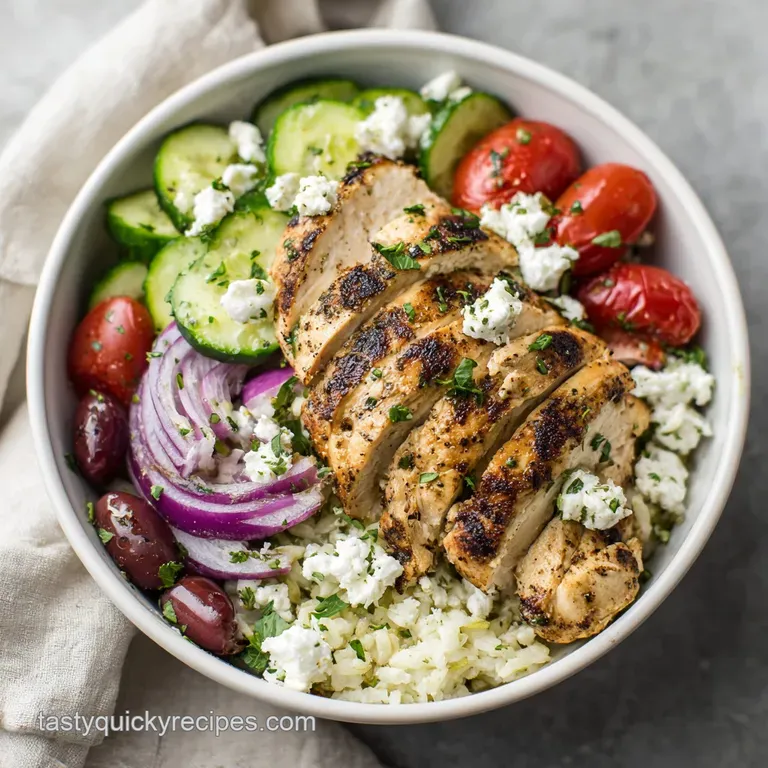
- Time: Active 20 minutes, Passive 15 minutes, Total 35 minutes
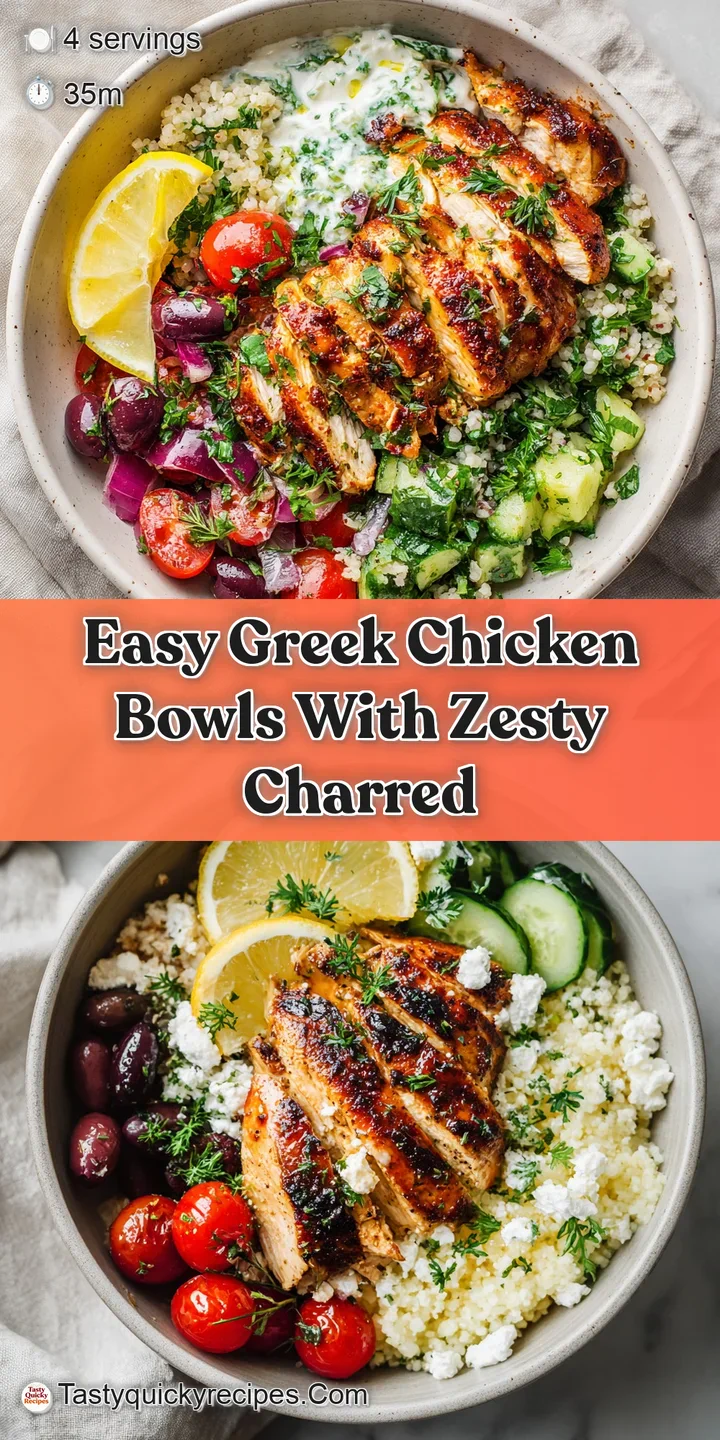
- Flavor/Texture Hook: Zesty, charred chicken with velvety tzatziki and crisp cucumbers
- Perfect for: Mid week fuel, meal prep, or a vibrant family dinner
- How to Build Vibrant Greek Chicken Bowls
- Why This Meal Plan Works
- Gathering the Fresh Component Parts
- Essential Tools for High Heat
- The Step-By-Step Prep Flow
- Fixing Common Texture Mistakes
- Creative Bowl Variation Ideas
- Pro Storage and Leftover Hacks
- Creative Ways to Plate
- High in Sodium
- Recipe FAQs
- 📝 Recipe Card
How to Build Vibrant Greek Chicken Bowls
The kitchen smells like a summer afternoon in Santorini right now, and honestly, I'm here for it. It started with the sharp, citrusy sting of lemon juice hitting my cutting board and the earthy, woody scent of dried oregano as I rubbed it between my palms to wake up the oils.
If you've ever felt like you're just throwing random things in a bowl and calling it dinner, this is the recipe that changes the narrative. It's fast, it's flavorful, and it brings a certain level of sanity to the table when you're juggling a million things.
I remember the first time I tried to make a version of these Greek Chicken Bowls. I didn't dry the cucumbers for the tzatziki, and within ten minutes, my beautiful meal had turned into a soggy, watery mess.
I've learned the hard way that the magic is in the details the way the chicken needs a over high heat sear to get those crispy edges, and how a tiny bit of smoked paprika adds a depth that makes people think you spent hours at a grill.
We are focusing on a plan based execution here. While the chicken marinating does its thing, we’re going to fly through the vegetable prep. It’s all about the flow preparing the cold elements while the hot elements cook so that everything hits the bowl at the exact right temperature.
You’ll get that shatter of a fresh cucumber followed by the velvety, cooling yogurt and the warm, spice crusted chicken. Let’s get into the "how" so you can get this on the table.
Why This Meal Plan Works
The Acid Heat Balancing Act: Citric acid in the lemon juice breaks down the tough connective tissues in the chicken breast, while the over high heat sear locks in moisture through rapid protein coagulation.
- Enzymatic Tenderization: The lemon juice acts as a mild denaturant, softening the protein fibers before they even hit the pan.
- Osmotic Exchange: Salting the cucumbers draws out excess water via osmosis, ensuring the tzatziki remains thick and creamy rather than soup like.
- Maillard Depth: Smoked paprika and oregano carmelize against the chicken’s surface, creating a complex crust that contrasts with the fresh vegetables.
- Starch Saturation: Jasmine rice provides a porous base that absorbs the stray juices from the meat and the lemon garlic runoff.
| Chicken Thickness | Internal Temp | Rest Time | Visual Cue |
|---|---|---|---|
| 1 inch cubes | 165°F (74°C) | 3 minutes | No longer pink, golden crust |
| 1.5 inch strips | 165°F (74°C) | 5 minutes | Firm to touch, juices run clear |
| Half inch mince | 165°F (74°C) | 2 minutes | Uniformly browned and opaque |
Cooking chicken in smaller, uniform cubes is the secret to speed. It increases the surface area for the marinade to cling to and ensures every single piece gets that beautiful golden sear without drying out the center.
Gathering the Fresh Component Parts
The success of these Greek Chicken Bowls relies on the quality of your fats and the freshness of your aromatics. Since we aren't using a long list of heavy sauces, every ingredient has to pull its weight.
Ingredient Deep Dive
| Ingredient | Science Role | Pro Secret |
|---|---|---|
| Extra Virgin Olive Oil | Heat Conductor | Use a high-quality oil for the marinade; it carries the fat soluble flavors of oregano and paprika into the meat. |
| Full fat Greek Yogurt | Emulsifier Base | Always choose 5% or 10% fat; the lipids coat the tongue and mellow the sharpness of the raw garlic. |
| English Cucumber | Structural Texture | These have thinner skins and fewer seeds, meaning less bitterness and more "snap" in every bite. |
| Fresh Lemon Juice | Chemical Tenderizer | Fresh juice contains active enzymes that bottled juice lacks; it brightens the heavy fats in the feta and yogurt. |
While you are gathering your items, think about the rice base. If you want to boost the savory notes, using a homemade Chicken Stock recipe instead of plain water adds a layer of richness that's hard to beat.
The Ingredients & Substitutes
- 1.5 lbs chicken breast: Cut into 1 inch cubes. Why this? Breast meat stays lean but soaks up the lemon oregano marinade beautifully. (Sub: Boneless chicken thighs for a juicier, higher fat option).
- 3 tbsp extra virgin olive oil: Used for the marinade and pan searing. (Sub: Avocado oil for a higher smoke point).
- 2 tbsp fresh lemon juice: Vital for brightness. (Sub: Red wine vinegar).
- 3 cloves garlic, minced: Don't skimp here. (Sub: 1 tsp garlic powder in a pinch).
- 1 tbsp dried oregano: The backbone of the flavor. (Sub: Dried marjoram).
- 1 tsp smoked paprika: Adds a "grilled" essence. (Sub: Sweet paprika).
- 0.5 tsp sea salt & black pepper: Essential seasoning.
- 2 cups cooked jasmine rice: Our fluffy base. (Sub: Quinoa for more fiber).
- 1 cup English cucumber, diced: Provides the crunch. (Sub: Persian cucumbers).
- 1 cup cherry tomatoes, halved: For sweetness and acidity. (Sub: Grape tomatoes).
- 0.5 cup red onion, thinly sliced: Adds a sharp bite. (Sub: Pickled red onions).
- 0.5 cup kalamata olives, pitted: For that salty, briny punch. (Sub: Green olives).
- 0.5 cup feta cheese, crumbled: Salty, creamy finish. (Sub: Goat cheese).
- Tzatziki Components: 1 cup Greek yogurt, 0.5 cup grated cucumber (squeezed dry), 1 tbsp fresh dill, 1 tsp lemon juice, 1 clove garlic (grated).
Essential Tools for High Heat
You don't need a professional kitchen, but a few specific tools make the flow much smoother. A heavy bottomed skillet is non negotiable for getting that sear we talked about.
- Large Cast Iron Skillet: Holds heat better than stainless steel, ensuring the chicken sears rather than steams.
- Box Grater: Use the fine side for the garlic and the coarse side for the cucumber.
- Cheesecloth or Clean Kitchen Towel: This is the only way to truly squeeze the moisture out of your grated cucumber.
- Fine Mesh Sieve: If you're washing your jasmine rice (which you should!), this is essential for a fluffy result.
If you find yourself making these often for a crowd, you might want to look into doubling the batch. If you're doing that, you'll want to work in batches in your pan. Overcrowding is the enemy of the sear. It’s similar to the logic I use for a Chicken Fried Rice recipe — too much in the pan at once, and everything just gets soggy.
The step-by-step Prep Flow
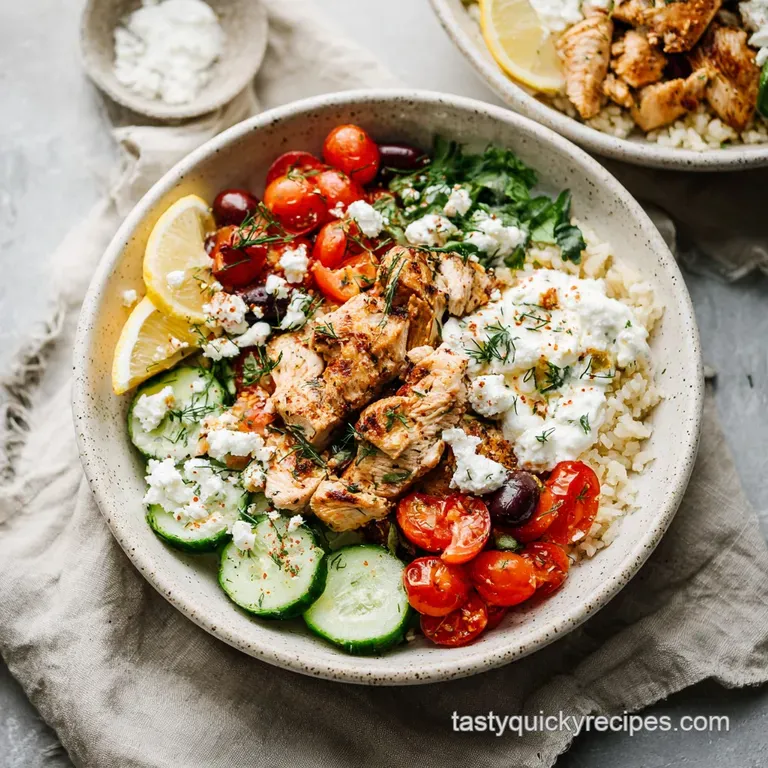
This is where the plan based execution comes into play. We are going to move from the marinade to the cold prep, and finally to the over high heat finish.
- Whisk the marinade. In a large bowl, combine 3 tbsp olive oil, 2 tbsp lemon juice, 3 minced garlic cloves, oregano, smoked paprika, salt, and pepper.
- Infuse the chicken. Toss the 1.5 lbs of cubed chicken into the marinade. Note: 15-20 minutes at room temperature is enough, but 2 hours in the fridge is better.
- Grate and squeeze. Grate the 0.5 cup of cucumber for the tzatziki. Wrap it in a towel and squeeze with all your might until no more liquid drips out.
- Whip the tzatziki. Stir the squeezed cucumber into 1 cup Greek yogurt with 1 tbsp dill, 1 tsp lemon juice, and 1 grated garlic clove. Set aside to let flavors meld.
- Chop the veg. Halve the cherry tomatoes, dice the English cucumber, and thinly slice the red onion. Keep these cold until serving.
- Searing the chicken. Heat a splash of oil in your skillet over medium high heat. Add the chicken in a single layer.
- Develop the crust. Cook for 4-5 minutes without moving them until a deep golden crust forms.
- Flip and finish. Stir the chicken and cook for another 4-5 minutes until the centers are opaque and firm.
- Rest the meat. Remove the chicken from the heat and let it sit for 3 minutes. Note: This allows the juices to redistribute so they don't leak into your rice.
- Construct the bowl. Layer the rice at the bottom, top with a heap of chicken, then arrange the cucumbers, tomatoes, onions, olives, and feta. Add a massive dollop of tzatziki.
Chef's Tip: For the most velvety tzatziki, grate your garlic directly into the yogurt. The juices from the garlic emulsify with the yogurt fat, creating a much more consistent flavor than chopped garlic ever could.
Fixing Common Texture Mistakes
Even the simplest recipes can go sideways if you're not careful with the moisture levels. The biggest culprit in Greek Chicken Bowls is usually "The Puddle" that layer of water at the bottom of the bowl.
Why Your Chicken Is Rubbery
If the chicken feels bouncy or rubbery, it’s usually because it was boiled in its own juices rather than seared. This happens if the pan wasn't hot enough when you added the meat or if you put too many cubes in at once. The temperature drops, the juices leak out, and the meat simmers.
Fixing a Watery Bowl
If your bowl is soggy, it’s likely the tomatoes or the cucumbers. Salt your diced cucumbers in a colander for 10 minutes before assembly to draw out the water that would otherwise end up in your rice.
| Problem | Root Cause | Solution |
|---|---|---|
| Bland Chicken | Short marinating time | Let it sit for at least 20 mins; salt needs time to penetrate the protein. |
| Broken Tzatziki | Too much lemon/acid | Add an extra spoonful of yogurt to re stabilize the emulsion. |
| Mushy Rice | Excess water | Use a 1:1.5 ratio of rice to water and fluff with a fork immediately after cooking. |
Common Mistakes Checklist
- ✓ Pat the chicken dry with a paper towel if it’s been sitting in a wet marinade for too long.
- ✓ Never skip squeezing the cucumber; it’s the difference between a sauce and a soup.
- ✓ Preheat your skillet until you see a faint wispy smoke before adding the chicken.
- ✓ Let the cooked chicken rest; cutting into it immediately loses all the internal moisture.
- ✓ Use full fat yogurt; non fat often has thickeners that change the mouthfeel.
Creative Bowl Variation Ideas
The beauty of this format is that you can swap out the base or the protein depending on what's in your pantry. If you are tired of rice, you can lean into different grains or even a salad base.
- The Low Carb Swap: Replace the jasmine rice with cauliflower rice or a bed of chopped romaine lettuce. Increase the feta slightly to keep the meal satisfying.
- The Spicy Aegean Twist: Add a teaspoon of red pepper flakes to the chicken marinade and swap the feta for a spicy whipped feta (tirokafteri).
- The Quinoa Power Bowl: Use red or white quinoa for a nuttier flavor and a higher protein to carb ratio. This version holds up incredibly well for meal prep.
| Original Ingredient | Substitute | Why It Works |
|---|---|---|
| Jasmine Rice | Quinoa | Higher protein and fiber. Note: Has a nuttier, more earthy flavor than rice. |
| Chicken Breast | Chickpeas | Great plant based swap. Note: Roast them with the same spices for a "crunchy" bowl. |
| Feta Cheese | Halloumi | Stays firm when heated. Note: Pan fry the halloumi for a salty, chewy texture. |
If you're looking for a different vibe entirely, you could even use the chicken marinade technique on some firecracker style bowls, similar to what you'd see in a Jalbiteworldfood Recipe, just by swapping the oregano for some chili paste.
Pro Storage and Leftover Hacks
Greek Chicken Bowls are a meal prepper's dream, but you have to store them strategically to keep the textures from merging into a sad, beige pile.
- Fridge
- Store the chicken and rice together in one container (up to 4 days). Keep the fresh vegetables and tzatziki in separate containers. This prevents the vegetables from wilting when you reheat the chicken.
- Freezer
- You can freeze the cooked chicken for up to 3 months. I don't recommend freezing the rice or the fresh toppings.
- Reheating
- Microwave the chicken and rice with a damp paper towel over the top to keep the meat from drying out. Then, add your cold toppings.
Zero Waste Tips: Don't throw away those cucumber peels! If they are organic, they are packed with fiber. You can also save the lemon rinds pop them in a jar with some vinegar to make a natural kitchen cleaner.
If you have leftover feta brine, use it to marinate your next batch of chicken; it's a salt and acid goldmine that tenderizes meat like nothing else.
Creative Ways to Plate
When I’m serving this to friends, I don't just dump everything in a pile. I like to keep the ingredients in distinct "sections" within the bowl. It allows people to choose their own adventure a bite of olive and feta here, a big scoop of tzatziki and chicken there.
- The Deconstructed Look: Place the rice in the center and arrange the toppings in a clock face pattern around the edges.
- The Family Style Platter: Instead of individual bowls, put the rice and chicken on a massive platter and surround them with small bowls of the toppings. It’s much more interactive and feels like a party.
- The Salad Jar: If you're taking this to work, layer the tzatziki at the bottom, then the tomatoes and cucumbers, then the chicken, and finally the rice or greens on top. This keeps the dry stuff dry until you're ready to shake it up.
Debunking Mediterranean Myths
"You have to use a grill for authentic Greek chicken." Honestly, while a charcoal grill adds smoke, a well seasoned cast iron skillet creates a more consistent Maillard crust (that's the browning!). You get more flavor contact on a flat surface than you do on thin grill grates.
"Fresh dill is exactly the same as dried." Not in this case. Dried dill loses its bright, grassy notes very quickly. If you can't find fresh, I’d actually recommend using fresh parsley or even mint before reaching for the dried dill jar. The freshness is what makes the tzatziki sing.
"low-fat yogurt is a healthy swap." While it has fewer calories, low-fat yogurt often contains gums and starches to mimic the texture of fat. These can make your tzatziki feel slimy.
Stick to the full fat stuff the healthy fats from the yogurt and olive oil are what keep you full and help your body absorb the vitamins from the veggies.
High in Sodium
840 mg mg of sodium per serving (37% % of daily value)
The American Heart Association recommends limiting sodium intake to about 2,300mg per day.
Tips to Reduce Sodium in This Recipe
-
Reduce Feta-15%
Feta cheese is a significant source of sodium. Reduce the amount of feta cheese from 0.5 cup to 0.25 cup, or substitute with a lower sodium cheese like fresh mozzarella (packed in water and drained) or ricotta salata in moderation. This change will significantly reduce sodium while maintaining some cheesiness.
-
Limit Olives-10%
Kalamata olives are cured in brine, making them high in sodium. Reduce the amount of olives from 0.5 cup to 0.25 cup. Alternatively, rinse the olives thoroughly before using to remove some of the excess salt.
-
Reduce Added Salt-10%
The recipe calls for 0.5 tsp of sea salt. Reduce this amount to 0.25 tsp or eliminate it entirely, tasting and adjusting as needed. Remember you can always add more, but you can't take it away. Rely on other flavor enhancers instead.
-
Cook Rice Plain-5%
Ensure the jasmine rice is cooked without added salt or sodium containing broth. Cooking it in plain water will help control the overall sodium content.
-
Spice It Up!
Experiment with a variety of fresh and dried herbs and spices to enhance flavor without adding sodium. Consider adding more oregano, smoked paprika, black pepper, dill, or other herbs and spices you enjoy. These additions provide flavor complexity without adding sodium.
Recipe FAQs
What goes in Greek chicken bowls?
Marinated, seared chicken, rice, cucumber, tomatoes, red onion, olives, feta, and tzatziki sauce. This combination ensures a balance of warm, savory meat against cool, crisp vegetables and creamy, tangy dressing.
What sauce is best on a Greek bowl?
Tzatziki sauce is the quintessential best choice. It’s made from Greek yogurt, grated and squeezed cucumber, dill, garlic, and lemon juice, providing a cooling counterpoint to the spiced chicken.
Are Greek bowls healthy?
Yes, generally they are very healthy, focusing on lean protein and fresh vegetables. They are naturally balanced with healthy fats from olive oil and protein from the chicken and yogurt.
What are the ingredients in a Mediterranean chicken bowl?
The core includes lemon oregano chicken, a grain base (like rice or quinoa), cucumbers, tomatoes, olives, and feta cheese. If you enjoyed mastering the flavor balancing act in this recipe, see how we apply similar acid principles in our Chicken and Mushroom recipe for savory depth.
How to keep tzatziki sauce from becoming watery?
Grate the cucumber, then aggressively squeeze out all excess liquid using a towel or cheesecloth. Watery cucumber releases moisture into the yogurt, thinning the sauce considerably as it sits.
How to sear chicken for the best char in a Greek bowl?
Heat your skillet until just smoking, then add the marinated chicken cubes in a single layer without crowding the pan. Do not move them for the first 4-5 minutes to ensure a hard, golden crust forms through the Maillard reaction.
Can I make this low-carb or gluten-free?
Yes, the chicken and vegetable components are naturally gluten-free. Swap the jasmine rice base for cauliflower rice or a bed of mixed greens to easily make it low-carb.
Greek Chicken Bowls Recipe
Ingredients:
Instructions:
Nutrition Facts:
| Calories | 582 kcal |
|---|---|
| Protein | 52 g |
| Fat | 28 g |
| Carbs | 31 g |
| Fiber | 3 g |
| Sugar | 5 g |
| Sodium | 840 mg |
