Persian Chicken: Golden Saffron Braise Recipe
- The Magic of Morgh-e Zaferāni: Unveiling Golden Saffron Chicken
- Subtle Science: Why This Braised Dish Achieves Perfect Flavor
- Essential Components for Authentic Flavor: Ingredients Deep Dive
- Mastering the Morgh-e Zaferāni Method: Step-by-Step Guide
- Ensuring Success: Expert Tips and Troubleshooting Your Braise
- Practical Guide: Storing, Freezing, and Reheating Braised Chicken
- Complementary Pairings: What to Serve Alongside Golden Persian Chicken
- Recipe FAQs
- 📝 Recipe Card
The Magic of Morgh-e Zaferāni: Unveiling Golden Saffron Chicken
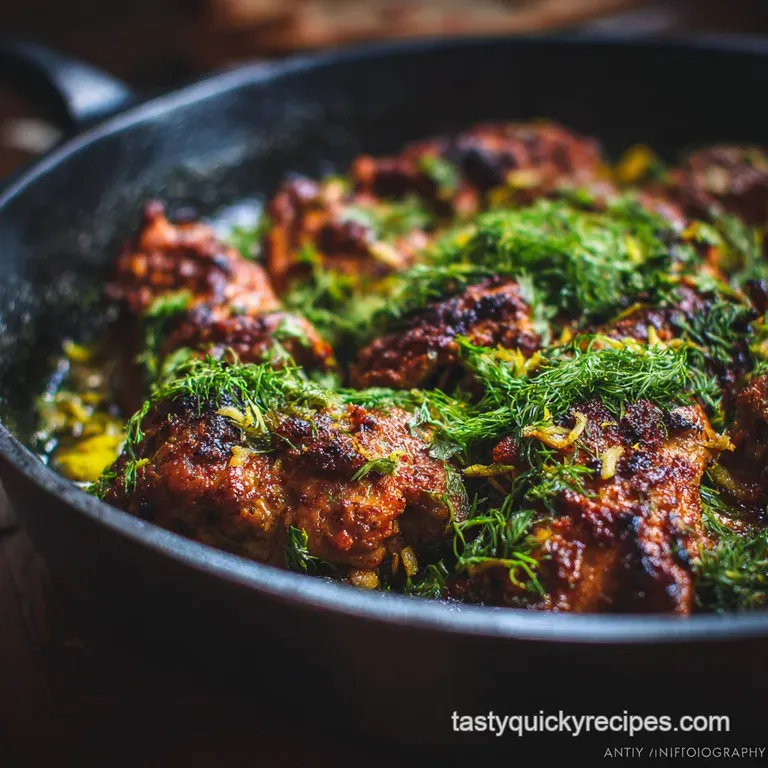
Imagine walking into a kitchen where warm saffron and sweet onions are melting together, creating a scent that is utterly transportive. That delicate, almost floral aroma is the calling card of authentic Persian Chicken , a dish that whispers elegance instead of shouting spice.
It is the definition of golden comfort food, sophisticated yet wholly accessible for the home cook.
Despite how luxurious this dish looks, it’s actually one of those magical Sunday braises that does 90% of the work itself. You get maximum flavor payoff for minimal active effort, which is exactly why this classic Persian Chicken recipe is an absolute lifesaver when you want to impress without stressing.
Forget complicated, messy steps; this is about simple, impeccable technique.
We are going to ignore the confusing, over complicated recipes you might find online and focus strictly on two non-negotiable elements: perfecting the saffron bloom and achieving that glorious, fall off-the-bone tenderness.
Let’s stop talking and start cooking the best Persian Chicken you will ever taste right now.
Subtle Science: Why This Braised Dish Achieves Perfect Flavor
The success of any authentic Persian Chicken recipe lies in patience and understanding the subtle interaction of sweet, sour, and aromatic elements. Unlike many Western stews that rely on heavy herbs and wine, this dish thrives on the gentle foundation provided by slow cooked onions and the potent color and flavor of bloomed saffron.
It’s flavor architecture, not flavor brute force.
What Makes Persian Chicken Different from Western Braises?
Western braising often focuses on deep, meaty flavors and reduction sauces built from stock, wine, and concentrated mirepoix . Persian Chicken , or Morgh-e Zaferāni , is lighter and more acidic.
We prioritize the sweet softening of onions, the earthiness of turmeric, and the unique citrusy notes of saffron and lime juice. There are no heavy root vegetables here, just pure, aromatic goodness. This specific braising technique creates a subtle sweetness that is utterly unique to Persian cuisine.
A Brief History of Morgh-e Zaferāni (Context/Authority)
Saffron, the world's most expensive spice, has been cultivated in Persia (modern day Iran) for thousands of years. The use of saffron in cuisine is a point of national pride, symbolizing wealth, celebration, and incredible flavor.
This method of cooking Persian Chicken is deeply rooted in tradition, often reserved for holidays or important gatherings, and is always served alongside mountains of delicate Basmati rice. When you make this saffron chicken, you are literally cooking a piece of history.
Is This Dish Hard to Master? Setting Expectations
No, it is not hard! You just need to respect the ingredients. Mastering truly fantastic Persian Chicken requires attention to low heat and time management, not complex knife skills. If you can chop an onion and leave a pot alone for an hour, you can make this dish beautifully.
The only part that takes finesse is ensuring you treat the saffron correctly.
The Power of Saffron Bloom: Maximizing Color and Aroma
This is the single most important step in the entire process. If you toss dry saffron threads directly into the pot, you waste their potential. We must "bloom" the saffron first. Grinding the threads into a fine powder maximizes the surface area, releasing the color and aroma compounds.
We then shock them either with boiling water or, my favorite method, slowly melting ice cubes to ensure they fully infuse before they hit the heat. This technique guarantees your Persian Chicken will have that incredible, luminous golden hue.
Balancing Sweet and Sour: The Secret Role of Onion and Spice
The sheer volume of onion might look intimidating, but trust me, we cook it down until it practically dissolves into a sticky, sweet base. This natural sweetness is critical because it plays against the final touch of fresh lime juice, creating that signature Persian sweet and sour depth.
If you rush the onion step, your whole dish will fall flat; patience here is non-negotiable for superior Persian Chicken .
Achieving Fall Off-The-Bone Tenderness
Braising is the magic word here. By using bone-in, skin-on thighs, we are incorporating fat and collagen, which break down slowly over a long period under low, wet heat. This creates incredibly moist and tender meat.
The secret to perfect Persian Chicken tenderness is maintaining the absolute lowest simmer possible, just a gentle shudder in the liquid, never a rolling boil.
Essential Components for Authentic Flavor: Ingredients Deep Dive
I am only listing ingredients that genuinely matter to this braise. We aren't adding fillers; every element contributes directly to the final flavor profile of this incredible Persian Chicken .
Selecting the Best Cut for Braising
I am extremely opinionated about this: use bone-in, skin-on chicken thighs. Period. They have enough fat and connective tissue to withstand the long braise without drying out. They retain moisture beautifully and offer incredible flavor depth to the sauce.
| Ingredient | Why It Works | Substitution If Needed |
|---|---|---|
| Bone-in Chicken Thighs | High fat content; stays moist for 60+ minutes. | Boneless Thighs (Reduce cooking time by 15 mins) or Chicken Breasts (Reduce by 25 mins, but risk dryness). |
| Saffron Threads | Essential color and aromatic flavor. | Turmeric + Paprika for color only (Note: flavor is not replaceable). |
| Yellow Onion | Creates natural sweetness and body for the sauce. | Sweet onions (Vidalia) or Shallots (Use 4 5 small ones). |
| Lime/Lemon Juice | Crucial sour counterpoint for balancing the braise. | White Vinegar or dried Persian lime powder (Limu Omani). |
| Cardamom Powder | Adds a warm, heady background note. | Skip it entirely, or use a tiny pinch of Cinnamon . |
Sourcing Quality Saffron and Cardamom Threads
Please, spend the money on high-quality saffron. The cheap stuff is often tinted paprika and offers zero flavor. Look for long, deep red threads that smell earthy and floral. If you can find Iranian or Spanish saffron, grab it. For the cardamom, ground is fine, but make sure it’s fresh.
Stale spices mean bland Persian Chicken .
Must Have Pantry Staples (Turmeric, Onion, Oil)
We use turmeric primarily for its color and earthy bitterness, which provides a lovely contrast to the sweetness of the onion and saffron. The large yellow onion, as discussed, is the backbone of the sauce, offering texture and sweetness when fully softened.
Don't worry about measuring the onion perfectly just grab a big one!
Smart Swaps: Adapting the Braise to Dietary Needs
If you need to make this dairy-free, simply swap the butter used for sautéing the aromatics with a good quality olive oil. If you want a slightly bolder, spicier flavor profile than classic Persian Chicken offers, you could borrow a technique from my Jalbiteworldfood Recipe: Spicy Sweet Firecracker Chicken Bowls and add a pinch of chili flake right when you add the turmeric. Remember, traditional Morgh-e Zaferāni is subtle, but we are home cooks; we can adapt!
Mastering the Morgh-e Zaferāni Method: step-by-step Guide
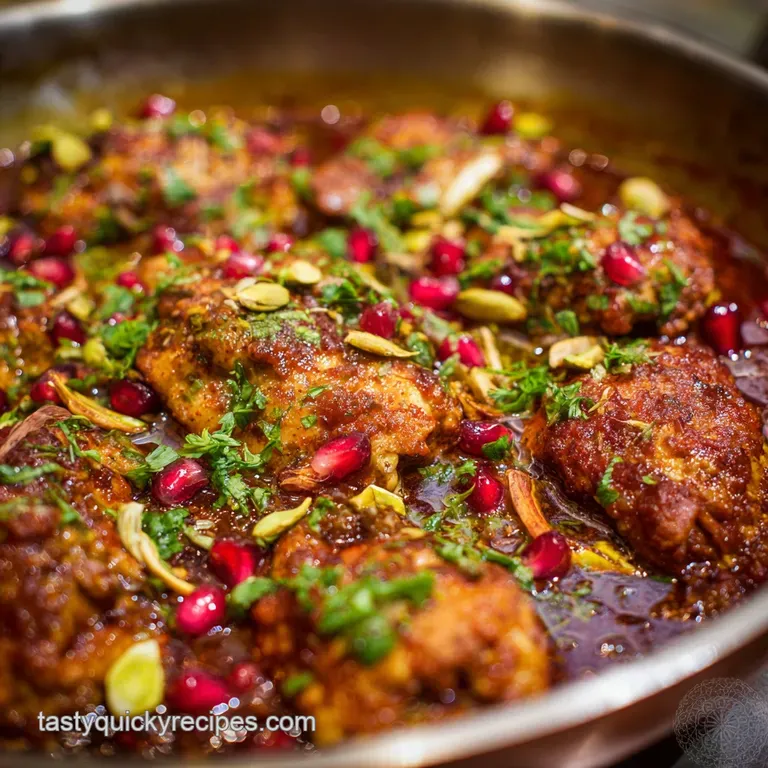
This process ensures maximum flavor development at every single stage. Following these steps precisely guarantees tender, saffron infused Persian Chicken .
Stage 1: Preparing the Aromatic Base
First, take those saffron threads and grind them aggressively in a mortar and pestle until they are a fine powder. Transfer the powder to a small bowl and pour 3 tablespoons of boiling water over them. Stir gently, then walk away. They need at least 15 minutes to fully bloom.
While the saffron is working its magic, pat your chicken pieces bone dry and season generously with salt and pepper.
Stage 2: Searing and Locking in Juices
Heat your oil in a heavy Dutch oven over medium high heat. Sear the chicken pieces, skin side down, until they are deep golden brown and beautifully crispy this takes about seven minutes.
This searing process locks in moisture and builds the essential foundational fond (the brown bits) at the bottom of the pot. Remove the chicken and set it aside; you want those flavorful drippings right where they are.
Next, reduce the heat to medium and add the butter. Now, add the finely diced onion. We need to talk about the onion: you must cook it down gently for eight to ten minutes until it is completely translucent and floppy. Do not let it brown!
Once soft, stir in the minced garlic, turmeric, and cardamom, cooking for just one minute until their scent hits you that gorgeous nutty aroma. Stir in the tomato paste next; cooking the paste for two minutes removes its metallic taste and deepens the final color of your Persian Chicken sauce.
Stage 3: The Gentle Braise and Saffron Infusion
Pour a splash of stock into the pot and scrape up every single bit of those lovely brown fragments from the bottom; that’s pure flavor. Add the remaining stock and the bay leaf, bringing the liquid up to a gentle simmer.
Return the seared chicken pieces to the pot, nestling them into the sauce skin side up (we want to try to keep that crispy skin out of the liquid as much as possible).
Cover the pot tightly with a lid, then immediately reduce the heat to the lowest setting possible. The braise should barely tremble, emitting a soft shiver, not a boil. Cook your Persian Chicken for 60 minutes.
How to Know When the Dish is Truly Ready
The chicken is ready when a fork inserted into the thickest part meets absolutely zero resistance and the meat wants to fall away from the bone. Once cooked, remove the chicken and tent it loosely with foil while you finish the sauce. Discard the bay leaf now.
This is the moment of truth: stir two-thirds of the bloomed saffron mixture into the sauce base. Add the fresh lime or lemon juice. Taste the liquid it should be savory, sweet, and bright with acidity. Adjust salt as needed. Return the chicken to the sauce and serve immediately.
This beautiful, slow cooked Persian Chicken is always worth the wait.
Crucial Chef’s Note: Never add all the saffron at the start of the cook. Saffron’s aromatic compounds are volatile, and long exposure to heat diminishes their intensity.
Adding the bloomed saffron after the braise ensures maximum fragrance and brilliant color intensity for your Persian Chicken .
Ensuring Success: Expert Tips and Troubleshooting Your Braise
You're so close to perfect golden chicken, but a few common errors can ruin a delicate dish like this. Here are the things I learned the hard way about making truly excellent saffron chicken.
The Temperature Trap: Avoiding Scrambled Saffron
This is one of the most common rookie errors. If the braising liquid for your Persian Chicken is boiling rapidly, the high heat can turn the delicate saffron flavor bitter and dull the color. More importantly, high heat makes the chicken seize up and become tough.
Keep the heat on low. If you see a robust bubble, turn the burner down or move the pot partly off the heat. Gentle cooking is the only path to tender Morgh-e Zaferāni.
Preventing the Sauce from Breaking
The sauce for this Persian Chicken is built on reduced stock, fat from the chicken, and soft onions. It shouldn’t break, but if you stir it too vigorously or cook it at too high a temperature, the fats can separate.
If this happens, remove the pot from the heat and stir in one tablespoon of cold stock or a tiny pat of cold butter. Stir gently until the sauce emulsifies slightly and comes back together.
Can I Make This in an Instant Pot or Slow Cooker?
While the slow cooker sacrifices some of the nuanced flavor you build through the searing and onion softening stages, you can adapt this Persian Chicken recipe. Sear the chicken and sauté the onions and spices on the stovetop first. Transfer everything to the slow cooker, add the stock, and cook on low for 4– 6 hours. Add the bloomed saffron and lime juice during the last 30 minutes of cooking. If you need a faster, creamier chicken dish, you might be better off sticking with my famous Chicken RiceaRoni Casserole: Ultimate Creamy Weeknight Bake .
Practical Guide: Storing, Freezing, and Reheating Braised Chicken
Braised dishes are often even better the next day, once the flavors have had time to deepen and marry. This Persian Chicken is no exception.
Proper Refrigeration and Shelf Life
Once completely cooled, transfer the chicken and all the sauce to an airtight container. It will keep beautifully in the refrigerator for up up to four days. In fact, reheating this Persian Chicken allows the saffron to permeate the meat even more thoroughly.
Freezing the Braise and Sauce Separately
Yes, you can freeze this, and it holds up remarkably well. I suggest removing the chicken from the sauce first, especially if you used chicken breasts (which can become fibrous after freezing).
Place the cooled chicken pieces in one sealed container and pour the sauce into another, leaving about an inch of headspace if using plastic containers. This prevents flavor degradation. Frozen, the Persian Chicken and sauce will last for about three months.
Thaw overnight in the fridge before reheating.
The Best Way to Reheat Without Drying Out
If reheating from the fridge, place the chicken and sauce back into a small, heavy bottomed pot. Cover it loosely and reheat over very low heat for 15 to 20 minutes, allowing it to gently come back up to temperature.
Do not use the microwave if you can avoid it, as it tends to dry out the meat and damage the delicate saffron flavor of the Persian Chicken .
Complementary Pairings: What to Serve Alongside Golden Persian Chicken
This beautiful dish demands equally thoughtful side dishes.
The absolute classic pairing for Persian Chicken is Zereshk Polo —steamed Basmati rice topped with vibrant, sweet and sour barberries and a layer of golden saffron rice tahdig (crispy bottom layer).
If you’re pressed for time, a simple, fluffy white rice or even crusty bread for soaking up that incredible sauce works just fine. For a refreshing counterpoint, you absolutely must serve this with a cooling side, such as Maast o Khiar , a Persian yogurt and cucumber dip flavored with mint and sometimes rose petals.
Sometimes, after a cold day, you want something different entirely a dish that focuses on immediate warmth and spice. If so, put this Persian Chicken on hold and dive into something like my Santa Fe Soup Recipe: Creamy Chicken Black Bean Comfort . But for sheer aromatic elegance? Nothing beats true Persian Chicken . This recipe is the one, folks. Go make it golden!

Recipe FAQs
How do I maximize the color and flavor from expensive saffron threads?
The secret is to "bloom" the saffron before adding it to the braise. Grind the threads lightly with a mortar and pestle, then steep them in 2 tablespoons of hot water (or an ice cube, which forces the flavor out during thawing) for 10 minutes.
This process ensures the maximum release of color and delicate aroma into your dish.
My chicken came out dry even though it was braised. What went wrong?
Dryness usually stems from using skinless, boneless cuts or braising at too high a temperature. Ensure you use bone-in pieces, which retain much more moisture and flavor during the long cook time.
Additionally, maintain a very gentle simmer throughout the cooking process, rather than a rolling boil, to keep the meat tender.
Can I make this Persian Chicken dish ahead of time?
Yes, this recipe is actually ideal for making ahead, as the flavors deepen and meld overnight. Prepare the entire dish, cool it rapidly, and store it tightly covered in the refrigerator for up to three days.
Gently reheat the chicken and sauce on the stovetop before serving, adding a splash of broth or water if the sauce has thickened too much.
I don't have fresh cardamom pods. What can I substitute?
While fresh cardamom provides a unique bright fragrance, you can substitute 1/4 teaspoon of ground cardamom for every three pods called for. If you must skip cardamom entirely, a very small pinch of cinnamon can offer a similar warm depth, but it will slightly change the classic flavor profile.
What is the best type of chicken cut to use for this braise?
For the best flavor and texture, bone-in, skin-on thighs or whole leg quarters are highly recommended. The bones and skin release gelatin and fat into the sauce, creating a silkier texture and preventing the meat from becoming stringy or dry.
If using breasts, significantly reduce the cooking time to about 30 40 minutes.
Can I freeze the leftover Persian Chicken?
Absolutely; this dish freezes beautifully due to the sauce based nature of the braise. Allow the chicken and sauce to cool completely before transferring them to a freezer safe, airtight container. It can be stored for up to three months, then thawed overnight in the refrigerator and reheated gently.
How can I achieve a thicker, more luxurious sauce consistency?
If your sauce seems too thin at the end of the braising time, remove the chicken and reduce the liquid uncovered over medium heat until it coats the back of a spoon. Alternatively, you can mash a few of the cooked onions into the sauce, which naturally thickens it without altering the flavor profile.
Golden Saffron Persian Chicken
Ingredients:
Instructions:
Nutrition Facts:
| Calories | 400 kcal |
|---|---|
| Fat | 22.5 g |
| Fiber | 2 g |
