The Ultimate Fermented Cucumber Pickle Recipe
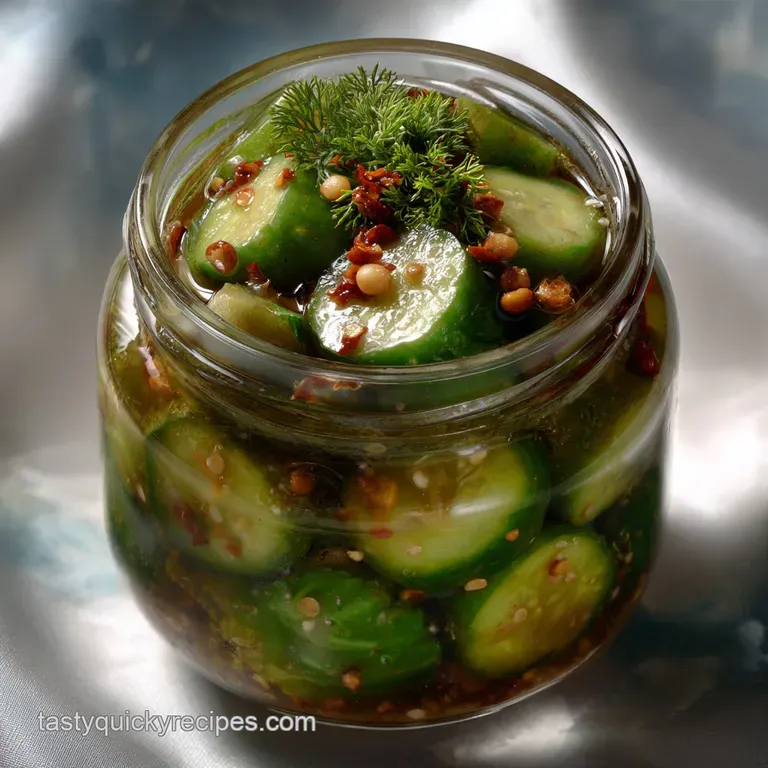
- The Ultimate Guide to the Fermented Cucumber Pickle Recipe
- The Science of Crunch: Why Lacto-Fermentation Works
- Essential Ingredients and Flavor Variations
- Nutrition Information
- Step-by-Step Instructions for Your Fermented Cucumber Pickle Recipe
- Troubleshooting and Expert Tips for the Best Results
- Storing Your Homemade Fermented Pickles
- Creative Ways to Serve Fermented Cucumbers
- Recipe FAQs
- 📝 Recipe Card
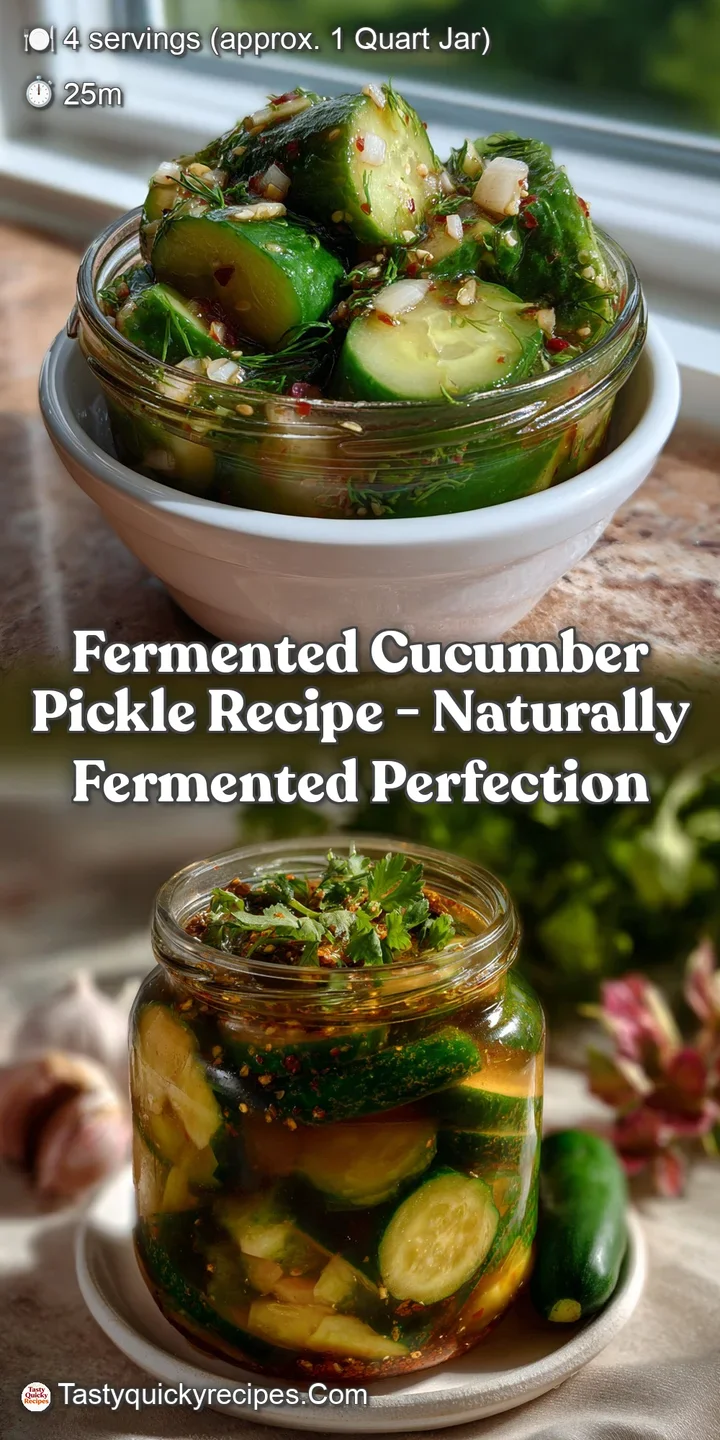
The Ultimate Guide to the Fermented Cucumber Pickle Recipe
Listen up, because if you think store-bought pickles are good, you are missing out on an experience that will genuinely change your snacking life. That intense, perfectly sour, probiotic packed crunch? We’re getting it, and we are doing it the easy way.
This is the definitive guide to the fermented cucumber pickle recipe —no vinegar required, just pure, glorious salt, water, and time.
Seriously, making naturally fermented pickles is way less complicated than people pretend. You’re only spending about 20 minutes of active prep time setting the stage for the good bacteria to do their job, and only 5 minutes of actual stove time for the brine.
The reward is a batch of homemade fermented pickles that will absolutely shatter when you bite them, balanced by that bright, grassy dill flavor. Get ready for pickle perfection. Understanding this fermented cucumber pickle recipe is the key to success.
The Science of Crunch: Why Lacto Fermentation Works
If you want amazing results every time, you have to understand the 'why.' When we talk about the best fermented cucumber pickle recipe , we are talking about creating the perfect microscopic environment where Lactobacillus bacteria can thrive.
This entire process is foundational to the success of your fermented cucumber pickle recipe .
What Are Lacto Fermented Pickles and Why Are They Better?
Lacto fermentation simply means we are using salt to create a brine solution, drawing the natural sugars out of the cucumbers. The Lactobacillus bacteria (which are naturally present on the cucumber skin!) then eat those sugars, producing lactic acid as a delicious byproduct.
Lactic acid is the magic ingredient it's what gives traditional pickles their incredible tang and acts as the preservative. It's truly a genius, hands off preservation method.
The Probiotic Benefits of Naturally Cultured Foods
Unlike over high heat canning or vinegar pickling, lacto fermentation keeps the beneficial bacteria alive. This means every bite of your fermented cucumber pickle is packed with probiotics, which are awesome for your gut health.
Plus, because we aren't cooking the cukes, they retain way more nutrients and that signature crisp texture, making this a truly superior fermented cucumber pickle recipe .
Achieving the Perfect Salt Brine Ratio (Brine Percentage Guide)
The salt is crucial. Too little, and you risk dangerous mold. Too much, and the Lactobacillus can’t activate. For this fermented pickle brine recipe , we aim for a 3% to 5% salt solution.
This percentage effectively inhibits bad bacteria while giving the good bacteria the green light to party. Using distilled or filtered water also ensures chlorine (which inhibits bacterial growth) isn't messing up your ferments.
Understanding the Role of Tannins in Maintaining Cucumber Crunch
This is the expert secret for the crunch . Cucumbers naturally contain enzymes that, even in brine, can slowly break down their cell walls, leading to mushiness (especially near the blossom end). Tannins, found in the leaves of grape, oak, or even black tea, inhibit those softening enzymes.
Using 1 or 2 grape leaves in your jar is my non-negotiable hack for how to make fermented cucumber pickles that stay intensely crisp. If you love that shatter, like the ones you find in my copycat [Claussen Dill Pickle Recipe: Get That Legendary Fridge Crunch], do not skip this step!
This technique elevates any fermented cucumber pickle recipe .
Essential Ingredients and Flavor Variations
This cucumber pickle recipe requires very few items, which is why it’s so perfect.
| Ingredient | Measurement | Role in Fermentation |
|---|---|---|
| Pickling Cucumbers (Kirby) | 1 lb (450 g) | The main event! Must be fresh and firm. |
| Non-Iodized Salt (Kosher or Sea) | Specific to brine ratio | Creates the anaerobic environment and inhibits bad bacteria. |
| Garlic | 4 large cloves | Flavoring and natural antimicrobial agent. |
| Fresh Dill Head | 1 large head | Classic pickle flavor and aromatics. |
| Grape or Oak Leaves | 1 2 leaves (optional) | Provides tannins to maintain maximum crunch. |
| Black Peppercorns | 1 tsp | Spice and complexity. |
| Mustard Seeds | 1/2 tsp | Essential aromatic depth. |
Ingredient Substitutions for Different Pickle Styles
| Original Magic | Best Substitute | The Scientific Function and Trade Off |
|---|---|---|
| Pickling Salt (Non-Iodized) | Pure Sea Salt (Fine grain) | Functions identically to create brine. Trade Off: Avoid table salt (iodine/anti caking agents can cloud the brine and inhibit fermentation slightly). |
| Fresh Dill Head | 1 Tbsp Dried Dill Seed | Provides essential volatile oils for flavor. Trade Off: Dried dill seed has a more muted, earthy flavor profile than fresh dill crown. |
| Pickling Cucumbers (Kirby) | English Cucumbers (Thickly sliced) | Provides the base vegetable. Trade Off: English cucumbers have a thinner skin and higher water content, leading to a softer pickle texture after 7 days. |
| Grape Leaves (Tannins) | 1 Small Black Tea Bag (Plain Black Tea) | Tannins inhibit pectinase enzymes that cause mushiness. Trade Off: Tea provides the tannins but may impart a very slight earthy flavor if steeped too long; remove after 3 days. |
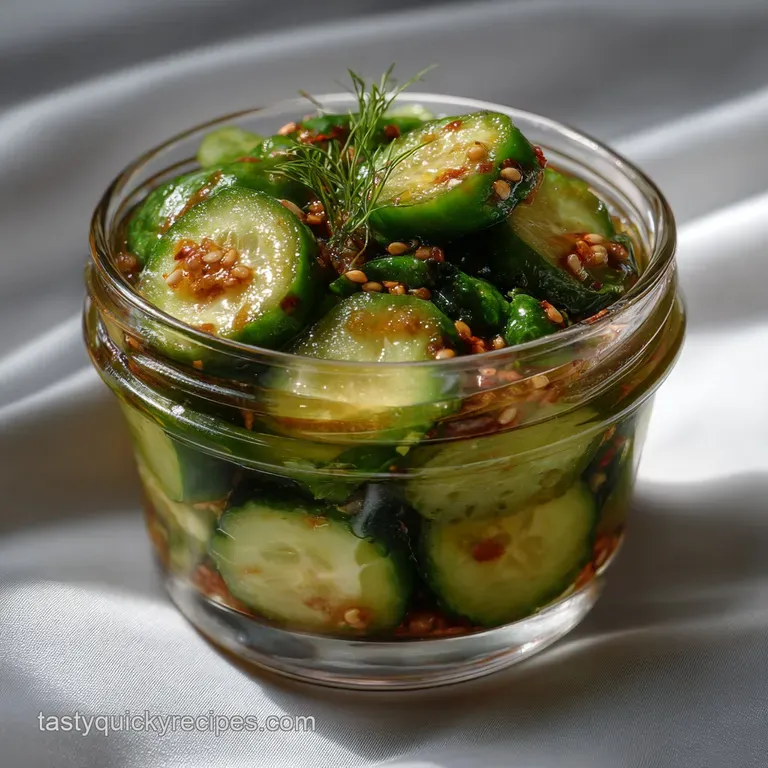
Nutrition Information
| Nutrient | Amount |
|---|---|
| Calories | 25 kcal |
| Protein | 0.9 g |
| Fat | 0.1 g |
| Carbs | 5.3 g |
| Fiber | 1.7 g |
| Sugar | 3.7 g |
| Sodium | 1405 mg |
step-by-step Instructions for Your Fermented Cucumber Pickle Recipe
This method is quick we’re talking 20 minutes of actual hands-on work before you tuck your jar away to ferment. Following these steps precisely ensures you nail this fermented cucumber pickle recipe .
1. Preparation: Cleaning and Prepping Your Cucumbers
Thoroughly scrub your 1 lb of pickling cucumbers under cold water. The most crucial part of this lacto fermented cucumber pickle recipe is trimming the ends. Locate the blossom end (it’s usually the paler, sometimes slightly fuzzy end) and cut off about ¼ inch.
This area is loaded with softening enzymes. I prefer spears because they pack well and ferment faster, but chips or whole cukes work too just know whole ones take longer (up to 14 days).
2. Make the Brine Solution
Combine enough filtered water with your non-iodized salt (approx. 2 Tbsp per quart of water, depending on exact concentration) in a saucepan. You can heat this mixture gently for about 5 minutes until the salt is completely dissolved and the water looks clear.
This is the only "cooking" time required! CRITICAL: The brine must cool completely back to room temperature before you pour it over the cucumbers. Hot liquid will instantly kill the good bacteria we rely on.
3. Assembling the Jar and Layering Spices
Grab a clean, wide mouth quart jar. Place the grape or oak leaves (if using) at the bottom. Tightly pack the garlic cloves, dill, peppercorns, and mustard seeds around the bottom layer. Then, vertically pack the prepared cucumber spears into the jar.
Pack them incredibly tightly we are aiming for minimal movement once the brine is added.
4. Pour and Submerge
Pour the fully cooled fermented pickle brine recipe over the contents. Fill the jar until the brine covers the cucumbers entirely, but leave about 1 to 2 inches of headspace at the top. Submersion is absolutely crucial to keeping oxygen (which favors mold) away from your vegetables.
Place your fermentation weight (a glass weight or clean rock) on top to hold everything below the brine line. This step defines a safe batch of homemade fermented pickles .
5. Setting Up the Fermentation Stage
Secure an airlock or, if you don't have one, just loosely place the lid on the jar (this requires you to "burp" the jar daily). Place the jar in a cool, dark location, ideally between 65°F and 75°F. Place it on a plate or tray to catch any brine overflow it happens during active fermentation.
6. Initiate Fermentation and Check for Readiness
Within 24 to 72 hours, you should see small bubbles rising in the jar. This is the Lactobacillus hard at work! The brine will turn cloudy, which is totally normal. Start tasting the pickles daily after Day 5. For a quick, crisp, slightly tart pickle, 5 to 7 days is often perfect.
For a deeply sour, intense flavor, let your fermented cucumber pickle recipe go for 10 to 14 days.
Troubleshooting and Expert Tips for the Best Results
Even I mess up sometimes, but usually, a problem with fermentation is easily fixed once you know the root cause. Mastering the variables is what separates a good pickle from a truly excellent fermented cucumber pickle recipe .
| Common Pitfall | The Root Cause | The Expert Fix |
|---|---|---|
| Mushy Pickles | Cucumber enzymes weren't inhibited OR the salt ratio was too low. | Always trim the blossom end, and always include a tannin source (grape leaf/tea bag). Ensure your salt ratio is accurate (3 5%). |
| White Film on Top | Kahm Yeast (harmless) due to excess oxygen exposure. | Gently skim the film off the surface using a clean spoon. Do not panic it is not mold. Ensure your weight is keeping everything submerged. |
| Brine Overflow | Highly active fermentation releasing CO2 faster than the jar can vent. | Place the jar on a small plate/tray to catch the overflow. If you are burping, do it twice a day during the first week. |
Storing Your Homemade Fermented Pickles
Once your cucumber pickle recipe has reached the perfect tang and crunch, you must immediately transfer them to cold storage to halt the fermentation process.
Moving Pickles from Counter to Cold Storage
When the flavor is perfect (usually around Day 7), tighten the lid immediately and transfer the jar to the refrigerator. The cold temperature drastically slows the activity of the lactic acid bacteria, locking in that amazing flavor and maintaining the maximum crunch factor.
Shelf Life and Safety Guidelines for Finished Pickles
Properly refrigerated fermented cucumber pickle will last for several months, often up to six months or more. Always check for signs of spoilage before consuming: fuzzy, dark mold (not Kahm yeast), or a foul odor (not just sour tang). If it looks or smells bad, toss it.
Creative Ways to Serve Fermented Cucumbers
These pickles are so tangy and complex, they elevate almost any dish. Mastering this simple fermented cucumber pickle recipe opens up a world of culinary uses.
Beyond the Sandwich: Pairing Pickles with Meals
Don't just save these for burgers! I love adding chunks of homemade fermented pickles to potato salad or chopping them finely for the tangiest tartar sauce ever. They pair beautifully with rich, slow cooked foods.
Try serving these alongside a hearty batch of [Crock Pot Smoked Sausage Recipes: 10 Minute Prep Dinner]. The bright acid cuts through the richness beautifully.
Using the Leftover Pickle Brine
Do not throw out that brine! It is a flavor bomb and packed with probiotics. Use it as a marinade for chicken, add a splash to salad dressings instead of vinegar, or, if you're feeling adventurous, sip a small shot after a workout to replenish electrolytes.
You've created something amazing with this fermented cucumber pickle recipe , down to the last drop.
Recipe FAQs
How to make fermented cucumber pickles?
To make fermented cucumber pickles, you need to submerge fresh cucumbers entirely in a saltwater brine (salt and water) and let them sit at room temperature for several days while natural lacto fermentation occurs.
This process relies on naturally occurring bacteria converting sugars into lactic acid, which preserves the cucumbers and creates that signature sour flavor without added vinegar.
How to make fermented pickle brine?
The fermented pickle brine is straightforward: mix non-iodized salt (like pickling or kosher salt) with filtered or dechlorinated water, typically at a 3-5% salinity ratio by weight.
This specific salt-to-water ratio is critical because it inhibits the growth of undesirable molds and bacteria while allowing the beneficial lactic acid bacteria to thrive and do their work.
How long do naturally fermented pickles take?
The fermentation time depends heavily on the ambient temperature, but generally takes 4 to 10 days for a standard sour flavor. Warmer environments speed up fermentation, while cooler spots slow it down, so be sure to taste them daily after day four to ensure they reach your desired sourness level before refrigeration.
What kind of cucumbers should I use for fermentation?
You must use pickling cucumbers, such as Kirby varieties, as they have thinner skins and fewer seeds, resulting in a superior crunch. Avoid standard slicing cucumbers because their higher water content and thicker skins often lead to mushy pickles, regardless of how perfect your brine is.
Why is my fermented pickle brine cloudy?
Yes, a cloudy brine is generally a very good sign of active fermentation, indicating the healthy multiplication of probiotic bacteria. This cloudiness is caused by yeast and bacteria suspended in the liquid; however, if you see fuzzy white or colored mold on the surface, skim it off immediately, similar to how you manage scum when preparing Black Eyed Peas Recipe: Smoky Southern Comfort Food.
Can I use iodized salt when making fermented pickles?
No, you should never use iodized table salt for vegetable fermentation. The iodine and anti caking agents found in table salt can inhibit or kill the beneficial lactobacillus bacteria needed for safe and effective fermentation. Always use pure canning salt, kosher salt, or sea salt for the best results.
How do I store finished fermented pickles?
Once your pickles have reached your preferred level of sourness, transfer the jar, including the brine, into the refrigerator. Cold temperatures significantly slow down the fermentation process, allowing you to maintain that perfect crunch and flavor for several months.
Fermented Cucumber Pickle Recipe
Ingredients:
Instructions:
Nutrition Facts:
| Calories | 25 kcal |
|---|---|
| Protein | 0.9 g |
| Fat | 0.1 g |
| Carbs | 5.3 g |
| Fiber | 1.7 g |
| Sugar | 3.7 g |
| Sodium | 1405 mg |
