Gai Lan Chinese Broccoli Recipe: Wok-Kissed with Classic Garlic-Oyster Sauce
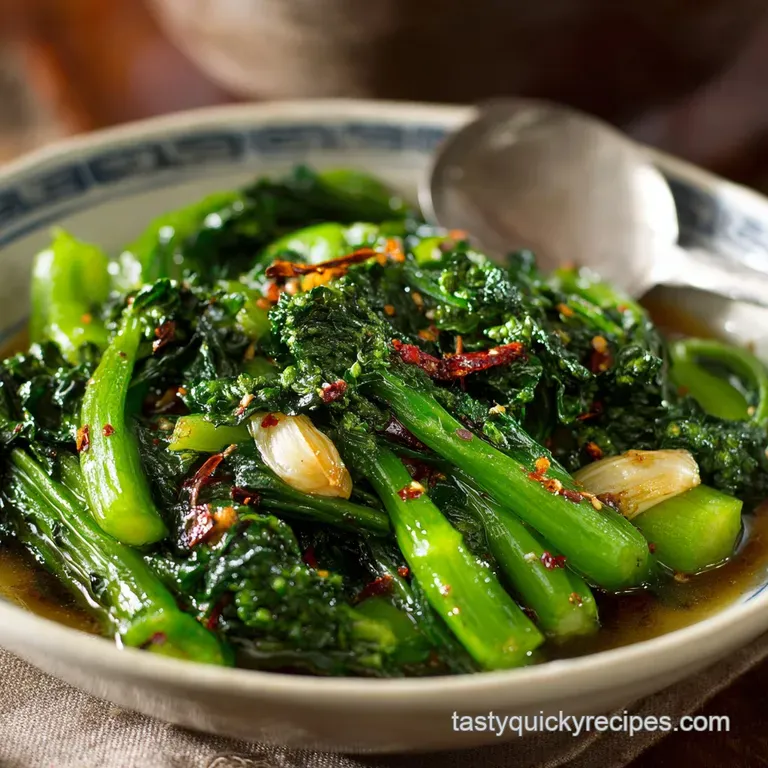
- Mastering the Classic: Your Essential Gai Lan Chinese Broccoli Recipe Overview
- The Science of Sizzle: Why This Gai Lan Recipe Tastes Authentic
- Essential Pantry and Produce: Ingredients for Perfect Wok-Kissed Gai Lan
- Step-by-Step Cooking: Perfecting Gai Lan in Under 15 Minutes
- Troubleshooting & Expert Secrets for the Best Gai Lan Chinese Broccoli
- Storing and Reheating Gai Lan: Maximizing Freshness
- What to Serve With Savoury Garlic-Oyster Gai Lan
- Recipe FAQs
- 📝 Recipe Card
Mastering the Classic: Your Essential Gai Lan Chinese Broccoli Recipe Overview
That first whiff of hot, glossy oyster sauce steaming off bright green stalks is pure magic. When the Gai Lan (Chinese Broccoli) is prepared right, it hits that perfect sweet spot: tender but firm, savory but subtly bitter.
It’s the vegetable dish that makes you feel like you’re actually sitting at your favourite dim sum table.
People think cooking authentic Chinese vegetables is super complicated, but this chinese gai lan recipe is the ultimate weeknight hero. You can get this incredible side dish done, start to finish, in less than 15 minutes.
It’s cheap, incredibly nutritious, and absolutely demolishes any sad, steamed broccoli you might usually serve.
Forget those tragic, soggy attempts you’ve made before. We are going to nail the texture and balance the classic garlic oyster sauce perfectly. This is the gai lan chinese broccoli recipe easy method that delivers restaurant quality results every single time.
Let's make some veg that actually tastes amazing!
The Science of Sizzle: Why This Gai Lan Recipe Tastes Authentic
The Humble History of 蚝油芥蓝 (Gai Lan with Oyster Sauce)
This preparation is a cornerstone of Cantonese cooking, celebrated for its simplicity and reliance on quality produce. Gai Lan is often translated as Chinese Kale or Chinese Broccoli, but it has its own unique, slightly sharp flavour profile.
The dish relies entirely on balancing the strong, earthy, slightly bitter notes of the leaf and stalk against the rich, salty sweetness of the oyster sauce.
How Long Does This Recipe Take? (Prep Time vs. Cook Time)
The beauty of this recipe is the speed, honestly. Prep takes maybe 10 minutes to wash and trim those sometimes thick stems properly. The actual cook time is a shocking 5 minutes or less, assuming your water is already boiling.
This is the definition of a fast food side dish.
Difficulty Check: Why This Dish is Perfect for Beginners
You are essentially boiling a vegetable and stirring together a super simple sauce. If you can boil water and mince garlic, you have already mastered 90% of this recipe. The key technique, blanching, is simple precision, not complex wizardry. Trust me, if I can do it, you absolutely can.
Essential Equipment Check: Steaming, Boiling, or Wok Frying?
We are absolutely leaning into boiling and blanching for the Gai Lan itself, which yields the most consistent texture. Skip trying to stir fry the Gai Lan stalks raw; they take too long and will likely burn the delicate leaves before the thick stem is tender.
We use a separate small pan or wok just for the quick sauce finish.
The Bitter Sweet Balance: Neutralizing Gai Lan's Natural Edge
Gai Lan naturally carries a wonderful, pungent bitterness it’s its defining characteristic! We aren't trying to eliminate it, just tame it slightly. The crucial step here is the small amount of sugar added to the oyster sauce dressing.
That touch of sweetness cuts through the bitterness and creates a beautiful, rounded flavour that is deeply savoury.
Achieving the Perfect Crisp Tender (Al Dente) Stem Texture
This is where people mess up, cooking the Gai Lan until it’s mushy and grey. The secret is the high heat and the shock. Blanching in intensely boiling water cooks the exterior quickly, and the ice bath immediately stops that internal cooking process.
You are aiming for a texture where the stem offers slight resistance when you bite it, a true al dente crunch.
Chef's Note: Adding a tablespoon of oil to the boiling water before adding the Gai Lan helps keep the cooking water fiercely hot, but, more importantly, it coats the vegetable, helping to stabilize the chlorophyll and lock in that incredibly bright, vibrant green color. Do not skip the oil!
Essential Pantry and Produce: Ingredients for Perfect Wok-Kissed Gai Lan
Selecting the Best Gai Lan: Stems, Leaves, and Buds
When shopping for gai lan chinese broccoli , look for stalks that are firm, dark green, and show no yellowing at the leaves or buds. Thinner stalks are generally more tender and sweeter.
If the stalks are chunky (thicker than your thumb), they tend to be tougher and more bitter, but we can fix that with proper prep.
Detailed Breakdown of the Savoury Sauce Components
The dressing is the heart of this chinese gai lan recipe . You need quality Oyster Sauce it’s the dominant flavour, so cheap stuff tastes thin and sad.
Light soy sauce adds necessary salt, while the cornflour slurry gives the sauce that beautiful, glossy sheen you see in restaurants. Don't forget the sugar; it’s essential for that balancing act!
Oyster Sauce Alternatives: Making the Dish Vegetarian/Vegan Friendly
If you need a vegan or vegetarian version of this how to cook gai lan chinese broccoli classic, substitutions are surprisingly effective.
| Ingredient | Substitute | Why it Works |
|---|---|---|
| Oyster Sauce | Vegan Mushroom Oyster Sauce | Provides the required thickness and deeply savoury umami flavour. |
| Oyster Sauce (Quick Swap) | Thick Hoisin + Soy Sauce | Hoisin offers sweetness and thickness; mix with soy for salinity. |
Salt and Oil: The Unsung Heroes of the Blanching Liquid
Why dump salt and oil into water you're going to drain? The salt seasons the vegetable deeply and quickly while it cooks, right into the center of the stem. The oil, as we discussed, keeps the color bright and beautiful. It's the small details that make the chinese gai lan recipe truly great.
step-by-step Cooking: Perfecting Gai Lan in Under 15 Minutes
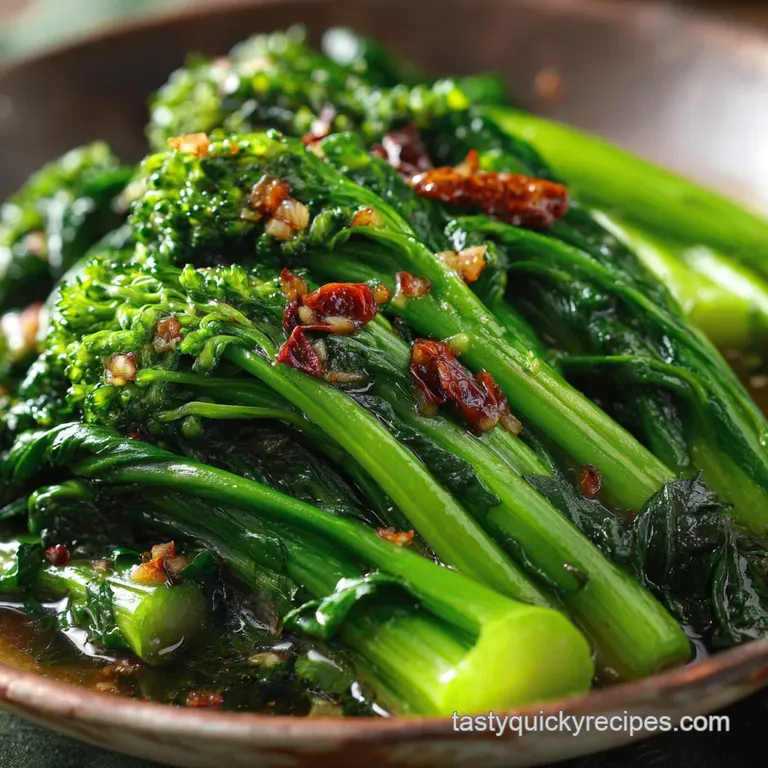
Prepping the Gai Lan: Trimming and Scoring the Stems
Start by washing your Gai Lan thoroughly. Those thick stalks need help to cook evenly with the leaves. I learned this the hard way! If your stems are over half an inch thick, slice them lengthwise, starting from the base, about halfway up the stalk.
This exposes more surface area to the boiling water and ensures uniform tenderness.
over High heat Blanching: The Technique for Vibrant Green Color
Get your large pot of salted, oiled water to a roaring, rolling boil not just a gentle simmer. Introduce the trimmed Gai Lan, focusing on submerging the thick stems first. Cook for 1.5 to 3 minutes; pull one out, test it quickly.
Then, immediately use a spider or slotted spoon to plunge the Gai Lan into a large bowl of ice water. This is how you cook gai lan chinese broccoli without turning it grey.
Building the Quick Garlic Oyster Sauce Dressing
Heat your oil in a small pan, and add the finely minced garlic. You only want the garlic to turn fragrant and lightly golden; 30 seconds max! I once burned a batch by answering the phone and the bitter taste ruined everything. Immediately add the oyster sauce, soy, sugar, and water/stock.
Stir until it simmers gently, and then introduce the cornflour slurry to thicken it quickly. It should look gorgeously glossy and coat the back of a spoon.
Plating and Finishing: The Final Oil Drizzle
Carefully arrange the shocked and well drained Gai Lan neatly on your serving platter. The Cantonese style often presents the stems all facing the same direction. Pour that glorious, hot garlic oyster sauce evenly over the stalks and serve immediately. Done.
Troubleshooting & Expert Secrets for the Best Gai Lan Chinese Broccoli
Why Is My Gai Lan Tough? Common Undercooking Errors
If your Gai Lan is tough, you likely didn't cook it long enough, or your stems were too thick and you forgot to slice them. Remember, it’s not about boiling the life out of it; it's about achieving crisp tender doneness fast. Next time, give the whole batch another 30 seconds in the boiling water.
Avoiding a Soggy Plate: Properly Draining the Gai Lan
A watery sauce is a sad sauce. After the ice bath, you must shake off as much excess water as possible. I usually lay the blanched Gai Lan on a clean kitchen towel for a minute while I make the sauce. If the vegetable is still wet, it dilutes that glossy, potent dressing.
Mastering the "Wok Hey" Flavor for This Simple Recipe
While we aren’t stir frying the Gai Lan itself, we can build a little "Wok Hey" (the breath of the wok) into the sauce. This means cooking the sauce ingredients in a hot wok, heating the oil until it just starts to smoke slightly before adding the garlic.
Cooking those aromatics super quickly at high heat infuses the oil with an intensity that elevates the whole dish.
Adjusting Flavor: Fixing Sauce That Is Too Salty or Too Sweet
The beauty of a quick sauce is you can fix it! If the sauce tastes too salty (likely too much soy or oyster sauce), add another tiny pinch of sugar and a splash more water. If it’s too sweet, add a tiny dash of rice vinegar or another splash of soy sauce to balance the salinity.
Storing and Reheating Gai Lan: Maximizing Freshness
Shelf Life: How Long Cooked Gai Lan Lasts in the Fridge
Cooked gai lan recipe chinese style is best eaten immediately, but it will keep quite well. Store leftovers in an airtight container in the fridge for up to 3 days. Anything longer than that and the texture starts getting questionable.
Best Practice for Reheating Without Losing Crunch
Do not try to reheat this dish in the microwave for five minutes; you'll destroy the texture. The best method is a quick steam (1- 2 minutes) to warm it through, or perhaps a very quick sauté in a hot pan (30 seconds max). The goal is to bring it to temperature without cooking it further.
What to Serve With Savoury Garlic Oyster Gai Lan
This glorious vegetable cuts through rich, savory flavors beautifully. It’s perfect alongside classic Char Siu, but I also love pairing it with other intensely flavored sides. For instance, the slight bitterness is fantastic with the heavy, sticky smokiness of my Crack Green Beans: Sticky Smoky Bacon Recipe in the Oven .
For a complete meal, serve the Gai Lan with a light rice or noodle dish, or even alongside something like the creamy comfort of Bacalhau a Bras: The Creamy Portuguese Comfort Scramble Recipe . It provides necessary freshness and fiber to balance out heavier, richer dishes.
Recipe FAQs
My Gai Lan turned out soggy or slightly yellowish. What went wrong?
This usually happens if the Gai Lan is overcooked or if the water temperature dropped during blanching. Ensure the water is boiling rapidly when you add the greens, and incorporate a pinch of salt and a few drops of oil into the water to help retain that vibrant green color and crisp texture.
The total blanching time should be brief, usually 1.5 to 3 minutes depending on the thickness of the stems.
How can I make the Savoury Garlic Oyster Sauce completely vegan or vegetarian?
To achieve a comparable depth of flavour without shellfish, substitute traditional oyster sauce with vegetarian stir fry sauce or a specific mushroom based "oyster sauce substitute." These products are widely available in Asian markets and deliver the required deep, umami rich sweetness and thickness necessary for this classic preparation.
Adjust the soy sauce and a pinch of brown sugar if you find the substitute slightly less robust.
I find Gai Lan slightly too bitter. Is there a way to reduce the inherent bitterness?
The best way to combat Gai Lan's natural slight bitterness is through proper preparation and balancing the sauce. Ensure you trim off any overly dry or dark ends of the stalks, as these concentrate the bitterness.
The initial quick blanching process also helps, and finally, the sugar and rich umami of the oyster sauce coating are specifically designed to counteract the bitterness.
I can’t find fresh Gai Lan. What is a suitable substitute for this recipe?
The best substitute would be thicker, leafy Asian greens that can handle quick, high heat cooking. Try using mature Choy Sum (often labeled Chinese Flowering Cabbage) or robust Shanghai Bok Choy, which offer a similar crunch and sturdiness.
If using thinner greens, reduce the blanching time significantly so they don't become overly soft.
My finished sauce is too thin and watery. How can I thicken it properly?
A watery sauce is often caused by residual water clinging to the Gai Lan after blanching; ensure the greens are well drained before tossing them with the sauce. To correct the consistency, you need to use a slurry combine 1 teaspoon of cornstarch with 1 teaspoon of cold water and whisk well.
Add this slurry slowly to the simmering sauce, stirring constantly until it reaches a shiny, slightly viscous texture.
What is the best way to store leftover Gai Lan, and can I freeze it?
Leftover Gai Lan should be stored in an airtight container in the refrigerator and consumed within 2 to 3 days. Reheat gently in a dry pan or microwave, though the texture will soften somewhat. We do not recommend freezing cooked Gai Lan, as the high water content results in a mushy texture when thawed.
How should I prepare the thickest parts of the Gai Lan stems?
For large, thick stalks, you should use a knife to shave the fibrous exterior layer off the lower stem, which helps ensure they cook evenly and improves the overall tenderness. Alternatively, you can cut the thickest stems lengthwise into halves or thirds to match the cooking time of the leafy parts.
This guarantees a consistent, tender bite throughout the dish.
Easy Gai Lan Chinese Broccoli
Ingredients:
Instructions:
Nutrition Facts:
| Calories | 101 kcal |
|---|---|
| Protein | 3.9 g |
| Fat | 6.8 g |
| Carbs | 8.8 g |
