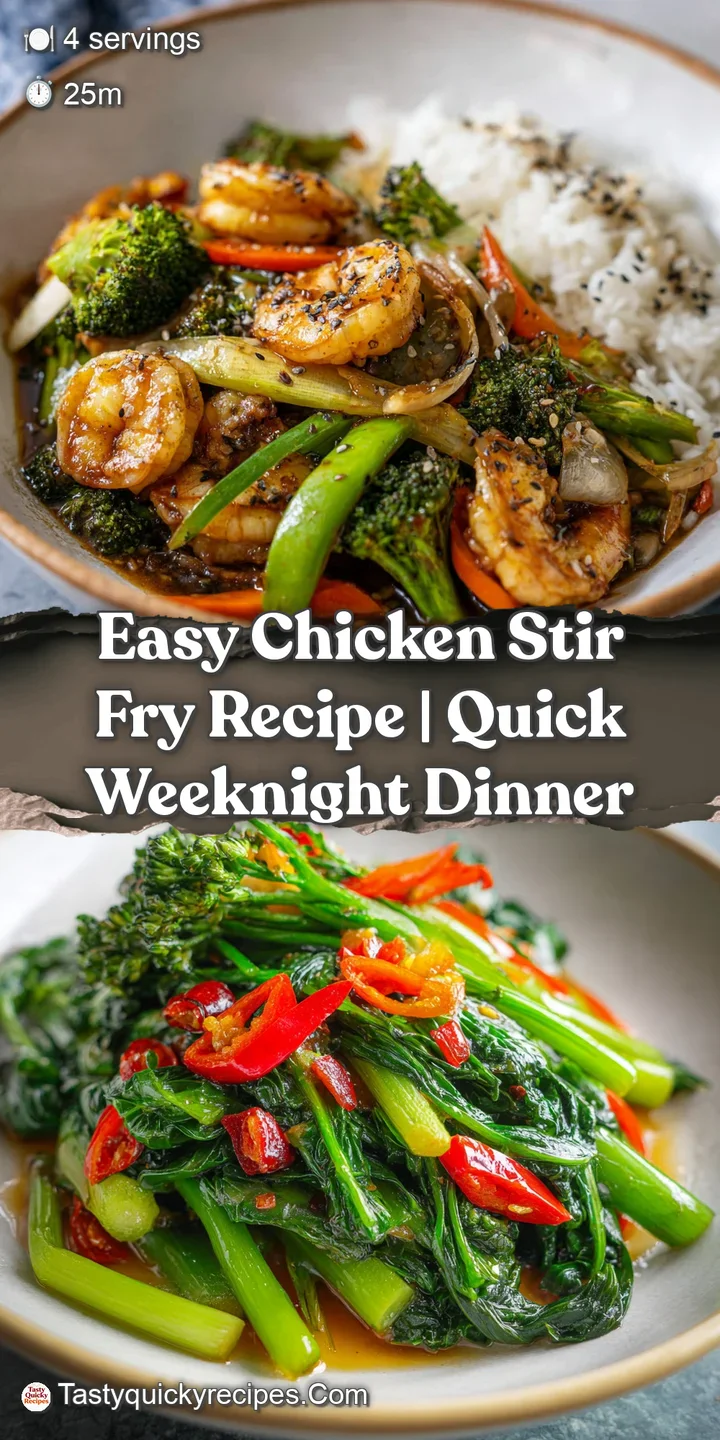
Easy Chicken Stir Fry Recipe
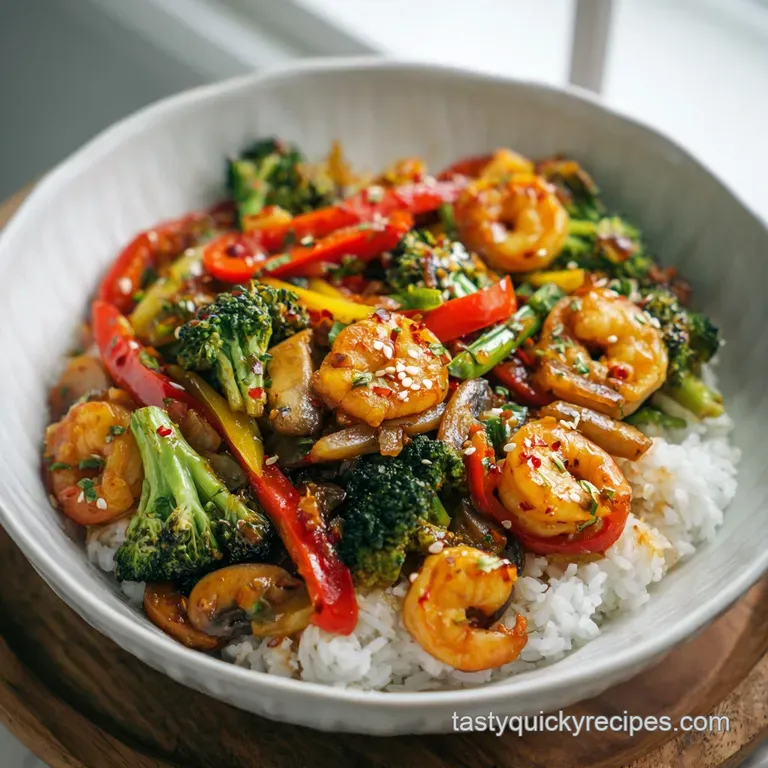
- Time: Active 15 minutes, Passive 10 minutes, Total 25 minutes
- Flavor/Texture Hook: Silky chicken paired with snappy, vibrant vegetables
- Perfect for: Busy weeknights when you're juggling a tight family schedule
- Master My Go To 25 Minute Stir Fry Recipe
- Understanding the Success Mechanics
- Component Analysis for Peak Performance
- Fresh Ingredients for This Stir Fry Recipe
- Mastering the High Heat Searing Process
- Professional Solutions for Common Cooking Errors
- Versatile Variations for Every Dietary Need
- Debunking Common Stir Fry Myths
- Preserving Texture During Storage and Reheating
- Elevating the Plate with Simple Garnishes
- High in Sodium
- Recipe FAQs
- 📝 Recipe Card
Master My Go To 25 Minute Stir Fry Recipe
The high pitched hiss of thinly sliced chicken hitting a shimmering hot pan is the signal that dinner is only minutes away. I still remember the first time I tried to make a stir fry recipe back in my early cooking days. I threw everything into the pan at once, thinking the heat would just sort it out.
Instead of the crisp, glossy dish I wanted, I ended up with a gray, soggy pile of vegetables swimming in a pool of lukewarm liquid. It was a total disaster, but it taught me the most important lesson in the kitchen: heat management is everything.
Since then, I've spent years tweaking the timing and the "velveting" process to get that perfect takeout texture at home. You want the chicken to be incredibly tender, almost silky, while the broccoli keeps its bright green snap. This isn't just about throwing things in a pan; it's about a specific rhythm.
Once you get that rhythm down, you'll find yourself reaching for this recipe every single time you need something fast and flavorful on the table.
We're going to use a large skillet for this one because, let's be honest, not everyone has a seasoned carbon steel wok taking up space in their cupboard. A standard heavy bottomed pan works beautifully as long as you don't overcrowd it.
We've all got those nights where we're juggling homework, laundry, and a million other things, and this dish is the solution. It’s reliable, it’s fast, and it actually tastes like you spent an hour over the stove.
Understanding the Success Mechanics
- Starch Gelatinization: When the cornstarch in the sauce hits the hot pan, it absorbs the liquid and swells, creating that iconic glossy glaze that clings to every piece of chicken.
- Protein Velveting: Coating the chicken in a thin layer of cornstarch and soy sauce creates a physical barrier that slows down protein denaturation, keeping the meat juicy even at high temperatures.
- The Maillard Reaction: High heat triggers a chemical reaction between amino acids and reducing sugars, resulting in the savory, browned crust on the chicken that provides the depth of flavor.
- Aromatic Infusion: Adding garlic and ginger at the very end prevents them from burning while allowing their essential oils to emulsify into the sauce.
| Method | Time | Texture | Best For |
|---|---|---|---|
| Stovetop Skillet | 10 mins | Crispy and Charred | Authentic home cooking |
| Sheet Pan | 22 mins | Soft and Tender | Hands off bulk cooking |
| Electric Wok | 8 mins | Heavily Seared | over High heat enthusiasts |
Choosing the right method depends on your tools, but for the most flavorful result, the stovetop skillet is my daily driver. It allows for the quick evaporation of moisture which is the secret to avoiding that dreaded "steamed" vegetable texture.
Component Analysis for Peak Performance
| Ingredient | Science Role | Pro Secret |
|---|---|---|
| Cornstarch | Thickening agent | Sift it over the meat to prevent clumps |
| Low Sodium Soy Sauce | Umami and seasoning | Always use low sodium to control the salt levels |
| Honey | Sugars for browning | Use room temperature honey for easier whisking |
| Rice Vinegar | Acidic balance | Adds a bright finish that cuts through the salt |
Similar to the technique I use in my Chicken Stroganoff Recipe, the sauce here relies on a quick emulsification to stay silky rather than greasy.
Fresh Ingredients for This Stir Fry Recipe
- 1 lb chicken breast: Thinly sliced against the grain for maximum tenderness. Why this? Cutting against the fiber makes the meat easier to chew.
- 2 tablespoons cornstarch: Divided for the meat coating and the sauce. Why this? It provides both protection for the meat and thickness for the glaze.
- 5 tablespoons low sodium soy sauce: Divided to season both stages of the dish. Why this? Provides depth without being overly salty.
- 1 teaspoon toasted sesame oil: A little goes a long way for that nutty aroma.
- 2 cups broccoli florets: Cut into bite sized pieces so they cook fast.
- 1 large red bell pepper: Thinly sliced to match the cooking speed of the broccoli.
- 2 medium carrots: Julienned for a bit of crunch and color.
- 1 cup snap peas: Trimmed for a fresh, sweet snap.
- 3 cloves garlic: Minced fresh for the best aromatic punch.
- 1 tablespoon fresh ginger: Grated finely to melt into the sauce.
- 2 green onions: Sliced, keeping the whites and greens separate.
- 1/2 cup chicken broth: The liquid base for our savory sauce.
- 2 tablespoons honey: Adds sweetness and helps the sauce stick.
- 1 tablespoon rice vinegar: Provides the necessary tang to balance the honey.
- 1/2 teaspoon red pepper flakes: Just enough for a tiny bit of background heat.
- 1.5 tablespoons neutral cooking oil: Use something with a high smoke point like canola or grapeseed.
If you are prepping this as part of a larger meal plan, you might find the vegetable prep similar to the work needed for my Stuffed Peppers Recipe.
Mastering the High Heat Searing Process
- Prep the protein. Toss the chicken breast slices with 1 tablespoon of cornstarch and 1 tablespoon of soy sauce in a small bowl until coated. Note: This creates the "velveting" effect that keeps the meat moist.
- Whisk the glaze. Combine the remaining 4 tablespoons of soy sauce, 1 tablespoon of cornstarch, chicken broth, honey, rice vinegar, and red pepper flakes in a jar.
- Heat the pan. Place your largest skillet over medium high heat and add 1 tablespoon of neutral oil until it starts to shimmer and wisps of smoke appear.
- Sear the chicken. Add the chicken in a single layer, working in batches if needed, and cook for 3 minutes until the edges are golden and crisp. Remove meat from the pan.
- Flash the veggies. Add the remaining oil to the pan, then toss in the broccoli, carrots, and peppers, stir frying for 2 minutes until they turn vibrant and bright.
- Softening the snap. Add the snap peas and the whites of the green onions, cooking for another 1 minute until the peas are slightly translucent.
- Infuse the aromatics. Push the vegetables to the sides and add the garlic and ginger to the center, stirring for 30 seconds until you smell a fragrant aroma.
- Thicken the sauce. Give your sauce mixture a quick whisk to re incorporate the starch, then pour it into the pan.
- The final glaze. Return the chicken to the pan and toss everything together for 1-2 minutes until the sauce is bubbly, thick, and glossy.
- Garnish and serve. Remove from the heat immediately, stir in the sesame oil, and top with the green onion tops.
Professional Solutions for Common Cooking Errors
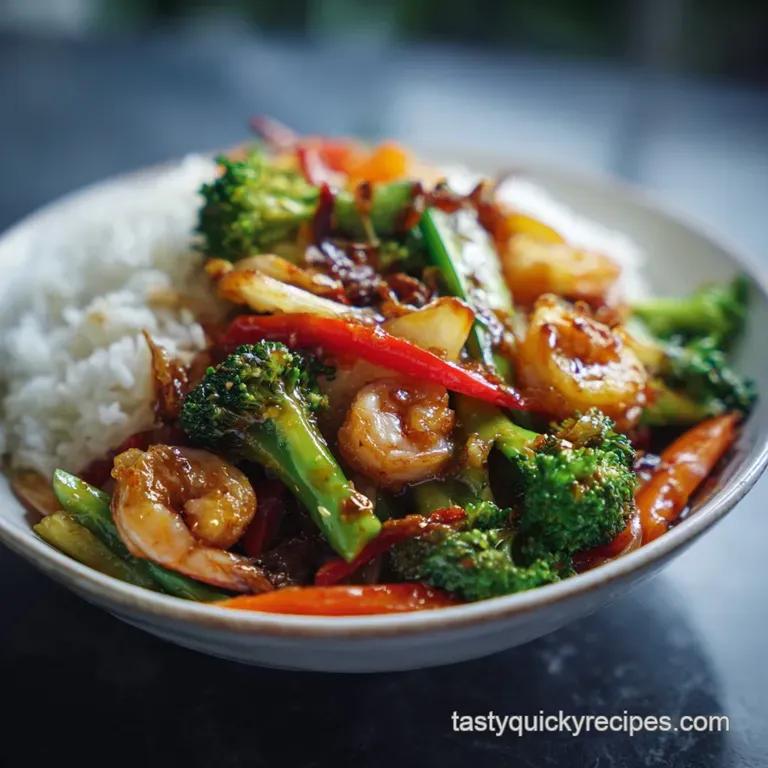
Solving Soggy Vegetable Texture
If your vegetables come out soft and watery rather than snappy, the pan temperature was likely too low or the pan was overcrowded. When too many vegetables hit the pan at once, the temperature drops, and the moisture they release cannot evaporate fast enough.
This causes the vegetables to steam in their own juice rather than sear. To fix this, always ensure your pan is piping hot before adding ingredients, and work in two batches if your skillet isn't large enough to keep everything in a thin layer.
Thinning Thickened Glazing Sauce
Sometimes the sauce can become too thick or "gloopy" if it sits on the heat for even thirty seconds too long. This happens because the cornstarch continues to absorb liquid as long as it’s boiling.
If the sauce looks like a thick paste rather than a fluid glaze, simply stir in a tablespoon or two of water or extra chicken broth. The heat of the pan will incorporate the new liquid quickly, restoring that velvety texture you’re looking for.
| Problem | Root Cause | Solution |
|---|---|---|
| Rubbery Chicken | Overcooked or sliced with grain | Slice against grain and remove once seared |
| Bland Flavor | Not enough salt/acid balance | Add a splash of soy sauce or vinegar at the end |
| Burnt Garlic | Added too early in the process | Only sauté garlic for 30 seconds at the end |
Common Mistakes Checklist
- ✓ Pat the chicken completely dry before adding the cornstarch coating.
- ✓ Ensure the pan is actually smoking before the first batch of meat goes in.
- ✓ Cut all vegetables to a uniform size so they finish cooking at the same time.
- ✓ Do not walk away from the stove; stir fry requires constant movement.
- ✓ Whisk the sauce immediately before pouring it in to prevent starch settling.
Versatile Variations for Every Dietary Need
Scaling this recipe down for one or two people is a breeze. Just halve the ingredients and use a smaller skillet. You'll find that the cook times remain almost the same because you still want that high intensity heat. If you're scaling up for a crowd, the most important rule is to work in batches.
Never try to cook 2 lbs of chicken at once in a home skillet, or you will lose that beautiful sear. Use the same amount of oil for each batch to keep things moving.
If you're looking for a different protein, a Beef Stir Fry Recipe Variation works perfectly with flank steak or sirloin. Just make sure to slice the beef very thin.
For a Tofu Stir Fry Recipe, use extra firm tofu and press it for at least 20 minutes to remove moisture before tossing it in the cornstarch. If you're in the mood for a Noodle Stir Fry Recipe, simply boil some lo mein or rice noodles and toss them in during the final step when you add the sauce back to the pan.
Chef's Tip: If you're out of honey, brown sugar makes an excellent substitute and provides a deeper, molasses like undertone to the glaze.
Debunking Common Stir Fry Myths
One huge myth is that you absolutely must have a wok to make a great fry recipe. While woks are fantastic for their shape and heat distribution, a heavy 12 inch stainless steel or cast iron skillet is more than capable of producing incredible results.
The key isn't the shape of the pan, but the surface area and the amount of heat you can maintain.
Another misconception is that the sauce should be cooked for a long time to "develop flavor." In reality, a stir fry sauce recipe is designed to be a quick finish. Cooking it too long breaks down the cornstarch bonds, which can actually cause the sauce to thin out again and lose its glossy sheen.
You only need it to reach a boil for about 30 seconds to activate the thickening power of the starch.
Preserving Texture During Storage and Reheating
Storage: This dish keeps beautifully in the fridge for up to 3 days in an airtight container. The flavors actually meld together quite nicely overnight, though the vegetables will naturally lose some of their crispness as they sit in the sauce.
Zero Waste: Don't throw away those broccoli stems! Peel off the woody outer layer, julienne the tender center, and toss them in with the carrots. They have a lovely, mild sweetness. If you have extra sauce, it's great for drizzling over a bowl of plain rice the next day.
Reheating: To keep the chicken from getting rubbery, I recommend reheating in a skillet over medium heat with a tiny splash of water to loosen the sauce. Avoid the microwave if you can, as it tends to overcook the chicken breast before the vegetables are even warm.
Elevating the Plate with Simple Garnishes
This dish is a complete meal on its own, but it’s traditional to serve it over a bed of fluffy jasmine rice or brown rice to soak up that incredible sauce. If you're looking for a lower carb option, cauliflower rice works surprisingly well because it mimics the texture of the small vegetable bits.
- For a Crunch Factor: Add toasted cashews or peanuts right before serving.
- For a Fresh Finish: A squeeze of fresh lime juice can brighten the whole plate.
- For Heat Lovers: Drizzle with a little chili crisp or Sriracha.
If you enjoy the balance of sweet and savory here, you'll likely love the flavor profile of a Homemade Corn Casserole Recipe as a side for your next family gathering. While they are different cuisines, that focus on texture and balance is a common thread in all my favorite dishes. Cooking for a family is all about these fast, flavorful wins that make everyone want to clear their plate.
High in Sodium
1120 mg mg of sodium per serving (49% % of daily value)
The American Heart Association recommends limiting sodium intake to about 2,300mg per day for optimal health.
Easy Tips to Reduce Sodium in Your Chicken Stir Fry
-
Broth Swap-30%
Replace the regular chicken broth with no-sodium added chicken broth. This simple switch can significantly lower the sodium content.
-
Soy Sauce Savior-20%
Even 'low-sodium' soy sauce can be high in sodium. Dilute the 5 tablespoons of low-sodium soy sauce with 2 tablespoons of water or further reduce the amount used to 3 tablespoons for both marinade and sauce.
-
Fresh is Best-10%
Ensure your ginger and garlic are fresh, as pre-minced versions can sometimes contain added salt. Using fresh, high-quality ingredients will boost flavor naturally.
-
Spice It Up
Enhance the flavor profile with additional herbs and spices like black pepper, garlic powder (ensure it's sodium free!), onion powder, or smoked paprika. Experiment with different combinations to create a delicious, sodium free flavor boost.
Recipe FAQs
What's the secret to a good stir fry?
High, maintained heat and batch cooking. You must sear the protein quickly, remove it, and then cook the vegetables in smaller, hot batches to prevent steaming. If you enjoyed mastering the sensory doneness cues here, apply them to our Chicken and Dumplings Recipe for perfect results.
What are the three rules of stir frying?
High heat, don't overcrowd the pan, and mise en place. Ensure every ingredient is pre-cut and sauced before the oil even hits the heat because the cooking process moves very fast. The high heat is essential for creating the desirable Maillard reaction and snap in the vegetables.
What is the secret ingredient in stir fry?
Cornstarch mixed into the sauce and coating the protein. This ingredient is crucial because it causes the sauce to rapidly thicken and form that signature glossy glaze that clings to every ingredient perfectly.
What ingredients do you need for a stir fry?
A protein, dense vegetables, quick cooking vegetables, aromatics, and a balance sauce. For the sauce, you need soy sauce (salt/umami), honey (sweet), and rice vinegar (acid) mixed with broth for volume and cornstarch for thickness.
Is it true I must use a wok for successful stir frying?
No, this is a common misconception. A heavy bottomed, large stainless steel or cast iron skillet works effectively as long as you maintain the high heat and cook ingredients in smaller, non-crowded batches. The key is the temperature, not the pan shape.
How to prevent the chicken from becoming rubbery in the stir fry?
Slice the chicken thinly against the grain before coating it in cornstarch (velveting). This protective coating slows protein denaturation when it hits the heat, keeping the meat moist even after a quick sear.
How to make the sauce glossy instead of dull?
Whisk the sauce immediately before adding it to the hot pan. The cornstarch settles quickly, so you must re-suspend it before pouring; if you skip this step, the sauce will appear thin and dull, similar to a poorly mixed gravy.
Easy Chicken Stir Fry Recipe
Ingredients:
Instructions:
Nutrition Facts:
| Calories | 358 kcal |
|---|---|
| Protein | 31.2 g |
| Fat | 9.8 g |
| Carbs | 34.5 g |
| Fiber | 4.2 g |
| Sugar | 14.8 g |
| Sodium | 1120 mg |
