Duck Egg Recipes: Smoked Salmon Dill Tart with the Ultimate Creamy Filling
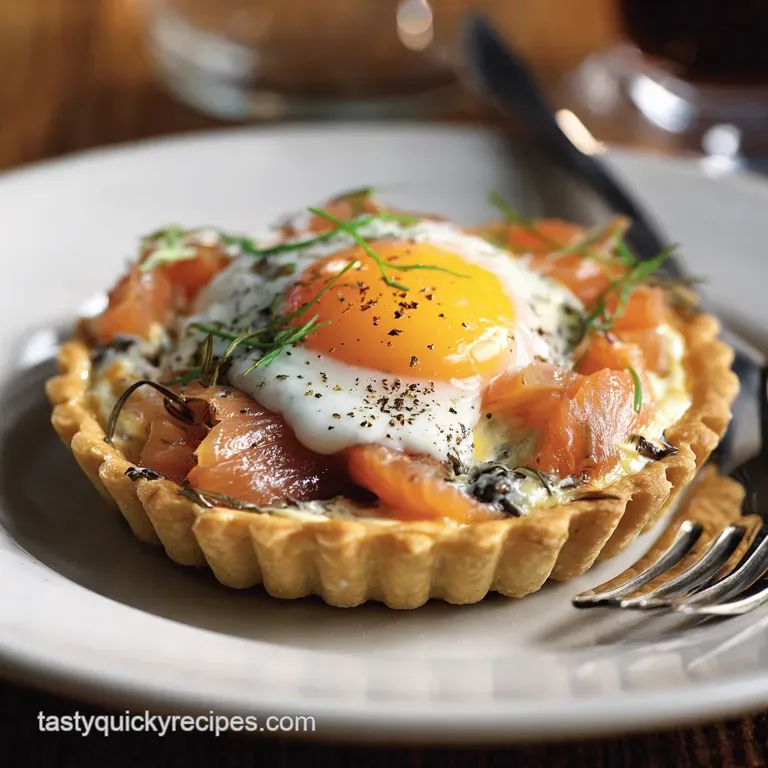
- Introducing the Smoked Salmon and Dill Duck Egg Tart
- The Culinary Science Behind Exceptional Duck Egg Recipes
- Essential Ingredients for Your Duck Egg Tart
- Mastering the Method: Step-by-Step Duck Egg Tart Assembly
- Troubleshooting Your Tart: Tips for Perfect Duck Egg Recipes
- Storage, Preservation, and make-ahead Strategies
- Perfect Pairings and Presentation
- Recipe FAQs
- 📝 Recipe Card
Introducing the Smoked Salmon and Dill Duck Egg Tart
The richness you get from proper duck egg recipes is simply unmatched. Seriously, chicken eggs look pale and sad next to these glorious golden beauties. That extra fat in the duck yolk makes the filling unbelievably dense and velvety, delivering creamy, luxurious perfection.
This tart is my go-to when I need a fancy looking brunch without the fuss. It comes together quickly once the dough is chilled, and using duck eggs ensures that the final result tastes expensive, even though it’s essentially just a glorified, highly superior quiche.
Trust me, learning how to handle the pastry is a fantastic kitchen skill that pays dividends.
So, ditch the dry, rubbery store-bought versions and let’s dive into what makes this particular Smoked Salmon and Dill tart the absolute benchmark for savory baking. We’re going to use a classic French pâté brisée crust to hold all that custardy goodness, guaranteeing success.
The Culinary Science Behind Exceptional Duck Egg Recipes
The Unrivaled Richness of Duck Eggs in Baking
When people ask me why they should bother seeking out duck eggs, I tell them it’s all about the texture. Duck egg yolks are almost 50% larger than those from a standard chicken egg, and they boast a higher fat content overall.
This is the simple reason why duck egg recipes baking results in something so smooth. The higher fat emulsifies better with the cream and milk, setting into that incredibly dense, almost pudding like consistency we are after.
A Chef's Secret: Why Pâté Brisée is the Superior Crust
We aren't making flaky puff pastry here; we need a stable base that can withstand a wet filling. Pâté brisée is a type of shortcrust pastry, relying on cold butter and minimal water for structure.
It is designed to be sturdy, giving us an incredibly crisp shell that resists moisture migration. It’s simple, robust, and the perfect canvas for our rich duck egg custard.
Elevating Brunch: Sophistication in a Slice
If you want an easy win that absolutely wows guests, this is it. Duck eggs lend a slightly deeper, more complex flavour than chicken eggs, which elevates the humble quiche into a proper tart suitable for a celebration.
Pair that richness with the salty pop of smoked salmon and the sharpness of fresh dill, and you have something truly unforgettable.
Achieving the Velvety Custard Texture: The Yolk Fat Ratio
The high yolk-to-white ratio in the duck egg means we achieve a naturally smoother texture without needing excessive dairy. The crucial thing is gentle whisking. We want to combine the ingredients smoothly, not whip air into them.
Too much air causes the custard to rise too fast and then collapse, resulting in an unpleasant sponginess rather than the desired velvet setting.
Flavour Pairing: Smoked Salmon, Dill, and Acid Balance
This tart is naturally rich and decadent, which means we need sharp elements to prevent it from tasting heavy. Smoked salmon delivers salinity and depth. Fresh dill provides a lovely, anise like brightness that cuts beautifully through the fat.
I always recommend serving this with something acidic, like a simple lemon dressed salad, to keep the palate feeling fresh.
The Structural Integrity of a Proper Pâté Brisée Base
The secret to avoiding the infamous soggy bottom isn’t just about the recipe, it’s the technique. We must blind bake the crust thoroughly until the base is completely dry.
This technique essentially waterproofs the pastry before the wet filling goes in, ensuring every single bite has a satisfying crunch.
Essential Ingredients for Your Duck Egg Tart
Sourcing the Star: Selecting the Best Duck Eggs
Look for large, slightly off-white duck eggs that feel heavy for their size. If you’re lucky enough to find farm fresh, they will have the most vibrant orange yolks, giving your tart a stunning colour.
If you’re just starting out and looking for delicious duck egg recipes easy enough for a beginner, swapping to duck eggs is the easiest flavour upgrade you can make!
Detailed List: Crust, Filling, and Garnish Requirements
| Item | US Customary | Substitution Viable? |
|---|---|---|
| Duck Eggs | 6 large | Yes (8 large chicken eggs) |
| Heavy Cream | 1 cup | Yes (Crème Fraîche or half and half) |
| Smoked Salmon | 4 oz | Yes (Prosciutto or cured ham) |
| All-Purpose Flour | 1 ½ cups | No (Essential for Pâté Brisée) |
| Fresh Dill | 2 tbsp (chopped) | Yes (Dried dill use half the amount) |
Savory Swaps: Adjusting Smoked Salmon and Herb Varieties
I once made this tart using crumbled bacon instead of salmon, and while good, it lacked the brightness. If you need a substitute for the smoked salmon, consider cured meats like thinly sliced prosciutto or pancetta, diced and crisped.
For a hearty flavour, you could use deeply caramelized onions and swap the dill for thyme. Remember to keep the fat ratio of the filling consistent, regardless of your savory mix-ins.
Chef's Note: If using a high sodium swap like chorizo, reduce the amount of salt you add to the custard. You don't want a salt bomb!
Understanding Dairy Fat: Choosing Heavy Cream vs. Crème Fraîche
Use the highest fat content dairy you can find I prefer double cream (heavy cream). That high butterfat content provides the necessary structure and silkiness for the duck eggs to set beautifully.
Using low-fat milk or half and half will yield a thinner, more watery custard that is prone to cracking or curdling. We aren't skimping here; this is why the recipe works!
Mastering the Method: step-by-step Duck Egg Tart Assembly
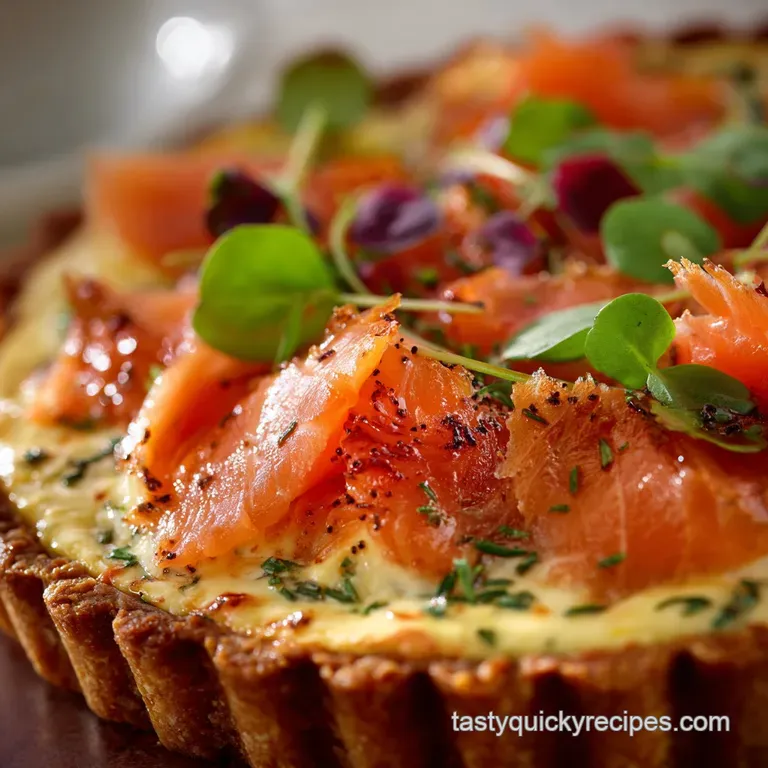
Let's crack on and get this beauty into the oven.
Stage 1: Flawless Execution of the Pâté Brisée Shell (Blind Baking)
- Prep the Pastry: In a bowl or food processor, combine the flour and salt. Cut the very cold, cubed butter into the flour until it resembles coarse crumbs. This is critical for flakiness.
- Hydrate Gently: Drizzle in ice water, one tablespoon at a time, mixing until the dough just comes together. Stop immediately when it forms a ball. Do not overwork this dough! Wrap it and chill it for at least 60 minutes.
- Line and Chill: Roll the chilled dough and carefully press it into your fluted tart tin. Trim the edges and dock the base well with a fork. Freeze the lined tin for 15 minutes to lock the shape in.
Stage 2: Preparing the Smoked Salmon Base and Aromatic Dill Mix
- Preheat and Partially Bake: Preheat the oven to 375°F (190°C). Line the frozen crust with parchment paper, fill it with baking beans, and bake for 15 minutes.
- Dry the Base: Remove the weights and paper, then return the crust to the oven for another 5– 8 minutes until the base looks completely dry and lightly golden. Reduce the oven temperature to 350°F (175°C).
- Layer the Fillings: Scatter the strips of smoked salmon, fresh dill, chives, and Parmesan evenly over the dry, pre-baked base. This layering provides visual appeal and ensures even flavour distribution. If you’re preparing a large batch of smoked salmon, you might want to check out my guide on making a PCOS Friendly Recipes: Easy Sheet Pan Salmon Dinner for other ideas!
Stage 3: Whisking the Creamy Duck Egg Custard Binder
- Whisk the Stars: In a large bowl, combine the 6 duck eggs, heavy cream, milk, black pepper, and a pinch of nutmeg. Whisk gently, just enough to break up the yolks and combine the liquids smoothly.
- Avoid Foam: If you see foamy bubbles forming on the top, you are whisking too hard! Skim off any excessive foam; excess air will ruin the silky set.
- Pour Carefully: Place the tart shell on a baking sheet (in case of seepage) and slowly pour the duck egg mixture into the crust, filling it almost to the top.
Stage 4: Baking to Perfection and Checking for the Ideal Set
- Bake Low and Slow: Transfer the tart to the preheated 350°F (175°C) oven. Bake for 30– 35 minutes.
- Check for the Wobble: The tart is done when the edges look fully set and lightly browned, but the very centre (about the size of a quarter) still has a slight, slow wobble.
- Cool Completely: Remove the tart from the oven. This is essential: Let it cool on a wire rack for at least 30 minutes before attempting to slice. The custard finishes setting outside of the oven.
Troubleshooting Your Tart: Tips for Perfect Duck Egg Recipes
Avoiding a Soggy Bottom: The Secret to Waterproofing Your Crust
People fail here because they don't trust the blind bake process. You need to bake that pastry until it is truly cooked, not just until it holds its shape. If you take the weights out and the base still looks pale and damp, put it back in for a full 5– 8 minutes until it looks dry and golden brown .
That dried base is your waterproof layer.
The Danger Zone: Preventing Curdling or Over Browning
Duck egg custards can curdle easily if baked too hot or too long because of their high fat content. If you notice the top starting to brown aggressively before the centre is set, reduce the oven temperature by 25 degrees or loosely tent the edges with foil.
If you see bubbles on the surface, your oven is too hot! Aim for a slow, gentle bake.
The Cooling Protocol: Ensuring a Clean Slice
I once tried to slice a tart 10 minutes out of the oven, and it was a runny disaster. Don't be me. The residual heat continues to cook and solidify the creamy centre during the cooling phase.
For beautifully clean slices, let the tart come almost completely to room temperature (30– 60 minutes) before serving.
Storage, Preservation, and make-ahead Strategies
Refrigeration Lifespan: Storing Baked and Unbaked Tarts
A fully baked Smoked Salmon Duck Egg Tart can be stored covered tightly in the refrigerator for up to 4 days. It’s excellent served chilled or at room temperature, making it a perfect make-ahead brunch element.
Do not store the unbaked custard mix and crust together; the wet filling will immediately start softening the pastry.
Freezing the Components: Yes or No for Custard?
No, do not freeze the baked custard. Dairy heavy custards tend to separate and become grainy once thawed. You can freeze the unbaked pâté brisée dough for up to three months.
Thaw it overnight in the fridge and proceed with the recipe from Stage 1.
Best Practice for Reheating Without Drying Out
If you want to reheat leftovers, avoid the microwave! That guarantees a rubbery texture. Place slices on a baking sheet and reheat them in a preheated oven at a very low temperature (300°F/150°C) for about 10– 15 minutes until warmed through.
This maintains the smooth, velvety texture that duck eggs provide.
Perfect Pairings and Presentation
This tart is already a showstopper, but a few simple additions make it truly sing.
Serve slices alongside a simple salad featuring bitter greens like arugula or watercress. A sharp vinaigrette made simply with olive oil, lemon juice, salt, and pepper will cut through the richness beautifully.
The simplicity highlights the star of your duck egg recipes healthy focus.
For presentation, a final sprinkle of fresh dill and a few capers or thin slices of pickled red onion on top of each slice adds colour and contrast. Serve it slightly warm or at room temperature; the flavours are actually more pronounced when it's not piping hot.
Recipe FAQs
Can I use standard chicken eggs instead of duck eggs in this tart?
Yes, you can substitute chicken eggs, but you will need to adjust the volume. Duck eggs are about 50% larger and much richer than large chicken eggs, so use approximately 1.5 times the quantity of chicken eggs specified for duck eggs.
Be mindful that the final texture and flavor will be slightly less luxurious and the custard may set firmer due to the lower fat content.
Why is my tart filling rubbery or cracked after baking?
A rubbery or cracked filling is almost always a sign of overbaking. The high heat causes the egg proteins to seize up, forcing the moisture out and resulting in a tough texture.
You should remove the tart from the oven when the center is still slightly jiggly it will finish setting during the residual heat phase as it cools on the counter.
Do I need to pre-bake (blind bake) the Pâté Brisée crust?
Absolutely; blind baking is essential to prevent a "soggy bottom" when dealing with a wet custard filling.
Ensure the crust is fully chilled, use pie weights during the initial baking phase, and remove them to allow the base to lightly brown and firm up before adding the filling.
How should I store leftover duck egg tart, and can it be frozen?
Leftover tart should be covered tightly and stored in the refrigerator for up to 3 to 4 days.
While technically freezable, the high fat content of the duck egg custard can become grainy or watery upon thawing, so it is best eaten fresh or refrigerated.
Can I use different seasonings or fillings instead of smoked salmon and dill?
Certainly, this tart base is incredibly versatile for various savory fillings. Excellent substitutes include sautéed mushrooms and Gruyère, caramelized onions and bacon (quiche Lorraine style), or roasted asparagus and goat cheese.
Always ensure any substituted ingredients are precooked and drained of excess liquid before incorporating them into the custard.
My filling rose dramatically in the oven but then sank while cooling; what went wrong?
This is a common issue often caused by adding too much air when whisking the custard mixture, creating steam pockets during baking.
While some sinking is normal, to minimize deflation, bake the tart at a slightly lower temperature and be sure to only gently whisk the custard ingredients to combine them, avoiding excessive aeration.
How can I ensure the salmon retains its moisture and doesn't taste dry in the tart?
The smoked salmon should be folded into the custard just before pouring, ensuring it is submerged and insulated from the direct heat of the oven.
Since smoked salmon is already cured, it is sensitive to heat, and being encased in the rich duck egg custard prevents it from drying out during the baking process.
Duck Egg Salmon Dill Tart Recipe

Ingredients:
Instructions:
Nutrition Facts:
| Calories | 477 kcal |
|---|---|
| Protein | 38.3 g |
| Fat | 16.5 g |
| Carbs | 44.1 g |
