Crockpot Recipe with Beef and Vegetables
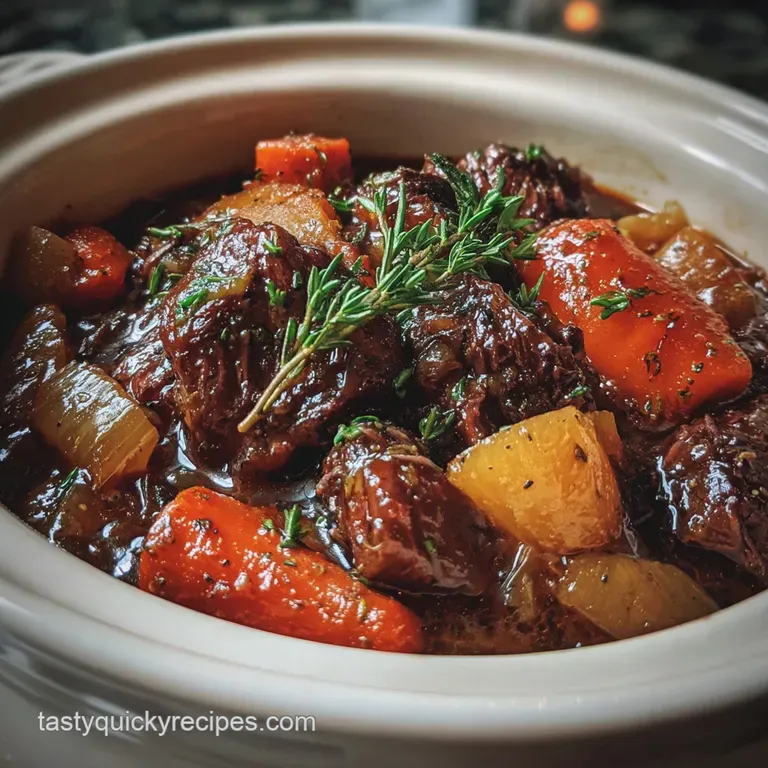
- Time: Active 20 minutes, Passive 8 hours, Total 8 hours 20 mins
- Flavor/Texture Hook: Velvety beef with silky, herb infused gravy
- Perfect for: Stress free weeknight dinners and Sunday meal prep
- Flavorful Crockpot Recipe with Beef and Vegetables
- Why This Low Slow Method Works
- Key Specs for Your Stew
- Component Analysis of Every Ingredient
- Essential Tools for Busy Cooks
- Simple Steps for Rich Flavor
- Avoid These Common Stew Blunders
- Easy Ways to Mix Flavors
- Storing and Reheating Leftover Stew
- Serving Your Meal With Style
- Troubleshooting Your Slow Cooker Meal
- Recipe FAQs
- 📝 Recipe Card
Flavorful Crockpot Recipe with Beef and Vegetables
I know the feeling. You're juggling a million things, the kids have practice, and the last thing you want to do is stand over a hot stove for an hour. I used to think slow cookers were only for bland, watery stews until I realized I was doing it all wrong.
The secret isn't just throwing things in a pot, it is about how you layer the flavors before you even hit that "start" button.
This Crockpot Recipe with Beef and Vegetables is the result of years of trial and error in my own kitchen. I've had my share of grey, flavorless meat and carrots that tasted like water. But when you get it right, the house smells like a warm hug, and the beef just falls apart at the mere suggestion of a fork.
It is pure comfort in a bowl.
We are going to focus on building a foundation of flavor that stands up to the long cooking time. By the time we're done, you'll have a rich, thickened sauce and perfectly cooked vegetables that actually taste like vegetables. Let's get into how we make this happen without spending all morning in the kitchen.
Why This Low Slow Method Works
The magic of this recipe happens because of a few specific biological and chemical shifts that occur inside that ceramic pot. It isn't just heating things up, it is a total structural transformation of the ingredients.
- Collagen to Gelatin Transformation: Beef chuck is packed with tough connective tissue called collagen, but when held at low heat, it slowly melts into gelatin, creating a silky mouthfeel and tender meat.
- The Progressive Layering Science: Searing the meat first creates a Maillard reaction, producing complex flavor molecules that the liquid then carries into the vegetables throughout the day.
- Aromatic Diffusion: Fat soluble compounds in the rosemary and thyme dissolve into the avocado oil and beef fat, seasoning the entire pot from the inside out.
- Osmotic Balance: The low sodium bone broth allows the salt to penetrate the beef and potatoes evenly without making the final sauce overly salty as it reduces.
Collagen Becomes Silky Gelatin
When we use a 2 lbs Beef Chuck Roast, we are choosing a cut that would be impossible to chew if cooked quickly. The science of why it works in a slow cooker comes down to the steady temperature.
At around 160°F, those tough fibers start to relax and release their moisture, which is then replaced by the flavorful cooking liquid.
Building Layers of Flavor
If you skip the browning step, you miss out on the caramelized sugars on the surface of the meat. This is why some slow cooker meals taste "flat." That crusty brown exterior on the beef cubes provides the deep, savory notes that define a traditional stew.
Natural Umami Punch
We use cremini mushrooms and tomato paste to provide a massive dose of glutamates. These act as natural flavor enhancers, making the beef taste "beefier" and the broth feel much more substantial on the tongue.
Key Specs for Your Stew
Before you start, it helps to know exactly what you are aiming for. Precision in a slow cooker is mostly about the size of your vegetable cuts and the quality of your broth. If the carrots are too small, they vanish. If the beef is too large, it stays tough.
| Comparison Point | Fresh Whole Veggies | Pre Cut Shortcut Veggies |
|---|---|---|
| Texture Result | Stays firm with a bite | Often becomes mushy/watery |
| Nutrient Density | Higher; less oxidation | Lower; starts losing vitamins |
| Prep Time | 10 minutes of chopping | Zero minutes |
Chef's Note: I always reach for the whole carrots and potatoes. The pre cut "baby" carrots you find in bags are often treated with water and can release too much moisture, which dilutes your sauce.
This dish is a hearty alternative to my Beef Tenderloin recipe when you want something that cooks itself while you work. Both use high-quality beef, but the slow cooker version is much more forgiving for a Tuesday night.
Component Analysis of Every Ingredient
Understanding your ingredients is the first step to becoming a better cook. We aren't just using "beef and carrots," we are using specific varieties that stand up to eight hours of heat.
| Component | Science Role | Pro Secret |
|---|---|---|
| Beef Chuck Roast | High collagen source | Trim the heavy fat but keep the internal marbling. |
| Yukon Gold Potatoes | Low starch structure | These hold their shape better than Russets in liquid. |
| Bone Broth | Protein rich liquid | Use bone broth over standard broth for better body. |
| Tomato Paste | Umami & thickener | Sauté it with the garlic to remove the raw metallic taste. |
Selecting the Best Roast
For a Crockpot Recipe with Beef and Vegetables, you want a 2 lbs Beef Chuck Roast. It is cheap, marbled, and built for this. Stay away from "stew meat" packages in the store. Those are usually scraps from different muscles that cook at different rates. Buy the whole roast and cube it yourself into 1.5 inch pieces.
Garden Fresh Aromatic Mix
Yellow onions and garlic are the backbone here. When they cook for eight hours, they almost melt into the sauce, providing a sweetness that balances the acidic balsamic vinegar.
The Starch Foundation
I use 1 lb Baby Yukon Gold potatoes because they have a thin skin and a waxy texture. Unlike Russets, which can turn into mashed potato soup if left too long, Yukons stay intact and absorb the beef juices like little sponges.
Acidic Flavor Brighteners
The 1 tbsp Balsamic vinegar is non negotiable. Slow cooked food can get "heavy," and a splash of acid at the end (or in the pot) cuts through the fat and wakes up your taste buds.
Essential Tools for Busy Cooks
You don't need a professional kitchen to make a world class stew, but a few specific items make the process much smoother. I personally use a 6 quart Crock Pot, but any brand works as long as it has a "Low" setting.
3 Essential Tools
- Lodge Cast Iron Skillet: You need this for the initial sear. Slow cookers don't get hot enough to brown meat, so a heavy skillet is your best friend here.
- Y Peeler: For those 3 large carrots. A sharp peeler makes prep take seconds instead of minutes.
- Sharp Chef's Knife: Essential for cubing the beef. If your knife is dull, you'll struggle with the connective tissue.
For a different vibe on a Tuesday, try these Stuffed Spaghetti Squash Recipes if you want to use the same ground beef base but with a totally different toolset. But for today, we are sticking to the classic crockpot.
Simple Steps for Rich Flavor
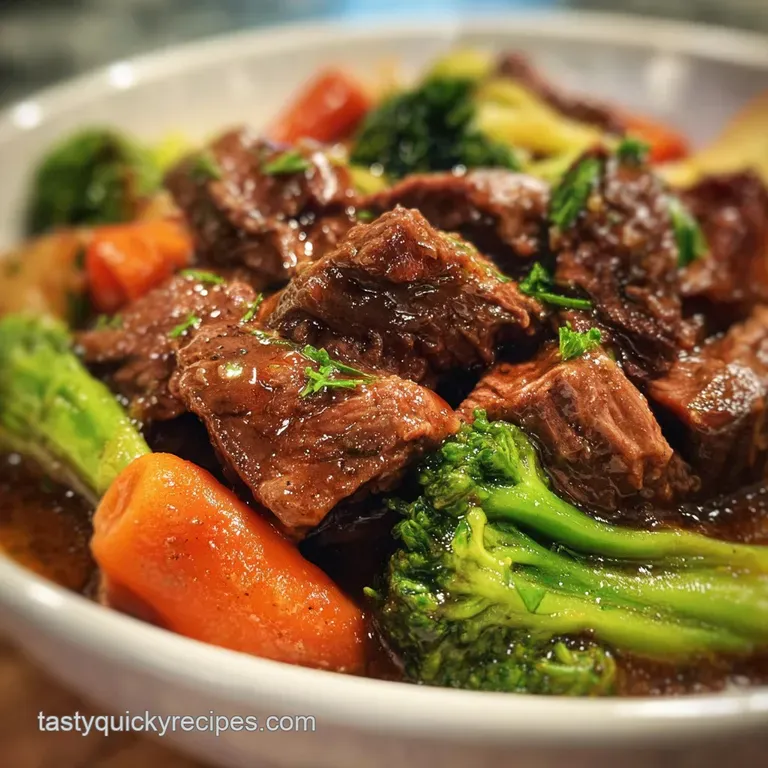
This is where we put it all together. Follow these steps in order. Don't be tempted to just dump everything in cold, trust me on this one.
- Dry the beef. Pat the 2 lbs Beef Chuck Roast cubes with a paper towel. Note: Moisture on the surface prevents browning.
- Sear the meat. Heat 2 tbsp Avocado oil in a skillet and brown the beef until a deep brown crust forms.
- Sauté aromatics. Remove beef, add 1 large Yellow onion and 2 stalks celery to the pan until they soften slightly.
- Activate tomato paste. Stir in 2 tbsp Tomato paste and 4 cloves minced garlic until fragrant and darkened.
- Deglaze the pan. Pour a splash of the 2 cups beef bone broth into the skillet, scraping up the brown bits.
- Layer the crockpot. Place 1 lb halved Yukon Gold potatoes and 3 large carrots at the bottom.
- Add the beef. Place the browned beef and any pan juices over the vegetables.
- Pour and season. Add the remaining broth, 1 tbsp balsamic vinegar, rosemary, thyme, salt, and pepper.
- Set and forget. Cover and cook on Low for 8 hours until beef is fork tender.
- Final rest. Turn off the heat and let it sit for 10 minutes until the sauce thickens slightly.
Searing for Maillard Reaction
When you sear the beef in that avocado oil, you are creating hundreds of new flavor compounds. If you skip this, your Crockpot Recipe with Beef and Vegetables will look grey and taste boiled. It only takes five minutes, but it's the difference between "okay" and "restaurant quality."
Deglazing the Hot Pan
Those brown bits stuck to your Lodge skillet? That is pure gold. Using a little broth to scrape them up ensures all that flavor ends up in your slow cooker instead of your dishwasher.
Strategic Vegetable Layering
Potatoes and carrots take longer to soften than meat in a liquid environment. By placing them at the bottom, closer to the heating element, they cook perfectly in the same timeframe the beef needs to break down.
Avoid These Common Stew Blunders
Even with a slow cooker, things can go sideways. I once made a batch where the meat was perfect but the vegetables were like mushy baby food. It was a disaster.
Solving Grey Meat Issues
If your meat looks unappealing, it's likely because you crowded the pan during the searing phase. Work in batches! If there's too much meat in the pan, it steams instead of browning.
Fixing Mushy Vegetable Textures
The size of your cut matters. If you slice your 3 large carrots into thin coins, they won't survive 8 hours. Keep them in 1 inch chunks. They should look almost too big when they go in.
Reducing Excess Surface Fat
Sometimes a chuck roast is particularly fatty. If you see a layer of oil on top at the end, don't panic. Just lay a clean paper towel lightly on the surface for a second, it will soak up the grease without taking the sauce.
| Problem | Cause | Fix | Pro Tip |
|---|---|---|---|
| Thin Sauce | Too much liquid | Mix 1 tbsp cornstarch/water | Leave lid off for last 30 mins |
| Bland Taste | Lack of acidity | Add 1 tsp balsamic vinegar | Season with salt at the very end |
| Tough Beef | Under cooked | Cook for 1 more hour | Always use the "Low" setting |
Easy Ways to Mix Flavors
One of the best things about this Crockpot Recipe with Beef and Vegetables is how adaptable it is. Once you have the base down, you can pivot based on what's in your pantry.
- The Ground Beef Shift: If you're out of roast, you can use 2 lbs of browned ground beef. The texture is more like a thick chili stew, but it's delicious.
- The Low Carb Swap: Replace the 1 lb of potatoes with 1 lb of cauliflower florets or radishes. Add them in the last 2 hours so they don't dissolve.
- Red Wine Elegance: Swap 1/2 cup of the bone broth for a dry Cabernet. The tannins help break down the beef fibers even further.
If you have leftover veg, it's great for a Soup Recipe with some extra broth and a handful of noodles. I often do this on Mondays to clean out the fridge.
Adding Wine for Depth
If you choose to add wine, add it to the skillet after searing the meat to cook off the harsh alcohol edge. This leaves behind a fruity, complex substrate that makes the beef taste incredibly rich.
Storing and Reheating Leftover Stew
This recipe is even better the next day. As it sits in the fridge, the flavors continue to meld, and the potatoes absorb even more of the herb infused broth.
- Storage
- Keep leftovers in an airtight container in the fridge for up to 4 days.
- Freezing
- This freezes beautifully. Put it in a freezer safe bag, squeeze out the air, and it's good for 3 months.
- Zero Waste
- Don't throw away those celery leaves or onion skins. Put them in a bag in your freezer to make your own bone broth later.
When reheating, I recommend the stovetop over the microwave. Put a splash of water or broth in the pan to loosen the sauce, then heat on medium low. This prevents the beef from getting that "rubbery" microwave texture.
Serving Your Meal With Style
Just because it came out of a slow cooker doesn't mean it can't look beautiful. Presentation is half the battle when you're feeding a family.
Fresh Herbs for Color
After 8 hours, the rosemary and thyme sprigs will look pretty sad. Fish them out and discard them. Instead, garnish the bowls with fresh chopped parsley or a few fresh thyme leaves. That "pop" of green makes the deep browns of the beef look appetizing.
Texture Contrast
Serve this with a side of crusty sourdough or a thick slice of buttered bread. You want something to soak up that velvety gravy. The crunch of the bread provides a necessary contrast to the soft, tender stew.
Troubleshooting Your Slow Cooker Meal
I get questions all the time about why certain batches turn out differently. Usually, it comes down to the equipment or the specific cut of meat.
Why Your Beef Is Still Tough
If you hit the 8 hour mark and the beef is still resisting your fork, it just needs more time. Every slow cooker runs at a slightly different temperature. Don't flip it to "High" to rush it, that will just toughen the fibers. Just give it another 45 minutes on Low.
Managing Excess Liquid
If the stew looks more like a soup, it's because the vegetables released more water than expected. You can fix this by taking out a cup of the liquid, whisking in a little flour or cornstarch, and stirring it back in. Let it cook for another 15 minutes to thicken up.
Dealing with Salty Broth
If you accidentally used full sodium broth and the dish is too salty, add a splash more balsamic vinegar or a pinch of sugar. The acidity or sweetness can help mask the saltiness without ruining the profile.
This Crockpot Recipe with Beef and Vegetables is a staple in my house for a reason. It is reliable, nutrient dense, and honestly, it's hard to beat the feeling of walking through the door after a long day and having dinner already finished. It takes the stress out of the "what's for dinner" dance we all do.
Give it a shot this week, and let the slow cooker do the heavy lifting for you.
Recipe FAQs
what can i make with beef in slow cooker?
Beef stew and pot roast are ideal. The low, long heat transforms tough cuts like chuck roast into fall apart tender meat, perfect for hearty meals. You can also make shredded beef for tacos or sandwiches.
how to make beef and broccoli in the crockpot?
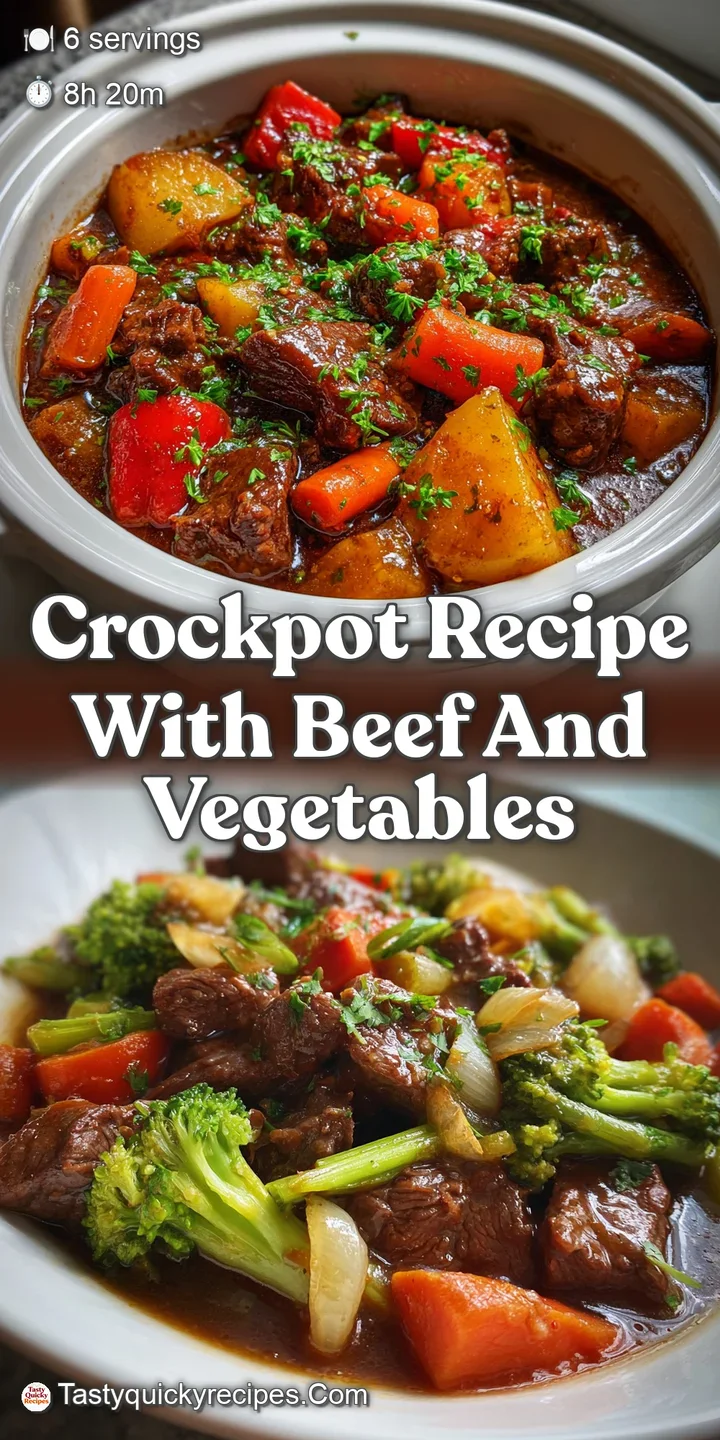
Yes, but sear the beef first for best texture. Brown the beef cubes quickly on the stovetop, then add them to the slow cooker with your sauce ingredients. Add the broccoli only in the last 30 minutes of cooking to prevent it from turning completely mushy.
how long does beef stew take to cook in the crockpot?
Plan for 8 hours on Low or 4 hours on High. For the absolute best texture where the collagen fully breaks down into gelatin, stick to the longer, lower setting. If you skip searing the meat first, you may need an extra 30 minutes.
should i sear the beef before putting it in the slow cooker?
Yes, this step is crucial for flavor development. Searing creates a rich, brown crust through the Maillard reaction, providing deep savory notes that simple simmering cannot achieve. If you master the heat control for searing here, you'll see similar flavor improvements in recipes like our Hoppin John Recipe: Ultimate Smoky Southern Classic.
what is the best cut of beef for slow cooking vegetables?
Chuck roast or brisket are the top choices. These cuts have the most connective tissue (collagen), which melts down during the long cook time, tenderizing the meat and naturally thickening your sauce. Avoid leaner cuts like sirloin, which can dry out easily.
can I use frozen vegetables with my beef stew?
No, use fresh or previously frozen/thawed vegetables. Frozen vegetables release excessive water as they thaw and cook, which significantly dilutes your sauce and prevents the beef flavor from concentrating properly. For savory sides, use fresh ingredients when possible, like in our Canned Green Bean Recipe: 10-Minute Bacon Onion Side where we control the moisture output.
how do I prevent my stew vegetables from becoming mushy?
Cut them larger and add them later. If you are using root vegetables, ensure they are cut into 1.5 inch chunks. For softer items like mushrooms or squash, only add them during the final 1 to 2 hours of cooking so they remain tender crisp.
Crockpot Beef Veggie Meal
Ingredients:
Instructions:
Nutrition Facts:
| Calories | 451 calories |
|---|---|
| Protein | 46 g |
| Fat | 17 g |
| Carbs | 21 g |
| Fiber | 3 g |
| Sugar | 4 g |
| Sodium | 433 mg |
