Crockpot Beef Recipe with Garlic and Herbs
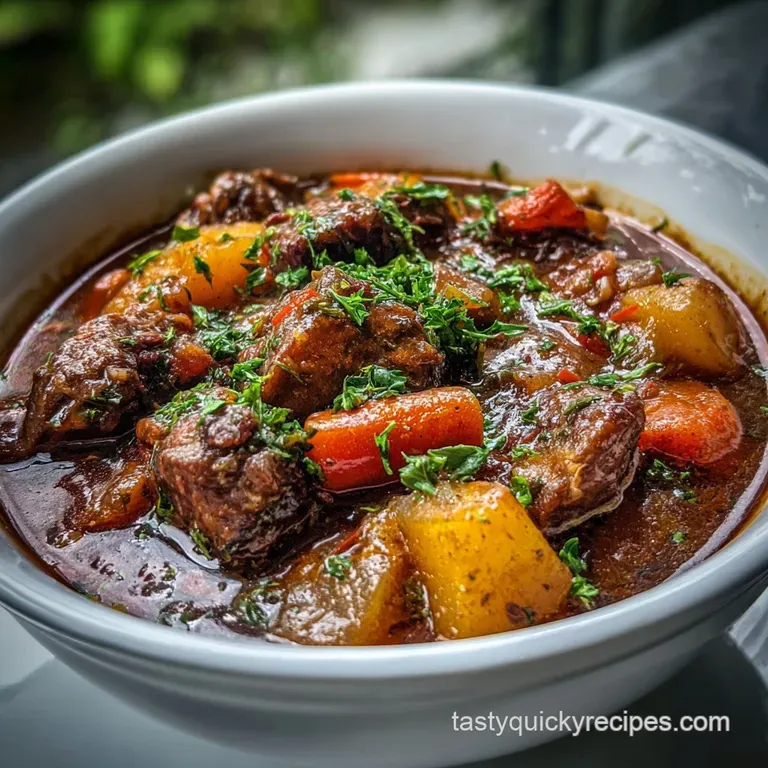
- Time: Active 20 minutes, Passive 8 hours, Total 8 hours 20 minutes
- Flavor/Texture Hook: Umami rich gravy with velvety, fork tender beef
- Perfect for: Juggling a busy family schedule or weekend meal prep
- Master this Crockpot Beef Recipe with Garlic and Herbs
- Reasons the Beef Stays Tender
- Ingredient Science and Pro Secrets
- The Pantry Essentials and Swaps
- Tools for the Best Stew
- Step-by-Step Slow Cooker Success
- Fixing Common Slow Cooker Issues
- Simple Swaps for Every Diet
- Storing and Reusing Your Leftovers
- How to Plate Your Meal
- Kitchen Myths Debunked
- HIGH in Sodium
- Recipe FAQs
- 📝 Recipe Card
Master this Crockpot Beef Recipe with Garlic and Herbs
Imagine walking through your front door after a long day and being greeted by the heavy, savory scent of slow cooked garlic and woodsy rosemary. There is something almost magical about the way a slow cooker handles the hard work while you're busy tackling life, turning simple grocery store staples into a meal that feels like a warm hug.
This Crockpot Beef Recipe with Garlic and Herbs is a guaranteed dinner winner.
I've spent years trying to get that deep, concentrated flavor you usually only find in French bistros, and honestly, I failed more than a few times. I used to just throw everything in raw and wonder why my stew tasted flat and grey.
But once I figured out the secret of the "sear and bloom" technique, it changed everything for my family. We're talking about a sauce so rich you'll want to lick the spoon.
Whether you're a beginner cook or a seasoned pro just looking for a reliable weeknight win, this method is for you. It's about being smart with your time and your budget without sacrificing that mouth watering result.
We are going to break down exactly how to keep your vegetables from turning to mush and how to get that beef to shatter at the touch of a fork.
Reasons the Beef Stays Tender
The beauty of this dish lies in the chemistry of the ingredients working together over several hours. When we use the slow cooker, we aren't just heating food; we are performing a slow motion transformation of the proteins.
It's the difference between a tough, chewy bite and one that practically dissolves on your tongue.
The Science of Why it Works: Slow heating at 88°C to 93°C triggers collagen denaturation, turning tough connective tissue into velvety gelatin. This creates a lubricated, moist mouthfeel even though the protein fibers themselves have fully cooked.
- Maillard Magic: Searing the beef cubes at high heat creates hundreds of new flavor compounds that a slow cooker simply cannot produce on its own.
- Aromatic Infusion: The enclosed environment traps volatile oils from the rosemary and thyme, forcing them deep into the meat fibers.
- Acidic Tenderizing: The red wine and Worcestershire sauce work to gently break down surface proteins while balancing the richness of the fat.
- Starch Gelatinization: Coating the beef in flour before searing ensures the gravy thickens naturally as the juices release during the long simmer.
[!TIP] Chef's Tip: Grate three of your garlic cloves on a microplane and stir them in during the last 30 minutes of cooking. This provides a fresh, sharp garlic "high note" to balance the mellow, sweet roasted garlic flavors that developed all day.
For Maximum Meat Tenderness
To get that bistro style texture, you need to be picky about your cut of meat. I always reach for chuck roast because it has the perfect ratio of intramuscular fat and collagen. If you use a leaner cut like round roast, you'll end up with something dry and stringy, which is exactly what we want to avoid.
To Unlock Deep Umami
Don't skip the tomato paste "bloom." By frying the paste in the residual beef fat for just a minute, you remove the raw, metallic taste and replace it with a concentrated, sun dried sweetness. It's a tiny step that adds massive depth to the final gravy.
Infusing Aromatics Without Bitterness
Woody herbs like rosemary are powerful, so we leave them on the sprig. This allows the oils to seep out slowly without leaving behind needle like leaves that can become bitter or unpleasant to chew. Just fish the stems out before you serve the meal to your family.
| Thickness | Internal Temp | Rest Time | Visual Cue |
|---|---|---|---|
| 3.8 cm cubes | 93°C (200°F) | 10 minutes | Beef pulls apart with a fork |
| 5 cm cubes | 93°C (200°F) | 15 minutes | Connective tissue looks translucent |
| Whole Roast | 95°C (203°F) | 20 minutes | Meat sags and loses its structure |
While the slow cooker is forgiving, checking the visual cues is the best way to ensure you haven't pulled it too early. If the meat resists when you poke it with a fork, it needs another hour to let that collagen finish melting into gelatin.
Ingredient Science and Pro Secrets
Understanding what each component brings to the table helps you become a more intuitive cook. It isn't just a list; it's a team of flavors working to build that final, silky gravy. I've found that using bone broth instead of regular stock makes a huge difference in the "body" of the sauce.
| Ingredient | Science Role | Pro Secret |
|---|---|---|
| Chuck Roast | Primary fat/collagen source | Pat dry with paper towels before searing for a better crust |
| Tomato Paste | Natural glutamates (Umami) | Sauté until it turns a dark rust color for maximum sweetness |
| Red Wine | Solvent for flavor molecules | Use a dry variety like Cabernet to cut through the heavy fats |
| Bone Broth | Added gelatin for viscosity | Choose low sodium to control the final seasoning precisely |
The interplay between the wine's acidity and the beef's fat is similar to the balance we look for in a high end Beef Tenderloin recipe. It keeps the dish from feeling one dimensional and heavy on the palate.
The Pantry Essentials and Swaps
This recipe relies on hardy vegetables and pantry staples that hold up well to long cooking times. If you are looking to save a bit of money, don't feel pressured to buy the most expensive wine; a decent "table wine" works perfectly here because the alcohol burns off, leaving only the fruit notes.
- 1.36 kg beef chuck roast: Cut into 3.8 cm cubes. Why this? It has the highest collagen content for that melting texture.
- 10 cloves fresh garlic: Smashed to release oils. Why this? Slow cooking mellows garlic into a sweet, nutty background note.
- 2 large yellow onions: Thickly sliced so they don't disappear.
- 3 sprigs fresh rosemary: Left whole for easy removal.
- 5 sprigs fresh thyme: Adds an earthy, floral aroma.
- 120 ml dry red wine: Deglazes the pan and adds acidity.
- 475 ml low sodium beef bone broth: The base of your velvety gravy.
- 30 ml Worcestershire sauce: Provides a salty, fermented punch.
- 30 g all purpose flour: Thickens the sauce as it simmers.
- 30 g tomato paste: For color and concentrated umami.
- 450 g baby potatoes: Halved to soak up the juices.
- 4 large carrots: Cut into 2.5 cm chunks for bite.
- 30 ml vegetable oil: For the over high heat sear.
- 6 g salt & 2 g black pepper: Basic but essential seasoning.
| Original Ingredient | Substitute | Why It Works |
|---|---|---|
| Red Wine (120 ml) | Beef Broth + 15 ml Balsamic | Mimics the acidity and deep color of wine without alcohol |
| Fresh Rosemary | 5 g Dried Rosemary | Provides similar piney notes. Note: Use a tea infuser for easy removal |
| Chuck Roast | Beef Stew Meat | Budget friendly pre cut option. Note: Can be leaner, check at 6 hours |
| Baby Potatoes | Cubed Yukon Gold | Thin skins and creamy texture hold shape well during long braising |
I've often found that if I'm out of wine, a splash of balsamic vinegar added to extra broth does the trick. It doesn't have the same complexity, but it provides that necessary hit of acid to wake up the heavy flavors of the beef.
Tools for the Best Stew
You don't need a kitchen full of gadgets, but a few specific tools make the process much smoother. I've made this in everything from a cheap thrift store crockpot to a high end multi cooker, and the results are consistently great as long as you have a good heavy bottomed skillet for the initial sear.
- Slow Cooker: A 6 quart (5.7 liter) model is the ideal size for this volume.
- Cast Iron Skillet: Such as a Lodge skillet, to get that dark, caramelized sear on the beef.
- Tongs: For flipping the meat without piercing it and losing juices.
- Wooden Spoon: Best for scraping up the "fond" (the brown bits) from the skillet.
- Microplane: For that final fresh garlic hit.
If you don't have a cast iron pan, any heavy stainless steel skillet will work. The goal is to retain heat so the meat sizzles rather than steams. If you use a thin non stick pan, you might struggle to get that deep brown crust that is so vital for the gravy's color.
step-by-step Slow Cooker Success
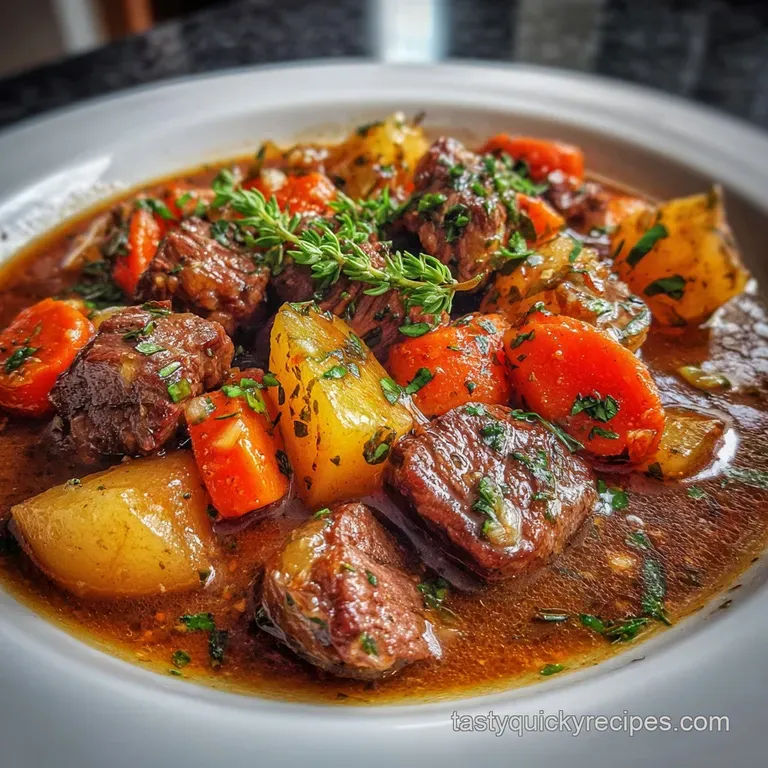
Now, let's get into the actual cooking. Follow these steps closely, especially the searing part. It's the only "hard" work you have to do, and I promise it pays off in the final flavor profile.
- Prep the beef. Pat the 1.36 kg of cubed chuck roast dry with paper towels and season with 6 g salt and 2 g pepper. Note: Dry meat sears; wet meat steams.
- Dust with flour. Toss the beef cubes in the 30 g of flour until lightly coated. Note: This creates a roux like effect inside the crockpot later.
- Sear the meat. Heat 30 ml oil in a skillet over medium high heat. Brown the beef in batches for 3 minutes per side until a dark, crusty bark forms.
- Sauté aromatics. Remove meat and add the 2 sliced onions and 30 g tomato paste to the skillet. Cook for 2 minutes until the onions soften and the paste turns dark red.
- Deglaze the pan. Pour in the 120 ml of red wine. Use a wooden spoon to scrape all the brown bits off the bottom until the liquid reduces by half.
- Layer the Crockpot. Place the 450 g halved potatoes and 4 sliced carrots at the bottom of the slow cooker.
- Combine ingredients. Add the seared beef and the onion wine mixture on top of the vegetables.
- Add liquids. Pour in the 475 ml bone broth and 30 ml Worcestershire sauce. Tuck in the rosemary and thyme sprigs.
- Slow cook. Cover and cook on Low for 8 hours until the beef is fork tender and the sauce is thick.
- Final touch. Remove the herb stems. Stir in the remaining smashed garlic cloves. Let it sit for 10 minutes before serving.
[!TIP] Chef's Tip: If you prefer a more "stew like" consistency, take 250 ml of the liquid at the end, whisk it with 15 g of cornstarch, and stir it back in. Set the crockpot to High for 15 minutes to let it tighten up into a glossy glaze.
Fixing Common Slow Cooker Issues
Sometimes things don't go exactly as planned. Maybe your carrots are still crunchy or your sauce looks a bit thin. Don't panic! Most crockpot problems are easily fixed with a little heat or a simple pantry addition.
Fixing Thin or Watery Sauce
If your gravy looks more like soup, it's usually because the vegetables released more water than expected. This often happens with older crockpots that don't reach a high enough simmer.
You can fix this by removing the lid for the last 45 minutes of cooking to let the steam escape and the sauce concentrate.
For Vegetables Too Soft
If you find your carrots and potatoes are turning to mush, you likely cut them too small. For an 8 hour cook, you want "chunky" vegetables. If you prefer smaller bites, wait and add the vegetables halfway through the cooking time instead of at the beginning.
| Problem | Root Cause | Solution |
|---|---|---|
| Tough Meat | Not enough time for collagen to melt | Cook for another 1-2 hours on Low |
| Bland Gravy | Lack of salt or acidity at the end | Add a splash of red wine vinegar or more salt |
| Greasy Sauce | Too much fat rendered from the roast | Skim the top with a wide spoon or a piece of bread |
Common Mistakes Checklist: ✓ Always sear in batches; overcrowding the pan drops the temperature and prevents browning. ✓ Don't open the lid! Every time you "peek," you lose 15-20 minutes of cooking heat.
✓ Use low sodium broth so you can control the saltiness as the sauce reduces. ✓ Ensure the liquid covers at least two thirds of the meat to prevent drying out. ✓ Trim large chunks of hard white fat from the roast before cubing to prevent a greasy finish.
Simple Swaps for Every Diet
I love this recipe because it's so flexible. You can easily adapt it for different dietary needs without losing the soul of the dish. It's very similar to how I adjust my Ground Beef Recipe for a quick skillet version versus a slow simmered one.
Low Carb and Keto Meal
To make this keto friendly, swap the baby potatoes for radishes or large chunks of cauliflower. Radishes might sound weird, but when slow cooked, they lose their pepperiness and take on a texture very similar to a potato. Also, replace the flour coating with a pinch of xanthan gum at the end to thicken the sauce.
Alcohol Free Version
If you prefer not to use wine, you can use an equal amount of beef broth mixed with a tablespoon of balsamic vinegar. This provides the dark color and the acidic lift that the wine would usually offer. You can also use unsweetened pomegranate juice for a really interesting, slightly tart flavor profile.
Comparison of Cooking Methods
| Method | Time | Texture | Result |
|---|---|---|---|
| Traditional Oven | 3 hours 30 mins | Classic Braise | Concentrated |
| Crockpot (Low) | 8 hours | Ultra Tender | Set and Forget |
| Pressure Cooker | 1 hour 15 mins | Soft | Fast but less depth |
Storing and Reusing Your Leftovers
One of the best things about slow cooked beef is that it often tastes better the next day. As the dish cools, the meat reabsorbs the flavorful gravy, making it even more succulent when reheated.
- Fridge: Store in an airtight container for up to 4 days. The fat may solidify on top; just stir it back in during reheating.
- Freezer: This freezes beautifully for up to 3 months. Thaw overnight in the fridge before warming up.
- Zero Waste Tip: If you have leftover gravy but no meat, use it as a base for a shepherd's pie or toss it with wide egg noodles for a quick "stroganoff style" lunch. You can even freeze the leftover herb stems and onion ends to make a homemade scrap broth later!
When reheating, do it gently on the stovetop over low heat. If you use a microwave, cover the dish and use 50% power to prevent the beef from becoming rubbery. A splash of water or extra broth will help loosen the sauce back up to its original velvety glory.
How to Plate Your Meal
Presentation doesn't have to be fancy to be appetizing. Since this is a rustic, "brown" dish, adding a pop of color at the end makes it look as good as it tastes. I like to serve this in wide, shallow bowls so the gravy has plenty of room to pool around the meat and vegetables.
The Classic Pairing
Serve this over a bed of buttery mashed potatoes or alongside a thick slice of crusty sourdough bread. You need something to soak up every last drop of that garlic herb gravy. A side of steamed green beans or a simple arugula salad with a lemon vinaigrette provides a nice crisp contrast to the rich, soft stew.
The Bistro Style
For a more elevated look, garnish with a generous handful of fresh flat leaf parsley and a sprinkle of flaky sea salt. You can also top each serving with a dollop of horseradish cream (sour cream mixed with prepared horseradish) to add a sharp, cooling bite that cuts through the richness of the beef.
Decision Shortcut: - If you want a thicker sauce, whisk in a cornstarch slurry 30 minutes before serving. - If you want brighter flavor, stir in a handful of fresh parsley at the very end. - If you want a richer gravy, swap the wine for a dark stout beer.
Kitchen Myths Debunked
Many people believe that searing meat "seals in the juices," but that isn't actually true. Moisture loss happens regardless of the sear; however, we sear for the flavor development known as the Maillard reaction. This creates the complex, savory notes that define a high-quality stew.
Another common myth is that you can't overcook meat in a slow cooker. While it's hard to do, eventually the fibers will break down so much that the meat becomes "mushy" rather than "tender." Eight hours on low is the sweet spot for a 1.36 kg roast; going much beyond 10 hours may start to degrade the texture of the beef too far.
Finally, some think that fresh herbs are always better than dried. While fresh rosemary and thyme are great for slow cooking because they withstand the heat, dried herbs can actually be more concentrated. If using dried, just remember to use about one third of the amount called for in the fresh version.
Enjoy the process of making this! There is something so satisfying about putting in twenty minutes of effort in the morning and having a "masterclass" level meal waiting for you at the end of the day. Trust your nose when the house starts smelling like a five star steakhouse, you'll know you did it right.
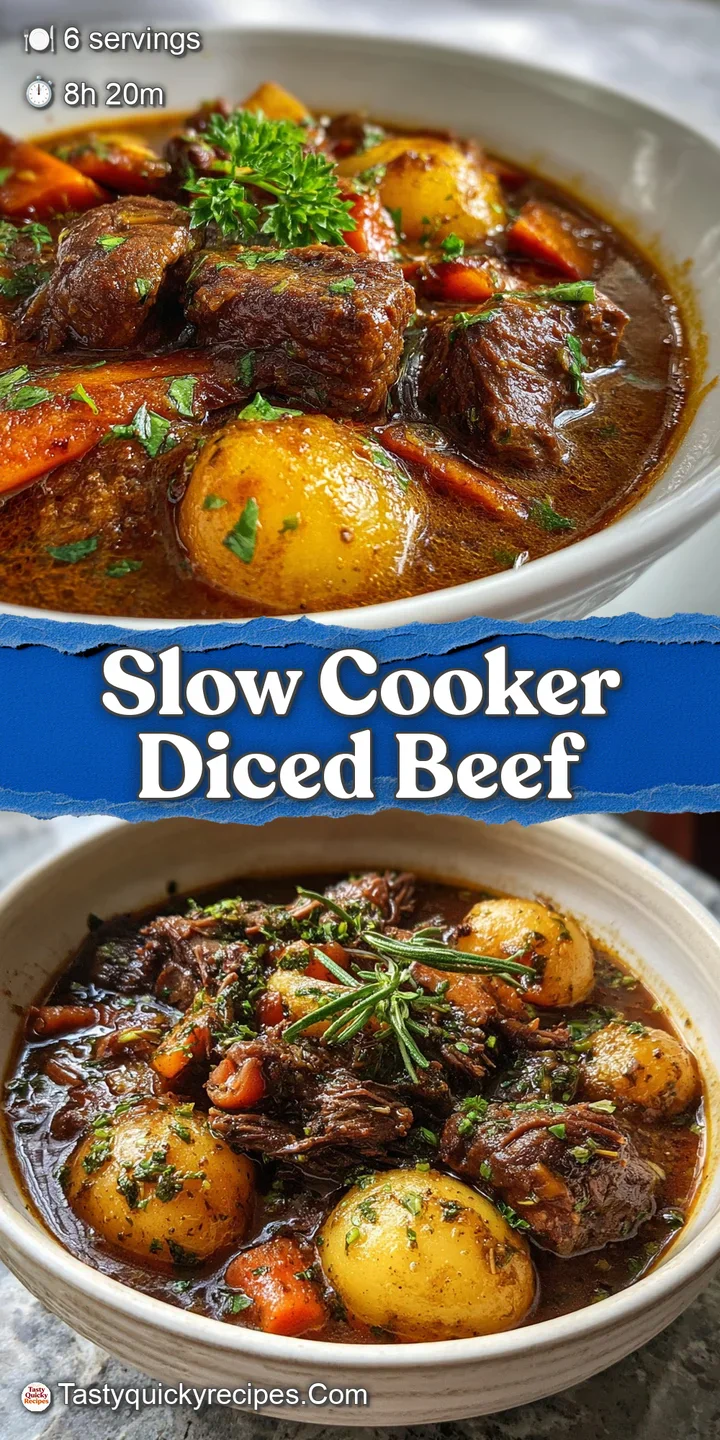
HIGH in Sodium
940 mg mg of sodium per serving (41% % of daily value)
The American Heart Association recommends limiting sodium intake to 2,300mg per day for overall health.
Tips to Reduce Sodium in Your Beef Roast
-
Broth Swap-30%
Use no-sodium added beef broth or homemade broth. This significantly reduces the sodium content without compromising flavor.
-
Cut the Salt-25%
Reduce the added salt by at least half. Taste and adjust seasoning after cooking to avoid over salting. Try using 3g of salt instead of 6g.
-
Tomato Paste Dilution-15%
While tomato paste is a flavor booster, it has some sodium. Consider using a smaller amount (e.g. 15g) or balance the flavor with fresh tomato instead.
-
Worcestershire Watch-15%
Worcestershire sauce is a significant source of sodium. Reduce the amount used by half, or substitute with a homemade version that has less sodium.
-
Herb Power
Maximize flavor by using fresh herbs like rosemary and thyme, and experiment with other aromatics like garlic and onion. These will enhance the dish without adding sodium.
Recipe FAQs
Can I use a different cut of beef for this recipe?
Yes, but choose wisely. Cuts like beef chuck or brisket with good marbling and connective tissue work best for slow cooking. Leaner cuts such as sirloin or round roast can become dry and tough.
How do I ensure the beef is fork tender?
Cook it low and slow. Ensure the meat reaches an internal temperature of around 93°C (200°F) and has had sufficient time for collagen to break down into gelatin. If it resists a fork, give it another hour or two.
Can I make this recipe ahead of time?
Yes, absolutely. This dish often tastes even better the next day as the flavors meld. Store it in an airtight container in the refrigerator for up to 4 days, or freeze for up to 3 months.
How can I thicken the sauce if it's too thin?
Stir in a slurry. Whisk together 15g of cornstarch with 30ml of cold water, then stir it into the crockpot during the last 30 minutes of cooking on High. Alternatively, you can remove the lid for the last 45 minutes to let it reduce.
What are the best vegetables to add to this crockpot beef?
Root vegetables are ideal. Carrots, potatoes, and onions hold up well to long cooking times and absorb the savory flavors. For a different texture, try adding cubed sweet potatoes or parsnips.
Is it necessary to sear the beef before putting it in the crockpot?
Yes, for best flavor. Searing develops a deep brown crust through the Maillard reaction, which adds significant depth and complexity to the final dish that the slow cooker alone cannot achieve. It's a crucial step for a rich gravy.
Can I use dried herbs instead of fresh?
Yes, but adjust the quantity. Use about one-third the amount of dried herbs compared to fresh. For instance, if the recipe calls for 3 sprigs of fresh rosemary, use about 1 teaspoon of dried rosemary. The flavors are more concentrated in dried herbs.
Crockpot Beef Garlic Herbs
Ingredients:
Instructions:
Nutrition Facts:
| Calories | 758 kcal |
|---|---|
| Protein | 48 g |
| Fat | 42 g |
| Carbs | 31 g |
| Fiber | 4.8 g |
| Sugar | 6.2 g |
| Sodium | 940 mg |
