Roasted Chicken Thighs with Crispy Skin
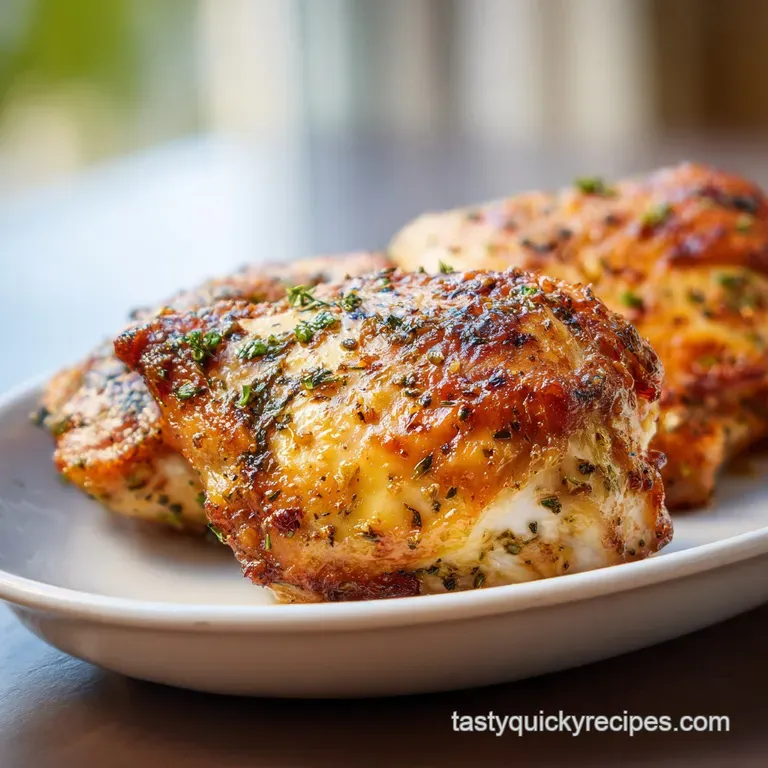
- Time: Active 10 minutes, Passive 35 minutes, Total 45 minutes
- Flavor/Texture Hook: Smoky, crackling skin with tender, melt in-your mouth meat
- Perfect for: Stress free weeknight dinners or simple family meal prepping
- Golden and Crispy Roasted Chicken Thighs
- Roasting Specs and Quick Comparisons
- The Essential Spices and Swaps
- Tools for the Best Results
- Cooking Steps for Golden Skin
- Fixing Common Chicken Problems
- Creative Flavor Variations
- Adjusting Portions for Groups
- Roasting Myths Debunked
- Storing and Reusing Leftovers
- Serving Styles for Families
- Very High in Sodium
- Recipe FAQs
- 📝 Recipe Card
Golden and Crispy Roasted Chicken Thighs
You know that sound when you tap a spoon against a perfectly roasted piece of chicken and it sounds like a hollow knock? That is the dream. I used to struggle with soggy, rubbery skin until I realized I was "pampering" the chicken too much with low heat.
Now, my kitchen fills with the aroma of toasted garlic and smoked paprika, and my kids are usually hovering by the oven door waiting for that first crackle.
We’ve all been there juggling a work deadline while trying to get a flavorful meal on the table. This dish is my absolute fallback because it’s fast and practically foolproof once you understand how the heat works.
It isn't just about cooking the meat; it's about the chemistry of the rendering fat meeting high heat to create that signature golden crust we all crave.
Trust me, once you see how those 8 bone in, skin on chicken thighs transform in 35 minutes, you'll never go back to boneless again. The bone acts like an insulator, keeping the inside velvety while the outside gets that gorgeous, dark amber tan.
It is simple, honest cooking that makes the house smell like a home.
Roasting Specs and Quick Comparisons
The Physics of the Crunch
Subcutaneous Rendering: High heat liquefies the fat beneath the skin, effectively frying it from the inside out while the meat steams in its own juices. This dual action process ensures the exterior becomes brittle while the interior remains intensely hydrated.
| Thickness | Internal Temp | Rest Time | Visual Cue |
|---|---|---|---|
| Standard (approx 6oz) | 165°F (74°C) | 5 mins | Juices run clear when poked |
| Large (approx 8oz) | 165°F (74°C) | 7 mins | Skin is deep mahogany |
| Small (approx 4oz) | 165°F (74°C) | 3 mins | Bone starts to pull away |
Deciding between a fast roast and a slow one depends entirely on your schedule and desired texture. While a slow cook yields meat that falls off the bone, it often leaves the skin limp. The over high heat method we're using today is designed for speed and that specific, satisfying shatter.
| Feature | Fast Roast (This Recipe) | Classic Slow Roast |
|---|---|---|
| Total Time | 45 minutes | 1 hours 30 mins |
| Skin Texture | Shatter crisp | Soft and savory |
| Effort Level | Set and forget | Frequent basting |
Component Analysis
| Ingredient | Science Role | Pro Secret |
|---|---|---|
| Kosher Salt | Protein Denaturation | Draw out moisture 20 mins early |
| Smoked Paprika | Maillard Reaction Aid | Sugars caramelize for deep color |
| Extra Virgin Olive Oil | Heat Conductor | Binds spices to prevent burning |
The Essential Spices and Swaps
For this recipe, we are using a specific blend to maximize the "wow" factor without spending a fortune. I usually grab my spices in bulk because we go through them so fast. If you’re looking for a different vibe, like a Chicken Thigh Recipe with fresh herbs, the technique remains identical.
- 8 bone in, skin on chicken thighs (3 lbs): Why this? The skin protects the meat from drying out at 400°F.
- 1 tbsp extra virgin olive oil: Why this? Provides the fat needed to crisp the skin evenly.
- 2 tsp Kosher salt: Why this? Coarse grains provide better coverage and seasoning control.
- 1 tsp cracked black pepper: Why this? Freshly cracked offers a floral heat pre ground lacks.
- 1 tsp smoked paprika: Why this? Adds a rich, earthy color and subtle fire pit aroma.
- 1 tsp garlic powder: Why this? Unlike fresh garlic, it won't burn at high temperatures.
- 1/2 tsp onion powder: Why this? Adds a savory, "all day" cooked depth instantly.
- 1/2 tsp dried oregano: Why this? Adds an herbaceous backnote that cuts through the fat.
| Original Ingredient | Substitute | Why It Works |
|---|---|---|
| Smoked Paprika | Sweet Paprika + Cumin | Provides color and earthiness without the smoke. |
| Dried Oregano | Dried Thyme | Similar woody profile; keeps the earthy flavor intact. |
| Kosher Salt | Sea Salt | Use 1.5 tsp instead; sea salt is finer and saltier by volume. |
Tools for the Best Results
You don't need a professional kitchen to nail these Roasted Chicken Thighs, but a few basic pieces of gear make it much easier. I’ve made the mistake of using a glass baking dish before, and honestly, the skin just doesn't get as crispy because glass doesn't conduct heat as aggressively as metal.
A heavy duty rimmed baking sheet is your best friend here. If you have a wire rack that fits inside, even better! Elevating the meat allows the hot air to circulate underneath, meaning you won't end up with "soggy bottoms." If you’re looking for a different method altogether, like a pan-fried Chicken recipe, a cast iron skillet is the way to go for that heavy duty sear.
Finally,, get a digital meat thermometer. Juggling kids and a timer is stressful; knowing exactly when the internal temp hits 165°F (74°C) takes all the guesswork out of the equation. It's the difference between succulent chicken and something that feels like sawdust.
Cooking Steps for Golden Skin
- Preheat oven. Set your oven to 400°F (200°C). Note: A hot oven is non negotiable for immediate fat rendering.
- Dry the chicken. Use paper towels to pat the skin until it’s bone dry. Note: Moisture is the enemy of crispiness; steam will ruin the texture.
- Mix the rub. Combine the salt, pepper, paprika, garlic powder, onion powder, and oregano in a small bowl.
- Oil the meat. Coat the thighs with the olive oil. Ensure the oil reaches every fold of the skin.
- Apply seasoning. Sprinkle the spice rub generously over both sides. Rub it in firmly so it sticks.
- Arrange on pan. Place thighs skin side up on your baking sheet. Note: Keep at least an inch between them to allow airflow.
- Roast the chicken. Bake for 35 minutes. Watch for the skin to bubble and turn mahogany.
- Check temperature. Insert a thermometer into the thickest part without hitting the bone. Target 165°F (74°C) exactly.
- Rest the meat. Transfer to a warm plate for 5 minutes. Note: This allows fibers to relax and reabsorb juices.
- Serve immediately. Plate them up while the skin is at its peak crunch.
Fixing Common Chicken Problems
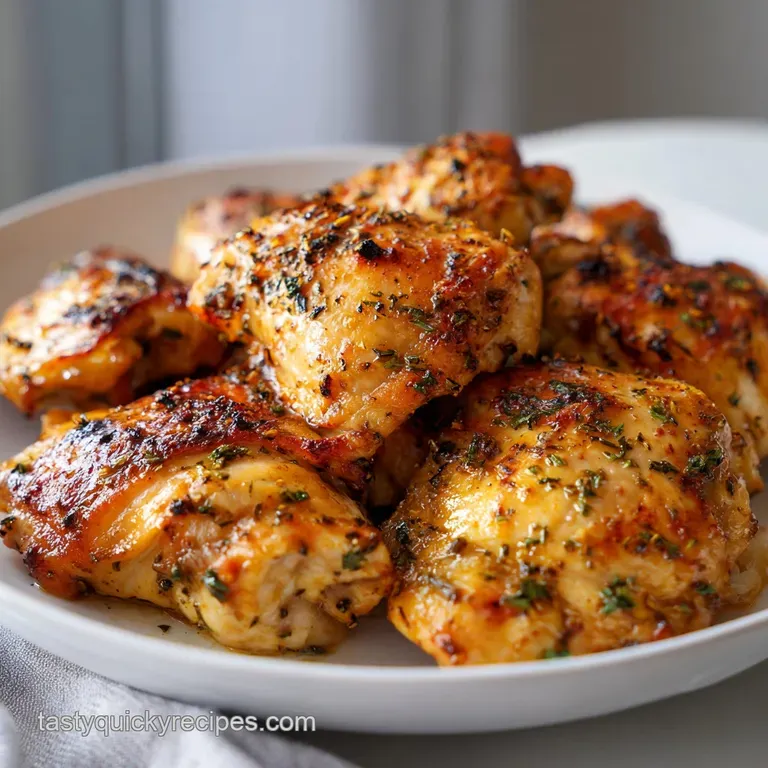
Pale or Rubbery Skin
If the chicken is cooked through but the skin looks sad and light, the issue is usually moisture. This often happens if the thighs were crowded too closely together, creating a "steam tent" on the pan. If you find yourself in this spot, don't panic.
You can flip the broiler on for 2 minutes, but watch it like a hawk so you don't burn those beautiful spices.
Burnt Spice Rub
Smoked paprika and garlic powder can be sensitive to direct heat if they aren't properly hydrated by the oil. If your rub looks black and tastes bitter, you likely missed a spot with the olive oil or your oven has a "hot spot." Next time, try mixing the spices into the oil first to create a paste before rubbing it on the bird.
| Problem | Root Cause | Solution |
|---|---|---|
| Dry, tough meat | Overcooking | Pull at 160°F; carryover heat hits 165°F. |
| Spices taste bitter | Burnt garlic/paprika | Apply oil more generously to insulate spices. |
| Skin sticks to pan | Missing oil/low heat | Ensure pan is lightly greased or use parchment. |
Common Mistakes Checklist
- ✓ Never skip the pat dry step with paper towels (moisture = steam).
- ✓ Don't use a deep walled casserole dish; it traps steam around the skin.
- ✓ Avoid checking the oven every 5 minutes; you lose 25 degrees of heat each time.
- ✓ Let the chicken sit at room temperature for 15 minutes before roasting for even cooking.
- ✓ Ensure the spices are fresh; old paprika loses its color changing sugars.
Creative Flavor Variations
If you're in the mood for something different, this base recipe is incredibly flexible. For a Mediterranean twist, swap the paprika for dried rosemary and lemon zest. It’s a fast way to change the entire profile of the meal without changing the cooking time.
For a keto friendly, high fat version, you can actually use melted butter instead of olive oil. Just be aware that butter has milk solids that brown faster, so you might want to drop the temp to 375°F (190°C) and cook for 40 minutes instead. If you have extra time and want that deep, slow cooked feel, my Crockpot Chicken Thigh recipe is a fantastic alternative for busy days.
Decision Shortcut If you want a spicier kick, add 1/2 tsp of cayenne pepper to the rub. If you want maximum crunch, leave the chicken uncovered in the fridge for 2 hours before cooking.
If you want a cleaner flavor, omit the paprika and use only salt, pepper, and fresh thyme.
Adjusting Portions for Groups
Scaling Down (2 Servings): Use a smaller toaster oven pan or a 9 inch cake pan. Reduce the oil to 2 teaspoons and use exactly half of the spice mix. Since there is less mass in the oven, check the internal temp 5 minutes earlier than the recipe suggests.
Scaling Up (8+ Servings): Use two separate rimmed baking sheets. Do not try to jam 16 thighs onto one pan or they will steam and become rubbery. Rotate the pans halfway through the cooking time (top to bottom rack) to ensure even browning.
Keep the salt at 1.5x the original amount rather than doubling it to avoid over salting the batch.
Roasting Myths Debunked
Many people believe that washing chicken helps clean it, but it actually just spreads bacteria around your sink and makes the skin impossible to get crispy. The heat of a 400°F oven is what actually kills any pathogens.
Another myth is that you must flip the chicken halfway through; with bone in thighs, leaving them skin side up the whole time results in a much better crust.
Searing the meat first does not "seal in the juices." Science shows that moisture is lost as muscle fibers contract during cooking regardless of a sear. The reason we want that golden exterior is purely for the Maillard reaction the chemical reaction between amino acids and reducing sugars that gives browned food its distinctive, savory flavor.
Storing and Reusing Leftovers
Storage Guidelines: Place leftovers in an airtight container within 2 hours of cooking. They will stay fresh in the fridge for up to 4 days. For the freezer, wrap each thigh individually in foil and then place them in a freezer bag; they’ll last for 3 months.
Zero Waste Tips: Don't you dare throw away those bones! Throw the leftover bones and any cartilage into a pot with water, a carrot, and an onion to make a quick bone broth. Also, if you have leftover meat, it is brilliant shredded into a salad the next day or tucked into a wrap for a fast lunch.
Serving Styles for Families
I love serving these Roasted Chicken Thighs family style on a big wooden board. It makes the meal feel special without extra effort. I usually surround the chicken with roasted potatoes or a big pile of garlicky green beans.
The juice that collects at the bottom of the pan is liquid gold drizzle it over the meat right before serving for an extra hit of flavor.
If you’re looking for a more "comfort food" vibe, this chicken is the perfect precursor to a Chicken and Dumplings recipe. You can even roast extra thighs specifically to shred for soups or casseroles later in the week. It’s all about working smarter in the kitchen so you can spend more time at the table.

Very High in Sodium
1185 mg mg of sodium per serving (52% % of daily value)
The American Heart Association recommends limiting sodium intake to about 2,300mg per day for adults.
Tips to Reduce Sodium in Your Chicken Recipe
-
Reduce Added Salt-25%
Halve the amount of Kosher salt used in the recipe from 2 tsp to 1 tsp. This will significantly lower the sodium content without drastically changing the flavor. Salt contributes a large portion of the sodium in this recipe. Remember you can always add more at the end if needed!
-
Consider Skinless Chicken-10%
While the skin adds flavor, removing it before cooking can help reduce sodium, although the primary reduction here is in fat content. This recipe is already very high in sodium from the salt, so any reduction is beneficial.
This step reduces the overall sodium indirectly by potentially allowing you to use less seasoning to compensate for the skin's absence.
-
Spice it Up!-5%
Enhance the flavor with more smoked paprika, garlic powder, onion powder, and dried oregano. These spices provide depth and complexity, allowing you to reduce the reliance on salt for taste. Experiment with different ratios to find your preferred balance.
-
Fresh Herbs
Incorporate fresh herbs like rosemary, thyme, or parsley to boost flavor without adding any sodium. These add a bright, aromatic element to your dish.
Recipe FAQs
How long does it take to bake chicken thighs at 400 degrees?
About 35 to 40 minutes. At 400°F, the high heat quickly renders the fat and crisps the skin, aiming for an internal temperature of 165°F.
How long should raw chicken thighs cook in the oven?
For bone-in, skin-on thighs at 400°F, plan for 35 minutes. This duration ensures the meat reaches 165°F while allowing the subcutaneous fat to fully render for maximum crunch.
Is it better to bake boneless skinless chicken thighs at 350 or 400?
Use 400°F for a shorter time if they are thin. Without the bone or skin for protection, higher heat cooks them faster but be vigilant; 350°F is safer if you are worried about drying out the meat.
Is 40 minutes long enough to cook chicken thighs?
Yes, 40 minutes is usually sufficient for bone-in thighs. Always confirm doneness with a thermometer reading 165°F in the thickest part, rather than relying solely on time.
What is the secret to getting the chicken skin really crispy?
Pat the skin aggressively dry with paper towels before seasoning. Moisture creates steam, which prevents crisping; removing surface water allows the high heat to fry the skin immediately.
Can I use a meat thermometer to check doneness without ruining the skin?
Yes, insert the thermometer sideways into the thickest part near the bone. Mastering temperature checks is a transferable skill; you can apply this same precision when checking roasts in our Chicken Stock recipe later.
How should I adjust the cooking time if I use 10 chicken thighs instead of 8?
Increase the total time by 5 to 7 minutes and rotate the pan halfway. Crowding the pan lowers the ambient temperature, so adding extra time compensates for the increased mass.
Crispy Roasted Chicken Thighs
Ingredients:
Instructions:
Nutrition Facts:
| Calories | 452 kcal |
|---|---|
| Protein | 40.2 g |
| Fat | 31.4 g |
| Carbs | 1.2 g |
| Fiber | 0.4 g |
| Sugar | 0.1 g |
| Sodium | 1185 mg |
