Simple Roast Chicken Recipe with Crispy Skin
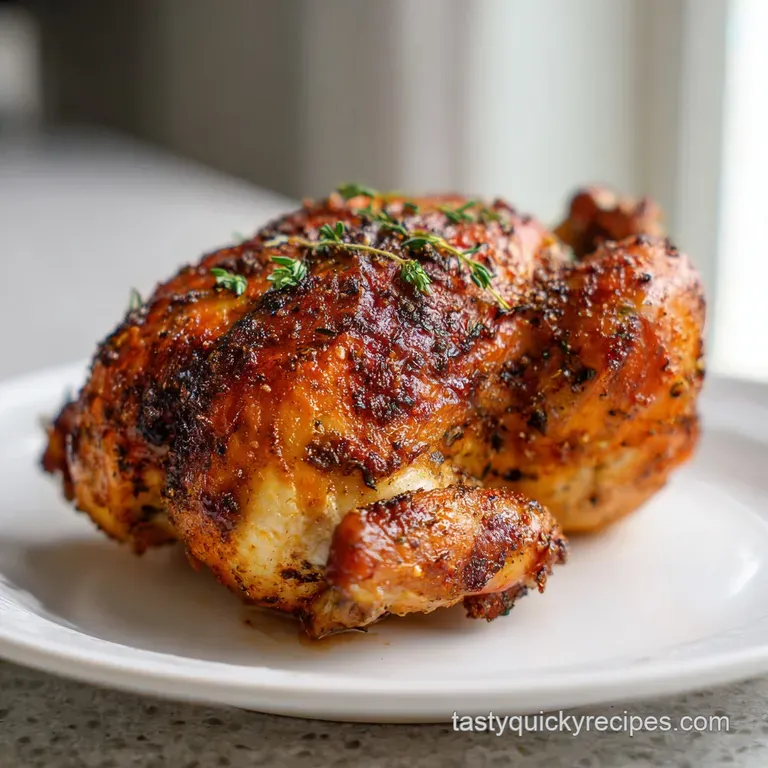
- Time: Active 20 minutes, Passive 1 hours 5 mins, Total 1 hours 25 minutes
- Flavor/Texture Hook: Shatter crisp skin with a velvety, herb infused interior
- Perfect for: Sunday family gatherings or effortless meal prep for the week
- Mastering the Golden Skin Roast Chicken Recipe
- Essential Techniques for Consistent Success
- Recipe Statistics for Perfect Timing
- Selecting Quality Ingredients for Deep Flavor
- Necessary Tools for Even Heat Distribution
- Executing the Multi Phase Cooking Process
- Resolving Typical Texture and Heat Issues
- Modifying Flavors for Regional Variations
- Safe Preservation and Waste Reduction
- Carving for Visual Appeal and Texture
- High in Sodium
- Roast Chicken Recipe FAQs
- 📝 Recipe Card
Mastering the Golden Skin Roast Chicken Recipe
That unmistakable sizzle hitting the bottom of a hot roasting pan is the soundtrack to my favorite kind of Sunday. I remember the first time I attempted this, I was so worried about the meat being dry that I basted it every ten minutes. Big mistake.
I ended up with soggy skin and a kitchen that smelled like a steam room. Since then, I’ve learned that the secret isn't hovering over the oven, it's all about the prep work you do before the heat even touches the bird.
When you pull this roast chicken recipe out of the oven, the aroma of toasted rosemary and garlic should fill every corner of your home. We’re aiming for skin so thin and brittle it snaps like parchment, protecting meat that is so tender it practically falls away from the bone.
It's about finding that balance between a over high heat blast and the gentle rendering of fat. Trust me, once you nail this rhythm, you’ll never go back to store-bought rotisserie again.
Essential Techniques for Consistent Success
Getting this right isn't magic, it's just basic kitchen logic. We want to maximize the "Maillard reaction" while keeping the cellular structure of the meat from tightening up and squeezing out its moisture.
- Surface Desiccation: Salt draws moisture to the surface of the skin, which then evaporates in the heat. This creates a dry exterior that can crisp up rather than steam.
- Thermal Mass Bedding: Placing the chicken on a bed of aromatics like onions and lemon creates a buffer. This prevents the bottom of the bird from boiling in its own juices.
- Compound Fat Barrier: The butter mixture acts as an insulator. It slows down the cooking of the breast meat while deeply seasoning the fibers from the outside in.
- Capillary Action Resting: Allowing the bird to sit after cooking lets the internal juices, which were pushed to the center by heat, redistribute back to the edges.
| Thickness | Internal Temp | Rest Time | Visual Cue |
|---|---|---|---|
| Small (1.5kg) | 165°F (74°C) | 10 minutes | Juices run clear when pierced |
| Medium (2.0kg) | 165°F (74°C) | 15 minutes | Drumstick moves easily in socket |
| Large (2.5kg) | 165°F (74°C) | 20 minutes | Skin is deep mahogany brown |
The Science of the Snap
The crunch you hear when you bite into the skin is actually the result of protein cross linking and water evaporation. By using 2 tbsp Kosher salt, we are effectively curing the skin for a brief moment, which breaks down the collagen and allows it to crisp into a wafer thin layer.
Chef Tip: For the most intense crunch, leave the chicken uncovered in the fridge for 4 hours before cooking. This "air drying" is the secret weapon of high end bistros.
Recipe Statistics for Perfect Timing
When you are juggling a busy schedule, knowing exactly how long your oven will be occupied is vital. This chicken recipe is designed to be efficient without sacrificing the depth of flavor you'd expect from a long, slow roast.
| Component | Science Role | Pro Secret |
|---|---|---|
| Kosher Salt | Moisture Extractor | Rub it under the skin, not just on top, for better seasoning. |
| Unsalted Butter | Heat Conductor | Use high-quality butter with low water content to prevent steaming. |
| Lemon Zest | Acid Brightener | The oils in the zest cut through the heavy fat for a balanced palate. |
| Bone Broth | Steam Generator | Provides a humid environment in the pan to keep the dark meat juicy. |
The 120ml chicken bone broth in the bottom of the pan isn't just for flavor. As it heats, it creates a small amount of flavored steam that keeps the legs and thighs succulent while the dry heat of the oven works on the breast skin. If you have some extra time, you can even use a homemade Chicken Stock recipe to give the pan drippings an even richer body.
Selecting Quality Ingredients for Deep Flavor
I always say a dish is only as good as its weakest link. For an easy roast chicken recipe, the quality of the bird itself is the headline act. Look for air chilled poultry if you can find it; it has less water weight, meaning it will brown much faster.
- 1 whole roasting chicken (2kg): Why this? The fat to meat ratio in a 2kg bird is ideal for even rendering.
- Substitute: 2kg of bone in, skin on thighs (reduce cook time to 40 mins).
- 115g unsalted butter: Why this? Provides the fat needed to crisp the skin while carrying herb flavors.
- Substitute: Ghee or duck fat for a higher smoke point and richer taste.
- 3 cloves garlic, minced: Why this? Infuses the butter with pungent, savory notes that mellow as they roast.
- Substitute: 1 tsp garlic powder if you're in a massive rush.
- 1 large yellow onion: Why this? Acts as a natural roasting rack and sweetens the pan juices.
- Substitute: Shallots or leeks for a more delicate, onion forward aroma.
- 1 tbsp fresh thyme & rosemary: Why this? These "hard" herbs hold up to high heat without burning.
- Substitute: 1 tsp each of dried herbs, though the flavor will be less vibrant.
Necessary Tools for Even Heat Distribution
You don't need a kitchen full of gadgets, but a few specific items will make your life much easier. I've made this in everything from a cheap foil pan to a heavy cast iron skillet, and the vessel definitely changes the outcome.
- Roasting Pan or Large Cast Iron Skillet: You want something that holds heat. A Lodge cast iron skillet is my go to because it creates a incredible sizzle on the bottom of the bird.
- Kitchen Twine: Essential for trussing. If the legs are flopping around, they’ll cook too fast and the breast will stay raw.
- Instant Read Meat Thermometer: Don't guess. A Thermapen or similar digital probe is the only way to ensure 165°F (74°C) without overcooking.
- Small Mixing Bowl: For mashing that herb butter together.
If you don't have a roasting rack, don't sweat it. That quartered yellow onion and the halved lemon from the ingredient list serve as a "living rack" that keeps the chicken elevated. This allows hot air to circulate underneath, which is the key to preventing a soggy bottom.
Executing the Multi Phase Cooking Process
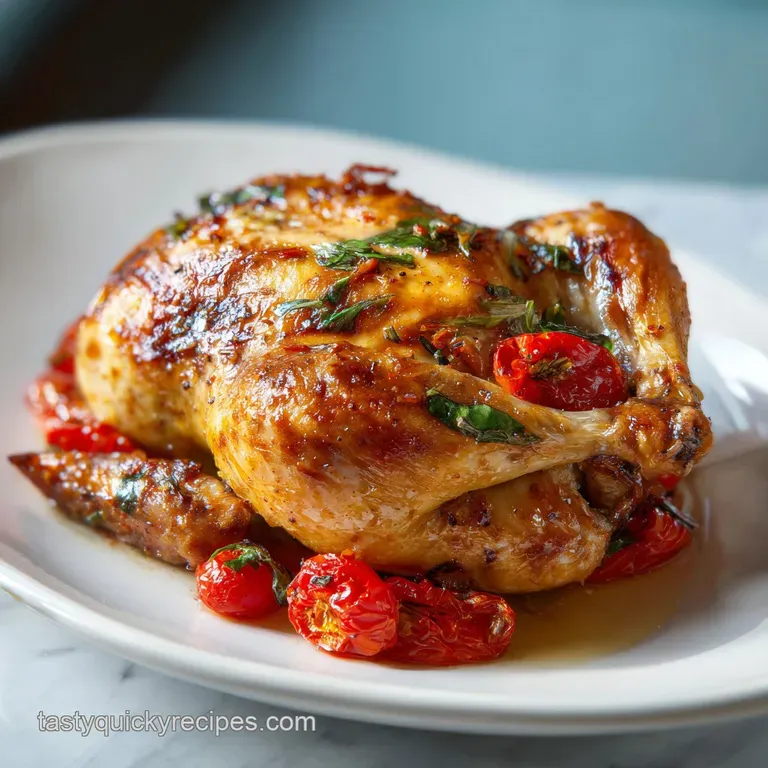
Let's get into the flow. The goal is a steady progression from prep to the final, resting bird. Don't rush the buttering phase; it’s where the magic happens.
Phase 1: The Dry Prep
Pat the 2kg chicken completely dry with paper towels inside and out. Note: Any surface moisture will turn to steam, preventing that shatter-crisp skin we want. Season the cavity and the skin generously with 2 tbsp Kosher salt and 1 tsp black pepper.
Phase 2: The Flavor Infusion
In a bowl, combine the 115g softened butter, minced garlic, 1 tbsp thyme, 1 tbsp rosemary, and 1 tsp lemon zest. Using your fingers, gently loosen the skin over the breasts and thighs. Stuff about two thirds of the butter mixture directly under the skin, spreading it as evenly as possible.
Rub the remaining butter all over the outside.
Phase 3: The over High heat Blast
Preheat your oven to 425°F (220°C). Place the quartered onion, halved lemon, and halved garlic head in the center of your roasting pan. Pour the 120ml chicken bone broth around the aromatics. Set the chicken on top, breast side up.
Phase 4: The Roasting Flow
Slide the pan into the oven. Roast for 1 hour 5 mins. Note: Check at the 45 minute mark; if the skin is browning too quickly, tent a piece of foil loosely over the breast.
Roast until the skin is deep gold and the internal temp hits 165°F (74°C).
Phase 5: The Finishing Touch
Carefully move the bird to a warm platter. Let it rest for at least 15 minutes before carving. This is non negotiable! If you cut it now, all that velvety juice will end up on the board instead of in the meat. While it rests, you can strain the pan drippings to make a quick gravy.
Chef Tip: If you want to try a different profile next time, my Baked Chicken Recipe uses a similar herb profile but works with individual pieces for a faster weeknight meal.
Resolving Typical Texture and Heat Issues
Even the best cooks run into hiccups. Usually, it comes down to temperature control or moisture management. If your bird looks pale but the timer is up, your oven might be running cool.
To Fix Pale, Soggy Skin
This usually happens because the oven wasn't hot enough or the bird was too wet. If you're near the end of the cook time and it's looking ghostly, crank the heat to 450°F (230°C) for the last 5-10 minutes. Watch it like a hawk so it doesn't burn!
| Problem | Root Cause | Solution |
|---|---|---|
| Dry Breast Meat | Overcooked or untrussed | Pull at 160°F; it will rise to 165°F while resting. |
| Smokey Kitchen | Fat hitting a dry pan | Ensure there is broth or water in the bottom of the pan at all times. |
| Tough Skin | Lack of salt or fat | Ensure you rub the butter under the skin to render the fat properly. |
Common Mistakes Checklist
- ✓ Forgetting to take the chicken out of the fridge 30 minutes early (cold meat cooks unevenly).
- ✓ Basting the bird during roasting (this softens the skin you worked so hard to crisp).
- ✓ Crowding the pan with too many vegetables (this creates too much steam).
- ✓ Carving immediately without resting (guarantees dry meat).
- ✓ Using a dull knife (this will tear the skin rather than slicing through it).
Modifying Flavors for Regional Variations
One of the reasons I love a simple roast chicken recipe is how easily it adapts to what you have in the pantry. You can take this basic structure and travel around the world with just a few spice swaps.
- Mediterranean: Swap the butter for olive oil and add 1 tbsp of dried oregano and a handful of Kalamata olives to the pan.
- Spiced Citrus: Use lime zest instead of lemon and add 1 tsp of smoked paprika and a pinch of cumin to the butter mixture.
- The Air Fryer Twist: If you are using a roast chicken recipe air fryer method, use a smaller 1.5kg bird. Cook at 360°F (180°C) for about 50 minutes, flipping halfway through. It produces an incredibly even sizzle and crunch.
- Quick Roast Chicken Pieces Recipe: If you only have 30 minutes, use the same herb butter on 1kg of drumsticks and thighs. Roast at 400°F (200°C) until crispy.
Scaling for the Crowd
When you're cooking for a big group, it's tempting to just buy a massive 4kg turkey sized chicken. Don't do it. Two smaller birds will always cook more evenly than one giant one.
- To Double (2 Birds): Use two separate roasting pans if possible. If sharing a pan, ensure they aren't touching. Increase the salt and spices by 1.5x, but keep the broth the same (120ml per pan).
- To Halve: Use a 1kg Cornish hen. Reduce the butter mixture by half and check for doneness at 35 minutes.
Safe Preservation and Waste Reduction
Never, ever throw away the carcass. That's liquid gold sitting right there. Once you've carved off the meat, put the bones in a bag and toss them in the freezer.
Storage Guidelines:Fridge: Keep leftover meat in an airtight container for up to 4 days. It’s better to store it in large chunks rather than pre sliced to keep it from drying out. Freezer: Shredded chicken stays fresh for 3 months. It’s perfect for adding to a quick Chicken Divan Recipe on a Tuesday night.
Zero Waste Tip: The schmaltz (rendered chicken fat) left in the pan is incredibly flavorful. Strain it into a glass jar and keep it in the fridge. Use it the next day to fry eggs or roast potatoes it has a much higher flavor profile than standard vegetable oil.
Carving for Visual Appeal and Texture
The way you cut the bird is just as important as how you cook it. A jagged, mangled breast looks unappealing and loses heat quickly.
- Remove the Legs: Pull the leg away from the body and slice through the skin and joint. It should pop right out if the bird is cooked properly.
- Separate the Wings: Aim for the joint where the wing meets the breast.
- Slice the Breast: Find the breastbone (the center line) and slice down one side, keeping the knife as close to the bone as possible. Then, slice the breast meat crosswise into thick medallions.
Debunking Kitchen Tales
One big myth is that searing the meat "seals in the juices." Science tells us this isn't true; moisture is lost through heat regardless of a sear. The real reason we want that over high heat start is for the flavor packed crust created by the Maillard reaction. Another one?
"Pricking the skin to let fat out." Don't do it! You're just creating holes for the internal juices to escape, which leads to a dry bird. Let the heat do the rendering naturally.
Right then, you’ve got the plan. Grab your bird, soften that butter, and get ready for the best Sunday dinner you've had in ages. Let me know how that first shatter of the skin turns out!
High in Sodium
845 mg mg of sodium per serving (37% % of daily value)
The American Heart Association recommends limiting sodium intake to about 2,300mg per day.
Tips to Reduce Sodium in Your Roasted Chicken
-
Low-Sodium Broth-30%
Swap regular chicken bone broth for a low-sodium or no-salt added version. This simple change can significantly reduce the overall sodium content.
-
Reduce Kosher Salt-25%
Reduce the amount of Kosher salt used from 2 tablespoons to 1.5 tablespoons. You can always add more salt to taste after cooking, but it's much harder to remove it.
-
Salt Free Seasoning-10%
Enhance the flavor with more fresh thyme, rosemary, lemon zest, and cracked black pepper. These additions will boost the taste without adding extra sodium.
-
Skip the Salt Bath-5%
While a salt bath, or brine, can improve flavor, skip it to significantly reduce sodium. This recipe relies more on surface seasoning and flavor injections of butter.
-
Flavorful Herbs & Spices
Experiment with various herbs and spices to enhance flavor profiles naturally. Garlic powder, onion powder, smoked paprika, or other blends can add depth without increasing sodium content.
Roast Chicken Recipe FAQs
Is it better to roast chicken at 350 or 400?
400°F (200°C) is generally better for crisp skin. Starting hotter promotes rapid surface dehydration and browning, which is key for the coveted shatter crisp texture. You can reduce the temperature slightly after the initial 20 minutes if needed for extremely large birds.
What is the secret to a moist roast chicken?
Resting the chicken for 15-20 minutes post roast is the main secret. This allows the internal moisture, which is pushed toward the center during cooking, to redistribute evenly throughout the meat fibers.
How to make the best roast chicken?
Salt the skin generously and allow it to air dry in the refrigerator uncovered for 4 hours prior to cooking. This process, called desiccation, is crucial for achieving crispy skin while retaining internal moisture.
How long does it take to cook a roast chicken?
A standard 2kg chicken takes approximately 1 hour and 5 minutes at 425°F (220°C). Always confirm doneness using a thermometer; the meat must register 165°F (74°C) in the thickest part of the thigh without touching bone.
Do I need to baste the chicken while it roasts?
No, avoid basting after the initial butter application. Basting adds moisture to the skin surface, which forces the skin to steam instead of crisping up properly in the dry oven heat.
Should I leave the chicken on the bone or carve it first?
Always roast the chicken whole on the bone. The bones act as natural insulators, helping the dark meat cook evenly without drying out the breasts.
Is it true I must use a roasting rack for the best results?
No, this is a common misconception. You can use a bed of large vegetables, like the onions and lemons listed in this recipe, to lift the bird off the pan floor and achieve the same air circulation.
Crispy Roast Chicken Recipe
Ingredients:
Instructions:
Nutrition Facts:
| Calories | 538 kcal |
|---|---|
| Protein | 43.1 g |
| Fat | 38.2 g |
| Carbs | 4.9 g |
| Fiber | 1.1 g |
| Sugar | 1.4 g |
| Sodium | 845 mg |
