The Crispiest Copycat Claussen Dill Pickle Recipe
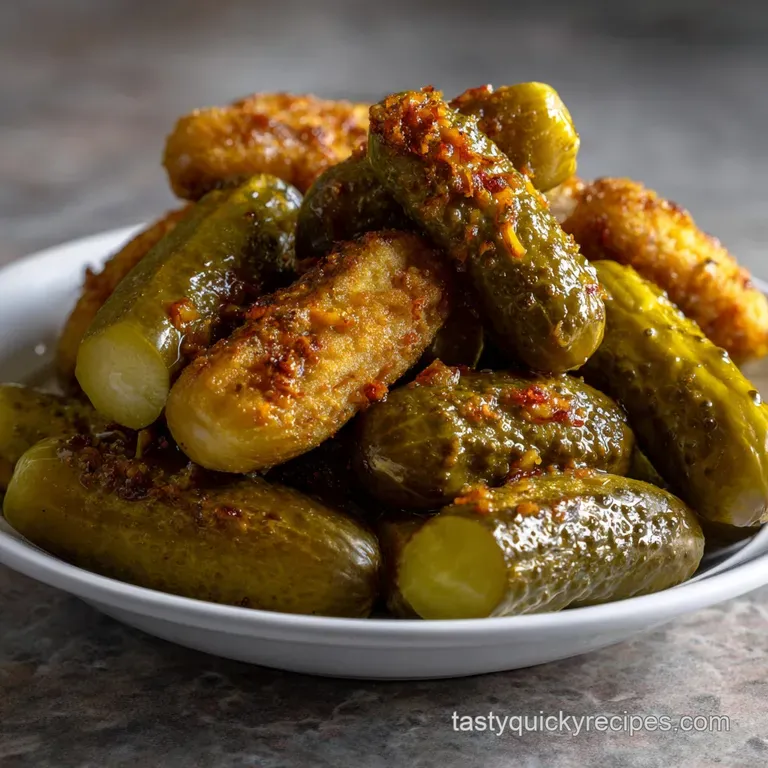
- The Crispiest Copycat Claussen Dill Pickle Recipe: Getting That Legendary Crunch at Home
- The Science Behind Claussen's Legendary Crunch
- The Crispiest Copycat Claussen Dill Pickle Recipe Overview
- Essential Ingredients and Smart Substitutions for the Brine
- Step-by-Step Guide to Making Claussen Dill Pickles at Home
- Troubleshooting and Pro Tips for the Best Dill Pickles
- Storage Guidelines and Shelf Life of Refrigerator Dills
- Serving Suggestions and Creative Ways to Use the Brine
- Nutrition Information
- Recipe FAQs
- 📝 Recipe Card
The Crispiest Copycat Claussen Dill Pickle Recipe: Getting That Legendary Crunch at Home
If you’ve ever had a fresh, straight from-the-fridge Claussen pickle, you know that crunch . It’s that sound the satisfying, shattering snap that lets you know you are eating the perfect cucumber.
I used to burn through jars of Claussen dill pickles every week, and honestly, the grocery bills were getting ridiculous. That’s when I started testing how to capture that specific, iconic flavor the bold garlic, the perfect salty sour balance, and most importantly, the incredible crispness right in my kitchen.
Good news: I cracked the code. This claussen dill pickle recipe skips the heavy, heat processed canning step, which is the secret to their famous crispness.
If you’ve been looking for the best claussen dill pickle recipe that takes just 20 minutes of active time, stop scrolling. This is the easy claussen dill pickle recipe you’ve been waiting for.
The Science Behind Claussen's Legendary Crunch
You don't need a lab coat, but understanding the why behind this dill pickle recipe helps guarantee success.
What Makes Claussen Pickles Unique?
Claussen pickles are refrigerator pickles . Unlike shelf stable pickles, they are never blasted with high heat during processing. That heat used for traditional canning causes the pectin in the cucumber cell walls to break down. When pectin breaks, the pickle turns mushy.
Since we skip the heat, the cucumber’s structure stays intact, resulting in that legendary, jaw-achingly crisp texture.
The Role of Salt and Brine Concentration
We use a high concentration of Kosher salt in this claussen dill pickle brine recipe . Salt does two critical things: it inhibits bad bacteria from growing, and it starts the slow, mild lacto fermentation process.
Even though this isn't a long fermented pickle, the salt draws moisture out of the cucumber (osmosis), concentrating the flavor and firming up the texture further.
Why We Use Vinegar (Acidity and Flavor)
While true Claussen pickles rely heavily on cold fermentation, adding white distilled vinegar gives us that immediate, bright sourness and acidity that is key to the overall flavor profile.
The low pH environment (acidity) is also a critical preservation step, helping keep your claussen kosher dill pickle recipe safe in the fridge for months.
The Importance of Keeping Pickles Cold
These are not shelf stable! The 10 minutes of "cook time" is simply boiling the brine ingredients to dissolve the salt and sugar. After that, we cool it fast and get those pickles into the refrigerator immediately.
Maintaining a cold temperature slows down the fermentation process, resulting in the desired half sour, ultra crisp profile associated with the best claussen dill pickle recipe .
The Crispiest Copycat Claussen Dill Pickle Recipe Overview
| Benchmark Data Point | Value |
|---|---|
| Active Prep Time | 20 minutes |
| Brine Cook Time | 10 minutes |
| Total Active Time | 30 minutes |
| Yield | 16 servings |
Essential Ingredients and Smart Substitutions for the Brine
When making your homemade claussen dill pickle recipe , the ingredients must be high-quality. Skip the iodized salt it will make your brine cloudy!
| The Essential Ingredient | The Best Swap | Scientific Function |
|---|---|---|
| Kirby or Persian Cucumbers | Small English or Pickling Cucumbers | Provides maximum surface area and structural integrity for crispness. Trade Off: English cues are less bumpy and may soften faster. |
| Kosher Salt (Non-Iodized) | Pickling Salt | Controls fermentation and inhibits harmful bacteria. Note: Never use iodized salt; it turns the brine murky. |
| White Distilled Vinegar (5% Acidity) | Apple Cider Vinegar | Provides immediate, necessary acidity (lowering pH). Trade Off: ACV adds a subtle, fruity undertone that slightly changes the classic Claussen profile. |
| Fresh Dill (Heads and Sprigs) | Dried Dill Weed (use 1/3 the amount) | Primary flavor component. Provides the quintessential "dill" flavor. Note: Fresh dill flavor is far superior; dried is much weaker and more muted. |
| Granulated Sugar | Stevia or Monk Fruit (to taste) | Balances the aggressive acidity and saltiness. |
step-by-step Guide to Making Claussen Dill Pickles at Home
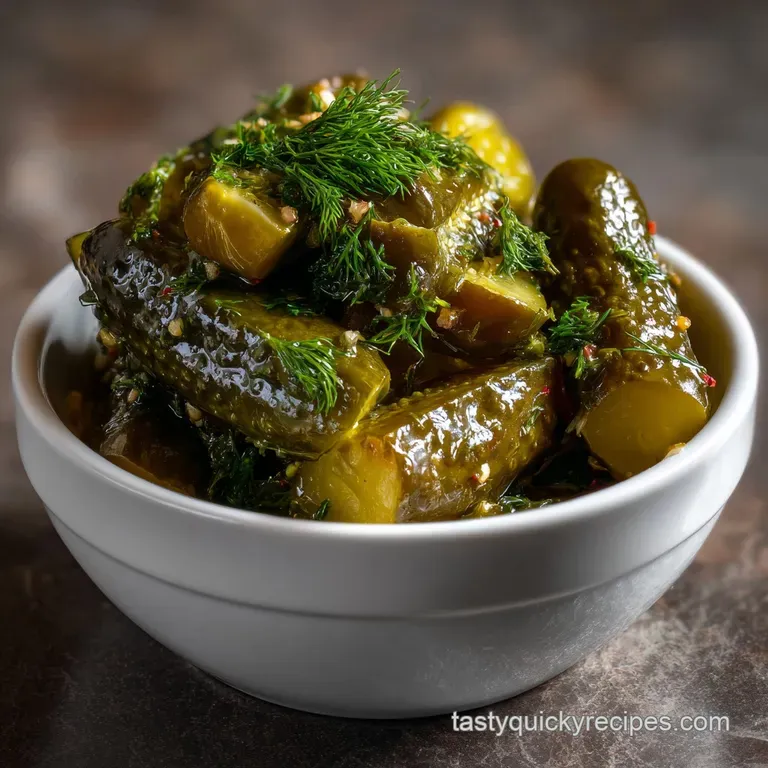
This quick, 30 minute active process focuses purely on building the flavor base and chilling the finished product.
Step 1: Preparing the Cucumbers and Jars ( 5 minutes)
Wash your cucumbers thoroughly. For the best snap, trim off the blossom end (the small, rougher end opposite the stem) by about 1/8 inch. This tiny step prevents an enzyme found there from migrating and making your pickles soft! Slice the cucumbers into spears or chips, depending on preference.
Sterilize two large quart jars (or equivalent). In the base of each jar, place 3 smashed cloves of garlic, 1 teaspoon of mustard seeds, and 1 whole head of fresh dill.
Step 2: Creating the Flavorful Brine Solution ( 10 minutes)
In a large saucepan, combine 6 cups of water, your Kosher salt, and the granulated sugar. Bring this mixture to a rolling boil over high heat (this is your 10 minutes of Cook Time ). Stir until the salt and sugar are completely dissolved.
Remove the pot from the heat and immediately pour in the white distilled vinegar. This ensures the vinegar's punchy acidity doesn't cook off. Let the brine cool for about 10 minutes it doesn’t need to be stone cold, just not boiling hot when it hits the cucumbers.
Step 3: Packing the Jars for Maximum Flavor Infusion ( 15 minutes)
Tightly pack the prepared cucumbers into the jars. The tighter, the better like tucking your kids into bed but don't smash them! Pour the warm brine mixture over the cucumbers until they are fully submerged. If you are short on brine, top off the last bit with cold water.
Seal the jars tightly with the lids.
Step 4: Chilling Time: Achieving Optimal Flavor and Crunch
This step is critical for your homemade claussen dill pickle recipe . Place the jars in the coldest part of your refrigerator.
- 24 Hours: They will be "half sour," still very green, but slightly crisp. Great for snacking!
- 72 Hours: The ideal time. The flavors have deeply penetrated the cucumbers, and the crunch factor is at its peak. This is when they truly taste like a copycat claussen dill pickle recipe .
Serve these alongside a hearty meal, maybe even my super simple Carnivore Chicken Recipe: Ultimate Crispy Skin in 40 Mins for an unbeatable combination.
Troubleshooting and Pro Tips for the Best Dill Pickles
| Common Mistake | Root Cause | The Fix |
|---|---|---|
| Mushy Pickles | Cucumber selection or residual blossom end enzyme. | 1. Trim the tip: Always remove the blossom end. 2. Ice Bath: Soak cucumbers in an ice water bath for 30 minutes before brining to shock them and firm up the cell walls. |
| Weak Flavor/Too Salty | Brine dilution or insufficient chill time. | The claussen garlic dill pickle recipe flavor needs time to develop. Wait a full 72 hours before assessing flavor. If weak, add more fresh dill or crushed garlic cloves and reseal. |
| Cloudy Brine | Using iodized table salt or contaminated jars. | Use only pickling or Kosher salt. If the cloudiness increases rapidly and smells foul after a week, toss the batch it may be bad bacteria. Slight cloudiness after a few weeks is normal fermentation. |
The Secret Ingredient to Prevent Mushy Pickles
Want an extra guarantee? Add 1/2 teaspoon of grape leaves or two large oak leaves to the bottom of the jar. These leaves contain tannins, which naturally inhibit the pectinase enzyme responsible for softening the pickles. No more soft spots!
Storage Guidelines and Shelf Life of Refrigerator Dills
Because we skip the canning process, these are claussen refrigerator dill pickle recipe pickles only. They must be stored cold.
Best Practices for Long Term Refrigeration
Sealed, cold refrigerator pickles will last easily for 3 to 4 months in the back of your fridge, maintaining excellent crunch and flavor. Always use clean tongs or a fork to remove the pickles to avoid introducing bacteria that could shorten their shelf life.
Why You Should Never Freeze Homemade Pickles
Do not attempt to freeze these pickles. Water expands when frozen. This process will rupture the delicate cell walls of the cucumber, turning your beautifully crisp pickles into a sad, watery, flabby mess upon thawing. Keep them chilled, but never frozen!
Serving Suggestions and Creative Ways to Use the Brine
This snappy dill pickle recipe is essential for any cookout or sandwich bar. They are fantastic served alongside savory snacks like my Butter Toffee Pretzels Recipe: The Best No-Corn Syrup Snack for a sweet and salty contrast.
Uses for Leftover Pickling Brine
Don't dump that liquid! Leftover pickle juice is gold. Use the potent claussen dill pickle brine recipe to:
- Marinate: Use it as a marinade base for chicken or pork (it tenderizes beautifully).
- Brine Veggies: Pour it over hard boiled eggs or chopped onions and return them to the fridge for a quick pickled side. It works great instead of making a fresh brine for a quick side, like these Canned Green Bean Recipe: 10 Minute Bacon Onion Side when you want that extra tang.
Making Half Sour Pickles from This Basic Claussen Dill Pickle Recipe
The recipe as written produces a full flavored garlic dill. If you want a milder, more authentic half sour flavor where the pickle is still very green and barely acidified simply reduce the amount of vinegar by half a cup and let the jar sit out on the counter at cool room temperature for 12 hours before refrigerating.
This encourages a slightly longer initial natural fermentation, resulting in a true half sour experience from this incredible claussen dill pickle recipe .
Nutrition Information
| Nutrient | Amount |
|---|---|
| Calories | 23 kcal |
| Protein | 1.0 g |
| Fat | 0.1 g |
| Carbs | 4.8 g |
| Fiber | 1.7 g |
| Sugar | 3.5 g |
| Sodium | 501 mg |
Recipe FAQs
How to make Claussen dill pickles?
The key to replicating Claussen pickles lies in maintaining maximum freshness, as they are never heat processed; this means you must use very fresh cucumbers and store the finished pickles strictly in the refrigerator immediately after brining.
The process centers around a simple, cold saltwater brine infused with dill, garlic, and pickling spices to allow fermentation or acidification without cooking the vegetables.
How to make Claussen dill pickles at home?
Yes, you can absolutely make them at home using crisp cucumbers like Kirby or small Persian varieties that hold up well in a cold brine environment. The process involves packing cucumbers tightly into jars with dill and garlic, then pouring a cold, heavily salted vinegar water solution over them before sealing and refrigerating them right away.
How to make Claussen Kosher dill pickles?
To achieve that classic Kosher dill flavor profile characteristic of Claussen, you must generously use whole heads of fresh or dried dill along with substantial amounts of raw garlic cloves in the jar. This recipe relies on maintaining that crisp snap, which pairs wonderfully with hearty mains like our Rib Roast Recipe: The Ultimate Herb Crusted Prime Rib.
How to make dill pickles like Claussen pickles?
The defining difference between Claussen and shelf stable pickles is that Claussen pickles are never canned or pasteurized, which preserves their signature crunch; therefore, your recipe must be a refrigerator pickle recipe kept under 40°F (4°C). If you are looking for crunchy side dishes to serve alongside these, consider our Yorkshire Pudding: Ultra Crisp High Rising Recipe for contrast.
What is the secret ingredient for Claussen pickle crunch?
The secret ingredient isn't necessarily a specific spice, but rather the extreme cold temperature and the avoidance of heat processing, which breaks down pectin in the cucumber skin.
Always start with the freshest, firmest cucumbers possible and ensure your brine is ice-cold before pouring it over the vegetables to maximize that shattering texture.
How long do homemade Claussen style pickles last in the fridge?
Since these are refrigerator pickles and lack preservative heat treatment, they generally last about 6 to 8 weeks in the refrigerator when kept fully submerged in the brine. It is important to check for signs of spoilage, such as cloudiness or off-odors, before consuming after this period.
Crispy Copycat Claussen Pickle Recipe
Ingredients:
Instructions:
Nutrition Facts:
| Calories | 23 kcal |
|---|---|
| Protein | 1.0 g |
| Fat | 0.1 g |
| Carbs | 4.8 g |
| Fiber | 1.7 g |
| Sugar | 3.5 g |
| Sodium | 501 mg |
