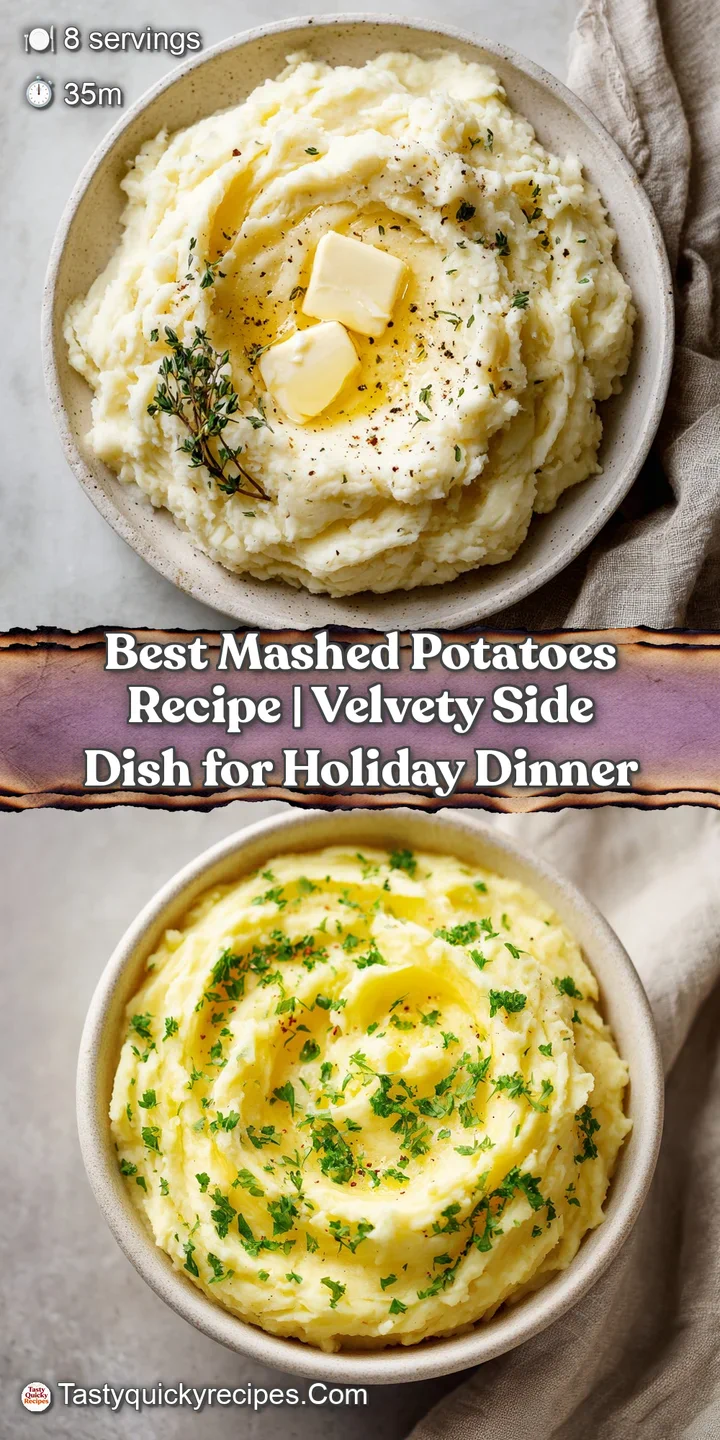
The Perfect Creamy Mashed Potatoes Recipe
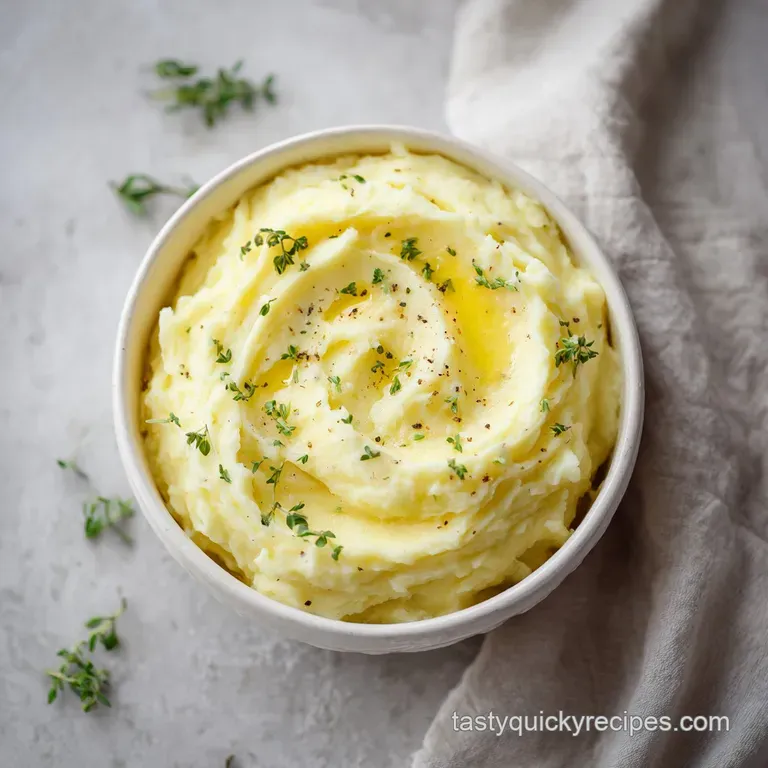
- Time: Active 15 minutes, Passive 20 minutes, Total 35 minutes
- Flavor/Texture Hook: Velvety, buttery, and cloud like
- Perfect for: Filling midday meals or meal prep enthusiasts
- Science Behind the Silky Texture
- Essential Specs for Busy Cooks
- Deep Dive Into Key Components
- Minimal Equipment for Better Results
- Bringing the Velvety Mash Together
- Solving Common Lumps and Bumps
- Customizing Your Midday Side Dish
- Fresh Storage and Leftover Ideas
- Hearty Pairings for Midday
- Kitchen Truths Debunked
- Recipe FAQs
- 📝 Recipe Card
Science Behind the Silky Texture
The Starch Hybrid Strategy: Russets provide a light, flaky structure while Yukons offer a silky, buttery foundation. This blend prevents the mash from becoming either too grainy or too heavy.
Starch Gelatinization Control: Starting potatoes in cold water ensures the outside doesn't soften and dissolve before the center cooks. This leads to uniform texture and prevents that dreaded "gluey" mouthfeel.
Fat First Barrier: Adding butter before the liquid coats the starch molecules. This physical barrier prevents the heavy cream from over hydrating the starch, keeping the mash light instead of dense.
| Potato Cube Size | Boiling Time | Texture Check | Visual Cue |
|---|---|---|---|
| 1/2 inch | 12 minutes | Soft | Crumbles when touched |
| 1 inch | 20 minutes | Tender | Slides off a fork easily |
| 2 inches | 30 minutes | Dense | Edge translucent, center firm |
Using uniform 1 inch cubes is the sweet spot for this mashed potatoes recipe. It ensures every piece finishes at the exact same second, so you aren't left with half raw lumps or a watery puree. If you're looking for something with even more mix ins, you might enjoy this Loaded Mashed Potatoes recipe.
Essential Specs for Busy Cooks
To keep this process efficient, we’re focusing on the core ratios that guarantee a hearty result every time. Since we want a meal that keeps us energized without a heavy afternoon slump, the addition of sour cream provides a tangy brightness that cuts through the richness of the butter.
| Component | Role in Dish | Pro Secret |
|---|---|---|
| Russet Potatoes | Fluffy structure | Peel thoroughly to avoid bitter skins |
| Yukon Gold | Buttery richness | Provides the naturally yellow, creamy hue |
| Heavy Cream | Silky mouthfeel | Warm it first to keep the starch relaxed |
| Sour Cream | Tangy balance | Adds moisture without making it runny |
Deep Dive Into Key Components
To make this mashed potatoes recipe truly stand out, the quality of your fats matters just as much as the potatoes.
- 2 lbs Russet Potatoes: High starch content for volume. Why this? They absorb butter better than any other variety.
- 2 lbs Yukon Gold Potatoes: Medium starch for a waxy, velvety finish. Why this? They provide a natural "buttery" flavor even before adding fat.
- 1/2 cup Unsalted Butter: Cubed and room temperature. Why this? Unsalted allows you to control the final seasoning perfectly.
- 1 cup Heavy Cream: The primary liquid for a luxurious texture. Why this? Higher fat content prevents the potatoes from becoming watery.
- 1/2 cup Sour Cream: For that signature "old fashioned" tang. Why this? It acts as an emulsifier for a smoother finish.
- Sea Salt & Black Pepper: Essential for waking up the earthy potato notes.
Chef's Tip: After draining your potatoes, put them back in the hot pot over low heat for 2 minutes. Shake the pot gently; this "steam dries" them, ensuring they absorb the cream instead of leftover water.
Minimal Equipment for Better Results
You don't need a pantry full of gadgets to master this. In fact, over processing is the enemy of a good potatoes recipe. A simple hand masher or even a large fork can work if you’re patient. The goal is to break the cells just enough to release the starch without turning them into a sticky paste.
For the best results, I recommend a heavy bottomed pot. It holds heat better, which is vital when you're folding in your room temperature butter. If you're planning for a larger crowd later in the week, check out this make-ahead Mashed recipe for some great time saving tips.
Bringing the Velvety Mash Together
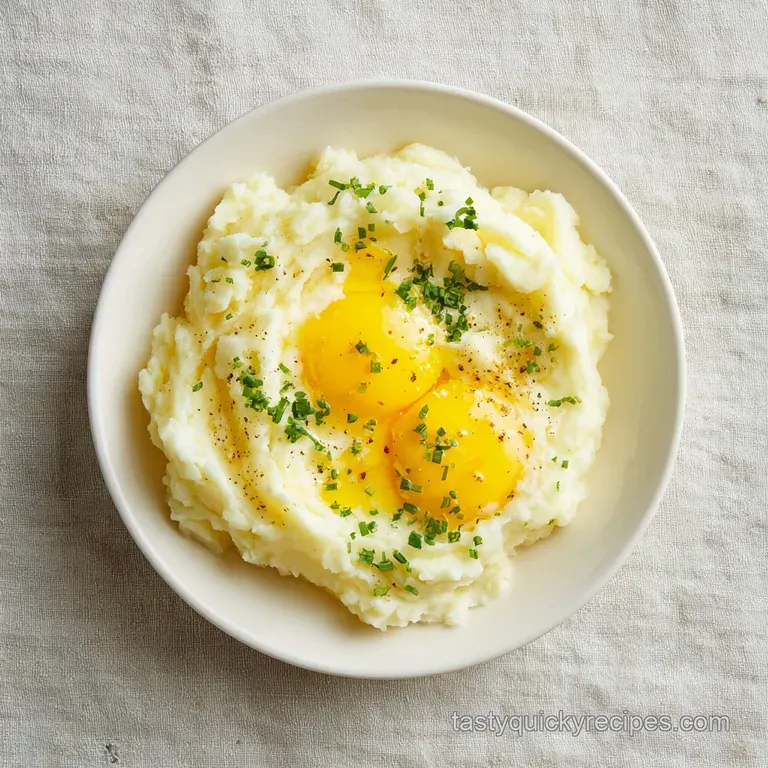
- Prep potatoes. Peel and cube both 2 lbs Russet and 2 lbs Yukon Gold into 1 inch pieces. Note: Uniform size is the only way to ensure even cooking.
- Cold start. Place cubes in a large pot and cover with cold water by at least an inch.
- Season water. Add 1 tbsp sea salt to the water until it tastes like the sea.
- Boil and simmer. Bring to a boil, then reduce to a simmer for 20 minutes until a fork slides in with zero resistance.
- Drain and dry. Drain thoroughly, then return potatoes to the hot pot for 2 minutes until the surface looks matte and dry.
- Butter first. Add 1/2 cup cubed butter until it is mostly melted and coating the chunks.
- Mash gently. Use a hand masher to break down the chunks until no large lumps remain.
- Warm liquids. Slowly pour in 1 cup warmed heavy cream while continuing to mash.
- Fold in cream. Stir in 1/2 cup sour cream until the texture is silky and consistent.
- Final season. Add fine sea salt and cracked black pepper to taste.
Solving Common Lumps and Bumps
Why Your Mash Is Gluey
If you use a food processor or over work the potatoes, the starch cells rupture and turn into a sticky, gummy paste. Always mash by hand or use a ricer for the most delicate results. Once the liquid is incorporated, stop mixing immediately to preserve that cloud like feel.
Why Your Mash Is Watery
Usually, this happens because the potatoes weren't drained well enough or they were over boiled until they started falling apart in the water. That "steam dry" step in the instructions is your insurance policy against a soggy side dish.
| Problem | Root Cause | Solution |
|---|---|---|
| Gummy texture | Excessive mixing | Fold by hand; avoid electric mixers |
| Lumpy finish | Uneven cube sizes | Cut all pieces to exactly 1 inch |
| Bland taste | Lack of salt early | Salt the boiling water generously |
Common Mistakes Checklist
- ✓ Never start potatoes in boiling water; it cooks the outside too fast.
- ✓ Always warm your cream; cold liquid shocks the starch and causes lumps.
- ✓ Don't skip the sour cream; it provides the acidity needed to balance the fat.
- ✓ Avoid low-fat milk; the lack of fat leads to a thin, watery consistency.
Customizing Your Midday Side Dish
If you want to scale this down for a solo lunch, you can easily halve the recipe. Use a smaller saucepan and reduce the simmering time by about 5 minutes, as smaller volumes of water heat up faster.
For a half batch, beat one egg and use half of it if you’re making a shepherd’s pie topping, or just stick to the ratios for a standard mash.
When scaling up for a big group, keep the salt and pepper to about 1.5x the original amount rather than doubling it immediately you can always add more at the end. I find that when I double this this recipe, I need to work in two batches for the mashing phase to ensure I don't miss any lumps at the bottom of a deep pot.
| Original Ingredient | Substitute | Why It Works |
|---|---|---|
| Heavy Cream | Whole Milk + 1 tbsp Butter | Maintains fat content. Note: Slightly less velvety. |
| Sour Cream | Greek Yogurt (Full Fat) | Similar tang and thickness. |
| Sea Salt | Kosher Salt | Clean salt flavor. Note: Use 1.5x the volume for Kosher. |
Fresh Storage and Leftover Ideas
Storage: Keep leftovers in an airtight container in the fridge for up to 4 days. When reheating, add a tablespoon of milk or cream to restore that silky texture, as potatoes tend to tighten up when cold.
Freezing: You can freeze these for up to 2 months! The high fat content from the butter and sour cream actually helps them hold their structure during the thaw. Thaw in the fridge overnight before reheating on the stovetop.
Zero Waste: Never toss the potato peels. Toss them with a little oil and salt, then air fry them at 400°F (200°C) for 10 minutes. They make a crispy, shatter worthy snack that’s full of fiber. You can also use leftover mash as a thickener for a Chicken Pot Pie recipe to give the sauce extra body.
Hearty Pairings for Midday
To keep your energy levels steady, pair this mashed potatoes recipe with a high-quality protein. A simple seared chicken breast or a lean roast works beautifully. The combination of complex carbs from the Russets and the healthy fats from the Yukon Golds makes this a very satisfying base for any meal.
- Searing Meat: The crust of a steak or chop provides a fantastic texture contrast to the velvety mash.
- Roasted Veggies: Brussels sprouts or carrots add a much needed crunch and sweetness.
- Gravy: If you have pan drippings, a quick roux based gravy is the ultimate companion for these potatoes.
Kitchen Truths Debunked
Myth: You must peel potatoes before boiling for the smoothest mash. Truth: While this recipe calls for peeling, boiling them with the skins on can actually preserve more flavor. However, peeling first allows for better starch release and a more uniform color.
Myth: Adding more milk makes them creamier. Truth: Fat makes them creamy; milk makes them runny. If you want a richer mouthfeel, reach for more butter or heavy cream rather than just increasing the volume of thin liquids.
Myth: A food processor is a time saver for large batches. Truth: It is a recipe for disaster. The high speed blades tear the starch molecules apart, resulting in a texture closer to wallpaper paste than food. Stick to the hand masher for that perfect, airy crumble.
Recipe FAQs
What is the secret to really good mashed potatoes?
Using a dual potato strategy is the secret. Mixing fluffy Russets with silky Yukon Golds ensures the perfect balance of texture and natural buttery flavor.
How to make the best mashed potatoes?
Add butter directly to the hot, drained potatoes before any liquid. Coating the starch granules with fat first prevents them from over absorbing liquid, resulting in a much lighter and fluffier final product.
Is milk or cream better for mashed potatoes?
Cream is significantly better for richness and texture. Heavy cream has a higher fat content which coats the starch molecules, providing a luxurious mouthfeel that milk cannot replicate.
What is a common mistake when making mashed potatoes?
Over mixing the potatoes after adding liquid is the most common error. Overworking the mixture breaks the starch cells down too much, turning your fluffy side into a heavy, gluey paste.
Should I warm the cream before adding it to the potatoes?
Yes, always warm your dairy before adding it. Pouring cold cream into hot potatoes shocks the starch, which causes the mixture to seize up and form immediate lumps.
Can I substitute sour cream with something lighter?
Yes, you can substitute full fat Greek yogurt for the sour cream. It provides the necessary tang and thickness, similar to how we balance richness in our Chicken Stroganoff Recipe by adding acid.
How long do leftover mashed potatoes last in the refrigerator?
They last up to four days when stored properly in an airtight container. Remember to stir in a splash of fresh milk or cream when reheating on the stovetop to bring back that initial silky consistency.
Creamy Mashed Potatoes Recipe
Ingredients:
Instructions:
Nutrition Facts:
| Calories | 405 kcal |
|---|---|
| Protein | 6.2 g |
| Fat | 25.2 g |
| Carbs | 39.4 g |
| Fiber | 4.6 g |
| Sugar | 2.8 g |
| Sodium | 155 mg |
