Creamy Garlic Sauce Recipe
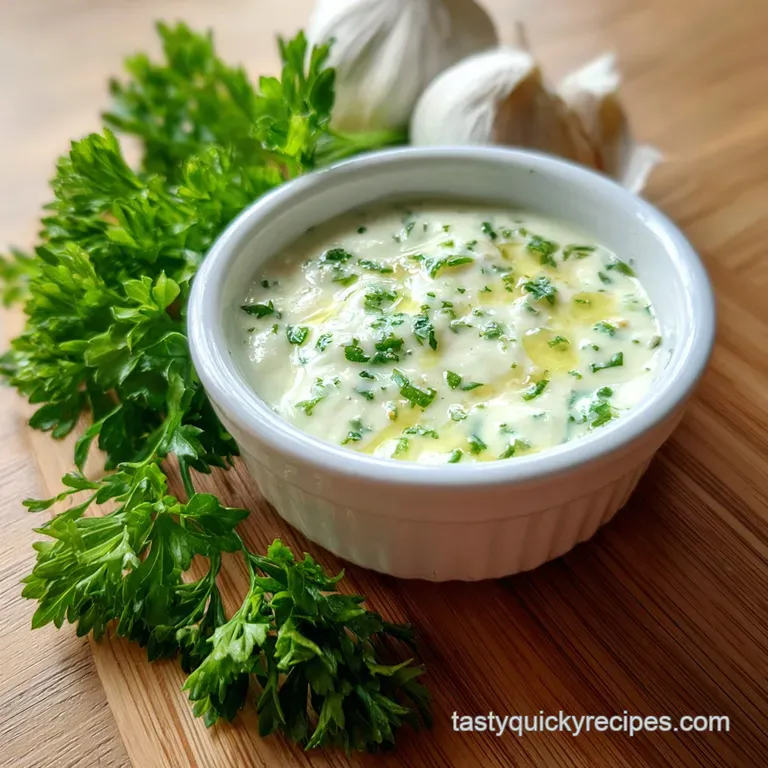
- Time: Active 5 mins, Passive 10 mins, Total 15 minutes
- Flavor/Texture Hook: Velvety, punchy, and deeply savory
- Perfect for: Weeknight chicken, fast pasta, or quick steak toppers
- That Sizzling Pan Aroma: Saving My Boring Chicken Dinner
- The Molecular Magic Hiding Behind Every Silky Spoonful
- Component Analysis: What Makes This Sauce Truly Sing
- Pantry Essentials and Smart Swaps for Busy Cooks
- The Three Kitchen Tools You Need for Success
- From Prep to Plate: The 15 Minute Flow
- Smooth Sailing: Fixing Common Sauce Hiccups Fast
- Feeding a Crowd or Cooking for One
- Debunking Kitchen Folklore for Better Results
- Keeping it Fresh and Using Every Last Drop
- The Ultimate Creamy Garlic Sauce Serving Suggestions
- Recipe FAQs
- 📝 Recipe Card
That Sizzling Pan Aroma: Saving My Boring Chicken Dinner
I'll never forget the Tuesday night I stood in my kitchen staring at a plate of dry, unseasoned chicken breasts. I'd been juggling work calls and school pickups all day, and honestly, the thought of eating another "healthy but bland" meal felt like a chore.
I grabbed a knob of butter and some garlic, and within ten minutes, the kitchen transformed. The sharp, pungent scent of garlic hitting hot fat is a sensory reset button for any tired cook.
That night was the first time I realized that a good Creamy Garlic Sauce isn't just a topping, it's a rescue mission for mediocre ingredients. I've made every mistake in the book since then, from curdling the milk to over browning the garlic until it turned bitter.
But those failures led me to this specific method, which yields a silky, consistent result every single time without needing a culinary degree.
We've all been there, staring at the fridge hoping for inspiration to strike. Trust me on this: once you learn how the fat and flour play together, you'll never settle for a jarred version again. It's fast, flavorful, and brings everyone to the table without the usual "what's for dinner" complaints.
The Molecular Magic Hiding Behind Every Silky Spoonful
Starch Gelatinization: When the flour hits the hot butter, the starch granules swell and burst, creating a web that traps liquid and prevents the sauce from feeling greasy. This transformation ensures the sauce coats your pasta rather than pooling at the bottom of the bowl.
Allicin Regulation: Sautéing the garlic over medium low heat tames the harsh raw bite of allicin while developing sweet, nutty sulfur compounds. This balance provides that deep aromatic punch without the lingering "garlic breath" intensity of raw cloves.
| Method Type | Total Time | Texture | Best For |
|---|---|---|---|
| Fast (This Recipe) | 15 minutes | Velvety and light | Weeknight chicken or pasta |
| Classic Reduction | 45 minutes | Heavy and thick | Special occasion steaks |
| Cold Emulsion | 5 mins | Airy and sharp | Dipping fresh vegetables |
The fast method is my go to because it uses a quick roux to provide body without waiting for heavy cream to reduce by half. It’s the smart way to get dinner moving when you’re in a rush but still want that luxurious mouthfeel.
Component Analysis: What Makes This Sauce Truly Sing
| Ingredient | Science Role | Pro Secret |
|---|---|---|
| 3 tbsp Unsalted Butter | Fat Carrier | Use European style butter for higher fat content and a richer "shatter" of flavor. |
| 2 tbsp AP Flour | Thickening Agent | Toast it for exactly 1 minute to remove the raw flour taste without darkening the sauce. |
| 1/2 cup Chicken Stock | Umami Depth | This adds savory complexity that milk alone can't provide, especially for poultry dishes. |
This specific combination creates a stable base that won't break when you add the final touches. Using the right fats ensures that the garlic flavor is carried evenly across your palate instead of hitting you all at once.
Pantry Essentials and Smart Swaps for Busy Cooks
Right then, let's look at what we need to get this on the table. Most of these are likely already in your kitchen, but if you're missing something, don't panic.
- 4 cloves fresh garlic, minced:Why this? Fresh garlic provides the essential sulfurous aroma that pre minced jars lack.
- 3 tbsp unsalted butter:Why this? Controls the salt level while providing a silky, fat rich base.
- 1/2 tsp sea salt:Why this? Enhances the garlic and cheese without adding chemical aftertastes.
- 1/4 tsp cracked black pepper:Why this? Adds a tiny bit of heat to cut through the creaminess.
- 2 tbsp all purpose flour:Why this? The structural backbone that holds the milk and stock together.
- 1 cup whole milk:Why this? Provides the "creamy" factor without the heaviness of double cream.
- 1/2 cup chicken stock:Why this? Thins the sauce while adding a savory, meaty backbone.
- 1/2 cup grated parmesan cheese:Why this? Adds salt, fat, and a nutty finish that thickens naturally.
- 1 tsp fresh lemon juice:Why this? The acid brightens the heavy fats and wakes up the garlic.
- 1 tbsp fresh parsley, finely chopped:Why this? Adds a pop of color and a fresh, herbaceous top note.
| Original Ingredient | Substitute | Why It Works |
|---|---|---|
| Whole Milk | Heavy Cream | Note: Makes the sauce much thicker and richer; reduce flour by half. |
| Chicken Stock | Vegetable Broth | Same liquid ratio with a slightly sweeter, earthier flavor profile. |
| Parmesan Cheese | Pecorino Romano | Adds a sharper, saltier kick reduce added sea salt if using this. |
If you find yourself wanting an even lighter version, you might enjoy an Alfredo Sauce without recipe which uses similar thickening techniques. It’s all about working with what you have in the pantry.
The Three Kitchen Tools You Need for Success
You don't need a high end setup, but a couple of items make this foolproof. First, use a heavy bottomed saucepan or a medium skillet. Thin pans have "hot spots" that will burn your garlic before the butter even melts.
A silicone coated whisk is your best friend here. It lets you get into the "corners" of the pan where flour likes to hide and clump. Finally,, a microplane or a very sharp knife for the garlic is non negotiable. If the garlic pieces are too big, you'll get bitter chunks; if they're a paste, they'll burn instantly.
From Prep to Plate: The 15 Minute Flow
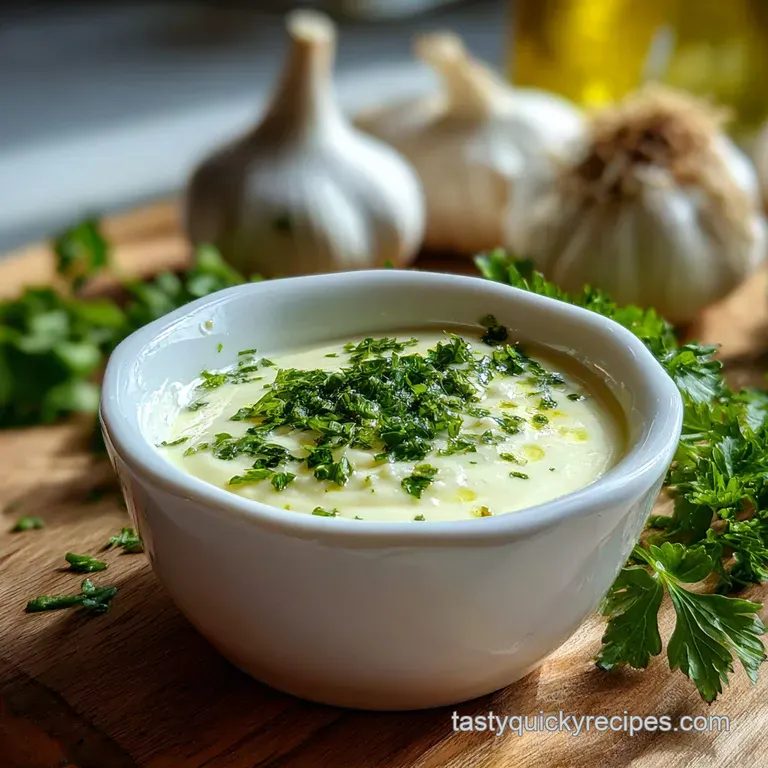
- Mince 4 cloves garlic.Note: Keep them uniform so they cook at the same rate.
- Melt 3 tbsp butter in a skillet over medium low heat until it starts to foam and sizzle.
- Sauté the garlic in the butter for 1 minute until fragrant but not browned.
- Whisk in 2 tbsp flour.Note: This creates your roux.
- Cook the roux for 1 minute until it smells slightly nutty and looks pale gold.
- Slowly pour in 1/2 cup chicken stock, whisking constantly to prevent lumps.
- Add 1 cup whole milk in a steady stream until the mixture looks smooth and glossy.
- Simmer for 3-5 minutesuntil the sauce thickens enough to coat the back of a spoon.
- Stir in 1/2 cup parmesan cheese, 1/2 tsp salt, and 1/4 tsp pepper until melted.
- Remove from heat and stir in 1 tsp lemon juice and 1 tbsp fresh parsley until vibrant and velvety.
Chef's Tip: Freeze your parmesan rind and drop it into the sauce while it simmers. It adds an incredible depth of savory flavor that you just can't get from the grated cheese alone. Just remember to fish it out before serving!
Smooth Sailing: Fixing Common Sauce Hiccups Fast
Sometimes things go south even when we're paying attention. If your sauce looks more like cottage cheese than a silky topping, don't toss it out. Most sauce disasters are just physics problems waiting for a quick solution.
Solving the Mystery of Lumpy Textures
Lumps usually happen when the liquid is added too fast to the roux. The flour absorbs the liquid unevenly and forms "glue balls." If this happens, don't keep whisking manually it won't help. Pour the whole mess into a blender for 10 seconds.
The high speed blades will shatter the lumps and restore the emulsion instantly.
Fixing a Split or Greasy Sauce
A sauce "splits" when the fat separates from the liquid, often because the heat was too high after adding the cheese. You'll see little pools of oil on the surface. To fix this, remove the pan from the heat and whisk in one tablespoon of cold milk or water.
The temperature drop and extra liquid help the proteins re bind with the fats.
| Problem | Root Cause | Solution |
|---|---|---|
| Grainy feel | Cheese added too hot | Remove from heat and whisk in a splash of room temp milk. |
| Too thick | Over reduction | Whisk in stock or milk 1 tbsp at a time until reaching desired flow. |
| Bitter taste | Garlic browned too much | Add a pinch of sugar or extra lemon to balance the acrid notes. |
Common Mistakes Checklist
- ✓ Never use high heat once the milk is added (prevents scorching)
- ✓ Always add cheese off the heat to prevent a grainy texture
- ✓ Whisk the flour and butter for at least 60 seconds to kill the "raw" taste
- ✓ Add liquids in a very slow, steady stream while whisking vigorously
- ✓ Use room temperature milk to prevent the roux from seizing up
Feeding a Crowd or Cooking for One
If you're scaling this down for a solo dinner, it's pretty straightforward. Cut the ingredients in half, but keep an eye on the pan smaller amounts of liquid evaporate much faster. You might only need 2 minutes of simmering instead of 5.
When doubling the recipe for a party, don't just double the salt. Start with 1.5 times the salt and pepper, then taste at the end. Spices don't always scale linearly and can easily become overwhelming. Also, work in a larger skillet to ensure the surface area allows the garlic to sauté properly without steaming.
If you are looking for a simpler version for seafood, you might prefer a straight Garlic Butter Sauce recipe which scales beautifully for large batches of shrimp or crab legs.
Debunking Kitchen Folklore for Better Results
You've probably heard that you should never let the milk boil. That's a bit of an exaggeration. While a violent boil can cause the proteins to clump (curdling), a gentle simmer is actually necessary to activate the starch in the flour. Without that heat, the sauce will stay thin and watery.
Another myth is that you must use heavy cream for a "real" Creamy Garlic Sauce. Honestly, don't even bother with the extra calories if you don't have it. The flour and milk roux method provides plenty of body and a much cleaner flavor profile that lets the garlic really shine.
Heavy cream can sometimes mask the aromatics we worked so hard to develop.
Keeping it Fresh and Using Every Last Drop
This sauce keeps remarkably well in the fridge for up to 3 days. Store it in a glass jar with a tight lid. When you go to reheat it, you'll notice it has turned into a thick jelly. This is totally normal! Just pop it in a small saucepan over low heat and add a splash of milk to loosen it back up.
I don't recommend freezing this specific recipe. Because we use a roux with milk and cheese, the freezing and thawing process often causes the fats to separate permanently, leaving you with a watery, grainy mess that no amount of whisking can fix.
For a zero waste win, use any leftover sauce as a base for a white pizza or as a spread for a gourmet grilled cheese sandwich. If you have just a tiny bit left in the pan, toss in some leftover veggies the sauce will coat them perfectly for a quick lunch the next day.
The Ultimate Creamy Garlic Sauce Serving Suggestions
This sauce is the chameleon of the kitchen. My favorite way to serve it is over pan seared chicken thighs, but it's equally brilliant over a bed of fettuccine. If you want to go the extra mile, try drizzling it over these Meatballs Cooked in recipe for a massive flavor upgrade to your standard meatball sub.
It also works as a fantastic dipping sauce for crusty sourdough or roasted broccoli. The lemon juice at the end is the key it cuts through the richness of the parmesan and butter, making it feel light enough for a summer dinner but cozy enough for a winter night.
Whatever you put it on, it's going to be the star of the table. Enjoy your cooking!
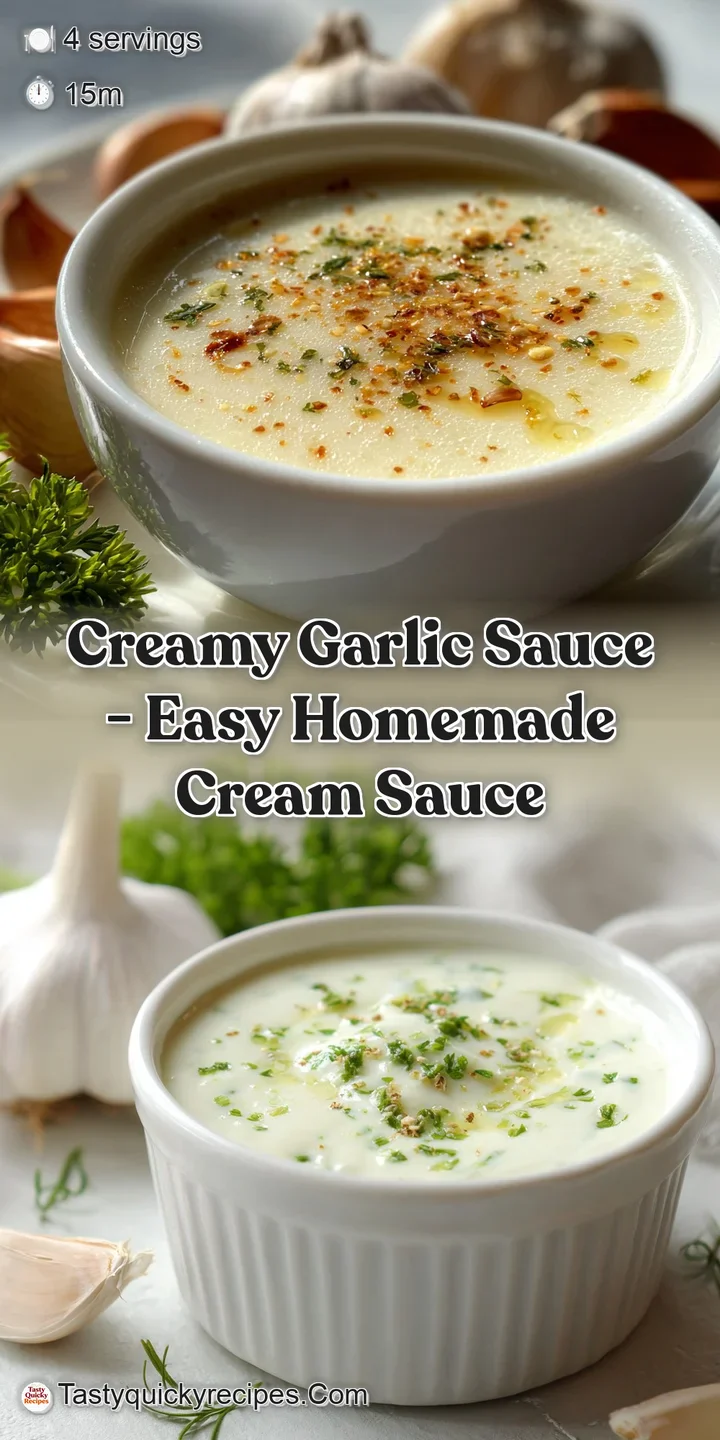
Recipe FAQs
How do you make creamy garlic sauce?
Start by making a light roux using equal parts butter and flour over medium low heat. Sauté minced fresh garlic until fragrant, then slowly whisk in chicken stock followed by whole milk until the mixture thickens, coating the back of a spoon.
Finish by stirring in grated Parmesan cheese off the heat.
What is the secret to a good creamy sauce?
The secret lies in careful temperature management and using stock for depth. Cook your roux until it smells slightly nutty to eliminate raw flour taste, and always add cheese when the heat is off to maintain a silky emulsion.
Is garlic cream sauce the same as Alfredo?
No, they are fundamentally different sauces relying on different thickeners. Alfredo traditionally relies on butter, cream, and Parmesan creating a rich emulsion, whereas a quick Creamy Garlic Sauce often uses flour (a roux) or reduced milk for body.
How to make creamy cheese garlic sauce without curdling the cheese?
Remove the sauce from the heat source entirely before adding the grated cheese. Stir the Parmesan in gently until it melts smoothly; high residual heat causes the milk proteins to seize up and separate, resulting in a grainy texture.
Can I substitute the milk for a lighter option in this sauce?
Yes, you can substitute whole milk with half and-half or even evaporated milk for a richer result. If you use a very thin milk, slightly increase the amount of flour in your roux to compensate for the lower fat content.
What is the best way to prevent lumps when adding liquid to the roux?
Add the liquids in slow, steady streams while whisking vigorously and continuously. If lumps still form, pour the entire mixture into a blender and pulse for 10 seconds; this technique mirrors the principles of mastering smooth textures in soups, ensuring complete homogenization.
How long does homemade creamy garlic sauce last in the refrigerator?
It typically lasts well for 3 days when stored in an airtight container in the fridge. When reheating, you must add a splash of milk or stock over low heat, as the fats and starch will solidify when chilled.
Creamy Garlic Sauce Recipe
Ingredients:
Instructions:
Nutrition Facts:
| Calories | 177 kcal |
|---|---|
| Protein | 6.8 g |
| Fat | 13.5 g |
| Carbs | 7.5 g |
| Fiber | 0.3 g |
| Sugar | 3.1 g |
| Sodium | 475 mg |
