Alfredo Sauce Without Heavy Cream: the Secret to a Stable, Velvety, and Lighter Classic
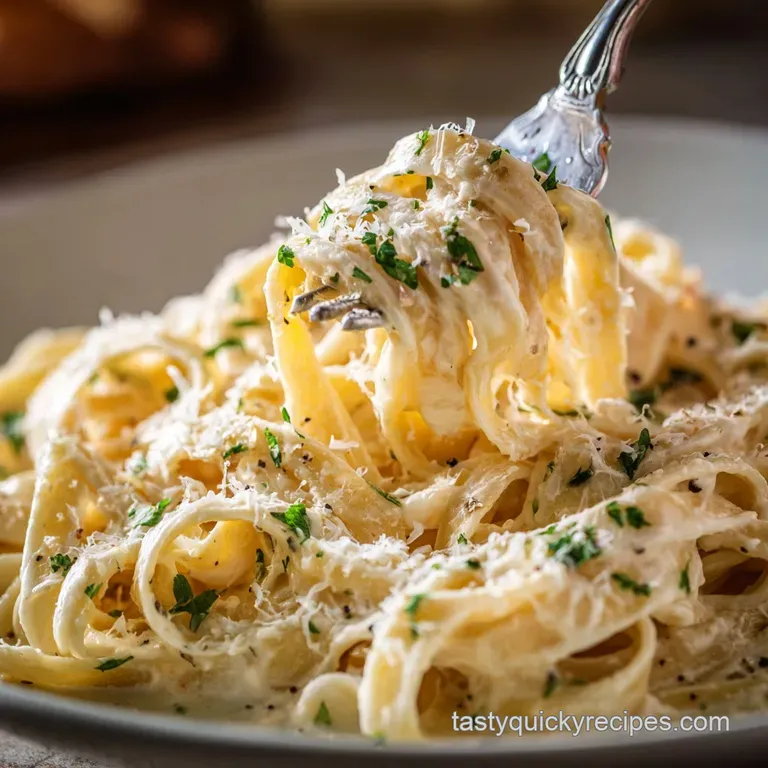
- The Secret to Velvety Alfredo Sauce Without Heavy Cream
- The Science of Stability: How the Roux Creates Creaminess
- Essential Components for the Perfect Cream-Free Alfredo
- Mastering the Method: Step-by-Step Guide to Alfredo Sauce without Heavy Cream
- Troubleshooting Your Sauce: Preventing Graininess and Separation
- Practical Guide to Storing and Reheating Alfredo Sauce without Heavy Cream
- Elevating Your Meal: The Best Pairings for Cream-Free Alfredo Sauce
- Recipe FAQs
- 📝 Recipe Card
The Secret to Velvety Alfredo Sauce Without Heavy Cream
Close your eyes for a second and imagine that rich, savory aroma of butter melting into cheese, clinging perfectly to every strand of pasta. That unbelievably silky texture, the kind that makes you want to lick the plate clean, isn't some kitchen myth. It’s heaven in a saucepan, trust me.
The truth is, most modern recipes call for cups of heavy cream, but who always keeps a carton of that stuff chilling in the back of the fridge? This Alfredo Sauce without Heavy Cream is the ultimate weeknight lifesaver.
It’s fast, unbelievably easy, and tastes leagues better than anything that comes out of a jar.
I’m going to share the actual secrets the techniques that the pros use to create a stable, luxurious emulsion using just whole milk and the magic of a gentle roux.
Let’s ditch the heavy, greasy Americanized versions and finally make the perfect Alfredo sauce without heavy cream recipe that actually works.
The Science of Stability: How the Roux Creates Creaminess
The Myth of Heavy Cream in Classic Italian Cuisine
We need to clear the air about something critical: traditional Italian pasta dishes, even the ones that feel incredibly creamy, almost never rely on heavy cream. The original, true Alfredo sauce in Rome achieves its luxurious texture purely through an emulsion of butter, Parmigiano Reggiano, and starchy pasta water.
The texture is light, yet deeply coating.
Why We Abandoned Americanized Alfredo
When Alfredo came stateside, we felt the need to make everything bigger, richer, and faster, right? That’s when the giant buckets of heavy cream came in, creating a sauce that tastes fantastic but sits like a lead balloon in your stomach.
My version of Alfredo Sauce without Heavy Cream uses a controlled roux and whole milk to replicate the mouthfeel of cream, but with a much cleaner flavor profile.
Quick Recipe Summary and Prep Time
This whole process takes maybe 20 minutes from start to finish, maximum. We’re essentially making a velvety béchamel sauce, which is a French technique, then transforming it into an Italian style cheese sauce (Mornay) that mimics the texture of heavy cream.
Understanding the Butter Flour Ratio
The foundation of this Alfredo Sauce without Heavy Cream stability is a perfect 1:1 ratio of butter to flour, creating the roux. This tiny, unsung hero is what thickens the milk without turning it watery, giving the finished sauce its necessary body and preventing the dreaded separation when the cheese goes in. If you want to know more about achieving incredibly stable creamy textures, check out my recipe for Garlic Hummus No Tahini: The Ultimate Creamy, Silky Dip Recipe .
The Role of Heat in Starch Gelatinization
You need just enough heat to cook the raw taste out of the flour about two minutes is usually perfect. Then, when the warm milk hits that hot roux, the starch granules burst and absorb the liquid. This process, called gelatinization, is what causes the sauce to thicken as it simmers.
It’s crucial not to rush this stage.
Emulsification: Combining Fat, Liquid, and Starch
This is the big finale, the part where we go from thick milk to glorious sauce. When you whisk the finely grated Parmigiano Reggiano into the thickened milk (off the heat!), the fat from the butter, the proteins in the cheese, and the starchy liquid all fuse together.
This creates an emulsion that is stable, glossy, and impossibly smooth. It’s the definition of silky.
Essential Components for the Perfect Cream Free Alfredo
To make a truly spectacular Alfredo Sauce without Heavy Cream or Half and Half , you have to invest a little in your ingredients. Don’t cut corners here; quality matters, especially when the ingredient list is so short.
Choosing the Right Dairy: Why Whole Milk is Non-Negotiable
We need the fat content from whole milk to properly integrate with the butter and cheese. Skim milk or 1% milk will make a watery, weak sauce that won't coat your pasta properly.
| Original Ingredient | Recommended Substitute | Notes |
|---|---|---|
| Whole Milk | Evaporated Milk or Half and Half | Evaporated milk adds a great, concentrated body if you need extra thickness. |
The Importance of Freshly Grated Parmigiano Reggiano
Seriously, throw away the green canister of pre-grated parmesan right now. That stuff is often mixed with anti caking agents (usually wood pulp!) that prevent it from melting smoothly, guaranteeing a grainy sauce.
You must use fresh, high-quality Parmigiano Reggiano and grate it as finely as possible, preferably using a microplane.
| Original Ingredient | Recommended Substitute | Notes |
|---|---|---|
| Parmigiano Reggiano | Grana Padano or Aged Pecorino Romano | Pecorino Romano is tangier and saltier; adjust the added salt accordingly. |
Clarifying Your Fats: Butter vs. Ghee
I always use unsalted butter because it gives me control over the final seasoning. If you want a slightly nuttier flavor and need an even purer fat (less chance of scorching the milk solids), you could absolutely substitute ghee for the butter.
Seasoning Spotlight: Enhancing Flavor Depth
We use white pepper instead of black pepper because it gives the spice without adding speckles to the pure white sauce. But the real star is the nutmeg. Just a tiny pinch of freshly grated nutmeg adds a complex, earthy warmth that balances the richness of the cheese.
Mastering the Method: step-by-step Guide to Alfredo Sauce without Heavy Cream
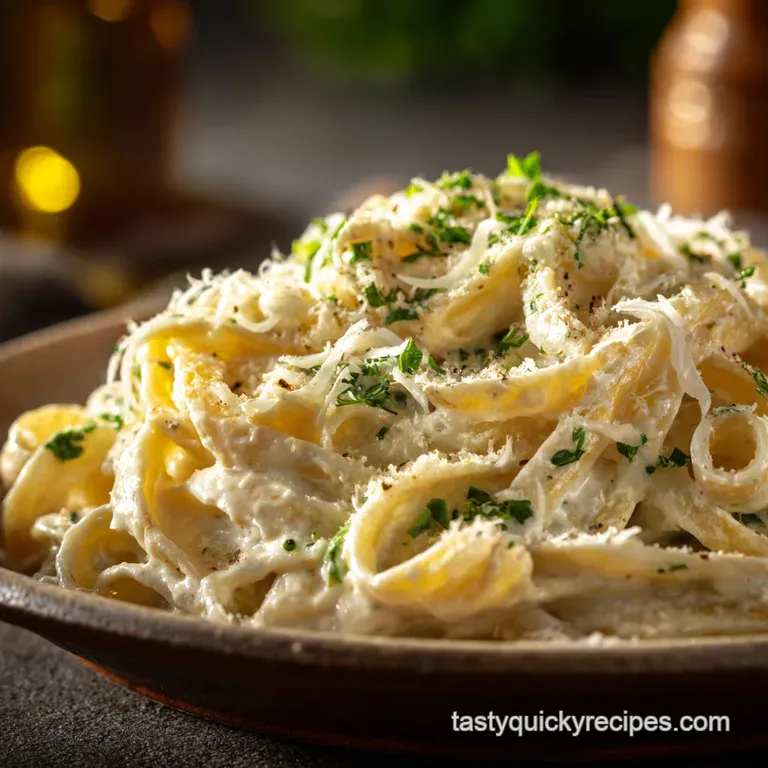
This is where the magic happens. Remember to work patiently and keep the heat relatively low throughout the entire process.
Preparing the Golden Roux Foundation
Start by melting 4 tablespoons of butter in a medium saucepan over medium low heat. If you're using garlic, add 2 minced cloves now and cook them for about 45 seconds until they smell amazing don't let them brown, or they’ll taste bitter!
Whisk in 4 tablespoons of all-purpose flour until a smooth paste forms; this is your roux. Cook the roux for 1 to 2 minutes, constantly stirring, until it smells slightly nutty, which means you’ve cooked out the raw flour taste.
Tempering the Milk for a Lump Free Finish
Now, the secret to the silkiest sauce: the warm milk. I always warm my 2 cups of whole milk gently in the microwave or a separate pan before adding it. Take the pan off the heat, then pour in about a quarter cup of the warm milk and whisk vigorously until it's completely smooth, removing all those baby lumps.
Gradually whisk in the rest of the milk, then return the pan to medium low heat.
Integrating the Cheese Without Separating the Sauce
Let the sauce simmer gently for about 5 to 7 minutes, stirring often, until it coats the back of a spoon. It will look like thin custard. Remove the pan from the heat completely .
Wait about 30 seconds for the simmering to stop, then stir in half of your 1 cup of finely grated Parmigiano Reggiano. Stir rapidly until melted, then add the remaining cheese and keep stirring until the sauce is glossy and homogenous.
Chef’s Note: The biggest mistake people make is adding the cheese while the sauce is actively boiling. Cheese is mostly fat and protein, and high heat causes those proteins to seize up, resulting in a grainy, separated sauce. Low heat is the only way to avoid this!
Adjusting Consistency for Noodle Coating
If you’ve cooked your pasta, make sure you reserve about a cup of that starchy cooking water. If your finished Alfredo Sauce without Heavy Cream looks too thick, simply whisk in the reserved pasta water, one tablespoon at a time, until the sauce is perfectly glossy and coats the noodles beautifully. The starch is basically culinary glue, guaranteeing a perfect coating. The smooth, stable texture of this finished sauce reminds me of the creamy base of a great Portuguese comfort food, like Bacalhau a Bras: The Creamy Portuguese Comfort Scramble Recipe — both rely on careful technique over heavy additions.
Troubleshooting Your Sauce: Preventing Graininess and Separation
The Danger of High Heat (and How to Avoid It)
If your sauce is grainy or looks broken, where the fat has separated from the liquid, the culprit is almost always excessive heat when adding the cheese. Never let the sauce boil once the cheese is added. Keep the heat low and stir constantly.
Why Your Parmesan Might Be Clumping (And the Fix)
If you used pre-grated parmesan, that's why it clumped we talked about the anti caking agents! If you used fresh, but it still clumped, the cheese might not have been grated finely enough.
If you’re in a panic, try using an immersion blender for 15 seconds; sometimes, this can salvage a stubborn, slightly grainy sauce.
Fixing a Sauce That’s Too Thick or Too Thin
Too thick? Add more of the starchy pasta water. It’s the perfect thinner because it adds texture, not just volume. Too thin? You might not have simmered the roux and milk long enough to activate the starch.
You can either simmer it for a couple more minutes, or, if you’re desperate, mix a teaspoon of cornstarch with a tablespoon of cold milk and whisk that slurry into the simmering sauce.
Practical Guide to Storing and Reheating Alfredo Sauce without Heavy Cream
Best Practice for Short Term Refrigeration
Because this is a stable, roux based sauce, it handles refrigeration much better than a pure cream sauce. Let it cool completely, then store it in an airtight container in the fridge for up to 4 days. It will thicken considerably as it chills, turning into almost a solid block. That's totally normal.
Can You Successfully Freeze Alfredo Sauce?
Honestly, I advise against it. Freezing and thawing dairy based sauces often leads to some graininess and separation when reheated, even if you made it without heavy cream. If you absolutely must freeze it, freeze it plain (without mixing it into the pasta), and thaw it overnight in the fridge.
Reheating Techniques to Maintain Smoothness
The best way to reheat is low and slow. Place the chilled sauce in a saucepan over very low heat. Add a splash of milk or, preferably, water until it starts to loosen. Whisk continuously as it heats through. Never try to microwave it or blast it on high heat, or it will absolutely break.
The goal is to bring it back to temperature gently while re-introducing moisture to emulsify the fats again.
Elevating Your Meal: The Best Pairings for Cream Free Alfredo Sauce
This simple, beautiful sauce pairs best with something robust that stands up to the richness. Fettuccine is the classic choice, but linguine works perfectly too.
For a fresh side that cuts through the richness, serve a big bowl of slightly bitter arugula tossed simply with lemon juice and a good finishing olive oil. If I’m feeling fancy and serving this for brunch (don't judge, it happens!), I might serve a small savory tart alongside, though I usually use duck eggs for those, like in my recipe for Duck Egg Recipes: Ultra Creamy Smoked Salmon Tart for Brunch . Keep it simple, let the sauce shine, and enjoy the praise you're about to get!
Recipe FAQs
Why is my Alfredo sauce gritty or grainy?
Grittiness often occurs if the Parmesan cheese is added too quickly or at too high a temperature. Ensure the heat is off or very low when incorporating the cheese, adding it gradually while stirring constantly until fully melted and emulsified into the sauce.
My sauce is too thin/runny. How do I thicken it without adding more cheese?
If the sauce is too thin, it likely means the Roux needed more cooking time or the milk ratio was slightly high. To fix this, mix a teaspoon of cornstarch with cold water (a slurry) and whisk it into the simmering sauce until the desired consistency is achieved.
Can I substitute the whole milk with lower fat milk or half and-half?
While you can use lower fat milk, the resulting sauce will lack the necessary richness and stability provided by whole milk fat. If using 2% or skim milk, you may need to increase the amount of butter in the initial Roux or add a tablespoon of cream cheese for added body and stability.
Why use a Roux if traditional Alfredo just uses butter, cream, and cheese?
The Roux stabilizes the sauce, creating a reliable starch structure that prevents the milk proteins from curdling or separating when the Parmesan is added, especially since we are omitting the high fat heavy cream.
This classical technique ensures a velvety, smooth finish that relies on gentle thickening rather than the cheese doing all the heavy lifting.
How long can I store leftovers, and is it safe to freeze this sauce?
Leftover Alfredo sauce can be stored in an airtight container in the refrigerator for up to 3 days. Freezing is strongly discouraged because the dairy base (especially relying on a Roux and milk) will inevitably separate and become grainy upon thawing and reheating.
What is the best way to reheat the sauce without it separating?
The best method is to reheat gently on the stovetop over very low heat, adding a splash of milk or even reserved pasta cooking water as you whisk vigorously. Never microwave the sauce directly, and avoid bringing it to a rapid boil, which encourages the emulsion to break.
Can I make this recipe vegan or dairy-free?
Absolutely; substitute the butter with a neutral plant based spread and use nutritional yeast for the cheesy flavor profile. Replace the whole milk with a creamy plant based alternative, such as cashew milk or full fat oat milk, maintaining the flour for the essential Roux base.
Creamy Alfredo Sauce Without Heavy Cream
Ingredients:
Instructions:
Nutrition Facts:
| Calories | 222 kcal |
|---|---|
| Protein | 15.3 g |
| Fat | 12.1 g |
| Carbs | 13.2 g |
