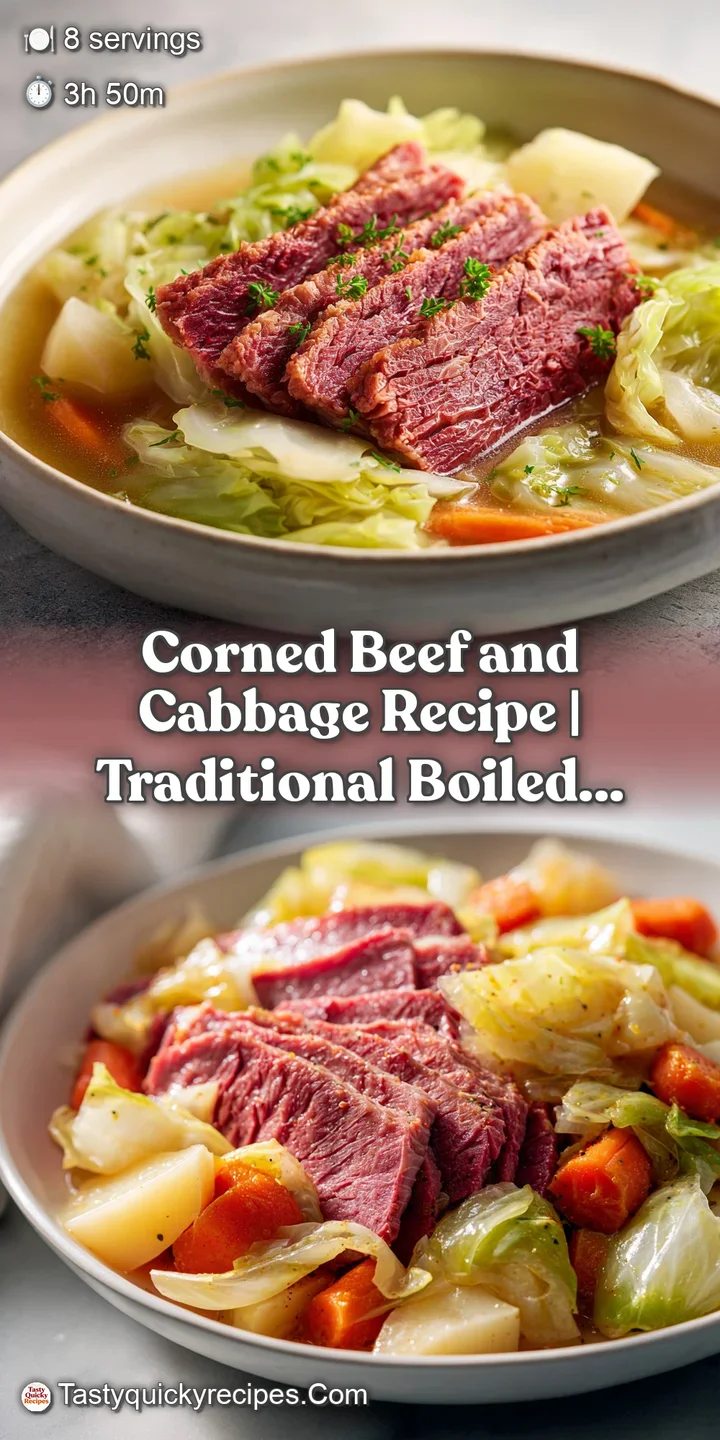
Traditional Corned Beef and Cabbage
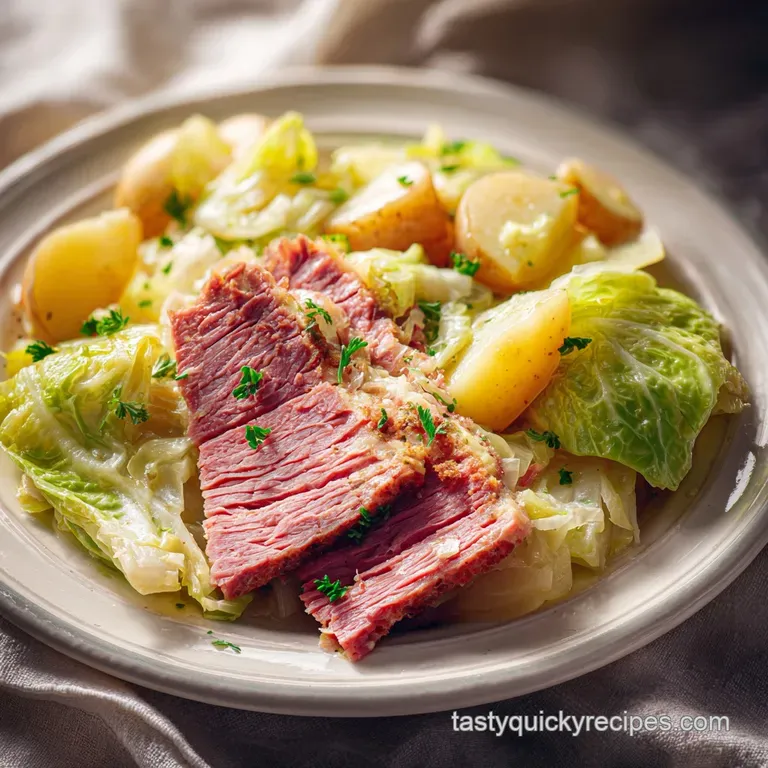
- Time: Active 20 minutes, Passive 3 hours 30 mins, Total 3 hours 50 mins
- Flavor/Texture Hook: Savory, melt in-the mouth beef with velvety potatoes
- Perfect for: A fueling midday Sunday feast or a St. Patrick's Day celebration
- Mastering This Hearty Corned Beef and Cabbage
- Quick Recipe Specs and Measurements
- The Essential Flavor Foundation Ingredients
- Tools for a Successful Braise
- Step by Step Cooking Process
- Solving Common Texture and Salt Issues
- Creative Variations for Your Table
- Storage and Leftover Management
- Side Dishes for a Complete Meal
- Very High in Sodium
- Corned Beef and Cabbage FAQs
- 📝 Recipe Card
Mastering This Hearty Corned Beef and Cabbage
The first time I tried making this, I basically turned a perfectly good piece of meat into a salt lick. I didn't rinse the brine, I boiled it way too hard, and the cabbage ended up looking like wet tissue paper.
It was a disaster, but it taught me everything about why the "low and slow" method isn't just a suggestion, it's the law of the kitchen.
Now, whenever the calendar hits March or I just crave something that truly sticks to your ribs, I pull out my heavy pot. The aroma that fills the kitchen is unmistakable, it's that deep, malty scent of stout mixing with pickling spices and garlic.
It smells like a rainy afternoon in a cozy pub, and honestly, that’s half the joy of cooking it.
We're going for a texture that doesn't just fall apart into shreds but stays together until your fork hits it. We want the fat cap to be buttery and the vegetables to soak up every drop of that seasoned broth. If you've been intimidated by big cuts of meat before, don't worry.
This is one of those "set it and forget it" meals that makes you look like a pro while you're actually just hanging out on the couch.
Quick Recipe Specs and Measurements
The Physics of the Braise
Collagen Conversion: Long term heat at a simmer (not a boil) converts tough connective tissue into gelatin, resulting in a silky mouthfeel. Osmotic Balance: Using a mix of stout and broth creates a flavored liquid that seasons the meat deeply without the harshness of plain salted water.
| Brisket Weight | Braising Time | Rest Time | Visual Cue |
|---|---|---|---|
| 1.5 kg (Small) | 2 hours 15 mins | 15 minutes | Meat yields to a fork |
| 1.8 kg (Standard) | 3 hours 30 mins | 20 minutes | Fat cap is translucent |
| 2.5 kg (Large) | 4 hours 45 mins | 25 minutes | Shrinkage of approx 25% |
Establishing the right timeline is crucial because you can't rush the breakdown of those fibers. If you try to boil it to save an hour, you'll end up with meat that's both dry and chewy at the same time. Trust the clock and let the heat do the heavy lifting while you prep your sides.
If you're into quick skillet meals for busier days, my cabbage and sausage recipe is a faster way to get that savory fix without the three hour wait. It uses similar flavors but moves at a weeknight pace.
The Essential Flavor Foundation Ingredients
Getting the right ingredients is the difference between a bland boiled dinner and a legendary meal. We’re using 1.8 kg (4 lbs) of corned beef brisket, which is the gold standard for this dish.
I always look for a "point cut" if I want extra fat and flavor, or a "flat cut" if I'm planning on making beautiful, uniform slices for sandwiches later.
| Ingredient | Science Role | Pro Secret |
|---|---|---|
| 1.8 kg Corned Beef | Protein Structure | Rinse thoroughly to remove excess surface nitrates and salt |
| 355 ml Stout Beer | Acidic Tenderizer | The tannins and malt deepen the color and soften fibers |
| 1.65 L Beef Broth | Flavor Medium | Use low sodium to control the final seasoning level |
| 1 large Cabbage | Structural Fiber | Keep the core intact so the wedges don't disintegrate |
Don't skip the 1 tablespoon of pickling spice, even if your brisket came with a little packet. Adding a fresh tablespoon ensures those notes of coriander, mustard seed, and bay leaf are punchy and aromatic.
For the vegetables, 680 g (1.5 lbs) of red potatoes and 450 g (1 lb) of carrots provide the perfect earthy balance to the salty beef.
Chef's Tip: If you want a deeper, almost caramelized flavor, throw the halved potatoes and carrots into a hot pan with a tiny bit of oil for 3 minutes before they go into the pot. It gives them a "roasted" edge that traditional boiling misses.
Tools for a Successful Braise
You really don't need a lot of fancy gear for this, but a heavy bottomed pot is non negotiable. I use a 7 quart enameled cast iron Dutch oven because it holds heat like a champion. If your pot is too thin, you'll get "hot spots" that might scorch the bottom of the meat during the long simmer.
You'll also need a sharp carving knife. When it comes time to slice that 1.8 kg brisket, a dull blade will just shred the meat rather than cutting clean, beautiful slices. A pair of sturdy tongs is also helpful for maneuvering the cabbage wedges without breaking them apart.
Finally, make sure you have a large platter ready, because once this hits the table, everyone is going to be hovering with their forks ready.
For those days when you need a thick, hearty bowl and have your heavy pot out already, our Beef Stew Recipe hits the spot with a similar low and slow technique.
step-by-step Cooking Process
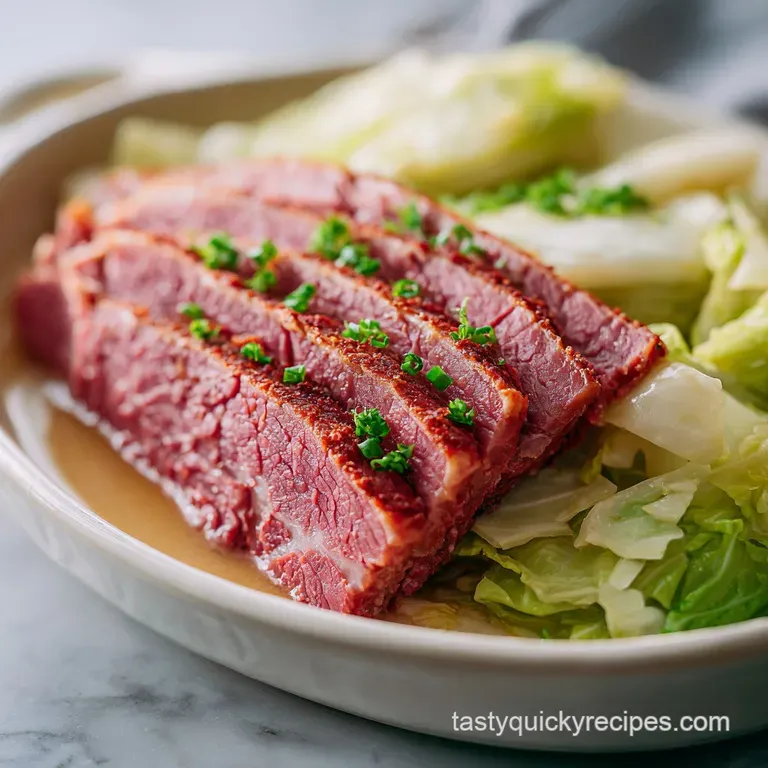
- Rinse the meat. Take your 1.8 kg corned beef out of the package and rinse it under cold water until the slimy brine is gone. Note: This prevents the final dish from being an inedible salt bomb.
- Prep the aromatics. Quarter 1 large yellow onion and smash 5 cloves of garlic.
- Build the braise. Place the brisket in your large pot. Add the onion, garlic, 1 tablespoon of pickling spice, and the spice packet that came with the meat.
- Add the liquids. Pour in 355 ml of stout beer and 1.65 L of beef broth until the meat is mostly submerged.
- Start the simmer. Bring the liquid to a light boil, then immediately turn the heat down to low. Cover tightly.
- Cook the beef. Let it simmer gently for about 3 hours. Check that it doesn't reach a rolling boil.
- Add hard vegetables. Gently place 680 g of halved red potatoes and 450 g of carrot chunks into the pot.
- Add the cabbage. Place 8 thick wedges of green cabbage on top of the other vegetables. Cover and cook for 30 more minutes.
- Check for tenderness. The potatoes should be velvety and the cabbage should be tender but still holding its shape.
- Rest and carve. Remove the meat and let it sit for 20 minutes before slicing thinly against the grain.
Solving Common Texture and Salt Issues
Why Your Brisket Is Tough
If your meat feels like a rubber band, it simply hasn't cooked long enough, or you cooked it at too high a temperature. High heat causes muscle fibers to seize up and squeeze out moisture. The solution is always more time at a lower heat.
Why Your Cabbage Is Mushy
Cabbage is mostly water and delicate fibers. If you put it in at the beginning with the meat, it will dissolve into the broth. Always wait until the last 30 minutes of cooking to add your green wedges.
| Problem | Root Cause | Solution |
|---|---|---|
| Overly Salty | Brine not rinsed | Soak meat in fresh water for 30 mins before cooking |
| Dry Meat | Liquid boiled dry | Keep at a simmer and add water if level drops |
| Gray Veggies | Overcooked | Use the staggered entry method (Meat -> Potatoes -> Cabbage) |
Common Mistakes Checklist
- ✓ Never skip the rinse step; the packaging liquid is extremely high in sodium.
- ✓ Keep the cabbage core attached so the leaves don't float away and disappear.
- ✓ Always slice "against the grain" (look for the lines in the meat and cut perpendicular to them).
- ✓ Don't let the pot reach a rolling boil; a gentle "shudder" in the water is all you need.
- ✓ Let the meat rest! Slicing it immediately will cause all the juices to run out on the board.
Creative Variations for Your Table
While the traditional boiled version is the classic, you can easily pivot based on the gear you have. If you're out all day, the Corned Beef and Cabbage slow cooker method is a lifesaver.
Just put everything except the cabbage in on low for 8 hours, then add the cabbage for the last hour.
If you're in a massive rush, the Corned Beef and Cabbage instant pot version takes about 90 minutes. You'll want to cook the meat first for 70 minutes, then do a quick release and cook the vegetables for just 3-4 minutes on high pressure.
It won't have quite the same velvety texture as the stove top version, but it's great in a pinch.
- If you want a crispy finish: Rub the cooked brisket with a mix of brown sugar and mustard, then broil for 5 minutes until it sizzles.
- If you want a spicy kick: Add two dried habanero peppers to the braising liquid for a "Jamaican Style" heat.
- If you want a meal prep twist: Shred the leftovers to make a Corned Beef and Cabbage casserole with Swiss cheese and rye breadcrumbs.
Leftover brisket? It actually works surprisingly well in a Beef Lo Mein recipe for a fusion twist that uses up every last bit of protein.
Storage and Leftover Management
This recipe makes a generous 8 servings, so leftovers are almost guaranteed. Store the meat and vegetables in the cooking liquid to keep them from drying out. In the fridge, it will stay good for up to 4 days.
If you want to freeze it, I recommend freezing the sliced meat submerged in some broth for up to 3 months, but the potatoes and cabbage don't freeze well as they become grainy.
For zero waste cooking, don't throw away that flavorful braising liquid! It’s basically "liquid gold." Use it as a base for a hearty potato soup the next day. Any leftover cabbage can be chopped and sautéed with some butter and black pepper for a quick side dish.
The best way to use the beef is definitely a classic hash dice it up with those leftover potatoes and fry them in a skillet until they get a crispy, golden shatter on the outside.
Side Dishes for a Complete Meal
Since this is such a complete "one pot" meal, you don't need much else, but a few additions can really make it feel like a feast. A big loaf of crusty soda bread is essential for mopping up the stout infused broth.
I also love serving a side of extra strong horseradish or a grainy Dijon mustard to cut through the richness of the fat.
If you're looking for something green that isn't boiled, a simple side salad with a sharp vinaigrette provides a nice acidic contrast. And honestly, a cold glass of the same stout you used in the pot is the ultimate pairing.
It’s a satisfying, fueling meal that will leave you feeling energized and ready to tackle the rest of your day without the afternoon slump. Enjoy the process, and don't forget to save a few slices for a sandwich tomorrow!
Very High in Sodium
2310 mg mg of sodium per serving (100% of daily value)
The American Heart Association recommends limiting sodium intake to about 2,300mg per day.
Tips to Reduce Sodium in Your Corned Beef and Cabbage
-
Low-Sodium Broth-30%
Replace the regular beef broth with low-sodium or no-salt added beef broth. This will significantly reduce the overall sodium content.
-
Skip Spice Packet-25%
The included spice packet in corned beef is often loaded with sodium. Consider using your own blend of pickling spices instead, controlling the sodium content directly.
-
Rinse the Beef-20%
Before cooking, thoroughly rinse the corned beef brisket under cold water to remove excess salt from the surface.
-
Water Down the Stout-10%
Consider replacing half of the stout beer with water. This will dilute the sodium content of the overall dish, while still retaining some of the stout flavor.
-
Flavor Boost
Enhance the flavor with fresh herbs and spices such as black pepper, bay leaves, and fresh thyme, to compensate for reduced salt, without adding sodium.
Corned Beef and Cabbage FAQs
What is the best method for cooking corned beef and cabbage?
Low and slow simmering is best. Gently simmer the corned beef in flavored liquid (broth/stout) for several hours until fork tender, adding the cabbage only during the last 30 minutes of cooking.
What are the common mistakes cooking corned beef?
The most common mistake is boiling instead of simmering. A hard boil toughens the meat fibers, resulting in a dry, chewy texture instead of the desired melt-in-your mouth tenderness.
Do you add vinegar to corned beef and cabbage?
No, vinegar is generally unnecessary. The subtle acidity needed for tenderizing is usually provided naturally by using stout beer or sometimes a splash of lemon juice in the braising liquid.
What happens if you don't rinse corned beef before cooking?
The resulting dish will likely be far too salty. Rinsing removes the excess surface brine and nitrates, ensuring the final flavor profile is balanced rather than overly seasoned.
How long should I simmer corned beef before adding the cabbage?
Simmer the beef for at least 2.5 to 3 hours before adding vegetables. This extended period is crucial for collagen conversion, a technique also vital for achieving rich texture in dishes like our Chicken Stroganoff Recipe.
Should I slice the corned beef before or after resting it?
Always slice the corned beef immediately after resting it for 15 20 minutes. Slicing too early causes all the internal moisture to leak out, leaving you with dry pieces instead of juicy slices.
Can I use the leftover cooking liquid for other purposes?
Yes, the braising liquid is highly flavorful and should be saved. Strain it well and use it as a base for soups or gravies; this utilization of flavorful stock is similar to how we build depth in a good Stuffed Peppers Recipe.
Corned Beef Cabbage Classic
Ingredients:
Instructions:
Nutrition Facts:
| Calories | 645 kcal |
|---|---|
| Protein | 42g |
| Fat | 38g |
| Carbs | 29g |
| Fiber | 6g |
| Sugar | 8g |
| Sodium | 2310mg |
