Liver Pudding: Rich Savoury Southern Classic
- Unearthing the Classic: What is Southern-Style Liver Pudding?
- The Science of Savor: Achieving Perfect Texture and Depth
- Gathering Your Provisions: Essential Ingredients and Notes
- The Method: A Detailed Guide to Crafting Authentic Liver Pudding
- Mastering the Craft: Expert Tips and Troubleshooting
- Preservation Protocol: Storing Your Savoury Loaf
- How to Serve This Southern Staple: Classic Pairings
- Recipe FAQs
- 📝 Recipe Card
Unearthing the Classic: What is Southern Style Liver Pudding?
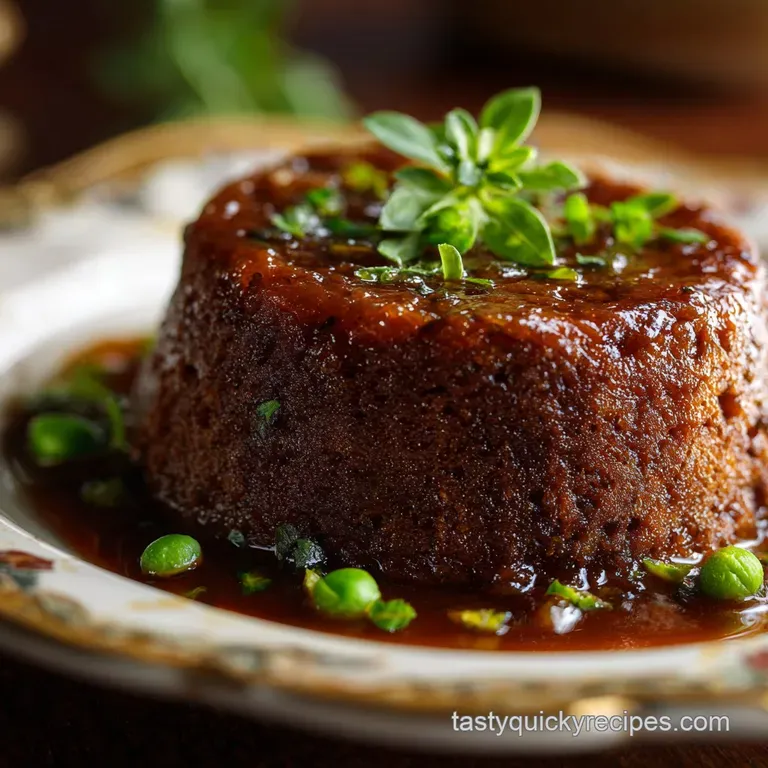
Oh my gosh, listen up. The smell of this cooking transports me instantly. When you pan-fry a thick slice of proper homemade Liver Pudding , the aroma of sizzling sage and rich, savory pork fat hits you in a way that just screams "comfort food." That crispy exterior and creamy, spreadable interior?
Pure gold.
Now, let's be real: talking about making your own Liver Pudding might sound intimidating, but it’s actually the culinary equivalent of making a pot of beans. It is incredibly budget friendly, takes almost zero finesse, and the slow simmering does 90% of the work for you.
We’re talking about turning humble ingredients into a slab of highly seasoned, sliceable deliciousness that lasts all week long.
Forget everything you think you know about pâté or sausage. This southern staple is unique, comforting, and an absolute non-negotiable for my weekend breakfast routine.
Trust me, once you master this classic recipe for Liver Pudding , you’ll never buy the bland, pre-packaged stuff again. Let's crack on and get this authentic, savory loaf simmering!
The Science of Savor: Achieving Perfect Texture and Depth
Why do store-bought versions of Liver Pudding sometimes taste like sad, metallic paste? It's usually because they skimp on quality spices and rush the simmer time. This recipe works because we treat the meat and the resulting broth with the respect they deserve.
We are essentially making an intensely flavored broth that becomes the glue for the entire pudding structure.
A Culinary History: From Nose-to-Tail Tradition
The origin story of Liver Pudding is deeply rooted in necessity and practicality, which is why I love it so much. When you butchered a hog, absolutely nothing went to waste, especially the organ meats.
This dish, often called livermush in certain regions, ensured that the more perishable parts like the liver were cooked, preserved, and seasoned beautifully. Making Liver Pudding is a wonderful tradition of resourceful cooking, transforming simple pork components into a truly satisfying and classic dish.
Liver Pudding vs. Livermush: Understanding the Regional Nuances
Are they the same thing? Yes and no, and this is where the arguments start! Generally speaking, both are made from pork, pork liver, and a grain binder (usually cornmeal or rice), heavily spiced with sage and pepper.
However, traditional Liver Pudding usually contains slightly less binder, resulting in a silkier, softer, more spreadable loaf when cold. Livermush tends to be a bit firmer and is almost always made with cornmeal.
Honestly, if you slice it thick and fry it crispy, the difference is negligible, but this recipe leans toward the creamier, classic Liver Pudding texture.
The Essential Flavour Profile: Earthy, Savoury, and Sage Forward
What makes good Liver Pudding instantly recognizable is the powerful, earthy flavor of the liver balanced beautifully by fat and starch. The dominant spice must be sage. If you’re shy with the sage, your Liver Pudding will taste flat and boring.
We use generous amounts of sage alongside plenty of black pepper and just a hint of nutmeg to achieve that deep, warming, savoury profile. Don't be afraid to season aggressively; the cornmeal absorbs a lot of the flavour punch.
The Cornmeal Binder: Why Fine Grind is Crucial for Structure
The cornmeal is the structural engineer of this entire operation. When you stir it into the boiling hot, reserved broth, it hydrates and gelatinizes, creating a thick, sticky porridge. This starch matrix then binds the ground meat and liver together perfectly when chilled.
I made a terrible mistake once using a very coarse polenta grind, and my loaf just crumbled into grainy chunks when I tried to slice it. Always aim for a medium or fine grind yellow cornmeal for the smoothest, most sliceable Liver Pudding experience.
Optimizing the Meat Ratio: Balancing Pork Liver and Shoulder
We are using a ratio of about 3 parts pork shoulder to 1 part pork liver. This ratio is intentional. The pork shoulder provides the necessary fat and body (the 'meat' texture), while the liver imparts the distinctive earthy, mineral flavor that defines true Liver Pudding .
If you use too much liver, the flavour can become overwhelmingly metallic. This specific balance ensures richness without sacrificing that classic liver taste. The slow simmer tenderizes the tough shoulder cuts perfectly.
The Slow Cook: Extracting Maximum Flavour and Tenderness
Simmering the meats for 90 minutes achieves two things simultaneously. First, the pork shoulder becomes melt-in-your mouth tender, making it easy to process into the final texture. Second, and most importantly, it creates that liquid gold we call the cooking broth.
This broth, packed with dissolved collagen, fat, and essence of pork and aromatics, is non-negotiable for making flavorful and correctly set Liver Pudding . Do not substitute this broth with plain water!
Gathering Your Provisions: Essential Ingredients and Notes
Making great Liver Pudding starts with high-quality ingredients, even though they are generally inexpensive cuts.
Selecting the Right Pork Cuts (Shoulder and Liver)
We need fat and flavour here, which is why pork shoulder (or Boston butt) works best; the high fat content keeps the final product moist and sliceable. The fresh pork liver should look bright and clean, trimmed of any greenish or tough sinew.
| Ingredient | Why We Use It | Substitution Notes |
|---|---|---|
| Pork Shoulder | Fat content, structure, flavour | Use slightly fattier pork butt or picnic shoulder. |
| Fresh Pork Liver | Classic earthy flavour | Beef liver works, but use 1/3 less as it's stronger. Chicken livers are milder and may require more binder. |
| Yellow Cornmeal | The essential binder, classic Southern flavour | Finely ground white cornmeal, or 1.5 cups of finely ground oats. |
| Dried Ground Sage | Defining spice and aroma | If you only have fresh sage, triple the volume (12 Tbsp) and chop it finely. |
| Kosher Salt | Flavor, preservation | Increase if using unsalted broth. Always taste the final mix! |
The Role of Aromatic Seasoning (Sage, Pepper, and Salt Ratios)
I know four tablespoons of sage sounds like a lot, but trust me, it’s necessary for true southern Liver Pudding . The liver has a very strong profile that needs equally strong seasoning to balance it out.
The salt ratio is also crucial we salt initially for the simmer, then adjust drastically at the end after the cornmeal has been added.
Ingredient Swaps: Working with Different Cornmeal Types
As mentioned, medium to fine grind is best for a creamy texture. If you only have coarse ground cornmeal (like for polenta), you might need to increase the liquid by 1/4 cup when making the slurry, as it absorbs liquid slower.
You could also substitute the yellow cornmeal with rice, essentially making a Carolina style Liver Pudding with rice instead of cornmeal binder. It’s absolutely delicious, too!
The Method: A Detailed Guide to Crafting Authentic Liver Pudding
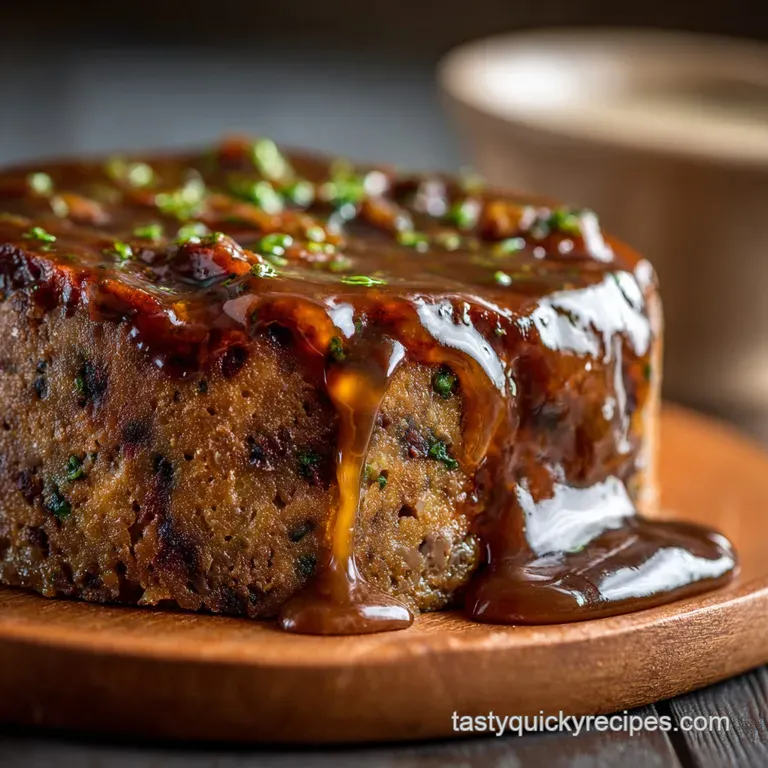
Making proper Liver Pudding is a three part symphony: simmering, blending, and setting. Follow these steps for foolproof results.
Phase One: Preparing and Simmering the Meats
Start by trimming your pork and liver. You want the pieces roughly uniform so they cook evenly. Place them in your largest pot with the onion, bay leaves, and water/stock. Bring it all up to a boil, then immediately drop it to a gentle simmer.
Cook for 90 minutes, skimming off the impurities you want a clean, flavourful broth. This long, slow cook is mandatory for the perfect tenderness needed to make the best Liver Pudding possible.
Phase Two: The Crucial Blending and Seasoning Step
Once the meat is tender, separate the solids and the liquid. Measure out 6 cups of that beautiful, reserved broth and bring it back to a fierce boil. While the broth is reheating, transfer the cooked meat, liver, and onions to your food processor.
Pulse the mixture until it’s finely ground but still slightly rustic; don't make it baby food smooth. Now is the time to gather all your spices for the final seasoning of the Liver Pudding .
Phase Three: Setting the Mixture with Cornmeal
This step happens fast! When the 6 cups of broth are boiling, slowly whisk in the cornmeal. It will thicken almost instantly, creating a very thick, somewhat gloopy porridge. Reduce the heat and stir vigorously for two minutes to cook the starch out slightly.
Remove the pot from the heat and fold in the ground meat mixture and all the spices, including the nutmeg and sage.
Chef's Note: The mixture must be seasoned while hot . Taste and adjust your salt and pepper now . Remember, chilling dulls flavor, so it should taste almost too punchy right now. You can't fix bland Liver Pudding once it's set.
Final Step: Baking, Cooling, and Setting the Loaf
Press the hot mixture firmly into your parchment lined loaf pans. You must press it down hard to eliminate air pockets; air pockets lead to crumbling later. Cover the surface directly with plastic wrap to prevent a skin, and refrigerate. I highly recommend chilling the Liver Pudding overnight.
Four hours is the minimum, but overnight yields the firmest, most sliceable result, ready for its final transformation in the frying pan.
Mastering the Craft: Expert Tips and Troubleshooting
Even the best cooks have run into issues with texture and crumbling. Here are the keys to ensuring your homemade Liver Pudding is perfect every single time.
Achieving Smooth Consistency: Don't Overlook the Grind
A common complaint is that the pudding feels gritty or chunky. If your final product isn't holding together well, you likely needed to process the cooked meats for slightly longer. The goal is fine, uniform particles of meat fully integrated with the liver and onion.
Using a meat grinder with a medium die helps significantly here. If using a food processor, work in batches so you don't overwhelm the machine and ensure a consistent grind for the best Liver Pudding .
Preventing a Crumbly Loaf: The Importance of Proper Hydration
The most common mistake leading to a crumbly loaf is not using enough hot broth to hydrate the cornmeal fully. If the cornmeal mixture looks too dry before you add the meat, add 1/4 cup more boiling broth immediately and stir hard. Remember, the cornmeal is the glue.
Insufficiently hydrated cornmeal means the loaf won't set up properly, leading to structural failure when you try to slice your beautiful Liver Pudding .
How to Adjust Seasoning After Cooling (A Tasting Guide)
Let's say you've chilled the loaf, sliced it, fried a test piece, and decided it needs more salt or spice. What do you do? Sadly, you can't stir seasoning into a solid loaf. If you find your sliced Liver Pudding is too bland, the fix happens at the table.
Serve it with a highly seasoned counterpoint: a spicy vinegar based hot sauce, a very salty cured ham, or a deeply seasoned pepper jelly. This compensates for the lack of internal punch.
Preservation Protocol: Storing Your Savoury Loaf
One of the great joys of making a large batch of Liver Pudding is that it stores wonderfully, making all that hard work pay off for weeks to come.
Short Term Storage: Keeping the Pudding Fresh in the Fridge
Once set, the Liver Pudding will last beautifully in the refrigerator for 7 to 10 days. Keep it wrapped tightly in plastic wrap or sealed in an airtight container to prevent it from drying out or absorbing foreign fridge odors.
Slice it only as needed; the larger, intact loaf retains moisture better than individual slices.
Freezing Whole or Sliced: Best Practices for Longevity
This is a fantastic candidate for freezing! You can freeze the whole loaf or pre-slice it. If freezing the whole loaf, wrap it very tightly in plastic wrap, then aluminum foil, and label the date. It will last 3 to 4 months.
If pre-slicing, separate the slices with small squares of parchment paper before wrapping tightly. Thaw it overnight in the fridge before attempting to pan-fry it. Freezing doesn't harm the texture of the Liver Pudding at all.
How to Serve This Southern Staple: Classic Pairings
Once you have your firm, beautifully seasoned Liver Pudding , the fun begins. How should you eat it? The answer: fried until crispy and served next to something sweet or acidic.
Traditional Breakfast Pairings: Eggs and Grits
You can’t beat the classics. Fry your sliced Liver Pudding in butter or lard until that crust is almost crunchy. Serve it hot alongside fluffy scrambled eggs and a generous bowl of creamy, buttery grits. For true southern comfort, this combination is unbeatable. It’s right up there in the ultimate comfort food category, alongside dishes like Indian Pudding: Classic Sticky Spiced New England Comfort Food .
We often serve it smeared onto toast in place of butter, but that crispy fried exterior is really where the magic happens. A truly brilliant Liver Pudding needs that textural contrast.
Savory Spreads and Acidic Cuts
Because Liver Pudding is so rich and fatty, it desperately needs a counterpoint. I love serving it with a sharp, tangy pepper jelly or even a homemade sweet pickle relish. The vinegar and sugar slice through the density perfectly.
Alternatively, spread a generous dollop of apple butter on the hot, crispy slice. It sounds wild, but the sweet and savory combination is addictive and makes for an unbelievable sandwich filler later in the day.
Making your own Liver Pudding is a rewarding experience, giving you total control over the seasoning and texture. It's a true nod to tradition, and frankly, it tastes miles better than anything you can buy pre-made. Go forth and simmer!
You now have a fantastic, classic Liver Pudding recipe for your repertoire.
Recipe FAQs
Why is my Liver Pudding crumbly or dry instead of holding a firm loaf shape?
This texture issue typically occurs if the ratio of cornmeal binder to liquid and meat is too high, or if the mixture was overcooked initially. Ensure the mixture is very wet and almost pourable before you place it in the loaf pan to cook, as the cornmeal absorbs a significant amount of moisture upon setting.
If slicing is difficult, chill the loaf for at least 8 hours or preferably overnight to fully set the binder.
How long can I safely store leftover Liver Pudding, and does it freeze well?
Uncooked or cooked Liver Pudding loaves can be refrigerated safely for 5 to 7 days when wrapped tightly in plastic wrap and stored in an airtight container. Yes, it freezes excellently; wrap the completely cooled loaf in plastic wrap followed by aluminum foil, and it will keep its quality for up to three months.
Thaw it overnight in the refrigerator before slicing.
Can I use beef liver or chicken liver instead of traditional pork liver in this recipe?
You can substitute the pork liver, but be aware that it will significantly change the classic flavour profile. Chicken liver is much milder but may produce a softer final texture, while beef liver is stronger and can make the pudding taste slightly tougher and more gamey.
For best results, use pork liver or use a higher proportion of pork meat to balance out other liver types.
My pudding tastes slightly metallic or bitter. What went wrong?
A metallic taste usually indicates that the liver was not prepped correctly; always ensure that you carefully trim away all connective tissue, veins, and bile ducts before blending or cooking.
Additionally, bitterness can result from under seasoning, as a generous amount of salt, pepper, and especially sage is needed to balance the deep, earthy flavour of the liver.
What is the traditional and best way to cook and serve Liver Pudding?
The traditional method is to slice the chilled, set pudding loaf into 1/2 inch thick rounds and pan-fry them in hot butter or oil until they are deeply browned and crispy on both sides.
Southern Liver Pudding is most often served as a hearty breakfast side with eggs and grits, or placed hot on white bread with mustard for a quick sandwich.
Can I use flour, rice, or breadcrumbs as a binder instead of cornmeal?
While cornmeal is essential for the authentic Southern texture and flavour (which is closer to Livermush), you can substitute it with other binders, such as cooked rice, rolled oats, or flour.
Be cautious, as these alternatives absorb liquid differently than cornmeal, potentially requiring adjustments to the overall liquid content to achieve a firm loaf consistency.
Classic Southern Liver Pudding
Ingredients:
Instructions:
Nutrition Facts:
| Calories | 589 kcal |
|---|---|
| Protein | 51.7 g |
| Fat | 34.8 g |
| Carbs | 6.2 g |
