Lasagna: Traditional Layered Masterpiece
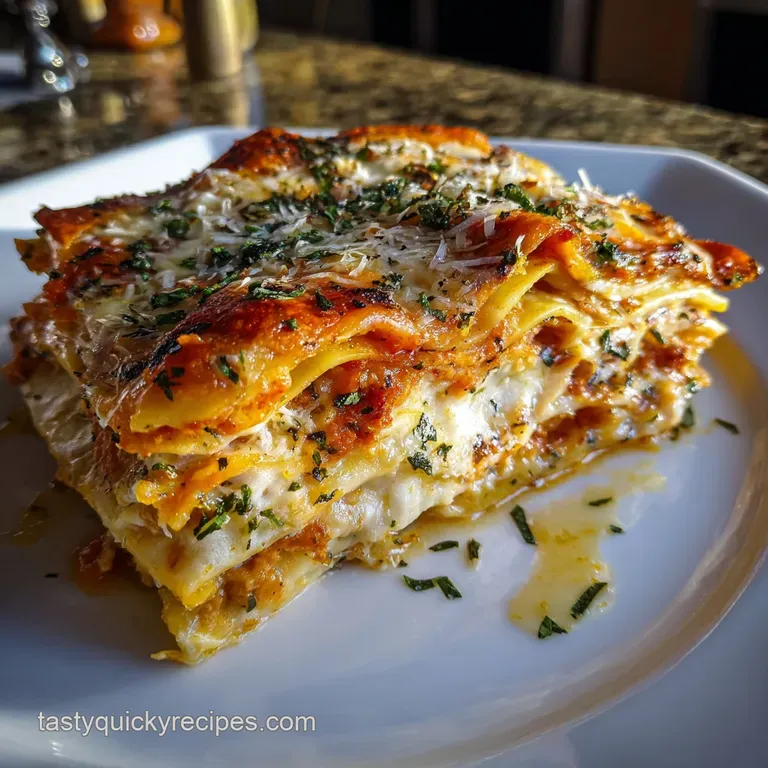
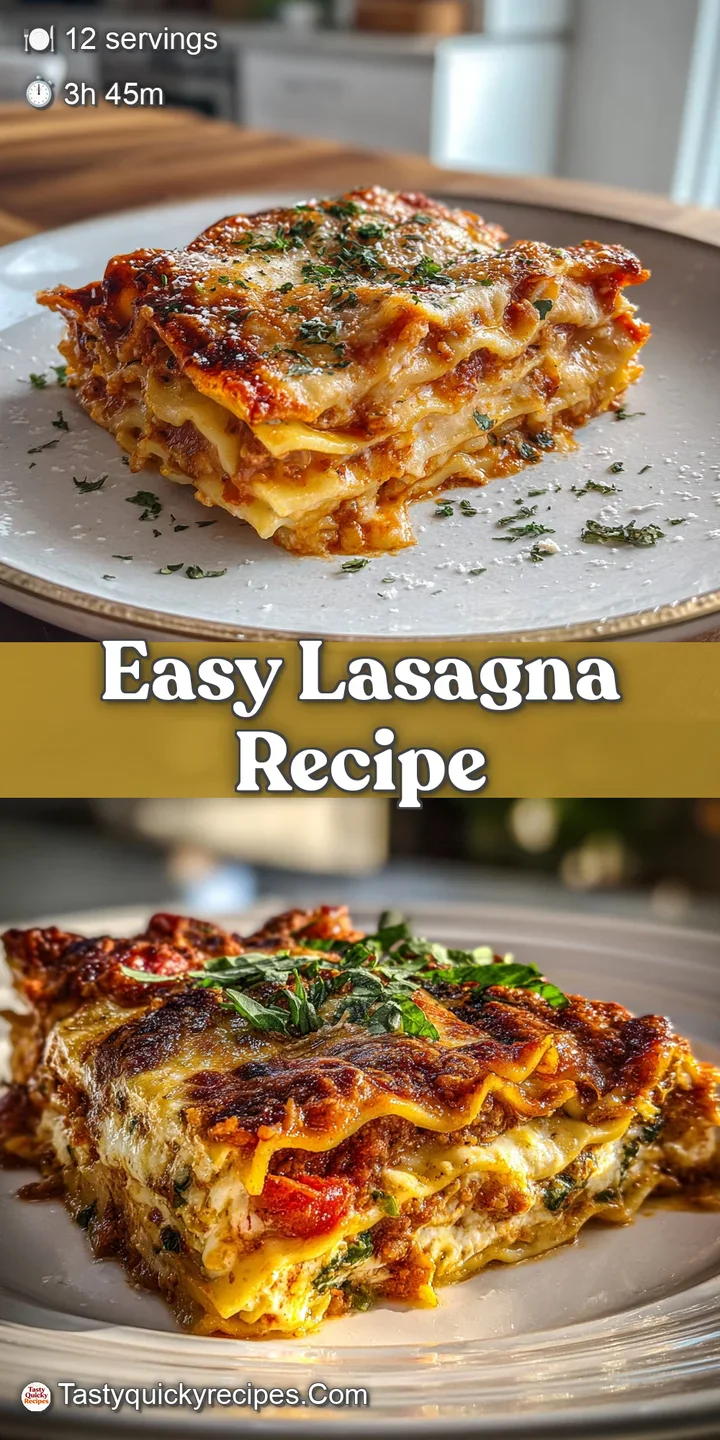
- Time: Active 45 minutes, Passive 3 hours, Total 3 hours 45 minutes
- Flavor/Texture Hook: Velvety ricotta meets a crispy, golden cheese crust
- Perfect for: High energy family lunches or meal prep for a busy week
- Crafting the Ultimate Hearty Traditional Meat Lasagna
- Why This Hearty Recipe Fuels Your Day
- Component Analysis for Maximum Satisfaction
- Essential Ingredients for a Satisfying Meal
- Minimal Tools for This Hearty Bake
- Step-by-Step Guide for Perfect Stacking
- Fixing Common Midday Pasta Mistakes
- Creative Substitutions for Your Pasta Bake
- Long-Term Storage for Future Fueling
- Selecting the Perfect Sides for Energy
- Debunking Kitchen Myths
- High in Sodium
- Lasagna FAQs
- 📝 Recipe Card
Crafting the Ultimate Hearty Traditional Meat Lasagna
The first time I attempted this dish, I underestimated the power of the sizzle. I dropped the ground pork into a lukewarm pan, and instead of a beautiful brown crust, I got a grey, steaming mess. I learned quickly that patience is the secret ingredient for a truly hearty meal.
Now, when that blend of beef and pork shoulder hits the hot olive oil, the aroma of caramelizing meat fills the kitchen, signaling that a serious, fueling lunch is on the way.
We’ve all been there the lasagna that looks like a soup on the plate or the one with noodles so tough they could double as roof shingles. This version is about reliability and satisfaction.
We’re going for layers that stay put, a sauce that’s rich but not greasy, and a cheese topping that offers a satisfying shatter when your fork hits it. It’s a dish designed to leave you feeling satisfied and energized, not ready for a three hour nap.
You don't need fancy gadgets or a culinary degree to pull this off. By focusing on a few key techniques, like the proper way to layer lasagna, you’ll produce a result that rivals any Italian grandmother's Sunday roast.
Let’s get into the mechanics of why this specific method works so well for busy cooks who still want that "all day-simmered" quality.
Why This Hearty Recipe Fuels Your Day
- Maillard Reaction: Hard searing the beef chuck and pork shoulder creates complex flavor molecules that satisfy the palate more deeply than boiled meat.
- Starch Gelatinization: Using the starch from the pasta to slightly thicken the surrounding sauce ensures the layers bond together rather than sliding apart.
- Protein Coagulation: Adding eggs to the ricotta mixture creates a structural "glue" that keeps the creamy center from weeping liquid during the bake.
- Acid Balance: The San Marzano tomatoes provide a sharp brightness that cuts through the heavy fats, keeping the meal feeling light enough for a midday feast.
Stovetop vs. Oven Finishing
| Method | Time | Texture | Best For |
|---|---|---|---|
| Traditional Oven | 45 minutes | Crispy edges, firm layers | Maximum structural integrity |
| Stovetop Skillet | 25 minutes | Softer, saucier, "deconstructed" | Quick weeknight hunger |
| Convection Bake | 35 minutes | Deeply browned, bubbly top | Speeding up the golden crust |
Choosing the right method depends on your schedule. The traditional oven finish is my go to when I want those distinct, beautiful layers that look professional. However, if you're in a rush, a skillet version using the same ingredients provides that same hearty flavor in half the time. If you find yourself enjoying this process, you might also want to try our San Giorgio Lasagna Recipe for a different take on the Sunday classic.
Component Analysis for Maximum Satisfaction
| Ingredient | Science Role | Pro Secret |
|---|---|---|
| Ground Pork Shoulder | Adds high fat/collagen content | Don't drain all the fat; it carries the herb flavors |
| Whole Milk Ricotta | Provides moisture and "heft" | Drain in a fine sieve for 10 minutes before mixing |
| San Marzano Tomatoes | High pectin for a thicker sauce | Crush them by hand for a rustic, chunky texture |
| Nutmeg | Enhances dairy perception | A tiny pinch makes the cheese taste "cheesier" |
Selecting your elements with intention is the first step toward a meal that keeps you fueled. For instance, using 80/20 beef chuck ensures there is enough fat to keep the meat tender during the long three hour simmer. This is similar to the base we use in our signature Meat Sauce Recipe, which relies on slow developed flavors.
Essential Ingredients for a Satisfying Meal
- 1 lb ground beef chuck (80/20) - Why this? High fat content stays juicy during long baking times.
- 1 lb ground pork shoulder - Why this? Adds a distinct sweetness and velvety texture to the ragù.
- 2 tbsp olive oil - Why this? Essential for a high smoke point sear on the meats.
- 1 large yellow onion, finely diced
- 3 cloves garlic, minced
- 56 oz crushed San Marzano tomatoes - Why this? Low acidity and high pulp density for a thick sauce.
- 1/4 cup tomato paste
- 1/2 cup dry red wine - Why this? Deglazes the pan and adds a sophisticated flavor depth.
- 1 lb lasagna noodles
- 30 oz whole milk ricotta cheese
- 2 large eggs
- 1 cup freshly grated Parmesan cheese
- 1/2 cup fresh parsley, chopped
- 1/4 tsp ground nutmeg
- 1 lb low moisture mozzarella cheese, shredded - Why this? Low moisture prevents a soggy, watery bake.
- 1/2 cup freshly grated Pecorino Romano
- 1 tsp dried oregano
- 1 tsp salt
- 1/2 tsp black pepper
Chef's Tip: Always grate your own mozzarella. Pre shredded cheese is coated in potato starch to prevent clumping, which interferes with that perfect, stretchy melt we’re after.
Minimal Tools for This Hearty Bake
To keep things efficient, we’re sticking to the basics. You’ll need a heavy bottomed pot (like a Dutch oven) for the sauce, a 9x13 inch baking dish, and a large mixing bowl. A sturdy spatula is vital for the layering process to ensure you're spreading the ricotta evenly without tearing the noodles.
I also recommend a microplane for the nutmeg and Parmesan to get that fine, snowy texture that melts instantly into the sauce.
| Original Ingredient | Substitute | Why It Works |
|---|---|---|
| Dry Red Wine | Beef Stock + 1 tsp Vinegar | Provides the liquid and acidity without the alcohol |
| Ricotta Cheese | Cottage Cheese (Small Curd) | Higher protein, similar texture. Note: Pulse in blender first |
| Ground Pork | Ground Turkey (Thigh) | Leaner option. Note: Add 1 tsp fennel seed for flavor |
Using high-quality tools doesn't mean having a drawer full of gadgets. A simple, well made baking dish is the most important part of the equation. If the dish is too shallow, your sauce will bubble over and create a smoky mess in your oven. Aim for a dish at least 2.5 inches deep.
step-by-step Guide for Perfect Stacking
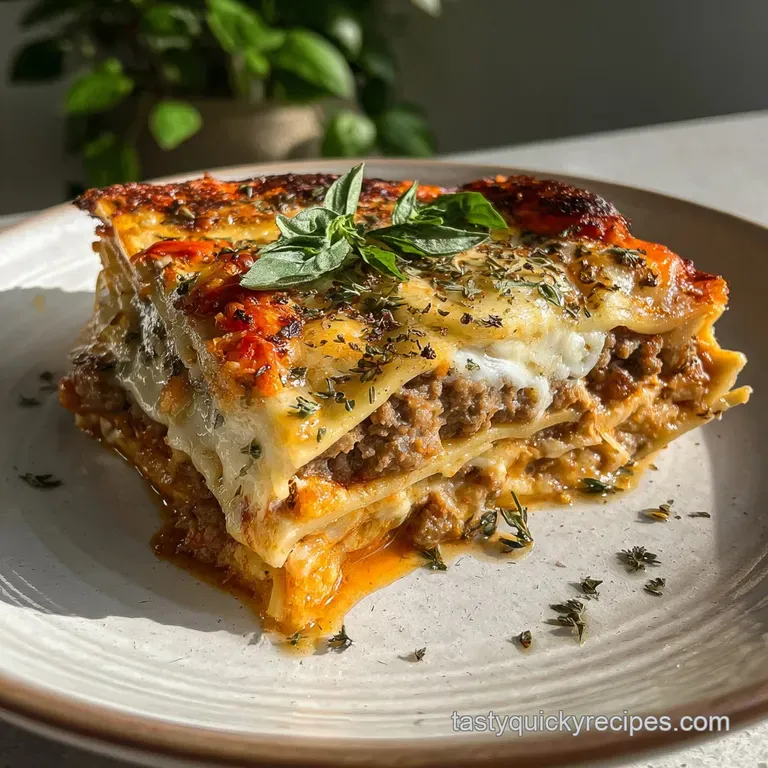
- Brown the meats. Heat olive oil in a large pot and add beef and pork until deep brown and crumbly. Note: Don't rush this; color equals flavor.
- Sauté aromatics. Add onion and garlic to the meat fat until translucent and fragrant.
- Deglaze and simmer. Stir in tomato paste, then pour in red wine, scraping the bottom of the pot.
- Finish the ragù. Add San Marzano tomatoes, oregano, salt, and pepper. Simmer on low for 2 hours until the sauce is thick and rich.
- Prepare noodles. Boil lasagna noodles in salted water until just under al dente (about 2 minutes less than the box suggests).
- Mix the cheese core. Combine ricotta, eggs, Parmesan, parsley, and nutmeg in a bowl until completely smooth.
- Layer the base. Spread 1 cup of sauce in the baking dish, then top with a layer of noodles.
- How to layer lasagna with meat sauce. Spread a third of the ricotta mixture over the noodles, followed by a layer of mozzarella and more meat sauce.
- Repeat and top. Continue to layer lasagna until you reach the top, finishing with a generous layer of mozzarella and Pecorino Romano.
- Bake. Cover with foil and bake at 375°F for 25 minutes, then uncover and bake for 15 minutes until the top is bubbly and golden brown.
The 45 Minute Resting Rule
I know it’s tempting to dive in the second it comes out of the oven. Trust me, I’ve made that mistake. If you cut it too early, the cheese and sauce will flow everywhere, leaving you with a pile of pasta rather than a structured slice.
Giving it at least 30 to 45 minutes to rest allows the starches and proteins to set. This makes the lasagna easier to cut and ensures every bite is perfectly balanced.
Fixing Common Midday Pasta Mistakes
Why is my lasagna watery?
This usually happens because of two things: wet noodles or high moisture cheese. If you don't drain your noodles thoroughly or if you use "fresh" mozzarella (which is packed in water), that excess liquid has nowhere to go but the bottom of your dish.
Always pat your noodles dry with a clean kitchen towel before layering.
| Problem | Root Cause | Solution |
|---|---|---|
| Sliding Layers | Too much sauce between layers | Use 3/4 cup sauce per layer max |
| Dry Edges | Noodles not fully covered | Ensure sauce reaches the very edge of the pan |
| Rubbery Cheese | Overbaked without foil | Cover with foil for the first 25 minutes |
Common Mistakes Checklist
- ✓ Forgot to salt the pasta water (noodles will taste bland)
- ✓ Using cold ricotta (makes it harder to spread evenly)
- ✓ Not deglazing the pan (you're leaving the best flavors behind)
- ✓ Overcrowding the sauce pot (prevents proper reduction)
- ✓ Cutting the lasagna immediately after baking (it will fall apart)
Why are the top noodles crunchy?
If the edges of your noodles are sticking out of the sauce and exposed to the dry heat of the oven, they will turn into crackers. To prevent this, make sure your final layer of cheese and sauce completely "seals" the top layer of pasta.
If you’re worried, you can lightly tuck the edges of the noodles down into the sauce before putting the dish in the oven.
Creative Substitutions for Your Pasta Bake
If you want to keep things even more fueling, you can experiment with the "Bechamel Pivot." This is common in Northern Italy and replaces the ricotta with a creamy white sauce. It makes the dish feel even more velvety, though it takes a bit more time at the stove. For those looking for a different protein profile, you could swap the beef and pork for a Beef Tenderloin recipe leftover, shredded and folded into the tomato base.
- The Vegetarian Swap: Replace the meat with 1 lb of sautéed mushrooms and spinach. Use a bit of balsamic vinegar to mimic the depth of the meat.
- The Quick Version: Use "no boil" noodles, but increase the sauce by 1 cup to provide enough liquid for the pasta to hydrate in the oven.
- The Spice Kick: Add 1 tsp of crushed red pepper flakes to the onion and garlic for a subtle midday heat that keeps you alert.
Downscaling this recipe is quite simple. If you're cooking for two, you can divide the ingredients in half and use an 8x8 inch square pan. The cook time will remain roughly the same, but you’ll want to check for doneness about 5 minutes earlier.
If you're doubling the recipe for a crowd, work in batches when browning the meat to ensure you get that crucial sear rather than steaming the protein.
Long Term Storage for Future Fueling
Lasagna is one of those rare dishes that actually tastes better the next day. The flavors continue to meld in the fridge, making for a very satisfying lunch on Monday. Store leftovers in an airtight container for up to 4 days.
When reheating, add a tiny splash of water to the container before microwaving to create steam and keep the noodles from drying out.
To freeze, I recommend cutting the lasagna into individual portions first. Wrap each slice tightly in plastic wrap and then foil. They will stay fresh for up to 3 months. To reheat from frozen, it’s best to let the slice thaw in the fridge overnight and then bake at 350°F until the center is hot.
This preserves the texture much better than a quick blast in the microwave.
Don't throw away those herb stems or onion peels! I keep a bag in the freezer for "scraps." Once the bag is full, I simmer everything with a few peppercorns to make a quick vegetable stock. It’s a great way to reduce waste while building a base for your next hearty soup or sauce.
Selecting the Perfect Sides for Energy
When you're eating something as rich as this, you need a side dish that offers an acidic counterbalance. A simple arugula salad with a sharp lemon vinaigrette is my favorite choice. The bitterness of the greens and the punch of the lemon clean the palate between bites of cheesy pasta.
- The Classic Crunch: Garlic bread is the traditional partner, but try toasting it with just olive oil and fresh herbs instead of heavy butter to keep the meal from becoming too weighted.
- Acidic Counterbalance: A side of roasted broccolini with a heavy squeeze of lemon and some red pepper flakes provides a nice textural contrast to the soft lasagna.
Debunking Kitchen Myths
One common misconception is that you must boil the noodles until they are soft. In reality, the noodles will continue to cook in the oven as they absorb moisture from the ricotta and sauce. If you boil them to completion on the stove, they will turn into mush by the time the lasagna is done baking.
Always aim for a "chalky" center when testing your boiled noodles.
Another myth is that "searing meat seals in the juices." Science tells us this isn't true; moisture is lost during the browning process regardless. However, searing is essential for the Maillard reaction, which creates the deep, savory flavors that make the lasagna taste "meaty." We do it for the flavor, not the moisture!
Finally, many people think you shouldn't use wine in a "simple" family recipe. But the alcohol cooks off, leaving behind fruit notes and acidity that help balance the richness of the 80/20 beef chuck. It’s a small addition that makes a huge difference in the final complexity of your midday meal. Whether you're making this or a Ribeye Roast recipe, that deglazing step is non negotiable for pro level results.
High in Sodium
980 mg mg of sodium per serving (43% % of daily value)
American Heart Association recommendation about 2,300mg limit.
Tips to Reduce Sodium in Your Lasagna
-
Reduce Salty Cheese-15%
Parmesan and Pecorino Romano cheeses are high in sodium. Reduce the amount of Parmesan cheese to 1/2 cup and Pecorino Romano to 1/4 cup, or substitute with a low-sodium mozzarella. This will significantly lower the sodium content without sacrificing flavor.
-
Low-Sodium Tomatoes-20%
Use no-salt added crushed tomatoes and tomato paste. This simple swap can reduce the sodium content substantially. Look for 'no salt added' on the label.
-
Cut Back Salt-25%
Reduce the added salt by half, using only 1/2 tsp. Taste and adjust after cooking. Remember you can always add more, but can't remove it!
-
Leaner Meats-10%
Select leaner ground beef (90/10) and ground pork. While the sodium content may not drastically decrease, it contributes to overall heart health and reduces fat.
-
Spice It Up
Enhance flavor with fresh herbs and spices like garlic powder, onion powder, basil, and oregano instead of relying on salt. These additions offer a flavorful boost without adding sodium.
-
Rinse Ricotta-5%
Rinse the ricotta cheese before adding it to the lasagna. This can help remove some of the excess sodium. Drain well after rinsing.
Lasagna FAQs
What is the proper way to layer lasagna?
Spread sauce first, then noodles. Follow with a layer of ricotta mixture, mozzarella, and meat sauce. Repeat these layers, ending with a final generous topping of mozzarella and Parmesan cheese. Ensure each layer is spread evenly to prevent gaps and ensure even cooking.
What are common lasagna layering mistakes?
Using too much sauce or having dry noodles. Too much sauce can make the lasagna watery and the layers slide, while not enough sauce, or exposed noodle edges, leads to dry, crunchy noodles. Ensure noodles are submerged in sauce or ricotta and don't over sauce between layers.
How do Italians layer lasagne?
Traditional Italian layering often involves a ragù and béchamel sauce. While regional variations exist, a common approach is a base of ragù, then noodles, a layer of béchamel, cheese (like Parmesan), and sometimes more ragù before repeating.
This technique emphasizes a creamy, integrated texture.
Do you put mozzarella in every layer of lasagna?
Not necessarily in every single layer, but frequently. Most recipes include mozzarella in at least two to three layers for gooeyness, and always as a generous top layer. Some Italian methods might use Parmesan or a béchamel sauce in place of mozzarella in some layers.
Why is my lasagna watery?
Excess moisture from noodles or cheese. This often results from not draining ricotta sufficiently, using fresh mozzarella packed in brine, or overcooking the pasta before baking. Patting noodles dry and using low-moisture cheeses can help prevent this.
Can I use no-boil lasagna noodles?
Yes, but add extra sauce. No-boil noodles absorb liquid directly from the sauce and fillings. Ensure your sauce is sufficiently moist and perhaps add an extra 1/2 to 1 cup of sauce to accommodate their hydration needs during baking, similar to how Stuffed Spaghetti Squash Recipes: Cheesy Beef & Ricotta uses moisture from fillings.
How do I prevent the top noodles from getting too crunchy?
Ensure the top layer is fully covered. The exposed edges of the top pasta layer can dry out and burn. Make sure the final layer of sauce and cheese completely covers the noodles, or tent the lasagna with foil for the first half of baking, like we do in our Ground Beef Recipe with Garlic and Herbs: Steakhouse Quality Skillet Meal to control moisture.
Classic Lasagna Layers
Ingredients:
Instructions:
Nutrition Facts:
| Calories | 702 kcal |
|---|---|
| Protein | 42 g |
| Fat | 36 g |
| Carbs | 37 g |
| Fiber | 4 g |
| Sugar | 8 g |
| Sodium | 980 mg |
