Beef Wellington: Golden and Tender
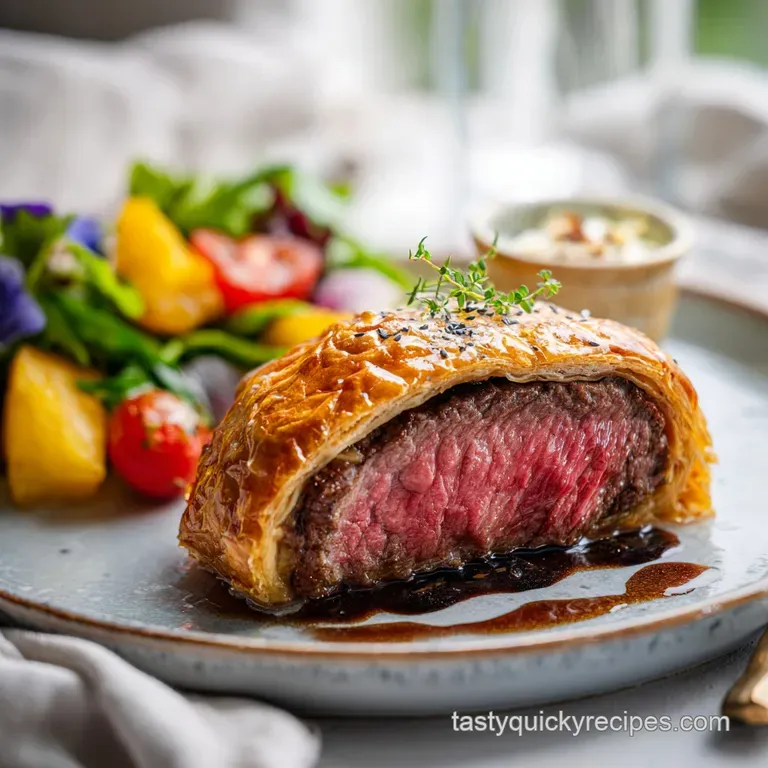
- Time: Active 75 minutes, Passive 40 minutes, Total 115 minutes
- Flavor/Texture Hook: A velvety mushroom core protected by a flaky, salt studded outer shell.
- Perfect for: A satisfying weekend lunch or a high energy holiday centerpiece.
- Avoiding the Common Structural Failures of Beef Wellington
- Why the Moisture Barrier Strategy Works
- Deciphering the Beef Wellington Component Analysis
- Selecting Premium Elements for the Ultimate Umami Experience
- The Essential Arsenal for Mastering Puff Pastry Encasement
- Executing the Precise Eight Stage Assembly and Bake
- Diagnostic Strategies for Maintaining Pastry Integrity and Texture
- Adaptable Flavor Profiles for Diverse Palates and Budgets
- Long Term Storage and Sustainable Leftover Management Strategies
- Hearty Accompaniments to Fuel Your Afternoon and Beyond
- Recipe FAQs
- 📝 Recipe Card
Avoiding the Common Structural Failures of Beef Wellington
Imagine the sizzle of a 2 lb center cut tenderloin hitting a scorching cast iron skillet. That sound is the first step toward a meal that is genuinely fueling and incredibly satisfying. I remember the first time I tried making this for a big family gathering.
I was so focused on the beef that I ignored the mushroom moisture. When I sliced into it, the bottom of the pastry was a sad, grey mush. It was a total letdown after spending all that time in the kitchen. I learned the hard way that this dish isn't just about cooking meat; it's about managing water.
The secret I discovered, and what we are going to lean into today, is the dual layer defense system. We use savory crepes and paper thin prosciutto to create a barrier that keeps the mushroom juices and beef drippings away from the puff pastry.
This ensures the pastry stays crisp enough to shatter when the knife hits it. It's a bit of extra work, but honestly, skipping the crepes is the fastest way to ruin a beautiful piece of meat. Trust me, once you see that golden, flaky cross section, you'll never go back to the "shortcut" versions.
We want a meal that leaves everyone feeling energized and full without that heavy, greasy after effect of a poorly executed pastry. This version is balanced, hearty, and uses a chilled set technique that makes the final bake almost foolproof.
Right then, let's get into why these specific steps actually make such a massive difference in your kitchen results.
Why the Moisture Barrier Strategy Works
To understand why this method is so effective, we have to look at what happens inside that pastry cocoon during the 40 minutes of bake time. It is a humid environment where steam is the enemy of crispiness.
- Thermal Conductivity Control: Searing the beef for 1-2 minutes per side creates a caramelized exterior that slows down juice release while providing a deep, roasted flavor.
- Evaporative Drying: Cooking the mushroom duxelles until the pan is completely dry ensures no hidden liquid turns your puff pastry into a soggy mess later.
- The Crepe Shield: Using a savory crepe acts as an edible sponge, catching any stray moisture from the mushrooms before it can reach the dough.
- Cold Set Stability: Chilling the assembled cylinder for 30 minutes twice allows the fats to solidify, ensuring the Wellington holds its shape and the pastry doesn't melt too fast in the oven.
| Thickness | Internal Temp | Rest Time | Visual Cue |
|---|---|---|---|
| 2 inch center cut | 125°F | 10-15 minutes | Deep golden pastry, pink center |
| 1.5 inch individual | 125°F | 5-8 minutes | Pastry is puffed and rigid |
| 3 inch roast | 130°F | 20 minutes | Dark brown lattice, warm center |
Using a thermometer is non negotiable here. Since the beef is hidden inside the pastry, you can't just poke it to see if it's done. You want that internal temp to hit exactly 125°F for a medium rare result that is incredibly tender.
This precision is what turns a regular dinner into a truly hearty midday feast that keeps everyone fueled for the rest of the day.
Deciphering the Beef Wellington Component Analysis
The ingredients we use aren't just for flavor; they are structural components. Each one plays a specific role in maintaining the integrity of the roast. When we look at the shopping list, we aren't just buying food; we are buying tools for a successful bake.
| Ingredient | Science Role | Pro Secret |
|---|---|---|
| Beef Tenderloin (2 lbs) | Lean protein structure | Always choose the center cut "Chateaubriand" for even cooking. |
| Cremini Mushrooms (1.5 lbs) | Umami rich moisture buffer | Mince them almost to a paste to ensure they pack tightly around the beef. |
| Prosciutto (8 slices) | Salt cured fat barrier | Overlap them slightly to create a continuous, waterproof sheet. |
| Puff Pastry (14 oz) | Laminated fat insulation | Keep it in the fridge until the very last second to preserve the layers. |
Each of these items needs to be handled with care. If your puff pastry gets too warm, the butter layers will melt together and you'll lose that "shatter" effect. If your mushrooms aren't minced finely enough, they will create air pockets that cause the Wellington to collapse when sliced.
Selecting Premium Elements for the Ultimate Umami Experience
To get this right, you need the right stuff. I'm talking about ingredients that are fresh and high-quality. This is a special dish, so don't settle for the budget beef if you can help it. You want a 2 lb center cut beef tenderloin that has been trimmed of all silver skin.
This cut is the most tender and will provide that velvety texture we are after.
- Beef Tenderloin (2 lbs): Center cut only. Why this? Even thickness ensures the ends don't overcook while the middle stays raw.
- Sub: Venison loin. It's leaner but offers a similar shape and texture.
- English Mustard (2 tbsp): Strong and tangy. Why this? The acidity cuts through the rich fat of the beef and pastry.
- Sub: Dijon mustard. It's a bit milder but still provides that necessary zing.
- Cremini Mushrooms (1.5 lbs): Also known as baby bellas. Why this? They have a lower water content than white button mushrooms.
- Sub: Shiitake or Porcini mix for an even deeper, earthier flavor.
- Prosciutto di Parma (8 slices): Paper thin. Why this? It provides a salty kick and acts as a moisture barrier.
- Sub: Crepes only (if avoiding pork), though you lose some structural stability.
- All-Butter Puff Pastry (14 oz): Chilled. Why this? Butter based pastry tastes better and rises more reliably than oil based versions.
- Sub: Rough puff (homemade) if you have the time and patience.
- Egg Yolks (2 large): Beaten with water. Why this? High fat content creates that deep, mahogany gloss on the crust.
- Sub: Whole egg wash, though the color will be lighter and less intense.
- Savory Crepe Ingredients: Flour (0.5 cup), milk (0.5 cup), 1 egg, and chives (1 tsp). Why this? This is your secret moisture absorbing layer.
- Sub: Tortillas in a pinch, but the texture is much tougher and less refined.
This savory beef pairs perfectly with my Beef Gravy recipe, which uses the same flavor profile to tie the whole plate together. The richness of the gravy complements the lean tenderloin beautifully.
The Essential Arsenal for Mastering Puff Pastry Encasement
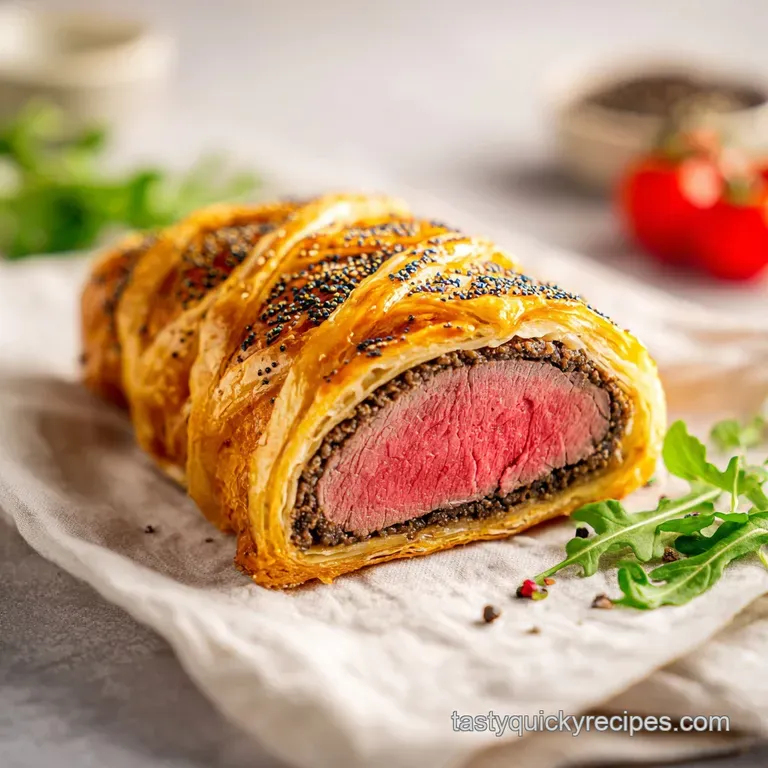
You don't need a professional kitchen, but a few specific tools will save you a massive headache. The most important thing is a really sharp knife. You are going to be slicing through layers of delicate pastry, meat, and mushrooms. If your knife is dull, you'll just squash everything into a mess.
A serrated knife is actually my secret weapon for the final service.
A good heavy bottomed skillet, like a Lodge cast iron, is essential for that initial sear. You want something that holds heat so the beef browns instantly without cooking the inside. You'll also need a solid amount of plastic wrap. I’m serious, go get a fresh roll.
You'll be using it to roll the beef into a tight cylinder, which is the only way to get that professional, round shape.
Finally,, an instant read thermometer is your best friend. I can't stress this enough. If you guess the doneness, you are gambling with a very expensive piece of meat. Aim for 125°F. Once it hits that number, pull it out.
The carryover heat will bring it up to a perfect 130-135°F as it rests.
Executing the Precise Eight Stage Assembly and Bake
Right then, let's get down to business. This process is all about the "prep flow." If you try to rush any of these chilling steps, the Wellington will fall apart. Take your time, keep everything cold, and follow the sequence.
- Sear the Beef. Season the 2 lbs of tenderloin generously with salt and pepper. In a scorching hot skillet with a touch of oil, sear the meat for 1-2 minutes per side. until a dark, crusty bark forms. Remove it and immediately brush with 2 tbsp of English mustard while the meat is still warm to help it absorb.
- Dry the Duxelles. Mince 1.5 lbs of mushrooms in a food processor until they look like coarse sand. Sauté them in a dry pan. until all the steam stops rising. Add 2 tbsp butter, diced shallots, garlic, and thyme. Cook until it’s a thick, spreadable paste. Let this cool completely.
- Flip the Crepes. Whisk 0.5 cup flour, 0.5 cup milk, 1 egg, and chives. Cook thin crepes in a non stick pan. until the edges are lacy and set. You only need a few to cover the beef.
- Lay the Foundation. Lay out a large sheet of plastic wrap. Arrange the crepes in a rectangle, then layer 8 slices of prosciutto on top. Spread the cooled mushroom duxelles in an even layer over the prosciutto, leaving a small border at the edges.
- The First Roll. Place the seared beef at one edge of the mushroom covered prosciutto. Using the plastic wrap, roll it into a tight, compact cylinder. Twist the ends of the wrap like a candy wrapper to compress it. Chill in the fridge for 30 minutes until the roll feels firm and holds its shape.
- The Pastry Wrap. Roll out 14 oz of puff pastry on a floured surface. Unwrap the chilled beef cylinder and place it in the center. Brush the edges with egg wash. Fold the pastry over the beef, trimming any excess so you don't have a thick "seam." Seal the ends and wrap tightly in fresh plastic wrap. Chill for another 30 minutes.
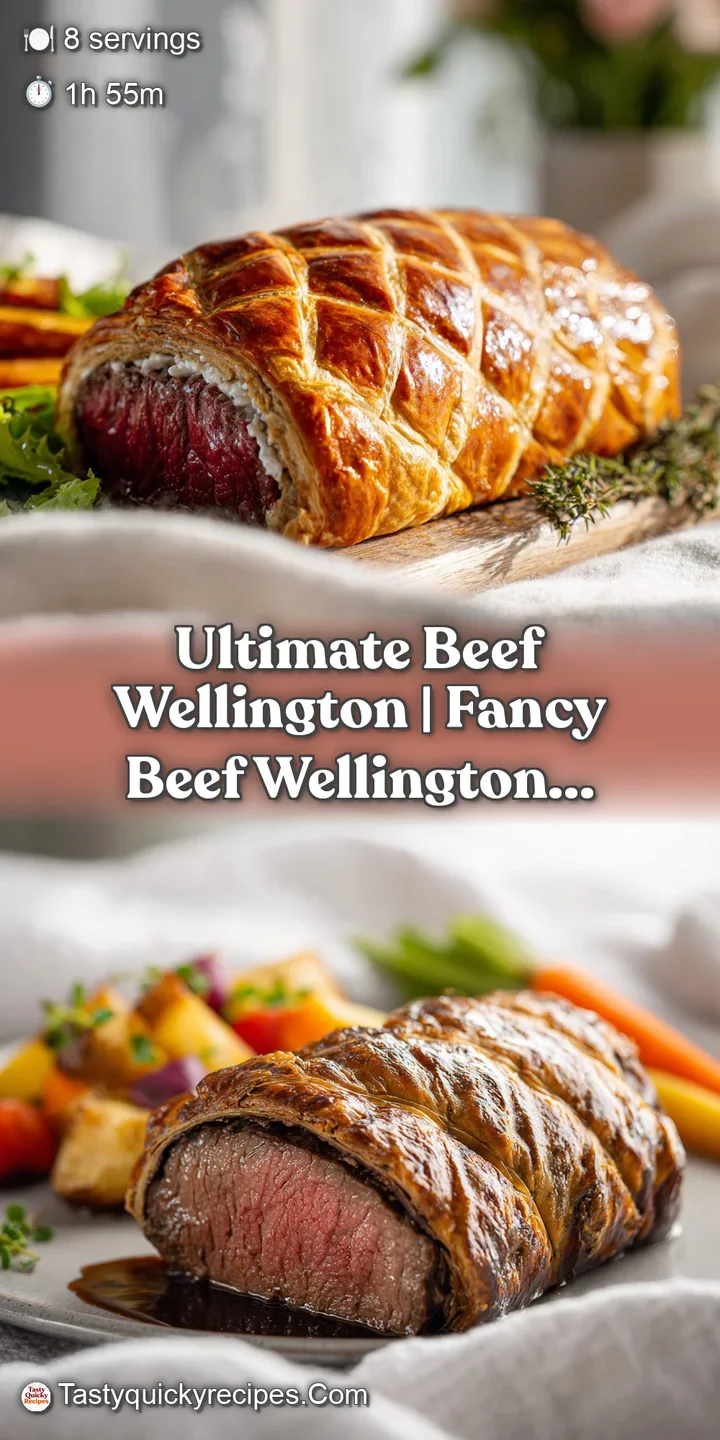
- The Golden Bake. Preheat your oven to 400°F (200°C). Unwrap the Wellington, brush the entire surface with the remaining egg wash, and score it lightly with a sharp knife in a diamond pattern. Sprinkle with flaky sea salt. Bake for 35-40 minutes until the pastry is deeply bronzed and the internal temperature hits 125°F.
- The Mandatory Rest. This is the hardest part. Let the roast sit for 10-15 minutes. Note: This allows the juices to redistribute so they don't flood the pastry when you slice it. Use a serrated knife for clean, beautiful slices.
If you find yourself with beef scraps or extra shallots, they're perfect for a Beef Vegetable Soup recipe. It’s a great way to ensure nothing goes to waste while prepping such a grand meal.
Diagnostic Strategies for Maintaining Pastry Integrity and Texture
Even with the best plan, things can go sideways. The most common issue is the "soggy bottom," which usually happens because of trapped steam. If you see liquid pooling on your baking sheet, your mushrooms probably weren't dry enough.
Why Your Pastry Is Soggy
If the bottom of your Wellington is wet and floppy, it’s usually because the mushroom duxelles still had moisture or the crepes were skipped. The mushrooms need to be cooked until they literally stop releasing steam in the pan.
Another culprit is not letting the beef rest long enough after the initial sear; if it’s still dripping juices when you wrap it, those juices will soak the pastry.
| Problem | Root Cause | Solution |
|---|---|---|
| Pastry is raw inside | Oven temp too low or roll too thick | Use 400°F and ensure pastry is rolled to 1/4 inch thickness. |
| Beef is overcooked | No thermometer used or skipped resting | Pull at 125°F exactly and rest for 15 minutes. |
| Pastry burst open | Seams weren't sealed or no steam vents | Brush seams well with egg wash and score the top deeply. |
Common Mistakes Checklist
- ✓ Pat the beef completely dry with paper towels before searing (this ensures a crust rather than steaming the meat).
- ✓ Let the mushroom duxelles cool to room temperature before spreading (warm mushrooms will melt the pastry fat prematurely).
- ✓ Don't skip the second 30 minute chill after wrapping in pastry (this sets the shape so it doesn't slump in the oven).
- ✓ Use a baking sheet with low sides or a wire rack to allow hot air to circulate under the pastry.
Adaptable Flavor Profiles for Diverse Palates and Budgets
You don't always have to stick to the classic script. Sometimes you want something a bit different, or maybe the tenderloin price tag is a bit much for a random Tuesday. You can adapt this method to fit your needs without losing that satisfying, fueling quality.
- If you want a budget friendly version, do a "Pork Wellington." Use a pork tenderloin instead of beef. It’s significantly cheaper and pairs beautifully with a mushroom and apple duxelles. Just make sure to cook the pork to 145°F.
- If you want a vegetarian option, do a "Beet Wellington." Roast large whole beets until tender, peel them, and wrap them exactly like the beef. The earthy sweetness of the beets works surprisingly well with the mushrooms and pastry.
- If you want individual portions, do "Wellington Parcels." Cut the beef into 6 oz steaks before searing and wrap each one separately. This is great for dinner parties because you can tailor the doneness for each guest.
| Premium Option | Budget Alternative | Flavor Impact | Savings |
|---|---|---|---|
| Center cut Tenderloin | Beef Top Sirloin Roast | Slightly chewier but still very beefy | Save $20-30 |
| Prosciutto di Parma | Deli style Black Forest Ham | Smokier, less salty | Save $5-8 |
| Fresh Thyme & Garlic | Dried Thyme & Garlic Powder | Less bright, more muted aromatics | Save $3-5 |
Scaling this recipe up is fairly straightforward. If you are feeding 16 people, I recommend making two separate 2 lb roasts rather than one giant 4 lb one. This ensures the center cooks evenly without the ends becoming dry. If scaling down for two, individual portions are definitely the way to go.
Just reduce the baking time by about 10-15 minutes.
Long Term Storage and Sustainable Leftover Management Strategies
Leftover Beef Wellington is a rare thing in my house, but it does happen. The main challenge is reheating without turning the medium rare beef into grey leather or making the pastry soggy.
Storage Guidelines:Fridge: Keep leftovers in an airtight container for up to 3 days. To keep the pastry as crisp as possible, wrap it loosely in a paper towel before putting it in the container.
Freezer: You can freeze the fully assembled (but unbaked) Wellington for up to 2 months. Wrap it in three layers of plastic wrap and one layer of foil. Bake it directly from frozen, adding about 15-20 minutes to the total time.
Zero Waste Tips: Don't throw away those mushroom stems! I usually toss them into a freezer bag for my next batch of beef stock. The pastry scraps can be brushed with cinnamon sugar and baked for a quick snack while the main roast is in the oven.
If you have leftover beef that’s a bit overcooked the next day, slice it thin and use it for a high energy steak salad or a hearty sandwich with extra English mustard.
Hearty Accompaniments to Fuel Your Afternoon and Beyond
When serving something as rich and satisfying as Beef Wellington, you want sides that provide balance. Since the dish is heavy on fats and proteins, I usually go for something bright and acidic or a classic roasted vegetable.
- Honey Glazed Carrots
- The sweetness of the carrots cuts through the earthy mushrooms. Roast them with a bit of ginger to add a spicy note that keeps you energized.
- Garlic Mashed Potatoes
- If you want the ultimate comfort meal, this is it. Use plenty of butter and cream to match the decadence of the pastry.
- Roasted Asparagus
- A simple tray of asparagus with lemon zest provides a fresh, crunchy contrast to the velvety beef.
Searing meat does not "seal in juices." This is a total myth. We sear the beef solely for the flavor and color. The moisture loss happens regardless of the sear, which is why the resting period and the moisture barriers (crepes and prosciutto) are so vital for the final result.
Another myth is that you must use expensive wild mushrooms. While they are great, standard cremini mushrooms provide plenty of umami and are much easier on the wallet. The technique of drying them out in the pan is far more important than the specific variety you choose.
Stick to the plan, keep your ingredients cold, and you'll have a show stopping beef wellington that everyone will be talking about for weeks. It’s a stopping beef wellington that truly delivers on flavor and satisfaction.
Recipe FAQs
Why is it necessary to sear the beef before wrapping it?
Searing creates a flavorful crust and initiates the browning process. Patting the beef completely dry with paper towels beforehand is essential, as this prevents the meat from steaming in the pan.
How to ensure the puff pastry stays crisp on the bottom?
Use a baking sheet with low sides or a wire rack to promote air circulation. This prevents the pastry from becoming soggy while cooking at 400°F (200°C).
Is it possible to use frozen mushrooms for the duxelles?
No, stick with fresh cremini mushrooms. Frozen mushrooms hold too much moisture, which will ruin the texture of your pastry; if you prefer a dish where mushrooms can be sautéed quickly, consider our beef stroganoff recipe.
Why does the mushroom mixture need to be completely dry?
Excess moisture is the primary cause of a soggy bottom. Sauté the mushrooms until the pan is dry and the mixture becomes paste like, then let it cool fully to room temperature before assembly.
How to prevent the Wellington from slumping in the oven?
Chill the wrapped cylinder for at least 30 minutes before baking. This rest period sets the shape of the pastry and ensures the structure remains firm during the 35-40 minute cook time.
Is it true the beef must be fully cooked before it enters the oven?
No, this is a common misconception. You only sear the beef for 1-2 minutes per side to brown it; the final internal temperature of 125°F is reached during the 40-minute oven bake.
How to achieve the perfect slice after cooking?
Allow the Wellington to rest for 15 minutes before cutting. Use a serrated knife to gently saw through the puff pastry, which prevents the crust from crushing and keeps the meat juices contained.
Classic Beef Wellington
Ingredients:
Instructions:
Nutrition Facts:
| Calories | 692 kcal |
|---|---|
| Protein | 46g |
| Fat | 42g |
| Carbs | 31g |
| Fiber | 2g |
| Sugar | 3g |
| Sodium | 780mg |
