Traditional Beef Lasagna Recipe
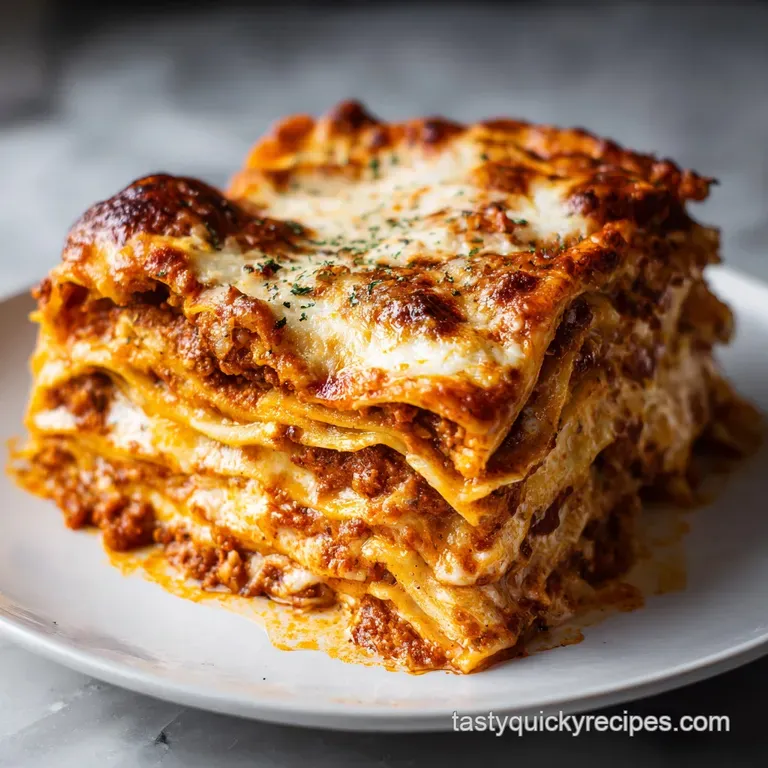
- Time: Active 20 minutes, Passive 45 minutes, Total 1 hours 5 mins
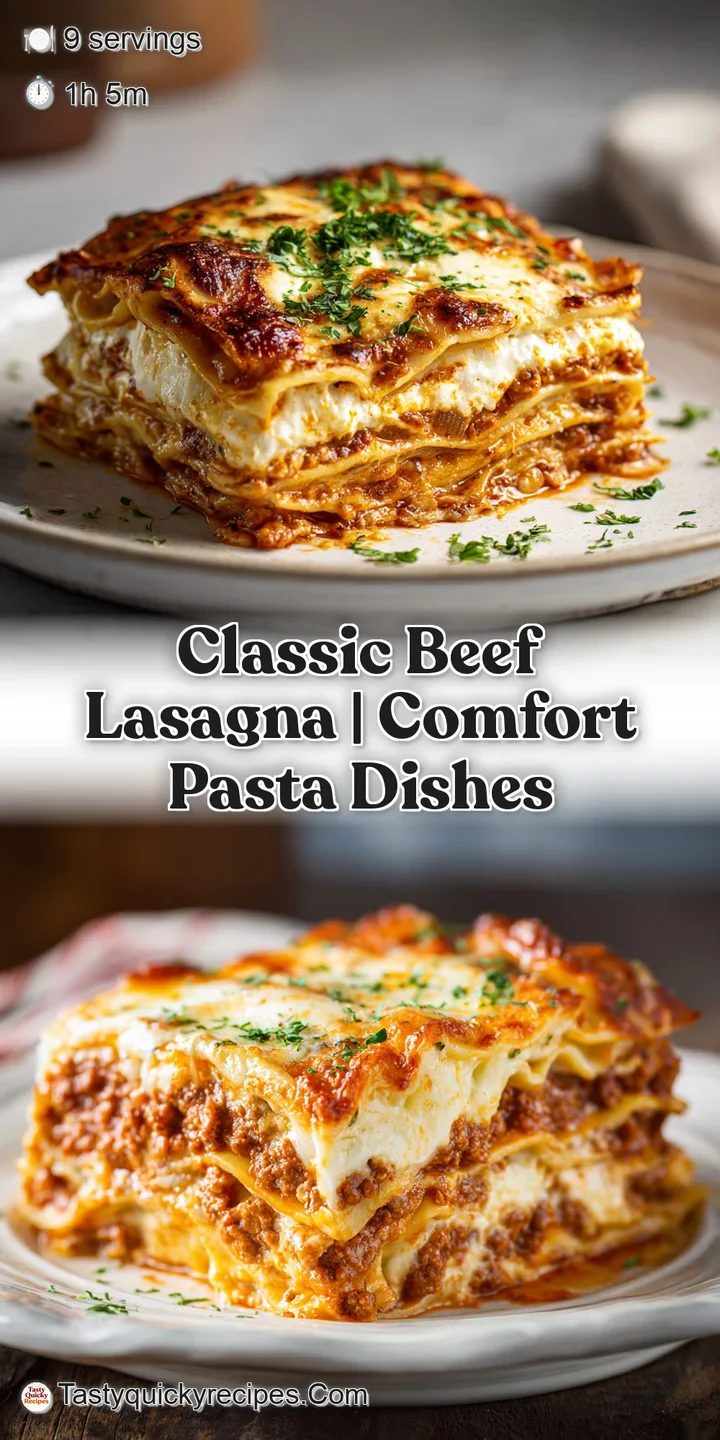
- Flavor/Texture Hook: Velvety ricotta against a savory, browned cheese crust
- Perfect for: Sunday family dinner or stress free meal prep
- The Ultimate Guide to Crafting a Perfect Lasagna
- Why This Specific Meat Sauce Works
- Key Specifications for Your Baking Success
- The Elements of a Balanced Filling
- Minimal Tools for a Reliable Result
- Simple Steps for a Flawless Bake
- Solutions for Common Baking Texture Issues
- Simple Ways to Adapt Different Diets
- Managing Leftovers and Practical Storage Tips
- Perfect Pairings for Your Finished Table
- Very High in Sodium
- Recipe FAQs
- 📝 Recipe Card
The Ultimate Guide to Crafting a Perfect Lasagna
There’s a specific sound when you pull a fresh tray of Lasagna out of the oven. It’s that soft, rhythmic sizzle of the red sauce bubbling around the edges, competing with the aroma of toasted garlic that fills every corner of the house.
I remember the first time I got it right the cheese on top had that perfect shatter, and the layers didn't just slide into a heap on the plate. It felt like a massive win for a home cook who usually spends most evenings juggling laundry and homework.
Honestly, I used to be terrified of making this. I thought it required a whole day and a dozen different pots, but I’ve learned that a few smart shortcuts can actually improve the final result.
Using no boil noodles isn't just a time saver; it actually helps the structure because those noodles soak up the excess moisture from the sauce, keeping everything tight. We're going for flavor and reliability here, not a culinary degree.
We’ve all had those "lasagna soup" moments where the first slice looks more like a messy stew than a pasta dish. Trust me, it’s usually just a matter of moisture management and a little bit of science.
This recipe is my tried and true method for getting that sturdy, restaurant quality stack without the fuss of boiling giant sheets of slippery pasta. Let’s get stuck in and make something your family will actually talk about all week.
Why This Specific Meat Sauce Works
- Fat Emulsification: The 80/20 beef chuck releases fat that binds with the tomato paste, creating a silky mouthfeel rather than a watery sauce.
- Starch Absorption: Using no boil noodles allows the pasta to hydrate directly from the ragu, locking the layers together as they bake.
- Protein Coagulation: Adding a large egg to the ricotta ensures the cheese layer sets firmly instead of weeping liquid during the cook.
- Maillard Reaction: Searing the Italian sausage until dark brown creates complex flavor compounds that simple boiling can't replicate.
| Cooking Method | Active Time | Texture Outcome | Best For |
|---|---|---|---|
| Traditional Oven | 20 mins | Crispy edges, firm layers | Sunday dinner, hosting guests |
| Stovetop Skillet | 10 mins | Softer, saucier, loose | Fast weeknight, 2-3 people |
While the oven method provides that iconic browned crust, the stovetop version is a great backup if you're in a massive rush. However, for a true Lasagna for 10 People recipe, the oven is non negotiable for that consistent heat and structural integrity.
Key Specifications for Your Baking Success
Precision is your friend when you're trying to avoid a soggy bottom or a burnt top. When you learn how to make lasagna with these specific checkpoints, the guesswork disappears.
- Checkpoint 1: Sauce reduction. Simmer the beef and tomato mixture until it coats the back of a spoon if it's too thin, your pasta will slide.
- Checkpoint 2: Internal temperature. Aim for 75°C in the center to ensure the egg in the ricotta has fully set the cheese matrix.
- Checkpoint 3: The rest period. You must wait at least 15 minutes before slicing; this allows the starches to firm up for clean layers.
| Component | Science Role | Pro Secret |
|---|---|---|
| Tomato Paste | Umami booster | Fry it with the garlic until it turns brick red for deeper flavor. |
| Whole Milk Ricotta | Moisture & Creaminess | Don't use low-fat; it contains more water and will make the dish soupy. |
| No Boil Noodles | Structural Binder | Make sure they are completely covered in sauce to avoid crunchy edges. |
Getting the sauce right is half the battle, so if you're looking for a deep, slow cooked flavor, checking out a dedicated Meat Sauce Recipe can give you a great head start on the flavor profile.
The Elements of a Balanced Filling
- 680g Ground Beef Chuck: The primary protein. Why this? The 20% fat content provides essential moisture and flavor.
- 450g Italian Sausage: Adds spice and depth. Why this? Casings removed to integrate perfectly into the sauce.
- 1 large Yellow Onion: Sweetness and aromatics.
- 4 cloves Garlic: Freshly minced is a must.
- 800g Tomato Passata: The smooth base of our ragu.
- 156g Tomato Paste: For thick, concentrated tomato flavor.
- 10g Dried Oregano & 5g Red Pepper Flakes: Essential Italian seasoning.
- 425g Whole Milk Ricotta: The creamy heart of the dish.
- 1 large Egg: Acts as the "glue" for the cheese layer.
- 50g Parmigiano Reggiano: Salty, sharp kick.
- 450g Low Moisture Mozzarella: Essential for the pull and crust.
- 375g No Boil Lasagna Noodles: The framework.
- Salt and Black Pepper: To taste.
Minimal Tools for a Reliable Result
You don't need a high end kitchen to make this work, but a few basics make life easier. Grab a large, heavy bottomed pot (like a Dutch oven) for the sauce and a standard 9x13 inch baking dish.
A box grater is better than pre shredded cheese because those bags are coated in potato starch, which prevents the mozzarella from melting into a silky pool.
A simple rubber spatula is actually better for spreading the ricotta than a spoon it gives you a more even layer without tearing the noodles underneath. Honestly, the most important tool is your oven timer. Don't rely on your "gut feeling" when you're hungry; set the clock and let the heat do its job.
Simple Steps for a Flawless Bake
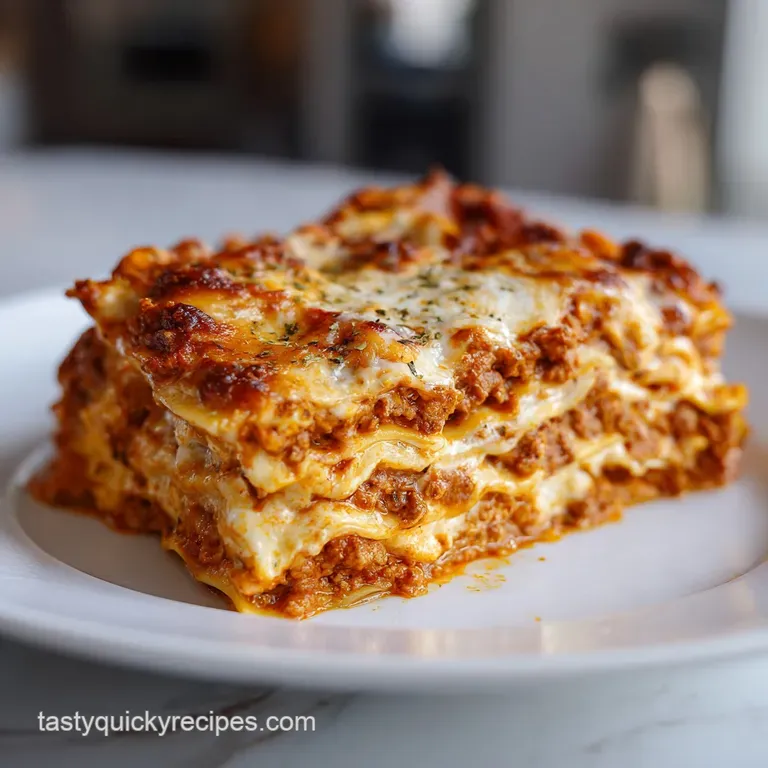
- Brown the meats. Sauté the 680g beef chuck and 450g sausage in a large pot until no pink remains and bits are crispy.
- Sauté the aromatics. Add the diced onion and garlic to the meat fat, cooking until the onions are translucent and fragrant.
- Simmer the ragu. Stir in the 800g passata, 156g tomato paste, and spices. Cook for 20 minutes until the sauce is thick and dark.
- Mix the cheese. In a bowl, combine 425g ricotta, the egg, 50g parmesan, and parsley until a smooth, pale green paste forms.
- Layer the base. Spread a thin layer of meat sauce on the bottom of the dish until the glass is barely visible. Note: This prevents the bottom noodles from sticking.
- Assemble the middle. Place a layer of 375g no boil noodles, then 1/3 of the ricotta, then 1/3 of the meat sauce, and a handful of mozzarella.
- Repeat the pattern. Continue layering until you reach the top of the dish, finishing with a generous layer of mozzarella.
- Bake with foil. Cover tightly and bake at 180°C for 25 minutes until the noodles are tender when pierced.
- Final brown. Remove the foil and bake for another 20 minutes until the cheese is bubbly and golden brown.
- Wait to slice. Let the tray sit on the counter for 15 minutes until the layers have settled and stopped bubbling.
Solutions for Common Baking Texture Issues
Why Your Lasagna is Soupy
The most common culprit is too much liquid in the sauce or the ricotta. If you find a puddle in your pan, it’s usually because the sauce wasn’t reduced enough or you used a high moisture "fresh" mozzarella instead of the low moisture block.
To make lasagna that stays together, always drain any excess fat from your meat before adding the tomatoes.
Softening Hard Noodle Edges
If the edges of your noodles are crunchy and white, it means they didn't have enough sauce to hydrate. This happens often with no boil sheets. Ensure your sauce goes all the way to the very edge of the baking dish, completely "submerging" the pasta.
| Problem | Root Cause | Solution |
|---|---|---|
| Dry Pasta | Not enough sauce | Add 1/2 cup of water to the sauce if using no boil noodles. |
| Greasy Surface | High fat sausage | Drain the meat thoroughly before simmering with tomatoes. |
| Sliding Layers | Cutting too early | Wait 15 minutes for the proteins to firm up before slicing. |
Common Mistakes Checklist
- ✓ Pat the ricotta dry if it looks watery in the container.
- ✓ Avoid pre shredded mozzarella as it prevents a proper melt.
- ✓ Ensure the meat sauce is thick, not runny, before assembly.
- ✓ Don't skip the egg in the cheese mixture - it's your structural insurance.
- ✓ Make sure the top layer of noodles is completely covered in cheese to prevent drying.
Simple Ways to Adapt Different Diets
If you need to scale this recipe down for a smaller household, you can easily halve the ingredients and use an 8x8 inch square pan. The cook time will stay roughly the same, though you might want to check for doneness 5 minutes earlier.
For a massive crowd, doubling the recipe requires two pans; avoid stacking them on the same rack in the oven to ensure even heat circulation.
Baking for a larger group? Just remember that when you double the spices, start with 1.5x the amount of salt and pepper first you can always add more, but you can't take it out once it's in the sauce.
Managing Leftovers and Practical Storage Tips
Lasagna is one of those rare dishes that actually tastes better the next day. The flavors of the garlic and oregano have more time to mingle, and the texture becomes even firmer. You can keep it in the fridge for up to 4 days in an airtight container.
If you have extra meat sauce, don't toss it it makes an incredible topping for baked potatoes or even a quick pizza toast for the kids.
For freezing, I recommend cutting the lasagna into individual squares first. Wrap each piece tightly in plastic wrap and then foil. They’ll stay fresh for up to 3 months. When you're ready to eat, you can reheat them directly from frozen in the oven at 180°C for about 20 minutes, or use the microwave if you're in a hurry.
Perfect Pairings for Your Finished Table
Since this is such a heavy, savory dish, I always serve it with something bright and acidic. A simple green salad with a lemon vinaigrette cuts through the richness of the ricotta beautifully. If you're looking for more comfort, a crusty garlic bread is the classic choice for mopping up any leftover sauce on the plate.
Don't overthink the presentation. This is a rustic, family style meal. Just place the whole tray in the center of the table and let everyone dig in. It's fast, flavorful, and exactly what a busy kitchen needs.
We’ve all got a lot on our plates, so having a reliable homemade lasagna recipe in your back pocket is a total lifesaver. Right then, let's get that oven preheated!
Very High in Sodium
1185 mg mg of sodium per serving (52% % of daily value)
The American Heart Association recommends limiting sodium intake to about 2,300mg per day for optimal health.
Sodium Reduction Tips for Your Lasagna
-
Swap Sausage-25%
Italian sausage is a major sodium contributor. Substitute with low-sodium or sweet Italian sausage, or use a combination of ground beef and cooked mushrooms for a flavorful, lower sodium alternative. Ensure the product label reads 'low sodium'.
-
Reduce Cheese Sodium-15%
Parmigiano Reggiano is naturally high in sodium. Use less Parmigiano Reggiano, and consider substituting part of the mozzarella with a lower sodium mozzarella variety. Also, drain the ricotta well to remove excess liquid and sodium.
-
No-Salt Added Tomatoes-15%
Canned tomatoes and tomato paste can be high in sodium. Opt for no-salt added crushed tomatoes and tomato paste to significantly reduce the overall sodium content.
-
Control Salt-25%
Eliminate added salt from the recipe. Taste and adjust seasonings after cooking, using salt sparingly if needed. Instead, rely on fresh herbs, garlic, and spices for flavor.
-
Herbs & Spices
Enhance the flavor of your lasagna using a variety of fresh and dried herbs and spices. Experiment with basil, thyme, and oregano to create a delicious, sodium free taste.
Recipe FAQs
How to make lasagne step-by-step?
Brown the meats first, then simmer the sauce for 20 minutes until thick. Layer noodles, ricotta mix, meat sauce, and mozzarella, repeating the pattern until the dish is full. Bake covered for 25 minutes, then uncovered for 20 minutes until the top is golden brown.
What is the correct way to layer lasagna?
Start with a thin layer of sauce on the bottom, followed by noodles, ricotta, meat sauce, and cheese. This sequence ensures the noodles hydrate evenly and prevents sticking to the pan bottom. Finish with a thick layer of mozzarella on top to achieve that desirable crust.
What are the main ingredients in lasagna?
The core components are ground meat (beef/sausage), tomato sauce, ricotta cheese (mixed with egg for structure), mozzarella, and lasagna noodles. Using whole milk ricotta is crucial for preventing a watery result, similar to how fat content affects sauces like our Chili Recipe -.
How to make lasagna at home from scratch?
Prepare a robust meat sauce by browning beef and sausage until crisp before simmering with tomatoes for at least 20 minutes. While the sauce reduces, mix the ricotta, egg, and parmesan thoroughly to create a cohesive filling. Assemble the layers, ensuring no-boil noodles are fully covered by sauce.
Why does my lasagna sometimes turn out soupy?
No, this is usually due to excess moisture in the sauce or the cheese filling. Ensure your tomato sauce reduces significantly so it coats the back of a spoon, and always use whole milk ricotta, as low-fat versions contain too much water.
Do I really need to let lasagna rest before slicing?
Yes, resting for a minimum of 15 minutes is essential for structural integrity. This rest period allows the starches in the noodles to fully set and absorb residual liquid, preventing the layers from immediately collapsing when you cut into them.
Can I use ground turkey instead of beef for lasagna?
Yes, but you must compensate for the reduced fat content to maintain flavor and moisture. Substitute 1/4 of the turkey with Italian sausage, or add one tablespoon of olive oil to the browned meat mixture before adding tomatoes. This technique mirrors balancing moisture when making rich sauces like our Ricotta Meatballs Recipe.
Classic Beef Lasagna Recipe
Ingredients:
Instructions:
Nutrition Facts:
| Calories | 803 calories |
|---|---|
| Protein | 42.8g |
| Fat | 40.3g |
| Carbs | 36.7g |
| Fiber | 3.8g |
| Sugar | 6.2g |
| Sodium | 1185mg |
