Mimosa Recipe: the Perfect 1:1 Classic Sipper
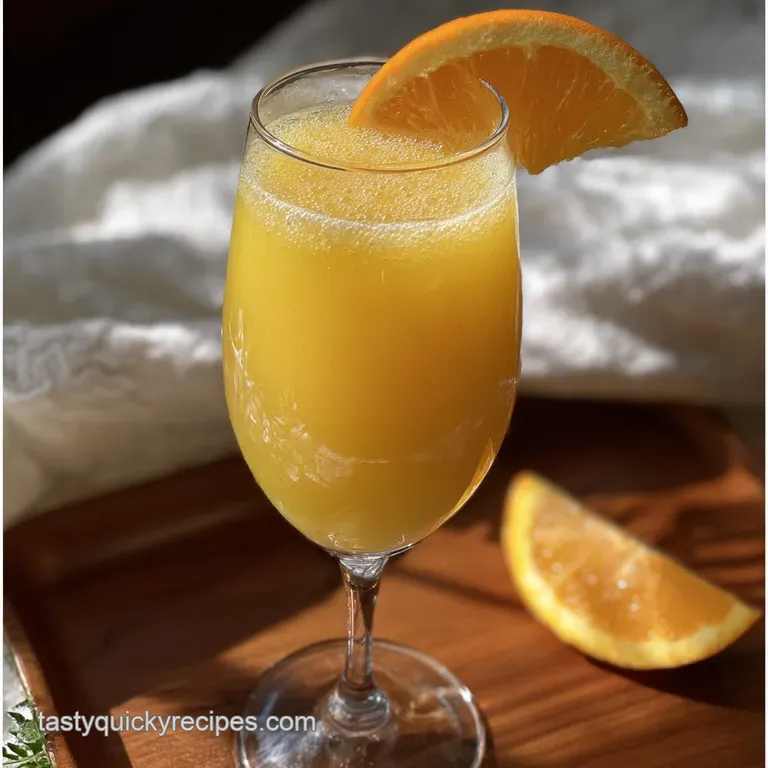
- The Perfect Sunday Sipper: Mastering the Elegant 1:1 Classic Mimosa
- Elevating the Classic Mimosa: Simplicity Meets Sophistication
- The Science of Fizz: Achieving Optimal Flavor Harmony
- Sourcing Excellence: Essential Ingredients for the World-Class Mimosa
- Crafting the Perfect Mimosa: The Expert 3 Step Assembly
- Chef Julian’s Troubleshooting Guide: Common Mimosa Mistakes and Fixes
- Prepping Ahead: How to Store Mimosa Components Safely
- The Ultimate Brunch Experience: Pairing the Classic Mimosa
- Recipe FAQs
- 📝 Recipe Card
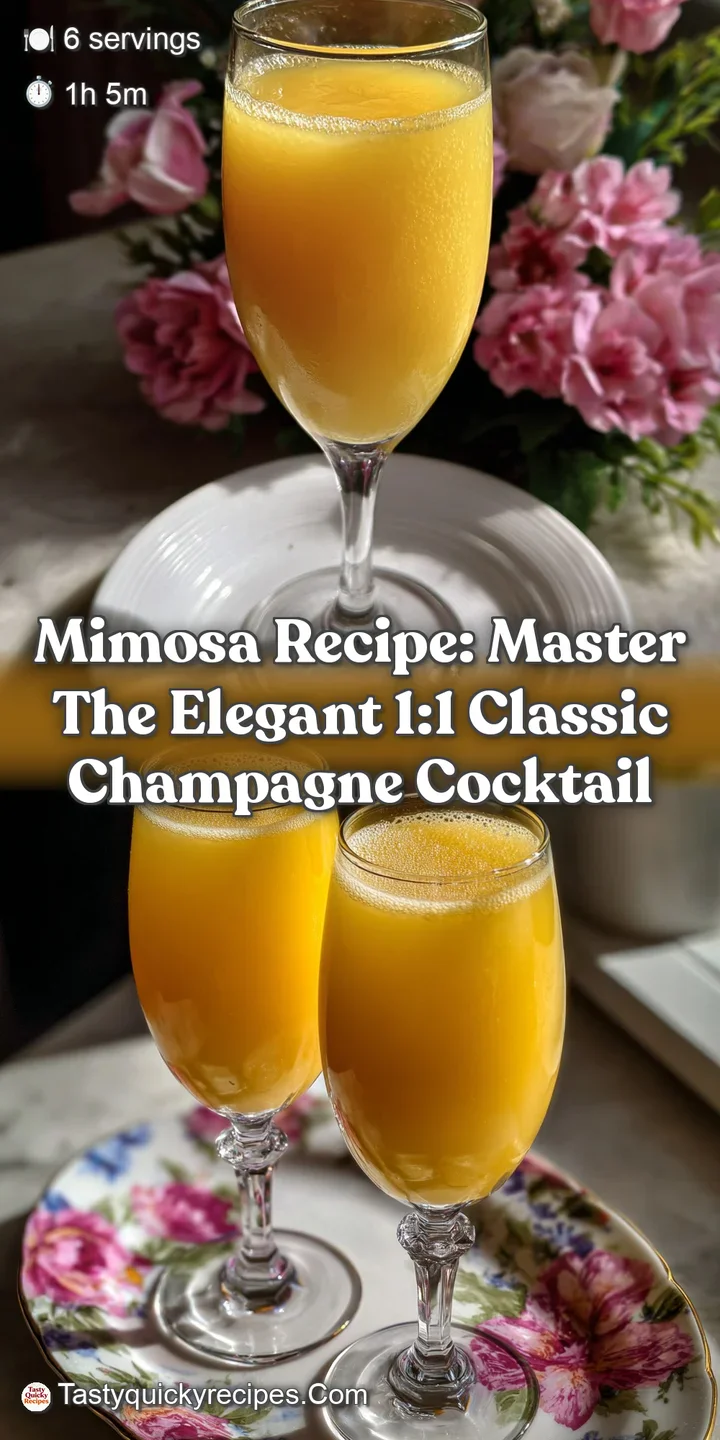
The Perfect Sunday Sipper: Mastering the Elegant 1:1 Classic Mimosa
There is nothing quite like that vibrant, unapologetic orange hue catching the morning light in a tall, chilled glass. When that sparkling hiss settles into a steady stream of bubbles, you know you’ve done something right.
This gorgeous cocktail is bright, refreshing, and the ultimate symbol of celebratory brunch. But let’s be real, most people treat the Mimosa Recipe like an afterthought.
It’s often dismissed because it only has two ingredients, yet achieving that perfect balance between dry fizz and sweet citrus is actually a skill. When executed correctly, this Easy Mimosa Recipe is incredibly sophisticated.
It’s the fastest cocktail you can make, and when you nail the temperature, it transforms a simple meal into an event.
Trust me, we are leaving those watery, cloyingly sweet, foam heavy disasters behind. This is the definitive guide to mastering the classic 1:1 Mimosa Recipe —the one they serve in the best Parisian hotels. Let’s crack on and elevate your brunch game forever.
Elevating the Classic Mimosa: Simplicity Meets Sophistication
If you think this cocktail is just pouring juice into Champagne, you’re missing the tiny, crucial details that make it sing. A great Classic Mimosa Recipe isn't complicated, it's just precise.
The Science of Fizz: Achieving Optimal Flavor Harmony
The Parisian Origin Story: Why Ratios Matter
The original Mimosa Recipe was created around 1925 at the Ritz Hotel in Paris. The genius was the equal balance. Using too much juice drowns out the nuance of the sparkling wine and makes the drink overly sugary.
We stick firmly to the 1:1 ratio here, or even skew slightly heavier on the wine if you prefer a drier finish.
Defining the Perfect Pour: What Makes a 1:1 Special
The 1:1 ratio ensures the acidity of the citrus is perfectly buffered by the dry, yeasty notes of the Brut sparkling wine. This balance is critical. It cleanses the palate, making it the perfect partner for rich brunch items.
Every single time I make this Champagne Mimosa Recipe , I measure, even just by eye, to ensure consistency.
Beyond the Brunch Standard: A Chef’s Commitment to Quality
Quality ingredients are essential because there are only two of them. You can't hide bad juice or cheap wine here. Investing in truly fresh, strained orange juice and a respectable bottle of Brut is the secret sauce to the best Mimosa Recipe .
Thermal Precision: Why Extreme Chill is Non-Negotiable
This cocktail must be served close to freezing. Warm sparkling wine loses its carbonation immediately upon being opened and poured. Warm orange juice dilutes the drink and creates a flat, flabby texture. If you take away one thing, it's this: chill everything.
The Acidity Buffer: Balancing Sweetness and Citrus Zing
Always use dry sparkling wine, labeled as Brut or Extra Brut. The orange juice is already naturally sweet. If you use a sweet sparkling wine (like Sec or Demi Sec Prosecco), you are creating a sugar bomb that will leave you feeling sluggish the antithesis of a vibrant brunch experience.
Maximizing Effervescence: Retaining the Champagne's Bubbly Integrity
The technique of pouring the fizz first and tilting the glass is not optional. It minimizes the surface area disruption when the heavier juice is added. Trust me, it preserves those beautiful, delicate bubbles for much longer.
Sourcing Excellence: Essential Ingredients for the World Class Mimosa
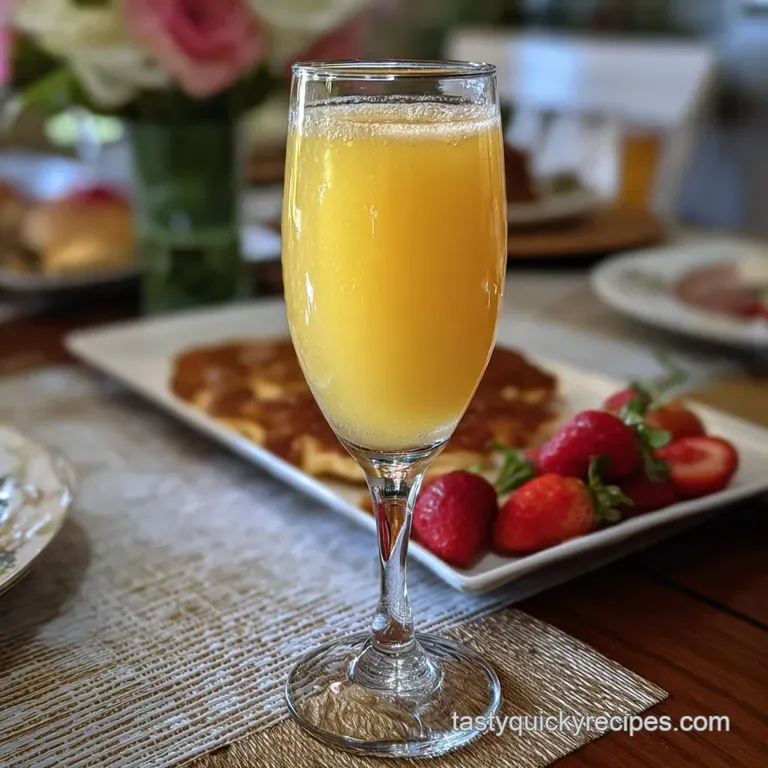
Selecting Your Sparkler: Dry vs. Sweet Options (Cava, Prosecco, Champagne)
When preparing your ideal Mimosa Recipe , the wine choice sets the tone. Champagne is the classic choice, offering the finest, tightest bubbles and complex flavour. For a budget friendly but excellent choice, grab a dry Cava or a Brut Prosecco.
Any good Prosecco Mimosa Recipe needs to start with a wine labeled Brut or Extra Brut.
| Sparkler Type | Notes | Substitution |
|---|---|---|
| Champagne (Brut) | Tightest bubbles, complex flavor. | N/A, but best choice. |
| Prosecco (Brut) | Fruitier, great value, faster bubble dissipation. | Look for Cava (Spanish equivalent). |
| Dry Cava | Mineral notes, excellent value, solid bubble structure. | Sparkling white grape juice (for a Non Alcoholic Mimosa Recipe ). |
Orange Juice Integrity: Freshly Squeezed vs. Premium Cartons
Ideally, you squeeze your own oranges right before chilling. This is because packaged juice often tastes pasteurized and dull next to sparkling wine. If you must use bottled juice, select one that is marked "Not From Concentrate," 100% juice, and strain every bit of pulp out .
Pulp ruins the smooth mouthfeel of the drink and gives the bubbles something to latch onto and prematurely die.
Refining the Classic: Expert Citrus Substitutions for a Twist
You don't always need classic orange juice. This is where Mimosa Recipe Ideas get exciting.
- Blood Orange: Use this for a stunning ruby red hue and slightly richer, almost berry like flavour.
- Grapefruit: For a sharper, more sophisticated drink, switch to pink grapefruit juice. It’s tart and incredibly refreshing.
- Cranberry: Subbing cranberry creates a Poinsettia cocktail perfect for the holidays. If you're looking for other impressive party drinks, my absolute favorite is the classic Hanky Panky Cocktail Recipe: Master This Savoy Classic .
Crafting the Perfect Mimosa: The Expert 3 Step Assembly
This is how we get a consistently perfect glass every time. The goal is to maximize the chill and minimize the bubble loss.
- Preparation and Chill: Chill the wine and juice for at least an hour. Crucially, stick your champagne flutes in the freezer for ten minutes immediately before serving. A chilled glass drastically slows down bubble dissipation, which is vital for this specific Mimosa Recipe .
- Pour the Fizz First: Gently uncork the wine and tilt the chilled flute. Pour the cold sparkling wine to fill the glass halfway (the 60 ml / 2 oz mark). Pouring against the side of the glass minimizes foaming and preserves the effervescence.
- Add the Juice and Serve: Slowly and gently pour the equivalent amount of strained, cold orange juice over the wine. The liquids should mix naturally with very little disturbance. Do not stir! Garnish with a thin orange wheel and serve immediately while the cocktail is still bone chillingly cold.
Chef Julian’s Troubleshooting Guide: Common Mimosa Mistakes and Fixes
Making Mimosa Recipe errors is easy because people get lazy. Here’s how to avoid the pitfalls I made when I first started mixing drinks.
Preparing Your Glassware and Chill Factor
The biggest flop is a warm glass. If your flutes are room temperature, the moment the cold wine hits the glass, the temperature difference causes the bubbles to explode and vanish. Fix: Always keep your glassware refrigerated or frozen until the moment of serving.
Mastering the Precise 1:1 Pour Ratio for Balance
A weak, overly sweet Brunch Mimosa Recipes always happens because the juice-to-wine ratio is skewed towards the juice. It feels polite to add less alcohol, but it compromises the balance. Fix: Use a small jigger or measuring cup until you have trained your eye.
If in doubt, pour more wine than juice.
The Gentle Tilt: Avoiding Foam Overload and Spoilage (The Chef's Technique)
Vigorous pouring or stirring causes the carbon dioxide to escape rapidly, creating a huge foam head that quickly collapses. Fix: Tilt the glass and pour against the side, especially when adding the sparkling wine. Let the two liquids meet and self mix.
Chef’s Note: If you see large, aggressive bubbles, your drink is too warm. You want a steady, fine stream of small bubbles the sign of a perfectly cold cocktail.
The "Too Flat" Fix: Revitalizing Lost Bubbles
Once sparkling wine goes flat, it’s mostly a lost cause for this Mimosa Recipe . But if you just need a little boost, drop a single cube of frozen orange juice (or even a frozen cranberry) into the glass.
The sharp temperature change can sometimes shock a few bubbles back to life, though it's no miracle cure.
Avoiding Over Sweetening: When to Adjust the Ratio
If you used a sweeter juice than planned, you must compensate with extra Brut sparkling wine. Try a 2 parts wine to 1 part juice ratio to cut the sweetness down. This is sometimes the secret to the perfect Best Mimosa Ratio when dealing with highly sweet components.
Temperature Control: Keeping the Cocktail Cold During Service
If you're serving outside, place the wine bottle in a simple ice bucket filled with half ice and half water. This maximizes contact and keeps the wine ice-cold, ensuring every subsequent pour of the Classic Mimosa Recipe is as crisp as the first.
Prepping Ahead: How to Store Mimosa Components Safely
You can absolutely prepare components ahead of time, but never assemble the drink until the very last second!
Optimizing OJ Storage for Peak Freshness
If you squeezed the juice fresh, it needs to be sealed tightly and refrigerated immediately. Freshly squeezed juice is best consumed within 24 hours. After that, the flavor begins to oxidize and dull dramatically.
Re-corking Sparkling Wine: Maintaining the Fizz Overnight
If you have leftover sparkling wine, seal it immediately with a specialized Champagne stopper. Do not use the old spoon-in-the-neck trick it doesn't work! A proper stopper, which clamps tightly, will keep the majority of the bubbles intact overnight in the fridge for the next day's Mimosa Recipe .
Why Freezing a Mimosa is Always a Bad Idea
You cannot freeze a finished Mimosa, nor should you freeze the wine. When wine freezes, the water molecules crystallize and separate from the alcohol and flavor compounds. When thawed, it tastes watery, bitter, and flat. Just keep everything very, very cold in the fridge.
The Ultimate Brunch Experience: Pairing the Classic Mimosa
Sweet and Savory Partners: Ideal Dishes for the Cocktail
The light, acidic nature of a properly made Mimosa Recipe makes it incredibly versatile. It cuts through fat beautifully, so pair it with rich dishes like Eggs Benedict, or a savory French Toast layered with prosciutto.
Its fruitiness also complements lighter fare, such as simple, buttered scones or a fresh fruit salad.
Choosing the Right Flute: Enhancing the Presentation
Traditional tall, narrow flutes are best because they limit the surface area of the drink, slowing down bubble escape. While coupes (the wide, saucer shaped glasses) look beautiful and retro, they are bubble killers.
Stick to the flute to truly appreciate the visual beauty of the bubbles rising in this superb Easy Mimosa Recipe .
Batching for a Crowd: Scaling Up the Mimosa Recipe
If you are hosting a crowd, absolutely do not pre-mix the whole batch in a pitcher! The wine will go flat within minutes. Instead, set up a self serve station. Keep large pitchers of the chilled, strained orange juice and bottles of ice-cold sparkling wine next to a bucket of ice and flutes.
Instruct guests clearly on the 1:1 ratio. This allows everyone to mix their own perfect, fizzy glass. This ensures your commitment to quality shine through, making this Mimosa Recipe a guaranteed party hit!
Recipe FAQs
What is the perfect ratio for a truly elegant Mimosa?
While many bars use a simple 1:1 ratio, a true culinary Mimosa often favors the wine slightly, aiming for a 2:1 ratio (two parts sparkling wine to one part juice). This approach ensures the delicate acidity and crispness of the sparkling wine are not overpowered by the sweetness of the orange juice, resulting in a dryer, more balanced brunch cocktail.
Which type of sparkling wine should I use, and should I avoid inexpensive brands?
Always choose a dry sparkling wine, preferably a Brut Champagne, Cava, or Prosecco, as this contrasts well with the sweet juice. While you don't need the most expensive bottle, avoid wines labeled "Demi Sec" or "Sweet," as the combination with orange juice will make the final drink excessively cloying and heavy.
Should I use fresh squeezed or carton orange juice for the best flavor?
For a world class Mimosa, fresh squeezed orange juice is non-negotiable, providing a brighter, cleaner flavor profile. If using store-bought, ensure it is 100% pulp free, high-quality, and labeled "not from concentrate," as highly processed juice can introduce unwanted bitter or dull flavors.
My Mimosa tastes flat. Did I do something wrong?
Flatness is usually caused by two factors: mixing too far in advance, or the ingredients were not cold enough. Both the sparkling wine and the orange juice must be thoroughly chilled (below 40°F/4°C) before combining, as colder liquids retain carbonation much more effectively.
Always tilt the glass and pour the juice first, followed by the wine, right before serving.
Can I make Mimosas ahead of time for a large gathering?
Absolutely not; Mimosas must be mixed to order to maintain effervescence. Pre-mixing will result in a completely flat cocktail within minutes as the carbonation dissipates into the juice.
Instead, set up a Mimosa bar with separate, chilled carafes of juice and sparkling wine, allowing guests to mix their own just before sipping.
How can I create flavor variations without using orange juice?
The Mimosa structure works beautifully with other juices and purées, provided they are smooth and well chilled. Popular alternatives include cranberry juice (known as a "Poinsettia"), pineapple juice, or peach purée (which transforms the drink into a classic "Bellini").
Classic 1 1 Mimosa Recipe
Ingredients:
Instructions:
Nutrition Facts:
| Calories | 59 kcal |
|---|---|
| Protein | 1.1 g |
| Fat | 0.0 g |
| Carbs | 13.7 g |
