Chop Suey Recipe: Velvety and Crisp
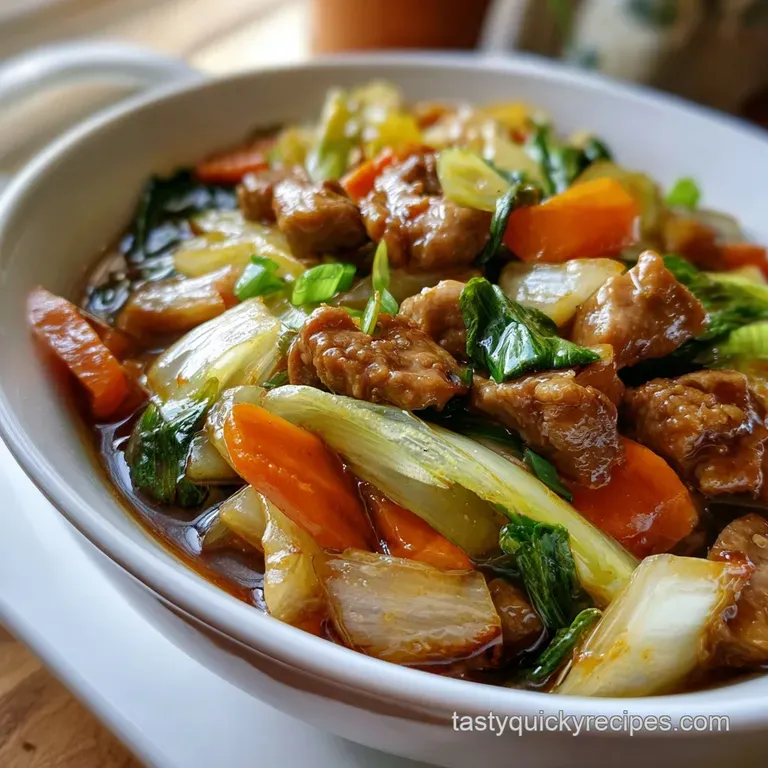
- Time: Active 20 minutes, Passive 10 minutes, Total 30 minutes
- Flavor/Texture Hook: Velvety tender pork paired with a shatter crisp vegetable snap
- Perfect for: Busy weeknights when you are juggling a million things at once
- A Fast Weeknight Chop Suey Recipe
- Science Behind the Perfect Stir Fry
- Essential Measurements for Reliable Results
- Simple Tools for Every Home Kitchen
- Clear Steps for a Velvety Finish
- Avoiding Common Texture and Flavor Mistakes
- Creative Ways to Customize Your Plate
- Storage and Reducing Kitchen Waste
- Elegant Ways to Serve Your Meal
- High in Sodium
- Recipe FAQs
- 📝 Recipe Card
A Fast Weeknight Chop Suey Recipe
There is a specific sizzle that happens when cold ginger and garlic hit a ripping hot pan of peanut oil. It is that sharp, aromatic pop that tells your brain dinner is going to be good before you even take a bite.
I remember the first time I tried making this while juggling a toddler on one hip and a spatula in the other. I was terrified of soggy sprouts, but I learned that the secret isn't just the heat, it is the sequence.
This isn't your average gloopy takeout; it is a bright, fresh version that actually tastes like the ingredients you put into it. We are going for a sauce that coats the back of a spoon with a glossy sheen, not something that turns into a gelatinous block the moment it hits the plate.
You get that deep umami from the oyster sauce and a tiny kick from the white pepper that just lingers on the tongue.
Trust me, once you nail the timing on the bok choy and the sprouts, you will never want to order this out again. It is faster than delivery and much more satisfying to hear that "crunch" from a perfectly julienned carrot.
Let's get into the details of how to make this work in a standard home kitchen without needing a commercial grade jet burner.
Science Behind the Perfect Stir Fry
Velveting Technique: The combination of cornstarch and Shaoxing wine creates a protective barrier around the meat fibers, preventing them from seizing and drying out during over high heat cooking.
Starch Gelatinization: When the cornstarch in the sauce reaches approximately 175°F, the molecules swell and trap water, transforming a thin liquid into a velvety glaze that clings to the vegetables.
Aromatic Infusion: Fat is a carrier for flavor, so searing the ginger and garlic in peanut oil first allows the essential oils to permeate the entire dish rather than just sitting on the surface.
Cellular Turgor Pressure: By adding the bean sprouts at the very last second, we stop the heat before the cell walls collapse, ensuring they retain their internal water and "snap" texture.
| Method | Time | Texture | Best For |
|---|---|---|---|
| Traditional Stovetop | 10 minutes | Maximum vegetable crunch and charred meat | Authentic restaurant style results |
| Slow Cooker | 4 hours | Soft, stew like consistency | Meal prepping for busy families |
| Electric Skillet | 12 minutes | Even browning with consistent heat | Cooking for a larger crowd |
Choosing the right method depends on how much you value that specific "sizzle" from the pan. While the stovetop is my go to for that authentic feel, an electric skillet is a lifesaver if you are cooking a double batch and don't want to overcrowd your regular pans.
Essential Measurements for Reliable Results
| Component | Science Role | Pro Secret |
|---|---|---|
| Cornstarch | Texture Modifier | Always whisk into cold liquid first to prevent "clumps" that ruin the silky finish. |
| Shaoxing Wine | Enzyme Breakdown | This fermented rice wine tenderizes protein and adds a complex, slightly nutty depth. |
| Oyster Sauce | Emulsification Base | It provides the glutamates needed for that deep umami flavor and helps the sauce stick to smooth veg. |
Simple Tools for Every Home Kitchen
You do not need a hand hammered carbon steel wok to make a great chop suey recipe, though it certainly doesn't hurt. A heavy bottomed stainless steel skillet or a large cast iron pan works beautifully because they hold heat like a champ.
When you add a pound of cold meat to a thin pan, the temperature drops instantly, and you end up steaming your pork instead of searing it.
The only other "must have" is a sharp chef's knife. Since this dish relies on everything being sliced thinly and uniformly, a dull blade will just make you frustrated. If you are in the mood for something with a bit more noodle action, this prep logic is actually very similar to what I use in my Beef Lo Mein recipe.
Chef's Tip: Freeze your pork or chicken for 20 minutes before slicing. It firms up the muscle fibers so you can get those paper thin, restaurant style slices without the meat sliding around under your knife.
Clear Steps for a Velvety Finish
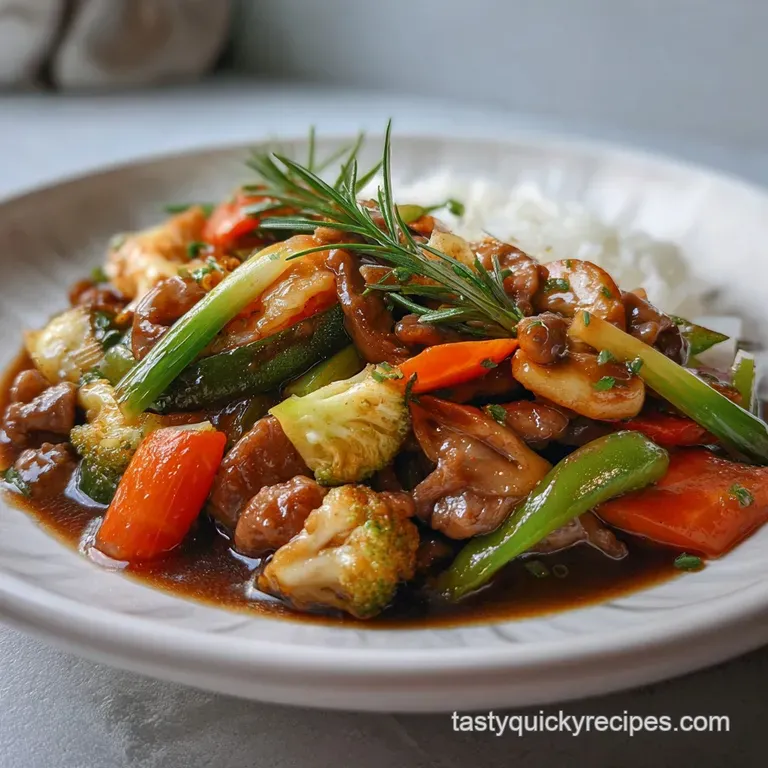
- Slice the protein. Cut 1 lb pork tenderloin or chicken breast into 1/8 inch thick slices, always going against the grain. Note: This breaks up the tough fibers for maximum tenderness.
- Marinate the meat. Toss the protein with 1 tbsp Shaoxing wine, 2 tsp cornstarch, and 1 tbsp light soy sauce. Let it sit while you prep the veg.
- Whisk the sauce. In a small bowl, combine 1 cup chicken stock, 2 tbsp oyster sauce, 1 tbsp light soy sauce, 1 tsp dark soy sauce, 1 tsp sesame oil, 1/2 tsp white pepper, and 1 tbsp cornstarch.
- Heat the pan. Add 2 tbsp peanut oil to your pan over high heat until you see wisps of smoke.
- Sear the aromatics. Toss in 3 cloves minced garlic and 1 inch grated ginger. Stir for 10 seconds until the air smells fragrant.
- Brown the protein. Spread the meat in a single layer. Cook for 2 minutes until the edges are golden and crisp, then flip and cook 1 more minute.
- Add hard vegetables. Toss in julienned carrots, sliced celery, and onion wedges. Stir fry for 2 minutes until the onions are slightly translucent.
- Add bok choy. Put the stems in first, then the leaves. Cook for 1 minute until the leaves just begin to wilt.
- Thicken the sauce. Give your sauce mixture a quick whisk and pour it into the pan. Stir constantly for 45 seconds until the liquid turns glossy and thick.
- Final snap. Fold in 3 cups fresh bean sprouts. Remove from heat immediately until the sprouts are just coated but still rigid.
Avoiding Common Texture and Flavor Mistakes
One of the biggest heartbreaks in cooking is ending up with a puddle of grey water at the bottom of your stir fry. This usually happens because the pan wasn't hot enough or you crowded it with too many vegetables at once. If you find your sauce is getting a bit too thick, thinning out a sauce without losing flavor is a trick I also use in this Au Jus Recipe.
Correcting a Thick Sauce Paste
If you overcook the cornstarch or use too little liquid, your sauce can turn into a thick, gummy paste. This happens when the hydration ratio is off. Simply splash in 2 tablespoons of warm chicken stock and stir vigorously over low heat to bring it back to a silky consistency.
| Problem | Root Cause | Solution |
|---|---|---|
| Watery Sauce | Veg released too much moisture | Whisk a "slurry" of 1 tsp cornstarch/1 tsp water and add to boiling sauce. |
| Tough Meat | Sliced with the grain | Ensure you slice against the grain and don't skip the 15 minute marinade. |
| Bland Flavor | Stock was too diluted | Add a splash of fish sauce or an extra teaspoon of oyster sauce at the end. |
Keeping Bean Sprouts Crunchy
Bean sprouts are 95% water. The moment they hit high heat, those cell walls start to melt. To keep them from turning into mush, treat them like a garnish that just happens to get a quick warm up. Fold them in, count to five, and kill the heat.
Common Mistakes Checklist: ✓ Pat the meat dry before marinating to help the cornstarch stick. ✓ Use a high smoke point oil like peanut or grapeseed; olive oil will burn. ✓ Don't stir constantly; let the meat sit for a minute to get a proper sear.
✓ Separate bok choy stems from leaves, as the stems need more time. ✓ Prep everything before turning on the stove; the cook happens too fast to chop as you go.
Creative Ways to Customize Your Plate
If you want a ground beef chop suey recipe, simply swap the sliced pork for 1 lb of lean ground beef. Brown it thoroughly and drain the excess fat before adding your aromatics. This version is a classic "American" comfort food style that kids usually devour because it's easier to chew.
For a Filipino chop suey recipe, you will want to add quail eggs and perhaps some sliced chicken liver for that traditional richness. You can also throw in cauliflower florets and snap peas. The base sauce remains the same, but the vegetable variety is much wider.
- Extra Crunch? Add the bean sprouts after the heat is off.
- More Depth? Double the dark soy sauce for a mahogany color.
- Low Carb? Serve it over cauliflower rice or just eat it as a massive vegetable bowl.
Storage and Reducing Kitchen Waste
Storage: Keep leftovers in an airtight container in the fridge for up to 3 days. Be warned: the bean sprouts will lose their crunch upon reheating, but the flavor actually deepens as the ginger and garlic meld.
Freezing: I don't recommend freezing the finished dish because the vegetables (especially the sprouts and bok choy) turn to mush when thawed. However, you can freeze the sliced, marinated meat for up to 2 months.
Zero Waste: Don't toss those broccoli stalks or the tough ends of the celery. Peel the woody skin off the broccoli stalks, julienne the sweet interior, and toss them in with the carrots. They have a fantastic snap that fits this dish perfectly.
Elegant Ways to Serve Your Meal
While this is a humble stir fry, it looks stunning when served on a wide, flat platter rather than a deep bowl. This prevents the vegetables at the bottom from continuing to steam and go soft.
Top it with a heavy sprinkle of toasted sesame seeds or some finely sliced scallions cut on a sharp bias for that professional look.
If you are feeding a crowd, I love serving this alongside some Sourdough Hoagie Rolls for a weird but delicious "fusion" sandwich the next day. The bread soaks up that ginger heavy sauce in a way that is honestly life changing. Just make sure you serve it immediately while the steam is still rising and the colors are vibrant.
| Method | Servings | Cook Time | Visual Cue |
|---|---|---|---|
| Single Batch | 4 people | 10 minutes | Veg is bright and snapping |
| Double Batch | 8 people | 18 minutes | Cook meat in two separate piles |
| Half Batch | 2 people | 7 minutes | Sauce thickens very rapidly |
The Myth of the Wok Hei
Many people think you can't get "wok hei" (the breath of the wok) at home. While you might not get the literal flames, you can achieve a similar charred flavor by letting your pan get extremely hot and not moving the meat for the first 60 seconds.
Searing does not "seal in juices," but it does create a complex crust through the Maillard reaction that is essential for a good chop suey recipe.
The Soy Sauce Misconception
Don't assume all soy sauces are created equal. Light soy sauce is for salt and seasoning, while dark soy sauce is mainly for color and a hint of sweetness. If you use only dark soy, your dish will look like molasses and taste overly fermented. Always stick to the ratio in the recipe for that perfect golden brown hue.

High in Sodium
1125 mg mg of sodium per serving (49% of daily value)
The American Heart Association recommends limiting sodium intake to about 2,300mg per day.
Tips to Reduce Sodium in Your Stir Fry
-
Lower Sodium Broth-30%
Replace the regular low sodium chicken stock with a no sodium added chicken broth. This simple swap can significantly cut down the sodium content of the sauce.
-
Reduce Oyster Sauce-20%
Oyster sauce is a significant source of sodium. Try halving the amount used and compensating with a touch more Shaoxing wine and a dash of sugar for sweetness.
-
Dilute Soy Sauce-20%
Mix the light soy sauce with an equal amount of water before adding it to the marinade and sauce to reduce sodium concentration. Consider a low-sodium soy sauce alternative.
-
Spice it Up
Enhance the flavor of your stir fry using fresh herbs and spices like ginger, garlic, white pepper, and red pepper flakes. They add complexity without adding sodium.
-
Add More Veggies-10%
Increase the proportion of fresh, low-sodium vegetables like bean sprouts, bok choy, carrots, and celery to bulk up the meal while naturally diluting the sodium content per serving.
-
Skip the Marinade Salt-10%
Make sure you don't add any additional salt to marinate the meat. The soy sauce already provides enough flavor.
Recipe FAQs
What are the ingredients in chop suey?
The base includes protein, vegetables, and a savory sauce. Typically, you'll find sliced chicken, pork, or beef, alongside vegetables like bean sprouts, bok choy, carrots, and celery. The sauce is a blend of oyster sauce, soy sauce, Shaoxing wine, and cornstarch for thickening, creating that signature glossy finish you'd find in a great Taco Soup Ready in 30 Min.
What's the secret to great chop suey?
High heat and precise timing are key for texture. Ensure your pan is smoking hot before adding ingredients and cook everything quickly in batches if necessary to avoid overcrowding. This technique helps achieve a perfect sear on the meat and a crisp snap in the vegetables, similar to how controlled heat creates great textures in Chicken Pot Pie with Biscuits Ready in 55 Minutes.
Which meat is best for chop suey?
Pork tenderloin or chicken breast are excellent choices for tenderness. Thinly sliced pork loin or boneless, skinless chicken thighs also work well. For a different texture, ground beef can be used, but ensure it's browned thoroughly to avoid a greasy result.
What's the difference between chow mein and chop suey?
Chow mein always includes noodles, while traditional chop suey does not. Chop suey is primarily a stir fried mixture of meat and vegetables with a sauce, focusing on the crunch of the vegetables.
Chow mein, meaning "stir fried noodles," features noodles as a main component alongside the other ingredients.
Can I make a vegetarian chop suey?
Yes, you can easily make a delicious vegetarian version. Swap the meat for firm tofu, tempeh, or an assortment of hearty vegetables like mushrooms, broccoli, and snap peas. The key is to maintain the crisp textures and the savory sauce that makes chop suey so appealing.
How do I prevent my vegetables from becoming soggy?
Add vegetables in stages and cook over high heat. Harder vegetables like carrots and celery go in first, followed by softer ones like bok choy. The most delicate ingredients, like bean sprouts, should be added at the very end, often right after removing the pan from the heat, to preserve their crunch.
Is it true that a very hot wok is essential for authentic chop suey?
No, this is a common misconception. While a traditional wok gets very hot, a heavy bottomed skillet or cast iron pan will also work well. The crucial element is getting your pan sufficiently hot to achieve a good sear and crisp vegetables, rather than relying on specialized equipment.
Chop Suey Recipe
Ingredients:
Instructions:
Nutrition Facts:
| Calories | 275 kcal |
|---|---|
| Protein | 28.2 g |
| Fat | 12.6 g |
| Carbs | 15.5 g |
| Fiber | 3.1 g |
| Sugar | 3.8 g |
| Sodium | 1125 mg |
