Chicken Stock: Rich & Silky
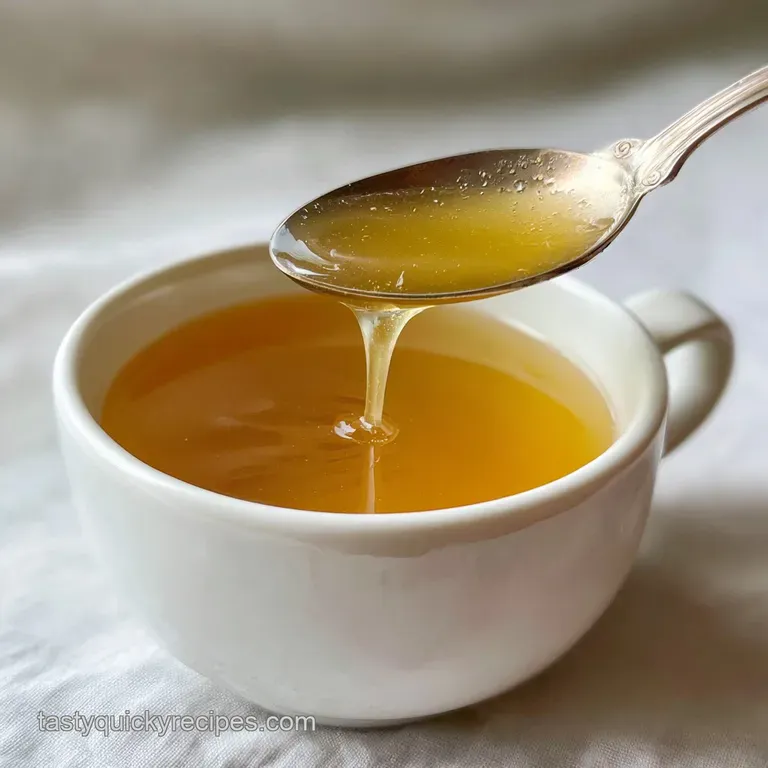
- Time: Active 15 minutes, Passive 4 hours, Total 4 hours 15 mins
- Flavor/Texture Hook: Velvety, rich mouthfeel with deep savory notes
- Perfect for: Weekend meal prep, nourishing soups, or freezer stocking
- Unlock Deep Flavor with This Simple Homemade Chicken Stock
- The Secret to a Liquid Gold Kitchen Staple
- Checking the Critical Time and Temperature Metrics
- Sourcing the Right Components for Maximum Gelatin
- The Bare Minimum Tools for the Job
- Mastering the Slow Simmer Step by Step
- Solving Common Texture and Clarity Issues
- Adapting the Method for Different Dietary Needs
- Discarding Kitchen Myths About Bone Broth
- Storing Your Liquid Gold for Future Use
- Brilliant Ways to Use Your Fresh Batch
- Chicken Stock FAQs
- 📝 Recipe Card
Unlock Deep Flavor with This Simple Homemade Chicken Stock
The house smells like a warm hug, and the windows are just starting to fog up from the gentle steam rising off the stove. I remember the first time I tried to make chicken stock from scratch - I basically made hot, salty water because I was too impatient to let the bones do their thing.
But once I saw that first batch turn into a literal jelly in the fridge, I knew I could never go back to the boxed stuff.
You're juggling a million things, I get it. Between the kids and work, standing over a pot seems like a luxury. But the beauty of this is that once it's on the heat, you're done. You just let it bubble away while you get on with your life. It's the ultimate multitasking win for a busy kitchen.
We're going to use everything here. The scraps, the weird bits, and the humble onion skins. This isn't just about cooking; it's about making something incredible out of things most people throw away.
Trust me on this, once you taste the difference in your Sunday gravy or a simple noodle soup, you'll be hooked on the process.
The Secret to a Liquid Gold Kitchen Staple
Collagen Conversion: Long, gentle heat breaks down the tough connective tissue in the chicken feet and carcasses into gelatin, creating that signature velvety mouthfeel.
Cold Start Extraction: Beginning with cold water allows soluble proteins to dissolve slowly and rise to the surface for skimming, ensuring the liquid stays clear.
Maillard Reaction Shortcut: Leaving the skins on the onions provides a natural, deep amber hue to the liquid without needing to roast the vegetables for hours.
Hydration Ratio: Using 6 liters of water for 2.3 kg of bones ensures there is enough liquid to submerge everything while keeping the flavor concentrated.
| Method | Total Time | Texture | Best For |
|---|---|---|---|
| Stovetop Simmer | 4 hours 15 mins | Silky and classic | Maximizing clarity and volume |
| Pressure Cooker | 1 hour 30 mins | Very rich/dark | Fast, flavor packed results |
| Slow Cooker | 8-10 hours | Deeply infused | Hands off overnight prep |
Choosing the right method depends on your schedule, but the stovetop allows for the best skimming. If you're looking for a quick weeknight win after making this, you could use a splash of this liquid to deglaze the pan for my Chicken Thigh Recipe, which adds an incredible depth to the pan sauce.
Checking the Critical Time and Temperature Metrics
| Component | Science Role | Pro Secret |
|---|---|---|
| Chicken Feet | Collagen Source | The high surface area of feet provides more gelatin than any other part of the bird. |
| Onion Skins | Natural Pigment | Flavonoids in the skins act as a natural dye, giving the stock a professional golden glow. |
| Cold Filtered Water | Purity & Clarity | Impurities in tap water can cloud the stock; filtered water ensures a clean, neutral flavor profile. |
| Black Peppercorns | Subtle Heat | Whole peppercorns release oils slowly, providing a back of-the throat warmth without making it spicy. |
Using the right water temperature at the start is a tiny detail that makes a massive difference in the final product. If you start with hot water, the proteins "lock up" too quickly, and you'll end up with a murky liquid that looks less than appetizing.
Sourcing the Right Components for Maximum Gelatin
- 2.3 kg raw chicken carcasses, backs, and necks: These are the foundation. Why this? They have the highest bone to meat ratio for flavor.
- Substitute: Leftover rotisserie chicken bones (though the flavor will be more "cooked").
- 450g chicken feet: These are the gelatin kings. Why this? They provide the thick, jelly like texture when cold.
- Substitute: Extra chicken wings or a split pig's trotter for similar collagen.
- 6 liters cold filtered water: The solvent for all that flavor. Why this? It extracts nutrients more efficiently than hot water.
- Substitute: Tap water is fine if your local water tastes good.
- 2 large yellow onions: Halved with skins on. Why this? The skins provide a gorgeous golden color.
- Substitute: Leeks or white onions (but you'll lose the deep color).
- 3 large carrots: Cut into 2 inch chunks. Why this? Adds natural sweetness to balance the savory chicken.
- Substitute: Parsnips for a more earthy, spicy sweetness.
- 3 stalks celery: Including leafy tops. Why this? The leaves contain intense celery flavor.
- Substitute: Celery seed (1 teaspoon) if you're out of fresh stalks.
- 1 head garlic: Halved crosswise. Why this? Infuses a mellow, roasted garlic undertone.
- Substitute: 2 teaspoons garlic powder added at the end.
- 10 whole black peppercorns: For a gentle spice.
- 2 dried bay leaves: For an herbal, floral note.
- 1 small bunch fresh thyme or parsley stems: For brightness.
The Bare Minimum Tools for the Job
You don't need a kitchen full of gadgets to make a world class stock. A large stockpot is non negotiable - something that can comfortably hold at least 8 to 10 liters so you have room for the 6 liters of water plus all the bones and veggies.
A heavy bottomed pot, like a large stainless steel one or a Dutch oven, helps distribute the heat evenly so you don't get hot spots that might scorch the bottom.
Right then, you'll also want a fine mesh strainer. If you want that crystal clear finish, lining the strainer with cheesecloth or even a clean coffee filter is a pro move. For the skimming part, a simple large spoon or a small ladle works perfectly to whisk away the foam that rises to the top in the first hour.
It’s a bit of a zen process, honestly.
Chef's Tip: If you find yourself making stock often, invest in a "spider" strainer. It makes lifting out the large carcasses and chunks of carrot so much easier before you do the final pour through the fine mesh.
Mastering the Slow Simmer step-by-step
- Clean the chicken. Rinse the 2.3 kg of carcasses and 450g of feet under cold water to remove any stray bits. Note: This helps keep the stock clear later.
- Load the pot. Place the chicken carcasses, feet, and 6 liters of cold filtered water into your large stockpot.
- Heat slowly. Bring the water to a very gentle simmer over medium heat until small bubbles begin to break the surface.
- Skim the surface. Use a spoon to remove the grey foam (scum) that rises to the top during the first 30 minutes.
- Add aromatics. Tuck the halved onions, 3 carrots, 3 celery stalks, and the halved head of garlic into the liquid.
- Season lightly. Drop in the 10 peppercorns, 2 bay leaves, and the bunch of thyme or parsley stems.
- Maintain the simmer. Reduce the heat to the lowest setting until the liquid is barely moving but still steaming. Note: Never let it reach a rolling boil.
- Extract flavor. Let the stock cook undisturbed for 4 hours. The liquid should reduce slightly and smell intensely savory.
- Remove solids. Use a slotted spoon to carefully lift out the large bones and vegetable chunks.
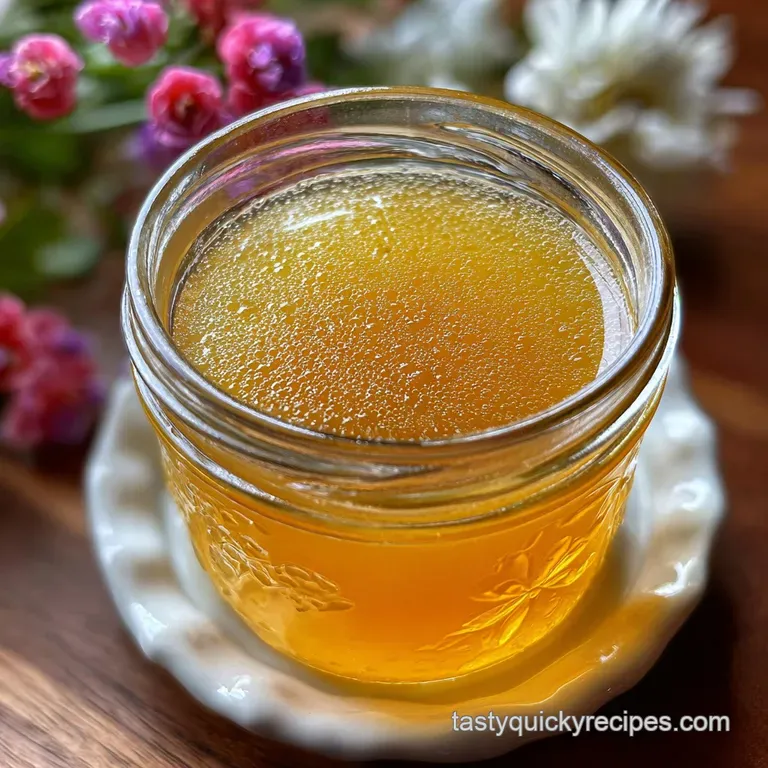
- Final strain. Pour the liquid through a fine mesh strainer into a clean container until only the golden liquid remains.
Solving Common Texture and Clarity Issues
Why Your Stock Looks Cloudy
Cloudiness usually happens because the pot was boiling too hard. When water boils vigorously, the fat and proteins emulsify into the liquid instead of floating to the top where they can be skimmed. It’s basically like shaking a bottle of oil and vinegar; they mix together and get murky.
To keep things clear, keep the heat low think "lazy bubbles" rather than a hot tub.
Fixing a Lack of Body
If your stock feels thin and watery like juice rather than rich and silky, you likely didn't have enough collagen. This often happens if you skip the chicken feet or use too much water for the amount of bones. It’s still flavorful, but it lacks that "lip smacking" quality.
You can fix this by simmering the strained stock for another hour to concentrate the proteins, or next time, throw in a few extra wings.
| Problem | Root Cause | Solution |
|---|---|---|
| Greasy surface | Excess skin/fat on bones | Chill overnight and scrape the solid fat cap off the top. |
| Bitter aftertaste | Veggies cooked too long | Add aromatics in the last 2 hours instead of the full 4. |
| Flat flavor | Not enough salt | Season a small bowl first to see if salt wakes up the flavors. |
Common Mistakes Checklist - ✓ Never let the stock reach a rolling boil (prevents permanent cloudiness). - ✓ Don't add salt until the very end (the liquid reduces, which can make it too salty). - ✓ Leave the onion skins on for that natural, expensive looking gold color.
- ✓ Avoid stirring the pot while it simmers, as this breaks up the solids and mucks up the liquid. - ✓ Cool the stock quickly in an ice bath before refrigerating to prevent bacterial growth.
Adapting the Method for Different Dietary Needs
Scaling this recipe down is quite simple if you don't have a massive pot. To make a half batch, use a 5 liter pot and reduce all ingredients by 50%. You can keep the cook time at 4 hours, though, as the extraction process for the bones still needs that duration regardless of the volume.
If you're using a smaller amount of liquid, just keep a closer eye on the evaporation levels.
When scaling up for a big freezer session, you can double the bones and vegetables, but only increase the salt and spices by about 1.5 times. Large batches hold heat longer, so you might need to divide the finished stock into several smaller containers to help it cool down safely. If you find yourself with a surplus of bones but no time, you can always use the Crockpot Chicken Thigh recipe method for a smaller, concentrated "essence" of stock.
| Preference | Adjustment | Impact |
|---|---|---|
| Low Sodium | Omit all salt during simmer | Full flavor control when using the stock in later recipes. |
| Extra Rich | Roast bones at 200°C for 30 mins | Adds a deep, nutty, "brown stock" flavor profile. |
| Quick Version | Use a pressure cooker for 45 mins | Slightly less clear but extremely high gelatin extraction. |
Discarding Kitchen Myths About Bone Broth
"Bone broth" and "stock" are often used interchangeably, but there's a tiny bit of kitchen lore here. People often say bone broth must be cooked for 24 hours to be "authentic." In reality, after about 6 to 8 hours, you've extracted most of what you're going to get from chicken bones.
Anything past that is just burning electricity and can actually start to make the vegetables taste unpleasantly bitter.
Another one I hear all the time is that you have to blanch the bones first to get a clear stock. While blanching (boiling for 5 minutes then dumping the water) is great for beef bones which have more blood and marrow, it’s usually unnecessary for chicken.
A cold start and diligent skimming in the first 20 minutes will give you a beautiful, clear result without the extra step.
Storing Your Liquid Gold for Future Use
Once the stock is strained and cooled, you've got options. It stays fresh in the fridge for about 5 days. You'll know it's good because it will likely turn into a giant block of savory jello this is a great sign! If you aren't going to use it all within the week, the freezer is your best friend.
I love freezing mine in silicone muffin tins or ice cube trays. Once they're frozen solid, pop the "stock pucks" into a freezer bag. They stay perfect for up to 6 months.
Don't toss those boiled veggies and bones immediately either! While the carrots and celery are pretty mushy and flavorless now, any bits of meat left on the bones can be picked off for the dog (just no bones or onions!). The onion and garlic skins can go straight into the compost.
If you want to be a real zero waste hero, you can even save the fat cap that forms on top of the chilled stock. It’s called schmaltz, and it’s incredible for roasting potatoes or frying eggs.
Brilliant Ways to Use Your Fresh Batch
The most obvious use is soup, but this liquid is so much more versatile than that. Use it to cook your rice or quinoa instead of water it adds a savory backbone that makes even a plain side dish feel like a meal. I also love using a cup of it to braise greens like kale or collards.
The gelatin in the stock coats the leaves and cuts through the bitterness.
If you're making a pan sauce for dinner, a splash of this will give you that "restaurant style" gloss because of the natural gelatin. It’s also the secret to the best risotto you’ll ever eat. For a really hearty family meal, this stock is the perfect base for a Chicken and Dumplings recipe, providing that thick, comforting gravy texture without needing a ton of heavy cream. Whether you’re sipping it from a mug with a pinch of ginger or using it to deglaze a pan, this stock is the hardest working ingredient in your kitchen.

Chicken Stock FAQs
How do you make homemade chicken stock?
Start with a cold pot. Combine chicken bones (carcasses, backs, necks), 450g chicken feet for gelatin, 6 liters cold filtered water, 2 halved yellow onions (skins on), 3 chopped carrots, 3 celery stalks, 1 halved garlic head, 10 peppercorns, 2 bay leaves, and herb stems in a large pot.
Bring to a very gentle simmer over medium heat, skim any foam for the first 30 minutes, then reduce heat to low and let it barely simmer for 4 hours. Strain through a fine mesh sieve.
Is chicken broth just chicken stock and water?
No, the terms are often confused but have differences. Chicken broth is typically made with chicken meat and simmered for a shorter period, resulting in a lighter flavor. Chicken stock uses bones, cartilages, and aromatics simmered for much longer, extracting collagen and minerals for a richer, more viscous liquid, perfect for recipes like our Chicken and Dumplings recipe.
What are the three main ingredients used when making chicken stock?
Chicken bones, water, and aromatics are key. The bones provide the collagen and minerals for richness, water acts as the solvent, and aromatics like onions, carrots, and celery build the flavor foundation. Don't forget chicken feet; they are crucial for that signature silky texture.
What are the 4 basic ingredients of stock?
Bones, water, aromatics, and mirepoix (carrots, celery, onions) form the base. While technically mirepoix is a combination, these four categories cover the essentials for creating a flavorful and rich stock. For chicken stock, chicken bones are non-negotiable.
Can I use dried herbs in my chicken stock?
Yes, but use them sparingly. Dried herbs are more concentrated in flavor than fresh, so start with about a third of the amount you'd use fresh. They can be added during the last hour of simmering to prevent them from becoming too bitter, similar to how we control flavor intensity in recipes like Caldo de Pollo Recipe in 1 Hour: Authentic Mexican Chicken Soup.
Why is my chicken stock cloudy?
It's likely from boiling too vigorously. When stock boils hard, fats and proteins emulsify into the liquid, creating cloudiness. To achieve clarity, always maintain a very gentle simmer, with only small bubbles breaking the surface, and be diligent about skimming the scum in the first 30 minutes.
How do I get my chicken stock to gel?
Use plenty of collagen rich parts. Chicken feet and necks are your best friends here. The long, slow simmer breaks down the connective tissues into gelatin, which causes the stock to turn into a firm jelly when chilled.
If you enjoyed mastering the texture of cooked pasta here, you'll appreciate the science behind gelatin extraction in stock.
Chicken Stock
Ingredients:
Instructions:
Nutrition Facts:
| Calories | 42 kcal |
|---|---|
| Protein | 4.6 g |
| Fat | 2.2 g |
| Carbs | 0.7 g |
| Fiber | 0.1 g |
| Sugar | 0.3 g |
| Sodium | 52 mg |
