Chicken and Rice Soup: Silky Broth
- Time: Active 10 minutes, Passive 20 minutes, Total 30 minutes
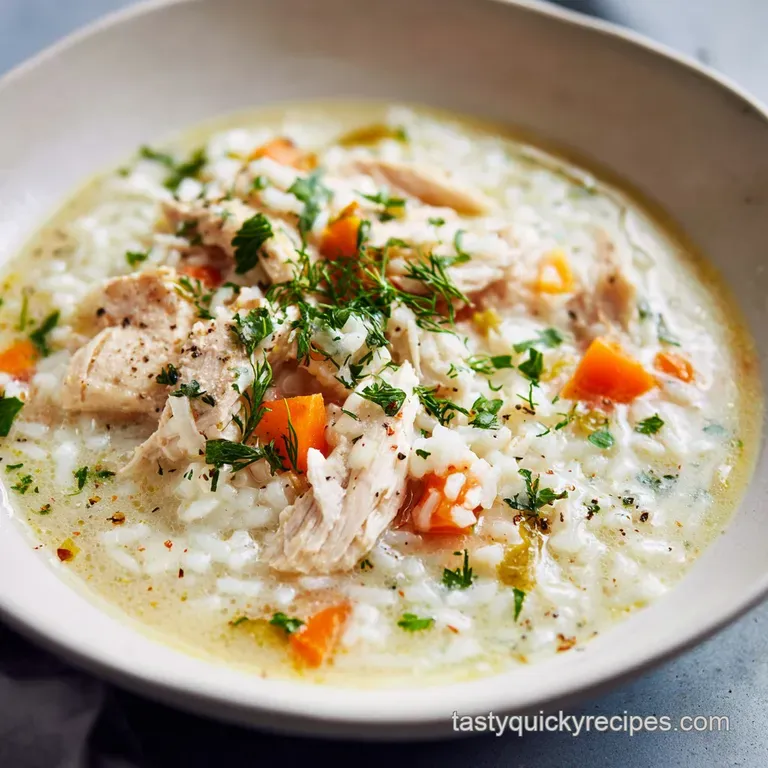
- Flavor/Texture Hook: Silky bone broth with tender, citrus brightened chicken
- Perfect for: Juggling a busy weeknight schedule while craving real comfort
- Making a Better Chicken and Rice Soup
- The Molecular Magic of Starch Control
- Essential Elements for a Richer Broth
- Measuring Your Pantry Staples
- Step by Step Cooking Guide
- Correcting Soup Texture and Taste
- Adjusting the Recipe Volume
- Debunking Common Soup Myths
- Storage and Sustainable Cooking
- Perfect Pairings for Your Bowl
- Critical in Sodium 🚨
- Recipe FAQs
- 📝 Recipe Card
Making a Better Chicken and Rice Soup
There is a specific sound that happens when diced onions hit hot olive oil a sharp, energetic sizzle that tells you dinner is officially underway. I remember one Tuesday, juggling a mountain of laundry and a deadline, when the rain started lashing against the kitchen window.
I needed something fast and flavorful that didn't involve a trip to the store. I pulled out a carton of broth, some lonely carrots from the crisper, and a single pound of chicken. That afternoon, the kitchen filled with the scent of dried thyme and garlic, turning a stressful day into something much more manageable.
We’ve all had that version of Chicken and Rice Soup that feels more like a salty porridge because the rice soaked up every drop of liquid. I've made that mistake more times than I care to admit.
But after years of tinkering, I’ve found that the secret isn't just in the ingredients; it's in the timing. You want a soup where the rice holds its shape and the broth stays light and clear.
This recipe is my go to because it respects your budget while delivering a result that tastes like you’ve been simmering a pot for hours on the stove.
Trust me, once you see how the lemon juice cuts through the richness of the bone broth, you’ll never go back to the canned stuff. We are aiming for a velvety texture without the heavy cream, relying instead on the natural collagen in the bone broth and the perfectly cooked vegetables.
It is brilliant, simple, and exactly what your table needs when life feels a bit too fast.
The Molecular Magic of Starch Control
The Starch Suspension Strategy: Rinsing long grain white rice removes excess surface amylose, which prevents the grains from clumping and ensures the broth remains translucent rather than cloudy.
By adding the rice during the final simmer, we control the hydration levels so the grain reaches a tender "al dente" state without bursting its starch cell walls.
| Thickness of Chicken | Internal Temp | Rest Time | Visual Cue |
|---|---|---|---|
| 1/2 inch cubes | 165°F | 2 mins | Opaque white, no pink |
| 1 inch cubes | 165°F | 4 mins | Firm to the touch |
| Shredded breast | 165°F | 5 mins | Pulls apart with fork |
If you find yourself making this often, you might notice it shares a lot of DNA with a classic Chicken Soup Recipe, but the addition of rice changes the thermodynamics of the pot. While a standard noodle soup is forgiving, rice is a thirsty sponge. Mastering the ratio of 8 cups of broth to 1 cup of rice is the "golden rule" that keeps your leftovers from turning into a casserole overnight.
Essential Elements for a Richer Broth
| Ingredient | Science Role | Pro Secret |
|---|---|---|
| Chicken Bone Broth | Provides gelatin and depth | Use bone broth over standard stock for a silkier mouthfeel without extra fat. |
| Long grain White Rice | Adds structural bulk | Rinsing for 60 seconds prevents the "porridge effect" by removing loose starch. |
| Fresh Lemon Juice | Acts as a flavor catalyst | The citric acid breaks down heavy fats, making every other ingredient taste more "alive." |
Between the savory notes of the thyme and the bite of the garlic, this dish relies on the quality of its aromatics. If you're looking for something with a bit more of a kick, you might enjoy the bold profile of a Chicken Tortilla Soup Recipe, but for pure, unadulterated comfort, the lemon thyme combo is unbeatable.
Measuring Your Pantry Staples
- 2 tbsp extra virgin olive oil: Necessary for the aromatic bloom. Substitute: Unsalted butter for a richer, French style base.Why this? Carries fat soluble flavors from the herbs into the broth.
- 1 large yellow onion: Finely diced for even cooking. Substitute: Two large leeks (white parts only).
- 3 medium carrots: Sliced into 1/4 inch rounds. Substitute: Parsnips for an earthy, sweet twist.
- 2 stalks celery: Sliced thin. Substitute: 1/2 tsp celery seed if you're out of fresh stalks.
- 4 cloves garlic: Minced fresh. Substitute: 1 tsp garlic powder added with the thyme.
- 1.5 lbs boneless skinless chicken breasts: Cubed small. Substitute: Thighs for more moisture.Why this? Lean protein cooks fast and stays tender in a 20 minute simmer.
- 8 cups chicken bone broth: The backbone of the flavor. Substitute: Vegetable stock + 1 tbsp soy sauce for depth.
- 1 tsp sea salt: Adjust to taste. Substitute: Kosher salt (use 1.5 tsp).
- 1/2 tsp cracked black pepper: For a gentle heat. Substitute: White pepper for a cleaner look.
- 1 tsp dried thyme: The classic soup herb. Substitute: Dried rosemary (crushed).
- 1 cup long grain white rice: Rinsed well. Substitute: Jasmine rice for a floral aroma.Why this? Holds its shape better than short grain varieties in hot liquid.
- 1 tbsp fresh lemon juice: Added at the very end. Substitute: Apple cider vinegar.
- 1/4 cup fresh parsley: For a hit of color and freshness. Substitute: Fresh dill.
Chef's Tip: Freeze your onion scraps, carrot peels, and celery ends in a bag. When it's full, boil them with water to make a "free" vegetable base for your next meal!
step-by-step Cooking Guide
- Heat olive oil. Place your heavy bottomed pot over medium heat for 2 minutes until the oil shimmers and flows easily.
- Sauté aromatics. Add the diced onion, carrots, and celery. Cook 5 minutes until the onions are translucent and fragrant.
- Bloom the garlic. Stir in the minced garlic and dried thyme. Toast for 1 minute until you smell a concentrated herbal aroma. Note: Don't let the garlic brown or it will turn the broth bitter.
- Sear the protein. Add the cubed chicken to the pot. Sauté for 3 minutes until the exterior turns opaque and white.
- Deglaze and simmer. Pour in the 8 cups of bone broth, salt, and pepper. Bring to a boil until large bubbles break the surface.
- Add the rice. Stir in the rinsed white rice. Reduce the heat to low until the liquid is at a gentle, rolling simmer.
- Cook the grains. Cover the pot tightly. Simmer for 15 minutes until the rice is tender but not falling apart.
- Brighten the flavor. Remove from heat and stir in the lemon juice. Watch as the broth clarifies slightly.
- Final garnish. Toss in the fresh parsley. Serve immediately while the steam carries the scent of thyme.
Correcting Soup Texture and Taste
Why Your Rice Is Mushy
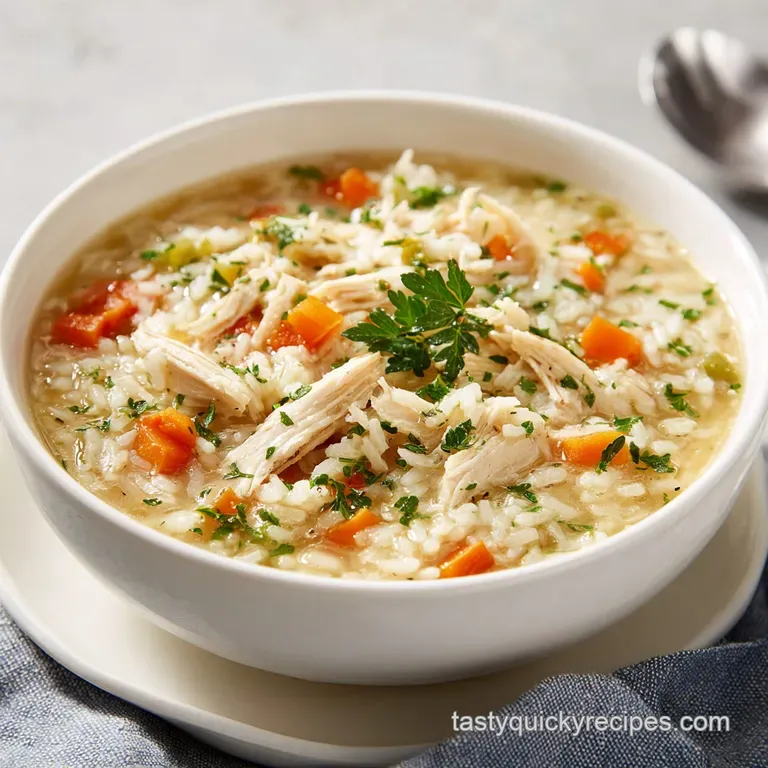
If the grains have lost their shape and the soup looks like a thick stew, the rice was likely overcooked or left to sit in the hot broth too long. Rice continues to hydrate as long as the liquid is hot.
| Problem | Root Cause | Solution |
|---|---|---|
| Broth is cloudy | Unrinsed rice starch | Rinse rice in a fine mesh sieve until water is clear. |
| Chicken is tough | Boiled too aggressively | Keep the pot at a simmer (small bubbles), never a hard boil. |
| Flavor is flat | Lack of acidity | Add an extra teaspoon of lemon juice or a splash of vinegar. |
A great way to avoid these issues is to cook the rice separately if you plan on having leftovers. This is a trick I often use with my Chicken Broccoli Rice recipe to keep the textures distinct.
Common Mistakes Checklist ✓ Rinse the rice for a full 60 seconds under cold water to strip away excess starch. ✓ Cut chicken into uniform 1/2 inch cubes so they all finish at the 165°F mark simultaneously.
✓ Avoid lifting the lid during the 15 minute rice simmer; you need that trapped steam. ✓ Always add the lemon juice after taking the pot off the heat to keep the flavor bright. ✓ Use a "low sodium" broth if you want total control over the final saltiness.
Adjusting the Recipe Volume
When you need to feed a crowd, doubling this Chicken and Rice Soup is straightforward. Increase the broth and chicken linearly, but be careful with the spices. For an 16 cup batch, use 1.5x the salt and thyme initially, then taste and adjust.
The rice will require a larger pot to ensure even heat distribution; if the pot is too crowded, the rice at the bottom may scorch.
For a smaller household, halving the recipe works perfectly. Use a medium saucepan rather than a large Dutch oven to prevent too much evaporation. If you only have one egg for a recipe that's halved, beat it in a small bowl and use roughly half by volume though luckily, this soup is egg free and much easier to scale!
| Serving Goal | Chicken Amount | Rice Amount | Broth Amount |
|---|---|---|---|
| 2 People | 0.5 lbs | 1/3 cup | 2.5 cups |
| 6 People | 1.5 lbs | 1 cup | 8 cups |
| 12 People | 3 lbs | 2 cups | 15 cups |
Debunking Common Soup Myths
One common misconception is that you must sear the chicken until it's golden brown to get flavor. In a quick 30 minute soup, a hard sear can actually make small cubes of breast meat rubbery. A light sauté to "seal" the exterior is all you need before the broth does the rest of the work.
Another myth is that "the longer it simmers, the better it tastes." While true for a beef stew, this Rice Soup suffers from over simmering. After 20 minutes, the aromatics have given their all, and the rice is at its peak.
Any longer, and you're just sacrificing texture for a negligible gain in broth depth.
Storage and Sustainable Cooking
Storage Guidelines: Store leftovers in airtight containers in the fridge for up to 4 days. Note that the rice will continue to absorb broth as it sits. When reheating, you'll likely need to add a splash of water or extra broth to loosen it up.
For freezing, this soup lasts 3 months, but the rice texture will be softer upon thawing. For the best frozen results, freeze the broth and chicken base, and add fresh rice when you reheat it.
Zero Waste Tips: Don't toss those parsley stems! Chop them finely and sauté them along with the onions and celery; they hold an incredible amount of concentrated flavor. If you have leftover rice from a takeout meal, skip the "cook the rice" step entirely.
Just stir the pre cooked rice in at the very end for 2 minutes until heated through. This saves time and keeps the rice from getting over processed.
Perfect Pairings for Your Bowl
The "Soup Dunker"
Nothing beats a crusty piece of sourdough or a warm garlic knot for this dish. You want something with a "shatter"-crisp crust that can soak up the lemon infused broth without falling apart instantly. If you're feeling ambitious, a quick batch of cheesy herb biscuits is a total win.
The Bitter Green Balance
Because this soup is quite savory and rich in protein, a side salad with a hit of bitterness works wonders. Think arugula or radicchio tossed in a simple balsamic vinaigrette. The sharpness of the greens cleanses the palate between spoonfuls of the velvety soup, making the whole meal feel more balanced.
If you are looking for a more "set it and forget it" version of this meal, I highly recommend checking out a crockpot chicken wild recipe which uses a similar flavor profile but adapts it for the slow cooker's long, gentle heat. It's another great way to keep your family fed without spending all evening at the stove.

Critical in Sodium 🚨
1180 mg 1180mg of sodium per serving (51% 51% of daily value)
The American Heart Association recommends limiting sodium intake to about 2,300mg per day.
Tips to Reduce Sodium
-
Low-Sodium Broth-30%
Replace the regular chicken bone broth with a low-sodium or sodium free version. This is the single biggest source of sodium in the recipe.
-
Reduce Added Salt-25%
Eliminate or significantly reduce the added sea salt. Start with half a teaspoon and taste, adding more only if absolutely necessary.
-
Fresh Chicken-15%
Ensure the chicken breasts are fresh and not pre-brined or injected with a sodium solution. Check the packaging for sodium content information.
-
Enhance with Lemon-10%
Increase the fresh lemon juice slightly to brighten the flavor of the soup and compensate for the reduced salt. A little extra acidity can make a big difference.
-
Rinse Rice Thoroughly-5%
Rinse the long grain rice very thoroughly before adding it to the soup. This removes excess starch and some residual sodium that may be present.
-
Spice It Up!
Experiment with other herbs and spices like garlic powder, onion powder, paprika, or bay leaf to enhance the flavor without adding sodium. Fresh herbs are also a great choice!
Recipe FAQs
What are the essential components for classic chicken and rice soup?
Chicken, long grain white rice, quality bone broth, carrots, celery, onion, garlic, thyme, and lemon juice. The broth quality dictates the silkiness, while rinsing the rice prevents starch clouding. Adding the lemon juice at the end brightens the overall flavor profile.
Do you cook the rice separately or add it raw to the simmering soup?
Add the rinsed rice directly to the simmering soup. For this 30-minute recipe, add the rice after the broth has come to a boil, then reduce heat and cover to simmer for 15 minutes. If you are making this ahead, consider cooking the rice separately to better control texture in leftovers.
What are common mistakes that result in starchy, cloudy chicken and rice soup?
Failing to rinse the rice thoroughly and overcooking the grains. Rinsing removes excess surface starch (amylose) which is the primary cause of cloudiness. You must also avoid a hard boil once the rice is added; stick to a gentle simmer for 15 minutes.
Is chicken and rice soup inherently good for settling an upset stomach?
Yes, it is widely considered easy on the stomach due to its gentle composition. The broth provides hydration and electrolytes, while the plain white rice offers easily digestible carbohydrates without high fiber content. This simple formulation is less irritating than fibrous vegetables or heavy fats, much like the preparation required for a light Round Swamp Chicken Salad recipe base.
How do I prevent the chicken breast from drying out while the rice cooks?
Cut the chicken into small, uniform 1/2 inch cubes and maintain a low simmer. Small pieces cook quickly, minimizing time exposed to heat, and a gentle simmer prevents rapid moisture evaporation from the protein cells. Always ensure the internal temperature reaches 165°F and no higher.
Why does my soup taste bland even after adding salt and herbs?
The soup likely needs a hit of acidity to balance the savory elements. Add the fresh lemon juice right at the very end, off the heat, to activate the flavor molecules in the broth. Mastering this sweet tart acid balance is key; if you enjoyed controlling flavor levels here, apply that same acid principle to our Greek Chicken Bowls recipe for vibrant taste.
How long should the rice cook before the soup is considered finished?
Aim for 15 minutes of covered, gentle simmering after adding the rinsed rice. This time frame usually yields a tender, distinct grain that is cooked through but not mushy. Always remove the pot from the heat immediately after this time to stop the cooking process.
Chicken Rice Soup In 30 Min

Ingredients:
Instructions:
Nutrition Facts:
| Calories | 402 kcal |
|---|---|
| Protein | 41.2g |
| Fat | 10.8g |
| Carbs | 33.6g |
| Fiber | 1.8g |
| Sugar | 3.9g |
| Sodium | 1180mg |
