Chicken Fajita Pasta: Velvety Tex Mex Comfort
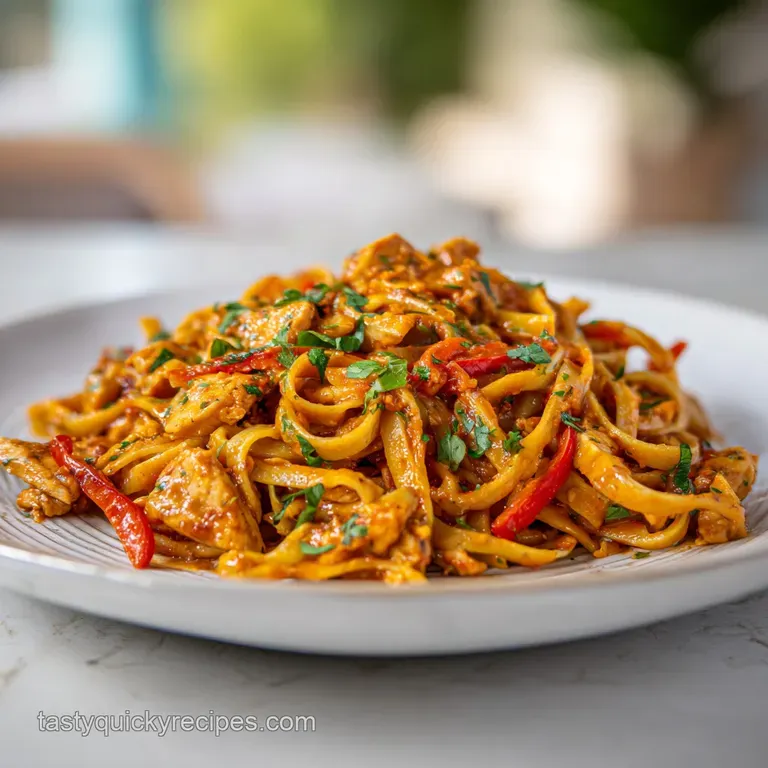
- Time: Active 10 minutes, Passive 20 minutes, Total 30 minutes
- Flavor/Texture Hook: Zesty, velvety, and smoky
- Perfect for: High speed weeknight dinners and meal prep
- How to Craft the Best Chicken Fajita Pasta
- The Science Behind This Velvety Creamy Sauce
- Component Deep Dive for Maximum Kitchen Flavor
- Tools to Speed Up Your Pasta Cooking
- Detailed Instructions for a Flavorful Weeknight Meal
- Troubleshooting Tips to Avoid Kitchen Disasters
- Easy Ways to Customize Your Fajita Bowl
- Storing and Reheating Your Pasta for Success
- Fresh Pairing Ideas for a Balanced Table
- High in Sodium ⚠️
- Recipe FAQs
- 📝 Recipe Card
How to Craft the Best Chicken Fajita Pasta
Picture this: it's 5:30 PM, the kids are asking about dinner for the tenth time, and you’re juggling a work call while staring at a pack of chicken breasts. You want something that hits the table fast but doesn't taste like a compromise.
The moment that 450g (1 lb) of sliced chicken hits the oil, the sizzle fills the kitchen, and that smoky aroma of cumin and paprika starts to drift through the house. It’s the sound of a win.
I used to think that making a creamy sauce meant standing over a stove whisking a roux for twenty minutes. I was wrong. The secret to this dish isn't a complex French technique; it's about the marriage of over high heat searing and the starchy liquid gold left behind in your pasta pot.
We’re looking for those charred, slightly blackened edges on the bell peppers that give you that authentic restaurant vibe right in your own kitchen.
We’ve all had those pasta dishes that end up dry or clumpy by the time you sit down. This version stays silky because we lean into the science of emulsification. By the time you're tossing the 285g (10 oz) of pasta with the softened cream cheese and heavy cream, you'll see a transformation from separate ingredients into a cohesive, glossy coating.
Trust me, once you master this flow, you’ll never look at a jar of Alfredo sauce the same way again.
The Science Behind This Velvety Creamy Sauce
Understanding why this recipe works makes you a better cook without needing a culinary degree. It’s all about heat management and molecular bonding between the fats and starches.
- Maillard Reaction: High heat browns the chicken proteins and caramelizes the onion sugars, creating deep savory compounds that a slow simmer simply cannot replicate.
- Starch Suspension: The reserved pasta water contains amylose, which acts as a bridge between the watery cream and the oily fats in the cheese, preventing the sauce from breaking.
- Capsaicin Solubility: Capsaicin, the heat in chili powder, is fat soluble; by blooming the spices in oil before adding liquid, we distribute the warmth evenly throughout the entire dish.
| Thickness | Internal Temp | Rest Time | Visual Cue |
|---|---|---|---|
| 1 cm strips | 74°C (165°F) | 2 minutes | Opaque center, golden edges |
| 2 cm cubes | 74°C (165°F) | 3 minutes | Firm to touch, juices run clear |
| 0.5 cm shavings | 74°C (165°F) | 1 minute | Quick curl, light browning |
This quick decision guide ensures your chicken remains succulent rather than rubbery. Overcooking is the enemy of a flavorful table, so keep a meat thermometer handy if you're ever in doubt.
Component Deep Dive for Maximum Kitchen Flavor
Selecting the right elements is the difference between a flat meal and one that sings. Each ingredient in this 30 minute dash serves a specific structural or flavor purpose.
| Ingredient | Science Role | Pro Secret |
|---|---|---|
| Cream Cheese | Stabilizer | Use full fat blocks; the stabilizers prevent curdling when hitting the acidic lime or spices. |
| Smoked Paprika | Aromatic Depth | Toast it in the oil for 30 seconds to release volatile oils for a deeper wood smoke scent. |
| Monterey Jack | Melting Point | Grate it yourself from a block; pre shredded cheese is coated in cellulose which creates a gritty sauce. |
| Pasta Water | Emulsifier | Scoop it out just before draining; this is when the starch concentration is at its peak. |
Choosing between fresh and shortcut ingredients depends on your schedule, but the impact on texture is real.
| Ingredient | Fresh Version | Shortcut Version | Impact |
|---|---|---|---|
| Bell Peppers | Hand sliced crisp strips | Frozen pepper stir fry mix | Frozen peppers are softer and release more water. |
| Spice Blend | Individual measured spices | store-bought fajita packet | Packets often contain cornstarch and high sodium levels. |
| Garlic | Freshly minced cloves | Pre minced jarred garlic | Jarred garlic has a muted, slightly metallic tang. |
If you find yourself reaching for the frozen peppers, just make sure to thaw and pat them dry first. Excess moisture is the enemy of a good sear, turning a vibrant sizzle into a sad steam.
Tools to Speed Up Your Pasta Cooking
To keep up with the fast pace of family life, your equipment needs to work as hard as you do. You don't need a pantry full of gadgets, just a few reliable workhorses.
- Large Cast Iron Skillet: A 30 cm (12 inch) skillet, like a Lodge, is the gold standard here. It retains heat better than stainless steel, giving the chicken and peppers that signature charred exterior.
- Heavy Bottomed Stock Pot: You need plenty of room for the 285g (10 oz) of penne to dance around so they don't stick together.
- Heat Resistant Silicone Spatula: Perfect for scraping up those flavorful browned bits (the fond) from the bottom of the pan after searing the chicken.
- Microplane or Box Grater: As mentioned, freshly grated cheese is non negotiable for a slick, non grainy sauce.
Chef's Tip: Freeze your Monterey Jack cheese for 10 minutes before grating. It firms up the fats, making it much easier to shred without it turning into a clump in your hand.
Detailed Instructions for a Flavorful Weeknight Meal
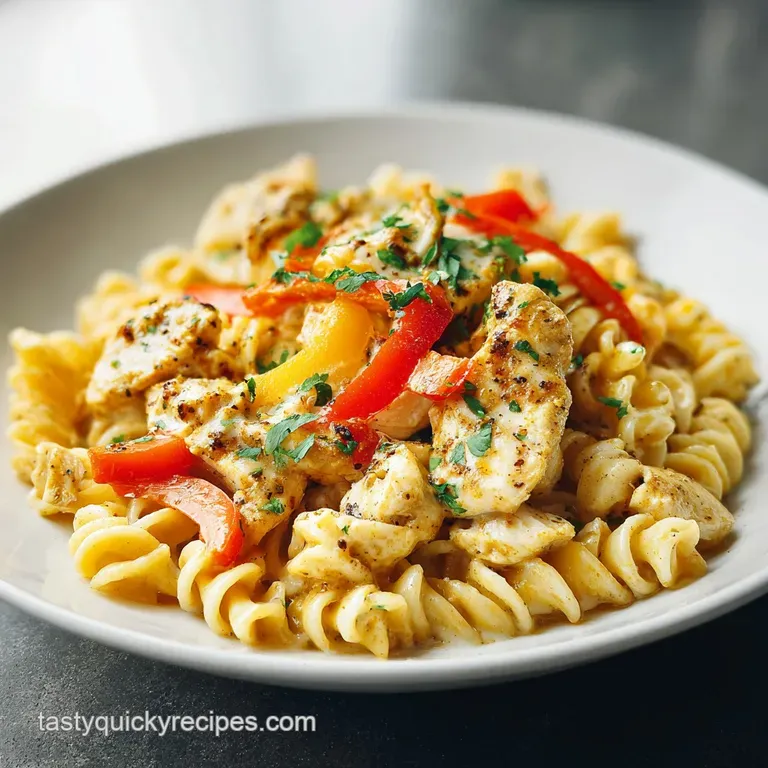
Follow this flow to ensure everything hits the table at the exact right temperature. Timing is everything when you're juggling multiple components.
Phase 1: The Al Dente Foundation
- Boil a large pot of heavily salted water. Cook the 285g (10 oz) of penne according to package directions, but aim for 1 minute less than "al dente." Note: The pasta will finish cooking in the sauce later.
- Crucial Step: Before draining, dip a measuring cup into the pot and save at least 240ml (1 cup) of that cloudy pasta water.
Phase 2: The over High heat Sear
- While the pasta boils, heat 2 tbsp of neutral oil in your large skillet over medium high heat. Wait until the oil shimmers.
- Add the 450g (1 lb) of chicken strips in a single layer. Season with half of the salt and pepper.
- Sizzle the chicken for 5-6 minutes until golden and no longer pink. Remove the chicken to a plate and keep it nearby.
- In the same pan, add the sliced red and green peppers along with the yellow onion.
Phase 3: Building the Creamy Sauce
- Sauté the vegetables for 4-5 minutes until the edges are charred but the centers remain crisp tender.
- Lower the heat to medium. Stir in the chili powder, smoked paprika, cumin, garlic powder, and onion powder. Cook for 1 minute until the aroma is heady and fragrant.
- Add the 115g (4 oz) of cubed cream cheese and 120ml (1/2 cup) of heavy cream. Pour in half of the reserved pasta water.
Phase 4: The Final Marriage
- Stir constantly until the cream cheese has melted into a velvety orange sauce.
- Return the chicken to the pan and add the cooked pasta. Toss vigorously, adding more pasta water if the sauce looks too thick.
- Sprinkle the 60g (1/2 cup) of Monterey Jack over the top. Stir one last time until the cheese is a series of molten, stretchy threads.
Troubleshooting Tips to Avoid Kitchen Disasters
Even the best of us hit a snag when the kitchen gets loud. Here is how to fix the most common issues before they ruin your vibe.
Why Your Sauce is Grainy
If your sauce looks broken or has tiny white dots, the heat was likely too high when you added the cheese. High heat causes the proteins in the cheese to tighten and squeeze out the fat.
| Problem | Root Cause | Solution |
|---|---|---|
| Grainy Sauce | Heat too high/Pre shredded cheese | Remove from heat and whisk in a splash of warm pasta water. |
| Thin/Watery Sauce | Too much pasta water added at once | Simmer for 2 minutes or add an extra handful of cheese. |
| Tough Chicken | Overcooked during the initial sear | Slice chicken thinner and pull it as soon as it hits 74°C (165°F). |
Why Your Peppers are Mushy
This usually happens when the pan is overcrowded. If you dump too many vegetables in at once, the temperature drops and they begin to steam in their own juices rather than searing.
Common Mistakes Checklist:
- ✓ Pat the chicken completely dry with paper towels before it hits the oil (moisture prevents browning).
- ✓ Resist the urge to stir the chicken for the first 2 minutes to let a crust form.
- ✓ Use a skillet large enough that the vegetables aren't piled on top of each other.
- ✓ Always grate your cheese fresh; the cornstarch in bags is the enemy of a slick sauce.
- ✓ Never discard the pasta water until the dish is completely plated and served.
Easy Ways to Customize Your Fajita Bowl
We all have that one family member who wants things a little differently. This recipe is incredibly forgiving and adapts well to what you have in the fridge.
- For a Healthy Chicken Fajita Pasta: Swap the heavy cream for whole milk and use a reduced fat cream cheese. You can also double the bell peppers and onions to increase the fiber and volume without adding many calories.
- For Restaurant Quality Flavor: Add a squeeze of fresh lime juice and a handful of chopped cilantro right before serving. The acidity cuts through the richness of the cream cheese perfectly.
- For the Spice Lovers: Add a diced jalapeño with the onions or a teaspoon of chipotle in adobo sauce to the cream mixture for a deeper, lingering heat.
If you’re looking for a different spin on poultry and pasta, you might also enjoy my Mushroom Chicken Pasta recipe which uses similar creamy techniques but with an earthy, forest floor flavor profile.
Decision Shortcut: - If you want a lower carb count, do swap half the pasta for spiralized zucchini noodles. - If you want a smoky kick, do use fire roasted canned tomatoes (drained) in the sauce. - If you want more crunch, do top the finished bowls with toasted pepitas or crushed tortilla chips.
Storing and Reheating Your Pasta for Success
Pasta with cream sauce can be tricky to store because the noodles act like sponges, soaking up all that velvety goodness while they sit in the fridge.
Storage: Keep leftovers in an airtight container for up to 3 days. I don't recommend freezing this specific dish, as the cream cheese and heavy cream can separate and become grainy once thawed and reheated.
Reheating: Do not just microwave it on high. The sauce will break and become oily. Instead, place the pasta in a small skillet with a splash of milk or water. Heat it over low medium, stirring gently, until the sauce thins out and becomes glossy again.
Zero Waste: If you have leftover fajita vegetables that didn't make it into the pan, toss them into an omelet the next morning. Leftover chicken strips are also a great addition to a cold salad for a fast lunch the next day.
Fresh Pairing Ideas for a Balanced Table
Since this dish is quite rich and bold, you want sides that provide a bright contrast. Think about textures that are crisp or flavors that are acidic.
A simple cucumber and radish salad with a lime vinaigrette is a winner here. The watery crunch of the cucumber cleanses the palate between bites of the spiced cream sauce. If you’re serving a crowd and want something heartier, a side of garlic bread with a hint of cumin butter ties the whole Tex Mex theme together.
For those nights when you want a more traditional Italian American feel instead of the fajita vibe, you should definitely try my Chicken Spaghetti Recipe. It uses a similar cream cheese base but pivots toward a classic comfort profile that kids absolutely adore.
Debunking Kitchen Myths
One common myth is that you should add olive oil to your pasta water to keep the noodles from sticking. Please, don't do this! The oil coats the pasta and prevents the beautiful fajita sauce from clinging to the penne.
Another myth is that searing "seals in the juices." Searing actually creates flavor through the Maillard reaction; the moisture stays inside based on the internal temperature, not the crust.
Scaling this recipe is easy. If you're cooking for two, simply halve the ingredients but keep the spice levels high you want that bold punch regardless of the portion size. If you're doubling it for a party, work in batches for the chicken and peppers so you don't lose that essential sear. Happy cooking!
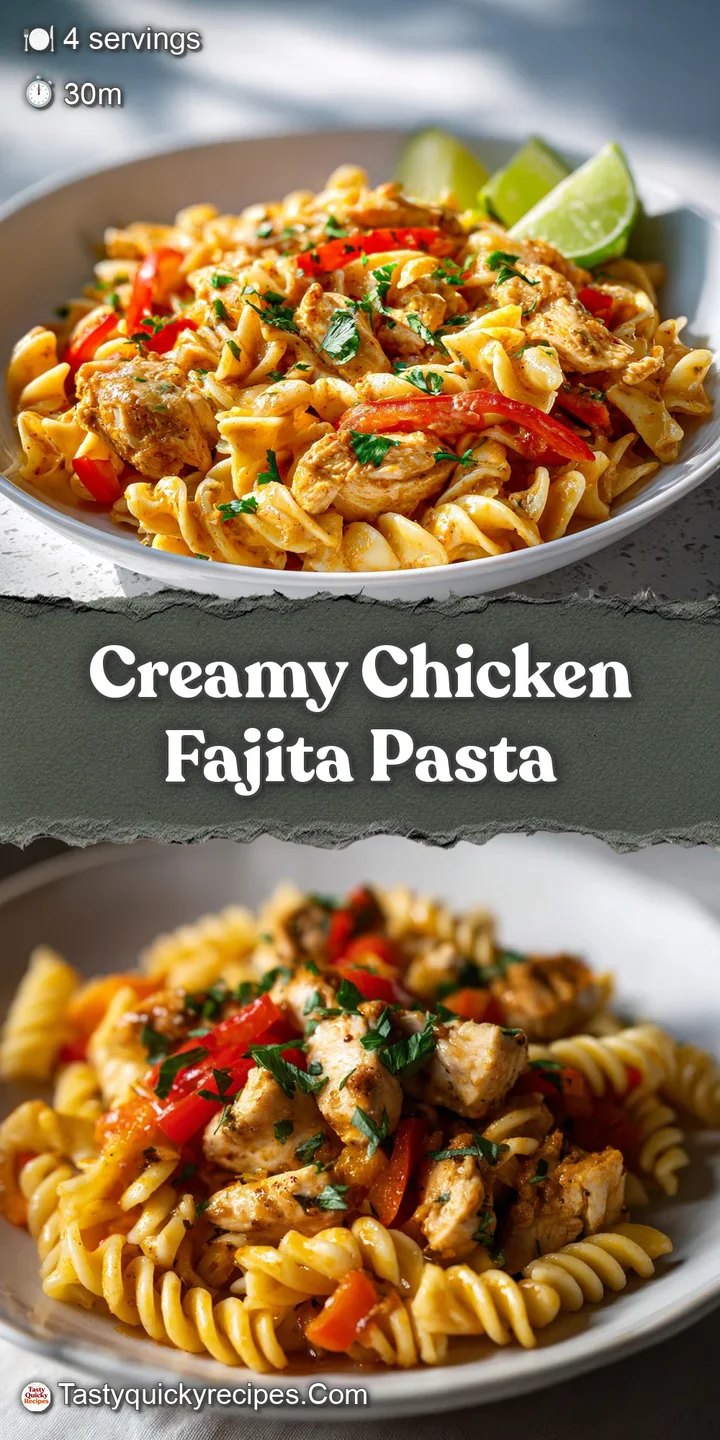
High in Sodium ⚠️
845 mg 845 mg of sodium per serving (37% 37% of daily value)
The American Heart Association recommends limiting sodium intake to about 2,300mg per day for optimal health.
Tips to Reduce Sodium in This Recipe
-
Reduce Cheese Sodium-15%
Monterey Jack cheese contributes significantly to the sodium content. Use a low-sodium Monterey Jack or reduce the amount by half. You can also substitute with a low-sodium mozzarella.
-
Cut Back on Added Salt-25%
The recipe calls for 1 tsp of kosher salt. Reduce the amount of salt by half, or eliminate it completely. Taste and adjust other seasonings to compensate.
-
Homemade Spice Blend-15%
Consider creating your own spice blend, omitting the salt entirely, to control the sodium. You can adjust other seasonings for the flavor you prefer.
-
Unsalted Cream Cheese-10%
Some cream cheese varieties have a higher sodium content. Opt for an unsalted or reduced sodium cream cheese option to lower the overall sodium level.
-
Flavor with Herbs & Spices
Enhance the flavor with fresh or dried herbs (like oregano, basil, or thyme) and spices (like black pepper and red pepper flakes) instead of relying on salt. These add flavor without increasing sodium.
Recipe FAQs
What goes in chicken fajita pasta?
Chicken, penne pasta, cream cheese, heavy cream, and fajita seasonings. The essential vegetables are sliced bell peppers (red and green) and onions, all coated in a smoky, spiced sauce.
What kind of pasta is best for fajitas?
Penne is the best choice. Its tubular shape and ridges hold the creamy, spiced sauce perfectly, ensuring every bite has a good coating.
What toppings are good with chicken fajita pasta?
Fresh lime wedges, cilantro, and sour cream or Greek yogurt. A squeeze of fresh lime juice brightens the heavy cream sauce significantly.
How do I prevent my sauce from tasting bland?
Bloom your spices in hot oil first, before adding liquids. Toasting the cumin and paprika for 30 seconds releases their fat-soluble flavor compounds, intensifying the overall smoke and heat.
Why is it called "marry me pasta"?
That specific nickname is usually reserved for dishes using sun-dried tomatoes and Parmesan. While this is a similarly rich, impressive comfort dish, it doesn't typically carry that exact moniker, though it certainly wins hearts!
How to make the sauce creamy without it breaking?
Use starchy pasta water to emulsify the cream and fat. Always add the cream and cheese over medium low heat, whisking until smooth. If you master this technique here, you will see how it applies to stabilizing many rich sauces.
Can I use pre-shredded cheese instead of grating my own?
No, stick with grating cheese from a block for the best texture. Pre-shredded cheese contains anti caking agents like cellulose, which prevent smooth melting and result in a gritty, substandard sauce.
Chicken Fajita Pasta Recipe
Ingredients:
Instructions:
Nutrition Facts:
| Calories | 773 kcal |
|---|---|
| Protein | 49.6 g |
| Fat | 35.6 g |
| Carbs | 62.4 g |
| Fiber | 4.8 g |
| Sugar | 5.9 g |
| Sodium | 845 mg |
