Chicken Fajita Marinade: Tender & Zesty
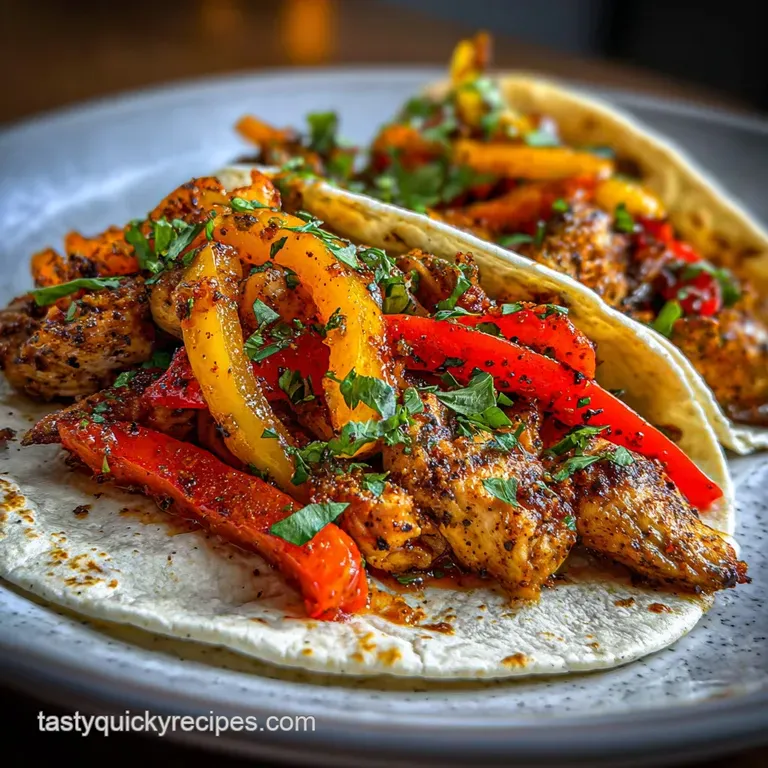
- Time: Active 10 minutes, Passive 30 minutes, Total 40 minutes
- Flavor/Texture Hook: Zesty, smoky, and incredibly velvety
- Perfect for: Busy weeknight dinners or fast meal prep
- Create the Best Chicken Fajita Marinade Today
- The Science of Using Citrus for Tender Fajita Meat
- Timing Your Weeknight Prep Flow
- Gathering the Bold Spices for This Smoky Flavor Profile
- Choosing the Best Pans for That Signature Restaurant Sizzle
- Stepping Through the Searing Process for the Best Results
- Fixing Dry Meat or Bland Flavors With Simple Adjustments
- Swapping Ingredients to Fit Every Dietary Need at Home
- Storing and Using Your Leftover Chicken for Better Meals
- Pairing Your Fajitas with Authentic Sides for the Family
- Recipe FAQs
- 📝 Recipe Card
Create the Best Chicken Fajita Marinade Today
The first time I tried to make fajitas at home, I basically made chicken flavored rubber bands. I thought high heat was the only secret, so I tossed plain strips into a screaming hot pan and hoped for the best. The result? A smoky kitchen, a very sad husband, and chicken that required a chainsaw to chew.
I realized then that the magic doesn't happen in the pan it happens in the bowl an hour before the stovetop even gets turned on.
We've all been there, juggling a million things on a Tuesday night, trying to get a flavorful meal on the table without resorting to the drive thru. This Chicken Fajita Marinade is my "holy grail" for those nights. It’s fast, punchy, and uses stuff you probably already have in the pantry.
When those citrus soaked strips hit the cast iron, the sizzle is music to my ears, and the aroma of toasted cumin and garlic immediately brings everyone to the kitchen.
It’s not just about adding moisture; it’s about changing the structure of the meat. By combining fresh lime and orange juices with the deep umami of soy sauce, we're doing the hard work before the cooking starts.
You’ll get that restaurant style char and a tender bite that honestly makes you feel like a pro chef, even if you’re still wearing your work clothes and tripping over the dog.
The Science of Using Citrus for Tender Fajita Meat
Understanding the "why" behind the soak helps you avoid the common mistake of over marinating, which turns meat to mush.
- Enzymatic Tenderization: The citric acid in lime and orange juice weakens the tight protein fibers in the chicken breast, allowing moisture to seep into the gaps.
- The Soy Sauce Catalyst: Proteases in soy sauce work alongside the acid to break down surface proteins, creating more surface area for the Maillard reaction (browning).
- Lipid Spiced Infusion: Since cumin and paprika are fat soluble, the neutral oil acts as a vehicle, carrying these smoky flavors deep into the meat rather than just sitting on top.
The Dual Acid Tenderization Strategy
Using both lime and orange juice isn't just for a tropical vibe. Lime provides the sharp acidity needed for structural breakdown, while orange juice adds natural sugars that caramelize quickly. This ensures you get dark, crispy edges before the center of the thin chicken strips becomes overcooked and dry.
Umami Rich Maillard Enhancement
Soy sauce is the secret weapon here. It provides salt, but more importantly, it provides glutamates. These interact with the honey to create a beautiful, dark crust as soon as the chicken hits the heat. If you enjoy this savory depth, you might also like the base notes in my Chicken Stock recipe for your next soup night.
| Cooking Method | Prep Time | Texture Result | Best For |
|---|---|---|---|
| Cast Iron Skillet | 5 mins | Heavily charred, smoky | Authentic restaurant feel |
| Sheet Pan Oven | 2 mins | Evenly cooked, juicy | Hands off family feeding |
| Outdoor Grill | 10 mins | Deeply smoky, firm | Weekend entertaining |
This comparison shows that while the skillet gives you that classic sizzle, the oven is your best friend when you're juggling chores. The cast iron method is my personal favorite because it allows the sugars in the orange juice to truly "shatter" into a crispy crust.
Timing Your Weeknight Prep Flow
| Component | Science Role | Pro Secret |
|---|---|---|
| Lime Juice | Acidic denaturant | Use room temp limes to get 20% more juice |
| Soy Sauce | Umami & Salt | Substitution with Tamari keeps it gluten-free |
| Neutral Oil | Heat conductor | Avocado oil prevents the "burnt oil" smell |
| Honey | Caramelization | Helps the spices stick to the meat fibers |
Lipid Soluble Spice Extraction
Most people just toss spices in, but the oil in this Chicken Fajita Marinade is doing heavy lifting. By whisking the spices directly into the oil first, you "bloom" the aromatics. This ensures that every millimeter of the chicken is coated in a velvety layer of flavor that won't just wash off in the pan juices.
Gathering the Bold Spices for This Smoky Flavor Profile
You'll want to have everything measured out before you slice the meat to keep your station clean. I always keep a jar of my own mix ready for when life gets hectic.
- 1.5 lbs chicken breast: Sliced into thin, even strips for fast cooking.
- 1/4 cup lime juice: Freshly squeezed is non negotiable for the right pH level.
- 2 tbsp orange juice: Provides the sugar needed for that dark, crispy char.
- 1/3 cup neutral oil: Avocado or grapeseed oil handles high heat without smoking.
- 2 tbsp soy sauce: Adds deep saltiness and helps the meat retain water.
- 1 tsp honey or agave: Balances the sharp lime and aids in browning.
- 4 cloves garlic: Mined finely to release all those pungent oils.
- 1 tbsp chili powder: The base of the Tex Mex flavor profile.
- 1.5 tsp ground cumin: For that earthy, unmistakable fajita aroma.
- 1 tsp smoked paprika: Gives the meat a "just off the grill" color and scent.
- 1 tsp dried oregano: Adds a subtle herbal note that cuts through the fat.
- 1/2 tsp black pepper: Freshly cracked provides a gentle heat.
- 1/4 tsp red pepper flakes: Just enough to wake up the palate.
Chef's Tip: To get the most out of your garlic without it burning in the pan, smash the cloves with the side of your knife before mincing. This releases all the sulfur compounds early so they mellow out in the marinade.
Choosing the Best Pans for That Signature Restaurant Sizzle
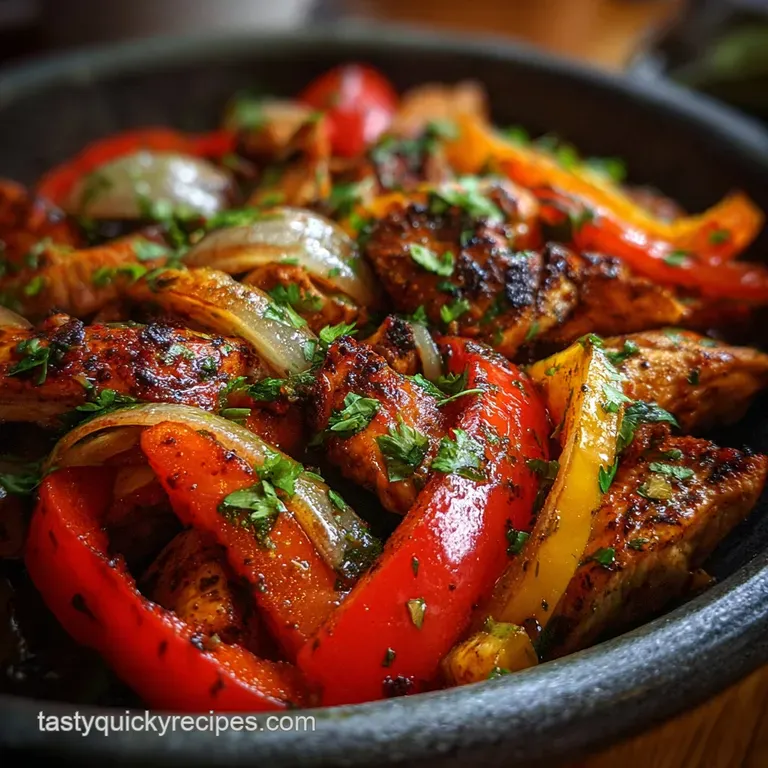
For this recipe, heat retention is everything. I swear by a heavy cast iron skillet. If you use a thin non stick pan, the temperature drops the second the cold chicken hits it, and instead of searing, you'll end up boiling the meat in its own juices. No one wants "boiled" fajitas.
If you are cooking for a crowd, a large sheet pan is a life saver. You won't get the same intense char, but the chicken stays incredibly juicy. This is a similar workflow to a Chicken Divan Recipe where even heat distribution is key to a consistent bake.
Stepping Through the Searing Process for the Best Results
- Whisk the base. Combine lime juice, orange juice, oil, soy sauce, and honey in a large bowl. Note: This creates an emulsion that holds the spices.
- Infuse the aromatics. Stir in the garlic, chili powder, cumin, paprika, oregano, pepper, and red pepper flakes.
- Prepare the protein. Slice the 1.5 lbs chicken into 1/2 inch strips across the grain.
- Combine and coat. Submerge chicken in the mixture until every strip is glossy and fully covered.
- Chill and wait. Cover and refrigerate for 30 minutes. Note: Don't exceed 2 hours or the lime will make the meat mushy.
- Preheat the surface. Get your skillet or grill to medium high heat until a drop of water dances and evaporates instantly.
- Sear in batches. Add chicken in a single layer, leaving space between strips.
- Develop the crust. Cook for 3-4 minutes without moving until the edges look opaque and the bottom is dark gold.
- Flip and finish. Toss and cook for another 3 minutes until the center is no longer pink and the juices run clear.
- Rest the meat. Transfer to a warm plate for 2 minutes before serving.
For a Perfectly Emulsified Base
If the oil separates from the juices, the flavor won't stick. Whisking vigorously or even using a small jar to shake the marinade creates a temporary emulsion. This ensures the spices are suspended in the liquid rather than sinking to the bottom of the bowl.
To Infuse Deep Flavor
While 30 minutes is the sweet spot, you can technically cook this after 15 minutes if you're in a massive rush. However, that extra quarter hour allows the salt in the soy sauce to penetrate the cell walls of the chicken, making it seasoned from the inside out.
Fixing Dry Meat or Bland Flavors With Simple Adjustments
Why Your Chicken Is Rubbery
If the chicken feels bouncy or tough, it usually means it was cooked over too low a heat for too long. The juices leaked out, and the fibers tightened up. Next time, ensure the pan is screaming hot before the chicken goes in to lock that moisture in instantly.
To Prevent Scorching
The honey and orange juice are great for color, but they can burn if the pan is dry. If you see black (not dark brown) spots forming too quickly, add a teaspoon of oil to the pan. This acts as a buffer and helps distribute the heat more evenly across the uneven surface of the strips.
| Problem | Root Cause | Solution |
|---|---|---|
| Bland Chicken | Short marinating time | Let it sit for at least 30 minutes |
| Gray Meat | Crowding the pan | Cook in two batches to allow steam to escape |
| Burnt Spices | Heat too high/No oil | Lower heat slightly or add a splash of avocado oil |
Common Mistakes Checklist
- ✓ Never use "bottled" lime juice; the preservatives change the flavor and the acid level.
- ✓ Don't slice the chicken too thin or it will overcook before it browns.
- ✓ Always pat the chicken dry before adding it to the marinade if it came out of a vacuum seal.
- ✓ Avoid marinating in metal bowls for long periods; the acid can react and leave a metallic taste.
- ✓ Ensure your cumin and chili powder aren't expired; they lose their "punch" after 6 months.
Swapping Ingredients to Fit Every Dietary Need at Home
Don't have orange juice? No problem. A pinch of brown sugar and an extra splash of lime can mimic that sweetness and acidity. The goal is to keep the balance of salt, acid, and fat.
| Original Ingredient | Substitute | Why It Works |
|---|---|---|
| Soy Sauce | Coconut Aminos | Lower sodium and gluten-free. Note: Slightly sweeter than soy. |
| Honey | Maple Syrup | Vegan friendly. Note: Adds a subtle earthy sweetness. |
| Chicken Breast | Portobello Mushrooms | Great vegetarian swap. Note: Reduce marinating time to 10 minutes. |
For a Low Carb Swap
If you are watching your sugar intake, you can omit the honey and orange juice entirely. Instead, add an extra tablespoon of oil and a dash of liquid smoke. You won't get the same caramelization, but the flavor remains incredibly bold.
For a Smoky Chipotle Twist
If you want more "kick," swap the smoked paprika for a tablespoon of adobo sauce from a can of chipotles. It adds a deep, lingering heat that pairs beautifully with the lime. Just be careful, a little goes a long way when you're feeding kids!
Storing and Using Your Leftover Chicken for Better Meals
Fridge Storage: Keep cooked fajita chicken in an airtight container for up to 4 days. Freezer Tips: You can actually freeze the raw chicken in the marinade! It will marinate as it thaws in the fridge the day you want to cook it. It stays good for up to 3 months.
Zero Waste: Don't throw away the leftover bell pepper scraps or onion ends. Toss them into a freezer bag. Once you have enough, they make a fantastic base for an authentic Caldo de Pollo recipe. Also, any leftover cooked chicken is a perfect "head start" for a quick taco salad the next day.
Pairing Your Fajitas with Authentic Sides for the Family
Fajitas are a "choose your own adventure" meal. I like to lay everything out on the table: warm flour tortillas, cool sour cream, and a big bowl of chunky guacamole. The acidity in the chicken pairs perfectly with fatty toppings.
To Complete the Spread
If you have an extra 10 minutes, char your corn tortillas directly over a gas flame. It adds a toasted flavor that complements the smoky paprika in the meat. For a more filling meal, serve the chicken over a bed of cilantro lime rice instead of in wraps.
For a Healthier Bowl
Skip the tortillas and pile the chicken over shredded romaine lettuce and black beans. The leftover marinade in the pan can be simmered for 2 minutes with a splash of water to create a "pan sauce" that acts as a warm dressing for the greens.
- 1. Weight
- 1.5 lbs of chicken is exactly two large breasts.
- 2. Temperature
- Aim for a pan temp of 400°F before searing.
- 3. Internal Temp
- Pull the chicken at 160°F; carryover cooking will hit the safe 165°F.
If you want X, do Y: If you want maximum char, use a cast iron skillet and don't stir for 3 minutes. If you want extra tender meat, add 1/2 tsp of baking soda to the marinade (Velveting technique).
If you want kid friendly flavors, swap the red pepper flakes for extra orange juice.
Myths About Marinating Meat
A common misconception is that "searing meat seals in the juices." In reality, searing is all about the Maillard reaction creating flavor through browning. The juices stay inside because we don't overcook the fibers, not because of some "seal." Another myth is that you can marinate chicken overnight.
Because of the high acid content in lime juice, an overnight soak will actually "cook" the outside of the chicken (like ceviche), making it mealy and dry when it finally hits the heat. Stick to the 30-60 minute window for the best texture!
Recipe FAQs
How long should I marinate chicken for fajitas?
30 minutes is ideal. This allows the citrus and soy sauce to tenderize the chicken without making it mushy. You can go up to 2 hours, but much longer can negatively impact the texture.
Can I use bottled lime juice instead of fresh for fajita marinade?
No, stick with fresh. Bottled lime juice contains preservatives that alter the flavor and can affect the acid levels, leading to a less optimal tenderizing effect and a slightly metallic taste.
What's the secret to tender, not rubbery, fajita chicken?
Marinating with dual citrus and searing hot. The acid in the lime and orange juice breaks down the protein fibers, while a screaming hot pan sears the exterior quickly, locking in moisture. If you're looking for other tender chicken methods, explore our Low Fodmap Chicken Recipes: Easy Delicious Dinner Ideas.
My chicken is bland, what did I do wrong?
Likely insufficient marinating time. Ensure the chicken sits in the marinade for at least 30 minutes for the flavors to penetrate. Also, check that your spices aren't expired, as they lose potency over time.
Can I substitute soy sauce in the chicken fajita marinade?
Yes, coconut aminos are a good substitute. They offer a similar umami and saltiness, though they are slightly sweeter. This is also a great option if you need a gluten-free alternative, similar to how you might adapt other recipes for dietary needs.
How do I get a good char on my chicken fajitas?
Preheat your cooking surface thoroughly. A very hot cast iron skillet or grill is essential. Don't overcrowd the pan; cook the chicken in batches so each piece gets direct contact with the heat for proper searing and browning.
Is it okay to marinate chicken fajitas overnight?
No, avoid marinating overnight. The high acidity in the lime juice will "cook" the surface of the chicken, making it mealy and mushy. Stick to 30 minutes to 2 hours for the best texture and flavor.
Chicken Fajita Marinade
Ingredients:
Instructions:
Nutrition Facts:
| Calories | 472 kcal |
|---|---|
| Protein | 53.8 g |
| Fat | 25.2 g |
| Carbs | 6.1 g |
| Fiber | 1.2 g |
| Sugar | 3.2 g |
| Sodium | 545 mg |
