Cashew Chicken Noodles: Tender and Savory
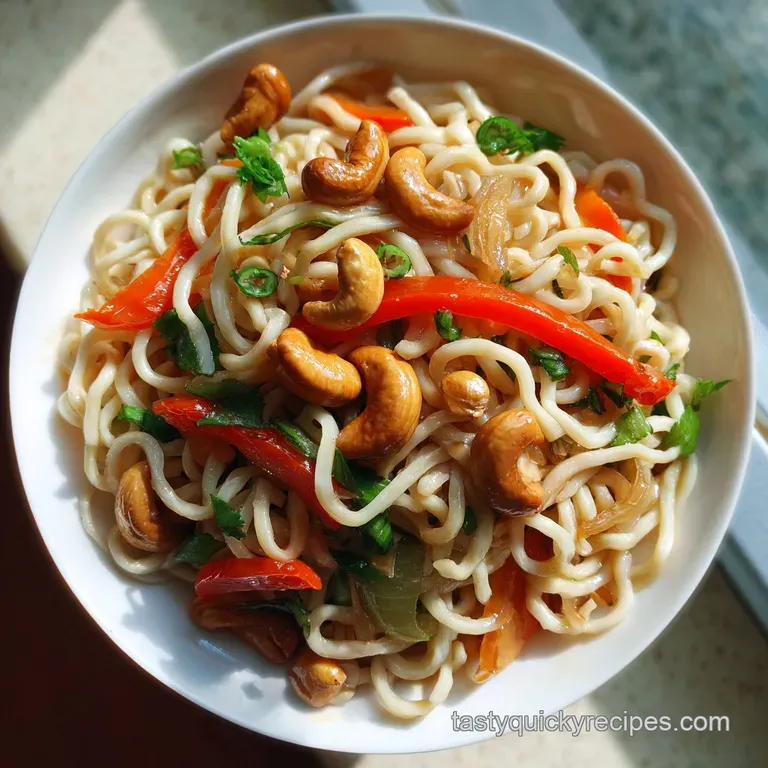
- Time: Active 15 minutes, Passive 10 minutes, Total 25 minutes
- Flavor/Texture Hook: Savory mahogany glaze with velvety chicken and shatter crisp cashews
- Perfect for: Hectic weeknight dinners when you need a high protein win fast
- Master The Crispy Cashew Chicken Noodles
- Essential Recipe Specifications
- The Secret To Silky Texture
- Component Analysis Deep Dive
- Selecting Your Stir Fry Elements
- Tools For Stir Fry Success
- Bringing The Dish Together
- Master Stir Fry Troubleshooting
- Scaling Your Stir Fry
- Stir Fry Myths Debunked
- Storage and Zero Waste
- Flavorful Pairing Ideas
- Critical High in Sodium
- Recipe FAQs
- 📝 Recipe Card
Master The Crispy Cashew Chicken Noodles
The first time I tried making this at home, it was a total disaster. I threw everything into a lukewarm pan, the chicken turned into grey rubber, and the cashews were soggy little lumps.
But then I heard that unmistakable sound in a local noodle shop: the high pitched hiss of cold protein hitting a screaming hot surface. That scent of toasted nuts and searing ginger filled the air, and I realized I was missing the fundamental rhythm of the stir fry.
Now, when I make Cashew Chicken Noodles for my family, the kitchen transforms. It is all about the "sizzle" and the "pop." You hear the cashews crackling in the oil, smelling like a warm autumn afternoon, and then the sharp, spicy aroma of garlic hits the heat.
It is a fast paced dance that results in a plate of noodles so glossy and vibrant they look like they belong in a magazine, but they taste like home.
We are juggling a lot these days, so I have streamlined this to be as fast and flavorful as possible. You don't need a thousand dollar wok or a commercial burner to get those charred, savory edges. You just need a heavy pan, a bit of prep, and the right sequence of events.
We're going to use smart swaps to keep the grocery bill down while keeping the protein high and the satisfaction even higher.
Essential Recipe Specifications
Before we get the oil shimmering, let's look at the numbers that make this dish a success every single time. Stir frying is a game of precision, and knowing your targets helps prevent those mushy noodle mishaps I used to struggle with.
| Thickness | Internal Temp | Rest Time | Visual Cue |
|---|---|---|---|
| 1 inch cubes | 165°F | 2 minutes | Opaque center, golden crust |
| 1/2 inch strips | 165°F | 2 minutes | Firm to touch, edges browned |
| 1.5 inch chunks | 165°F | 3 minutes | No pink, juice runs clear |
Getting the chicken to that 1 inch size is vital. If they are too big, the outside burns before the inside cooks. If they are too small, they turn into sawdust. We want that sweet spot where the outside gets a mahogany crust while the inside stays like velvet.
This recipe is built for efficiency, but it also scales beautifully if you are feeding a larger crowd. If you are cooking for a big family gathering, it is much better to cook the chicken in two separate batches rather than crowding the pan.
When too much cold meat hits the pan at once, the temperature drops, and instead of searing, the chicken starts to boil in its own juices. We want a sear, not a soup.
The Secret To Silky Texture
The most important part of this process is a technique called velveting. By tossing our 1.5 lbs chicken breast cubes in 1 tbsp cornstarch and 1 tbsp soy sauce, we create a protective barrier.
Moisture Barrier: The starch binds to the surface moisture of the meat, creating a thin gel that prevents the chicken fibers from toughening under high heat. This results in a texture that is incredibly soft and "velvety" rather than dry or stringy.
Sauce Attachment: The starch leftover on the chicken acts as a bridge, allowing the mahogany sauce to cling to every single piece of protein instead of sliding off to the bottom of the bowl.
Component Analysis Deep Dive
Understanding why we use specific ingredients helps you become a more intuitive cook. It isn't just about following a list; it is about knowing how each element contributes to the final aroma and bite.
| Ingredient | Science Role | Pro Secret |
|---|---|---|
| 1 tbsp Cornstarch | Texture Modifier | Ensures chicken stays tender at high heat |
| 1 cup Raw Cashews | Fat & Texture | Toasting them first releases aromatic oils |
| 8 oz Rice Noodles | Starch Base | Soaking instead of boiling prevents mushiness |
| 3 tbsp Oyster Sauce | Flavor Base | Provides deep umami and thickens the glaze |
Rice noodles are particularly finicky. If you boil them like Italian pasta, they often disintegrate into a sticky mess the moment they hit the wok. By using the soaking method, we hydrate the starch slowly, leaving the noodle with a "snap" that survives the final toss in the sauce.
When it comes to the cashews, always buy them raw and unsalted if you can. They are usually cheaper that way, and it gives you total control over the toasting process. A pre roasted cashew often has a stale oil taste that can ruin the freshness of your stir fry.
Selecting Your Stir Fry Elements
To keep this budget friendly, I always look for what is on sale in the produce aisle, but the core of the dish stays the same. Here is what you will need from your pantry and the local market.
- Chicken Breast (1.5 lbs): Trim any excess fat and cut into uniform 1 inch cubes. If you prefer thighs, they work great too and are often cheaper.
- Cornstarch (1 tbsp): This is the magic dust for the texture.
- Soy Sauce (3 tbsp total): Use low sodium so you can control the saltiness. We use 1 tbsp for the chicken and 2 tbsp for the sauce.
- Black Pepper (0.5 tsp): Adds a subtle back of-the throat heat.
- Oyster Sauce (3 tbsp): This is the soul of the sauce. Don't skip it!
- Hoisin Sauce (2 tbsp): Provides a sweet, fermented depth.
- Rice Vinegar (1 tbsp): The acidity cuts through the heavy savory notes.
- Toasted Sesame Oil (1 tsp): A little goes a long way for that nutty aroma.
- Brown Sugar (1 tbsp): Helps with the caramelization and balances the vinegar.
- Red Chili Flakes (1 tsp): Adjust this based on how much you like a tingle on your tongue.
- Rice Noodles (8 oz): Wide or thin both work, but I love the wider ones for better sauce coverage.
- Raw Cashews (1 cup): The star of the show for crunch.
- Bell Peppers (2): I like one red and one green for the color contrast.
- Aromatics: 3 cloves garlic (minced), 1 tbsp fresh ginger (grated), and 3 green onions (sliced).
- Neutral Oil (2 tbsp): Grapeseed, canola, or vegetable oil work best because they have a high smoke point.
| Original Ingredient | Substitute | Why It Works |
|---|---|---|
| Oyster Sauce | Hoisin + Soy | Similar thickness and salt, though less "ocean" depth |
| Rice Noodles | Linguine | Similar shape. Note: Boil to al dente first; results in a heavier, wheatier dish |
| Raw Cashews | Peanuts | Provides that essential crunch and fat at a lower price point |
| Chicken Breast | Extra Firm Tofu | Absorbs the sauce beautifully. Note: Press the tofu for 20 mins first |
If you find yourself missing an ingredient, don't panic. Cooking is about being flexible. For example, if you love the flavor of this sauce, you might also enjoy the profile of a Tuscan Chicken Pasta which uses different fats but similar principles of searing protein for maximum flavor.
Tools For Stir Fry Success
You do not need a professional setup to make incredible Cashew Chicken Noodles. A simple, heavy bottomed skillet will often outperform a cheap, thin wok on a standard home stove.
The main goal is heat retention. When you add the chicken, you want the pan to stay hot enough to sizzle, not drop in temperature and start steaming. A cast iron skillet (like a Lodge) is actually a fantastic tool for this because it holds onto heat like a champ.
You will also want a sturdy spatula metal if you are using cast iron, or over high heat silicone for non stick.
Preparation is the most important "tool" in your kitchen. Stir frying happens so fast that you won't have time to mince garlic while the chicken is in the pan. Have everything in little bowls or piles on a cutting board before you ever turn on the flame.
This is what the pros call "mise en place," and it is the difference between a calm cook and a kitchen fire.
Bringing The Dish Together
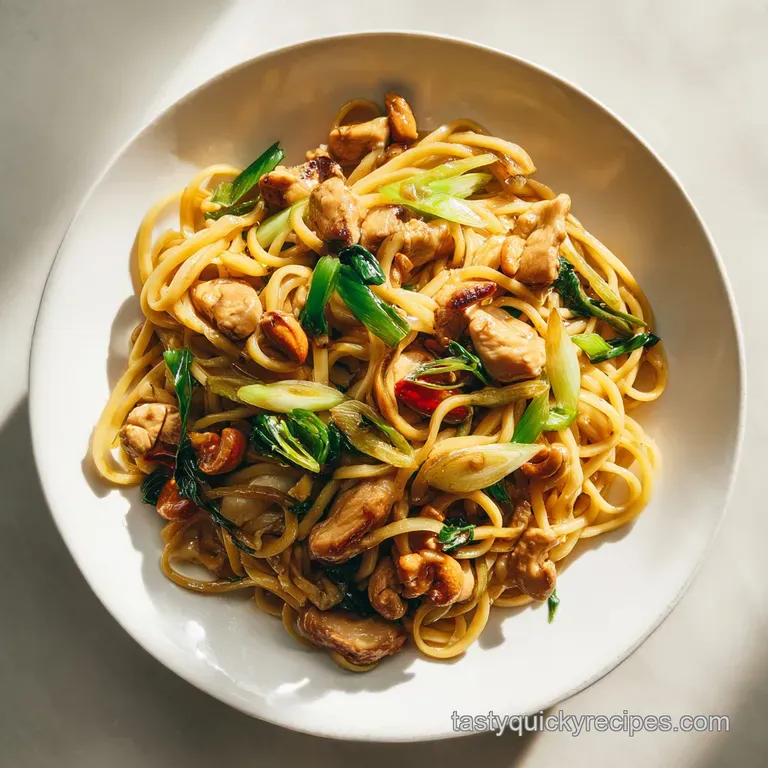
- Velvet the chicken: In a medium bowl, toss cubed chicken with cornstarch, 1 tablespoon of soy sauce, and black pepper. Let rest for 10 minutes. Note: This resting period allows the cornstarch to fully hydrate and bond to the meat.
- Prepare the sauce: In a small bowl, whisk together the oyster sauce, hoisin sauce, remaining 2 tablespoons of soy sauce, rice vinegar, sesame oil, brown sugar, and chili flakes.
- Prepare noodles: Soak rice noodles in hot water according to package instructions until al dente, then drain. Stop when they are still slightly firm to the bite.
- Toast cashews: Heat 1 tablespoon of oil in a wok over medium high heat. Add cashews and stir fry for 1-2 minutes until golden and fragrant. Remove and set aside.
- Sear protein: Increase heat to high and add the remaining tablespoon of oil. Add chicken in a single layer and sear for 2 minutes without moving until a mahogany crust develops. Stir fry for another 2-3 minutes until cooked through.
- Sauté aromatics: Add bell peppers, garlic, ginger, and green onion whites. Stir fry for 1 minute until the garlic smells incredible.
- Combine components: Add the prepared noodles and the sauce mixture to the pan.
- Final glaze: Toss everything rapidly over high heat for about 1-2 minutes until the sauce thickens and glazes the noodles.
- Final touch: Fold in the toasted cashews and the green onion greens.
- Serve immediately: Transfer to bowls while the steam is still rising and the noodles are slippery and hot.
Master Stir Fry Troubleshooting
Even with a plan, things can go sideways. The most common issue I hear about is the noodles turning into a clump. This usually happens if the noodles were over soaked or if the pan wasn't hot enough when the sauce was added.
| Issue | Solution |
|---|---|
| Why Your Noodles Clump Together | If your noodles turn into a giant ball, they likely released too much starch. This happens when they sit in water too long or if they aren't rinsed with cold water after draining. The cold water stops |
| Why Your Sauce Is Watery | A watery sauce usually means the pan temperature dropped too low. The sauce needs to reach a simmer almost instantly to allow the cornstarch from the chicken and the sugars in the hoisin to thicken. I |
| Why Your Chicken Is Bland | If the chicken tastes "flat," it likely didn't get enough sear. That brown "mahogany" crust we talk about is where the flavor lives. If you move the chicken too soon, you miss out on that caramelizati |
Common Mistakes Checklist
- ✓ Pat the chicken dry with a paper towel before adding cornstarch (excess water prevents the sear).
- ✓ Never crowd the pan if you have a small skillet, cook the chicken in two batches.
- ✓ Ensure the oil is shimmering and slightly smoking before the first piece of meat hits the pan.
- ✓ Have the sauce whisked and ready beside the stove before you start the heat.
- ✓ Use a "toss and fold" motion rather than stirring to keep the noodles from breaking.
Scaling Your Stir Fry
When you want to double the recipe for a bigger group, you have to be careful. You can't just throw twice as much into the same pan. The physics of home stoves means they can only keep a certain amount of food at stir fry temperatures.
Scaling UP (2x): Double all ingredients, but cook in two completely separate batches. If you try to cook 3 lbs of chicken at once, the pan will fill with liquid and the chicken will boil. For the sauce, you can mix it all in one bowl, but only use half for each batch.
If you are making a large amount of noodles, it is often easier to toss everything together in a large pre heated bowl at the very end.
Scaling DOWN (1/2): This is much easier. Use a smaller pan to ensure the sauce doesn't just evaporate instantly. You can use half an egg white in the velveting process if you feel the chicken needs extra protection, but usually, just halving the cornstarch and soy sauce works perfectly.
| Method | Time | Texture | Best For |
|---|---|---|---|
| Traditional Wok | 10 mins | Maximum sear, smoky | Authentic flavor, fast cook |
| Large Skillet | 12 mins | Even browning, reliable | Most home cooks, easy cleanup |
| Electric Griddle | 15 mins | Slower sear, more space | Large batches, breakfast style prep |
If you love the idea of a one pan meal but want something a bit more "set and forget," you might enjoy looking into a creamy chicken spaghetti recipe for those nights when the wok feels like too much work.
Stir Fry Myths Debunked
Many people think you need "Wok Hei" or the "breath of the wok" to make good Cashew Chicken Noodles. While that smoky flavor from commercial burners is great, it isn't a requirement for a high-quality meal.
You can achieve a very similar depth of flavor by simply letting your chicken sear undisturbed and using a touch of toasted sesame oil at the end.
Another myth is that you must use a wok to stir fry. In reality, a flat bottomed skillet has more surface area in contact with the heat source on a standard electric or induction stove.
This actually makes a skillet superior for searing meat in a home kitchen compared to a round bottomed wok that only gets hot at the very tip of the base.
Finally,, some believe that adding more oil makes the food "greasy." Greasiness actually comes from low temperatures. If the oil is hot enough, it sears the outside of the food instantly, creating a barrier that prevents the oil from soaking in. If your food feels oily, your pan wasn't hot enough.
Storage and Zero Waste
Cashew Chicken Noodles are fantastic for meal prep, but they require a little care to stay fresh. The noodles will naturally soak up the sauce as they sit, so they might be a bit "drier" the next day.
- Fridge: Store in an airtight container for up to 3 days. When reheating, add a splash of water or chicken broth to loosen the sauce and bring back that silky texture.
- Freezer: I don't recommend freezing this dish. Rice noodles tend to become grainy and break apart when thawed and reheated.
- Zero Waste Tip: Don't throw away the cilantro stems or the very ends of the green onions. You can finely mince them and add them to the sauce for an extra hit of flavor. If you have leftover cashews, store them in the freezer to keep the oils from going rancid, or toss them into your morning oatmeal for a savory sweet crunch.
When reheating, the microwave is fine, but a quick toss in a hot skillet for 2 minutes is much better. It helps re crisp the edges of the chicken and keeps the noodles from getting that "rubbery" microwave texture. If you are looking for another high protein chicken dish that stores incredibly well, my Buffalo Chicken Pasta is a great alternative that actually tastes better the second day.
Flavorful Pairing Ideas
Since this dish is quite savory and rich from the cashews and oyster sauce, it pairs beautifully with something bright and crunchy on the side. A simple smashed cucumber salad with plenty of rice vinegar and a pinch of sugar is the perfect palate cleanser.
If you want to keep the meal light, a plate of steamed bok choy or broccoli with a little garlic and sesame oil works wonders. The greens provide a fresh "snap" that contrasts with the soft noodles and tender chicken.
For a drink pairing, a cold lager or a crisp sparkling water with lime cuts through the salt and umami perfectly.
If you have kids who are picky about "green things," try serving the bell peppers on the side or cutting them into very tiny dice so they blend into the sauce. The sweetness of the hoisin usually wins over even the toughest critics.
At the end of the day, this is a meal meant for a busy table, where the clinking of forks and the silence of people actually enjoying their food is the best reward. Right then, let's get that pan hot and start cooking!
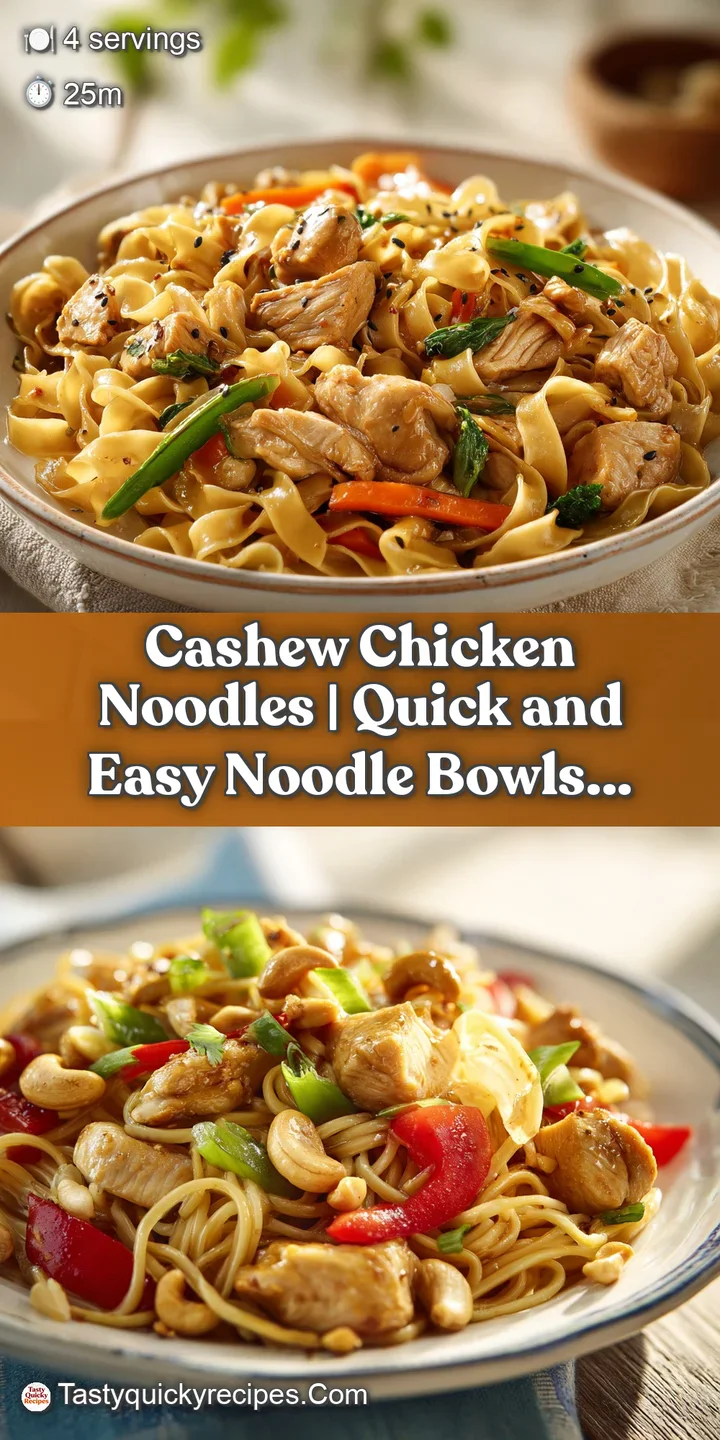
Critical High in Sodium
1285 mg 1285 mg (56% 56% of daily value)
The American Heart Association recommends limiting sodium intake to no more than 2,300mg per day, with an ideal limit of less than 1,500mg for most adults.
Tips to Reduce Sodium
-
Choose Low-Sodium Sauces-25%
Replace all regular oyster sauce (high in sodium) and hoisin sauce with low-sodium versions. This is the biggest sodium contributor in your recipe.
-
Opt for Low-Sodium Soy Sauce-10%
You are already using low-sodium soy sauce, which is great. Ensure you are using the lowest sodium version available to maximize reduction.
-
Amplify Flavor with Aromatics-5%
Increase the amounts of fresh garlic and ginger. These ingredients provide significant flavor without adding sodium, allowing you to reduce reliance on salty sauces.
-
Boost Flavor with Chili Flakes and Vinegar-5%
Increase the red chili flakes and rice vinegar to add heat and tang. This can help compensate for the reduced savory notes from sodium.
-
Embrace Fresh Herbs and Spices
Incorporate fresh herbs like cilantro or basil, and consider adding other spices like white pepper or a pinch of cayenne. These can add layers of flavor without any sodium.
Recipe FAQs
How to prevent the chicken from becoming rubbery?
Velvet the chicken by tossing it with cornstarch and soy sauce before cooking. Letting it rest for 10 minutes ensures the meat stays tender and juicy during the high heat searing process.
Is it possible to make this dish ahead of time for meal prep?
Yes, it stores well in an airtight container in the fridge for up to 3 days. Since the noodles absorb the sauce over time, add a splash of water or liquid when reheating to restore the silky sauce consistency.
How to get a mahogany crust on the chicken?
Sear the cubed chicken in a single layer for 2 minutes without moving it. If you enjoyed mastering this high heat searing technique, you can apply the same principle to our silky stroganoff to lock in flavor.
Should I freeze the leftovers?
No, freezing is not recommended. Rice noodles lose their structure and become grainy once thawed, ruining the texture of the dish.
How to keep rice noodles from breaking during the final assembly?
Use a gentle "toss and fold" motion rather than vigorous stirring. This method keeps the noodles intact while ensuring they are evenly coated with the thick, flavorful glaze.
How to ensure the cashews stay crunchy?
Toast the cashews in oil separately until golden before beginning the rest of the stir fry. Removing them from the pan ensures they remain crisp and don't soften from the moisture of the sauce later.
Is it required to cook the chicken in batches?
Yes, avoid crowding the pan to ensure proper browning. If your pan is small, cooking in two batches prevents the temperature from dropping, which would cause the chicken to steam instead of sear.
Cashew Chicken Noodles
Ingredients:
Instructions:
Nutrition Facts:
| Calories | 802 kcal |
|---|---|
| Protein | 63.2 g |
| Fat | 28.4 g |
| Carbs | 72.6 g |
| Fiber | 3.8 g |
| Sugar | 11.4 g |
| Sodium | 1285 mg |
