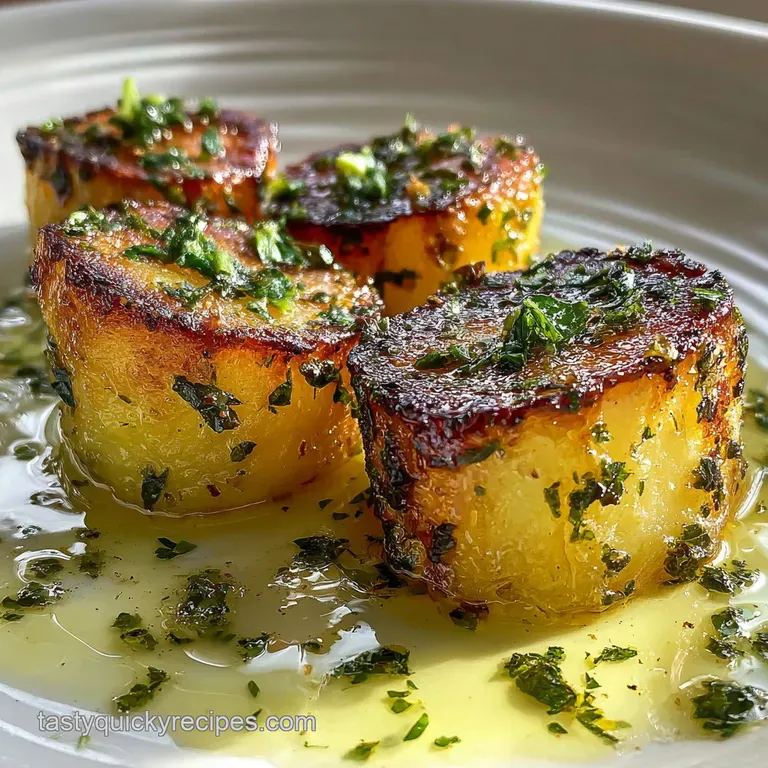
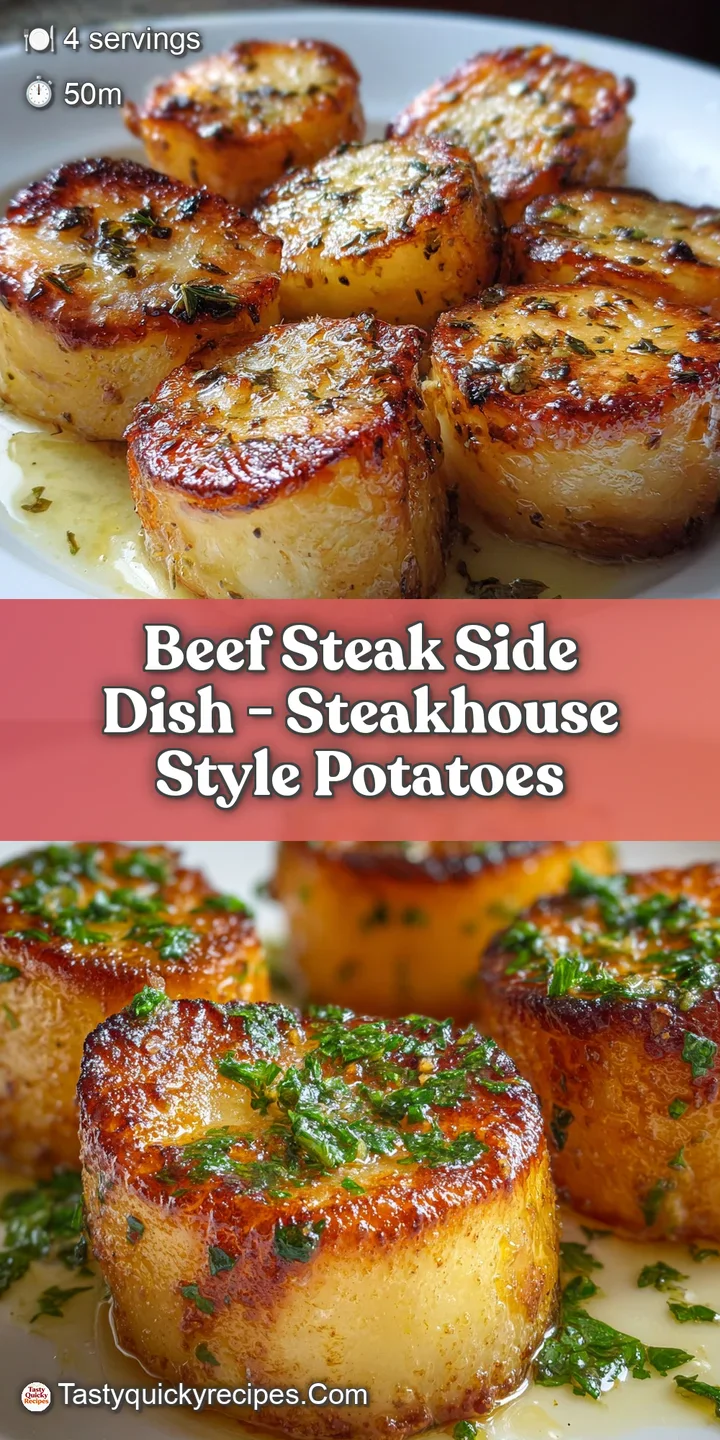
Buttery Potato Side Dish: Glass Crust & Melting Interior
- Time: Active 15 minutes, Passive 35 minutes, Total 50 minutes
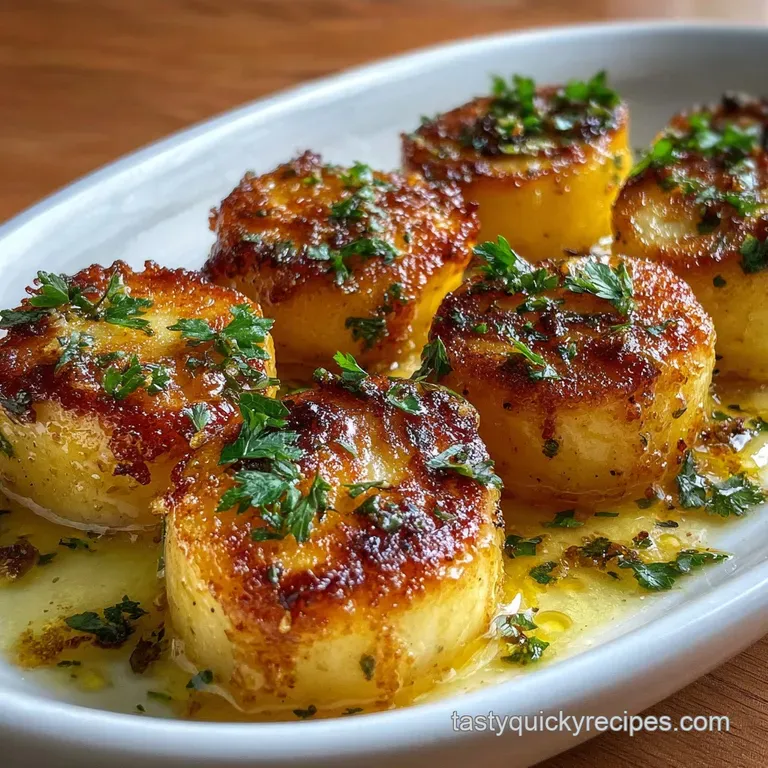
- Flavor/Texture Hook: A shatter crisp exterior with a velvety, melt in-your mouth interior.
- Perfect for: Romantic date nights or impressing the family during a weekend roast.
- Create a Golden Crusty Beef Steak Side Dish
- Why This Texture Works
- Elements of the Perfect Side
- Tools for Kitchen Success
- Step-by-Step Cooking Guide
- Solving Common Kitchen Mishaps
- Creative Recipe Variations
- Debunking Kitchen Legends
- Storing Your Leftover Sides
- Plating Like a Pro
- Beef Steak Side Dish FAQs
- 📝 Recipe Card
Create a Golden Crusty Beef Steak Side Dish
The first time I tried to make these, it was a total disaster. I was juggling a toddler on one hip while trying to impress my husband for our anniversary. I didn't dry the potatoes enough, and instead of that iconic golden sizzle, they just grayed and steamed in the pan. It was heartbreaking.
But that's how we learn, right? I realized that the secret isn't just in the heat, but in the patience of the sear. When you finally get it right, the aroma of garlic infused butter hitting the thyme is enough to make anyone weak at the knees.
Now, this has become the most requested meal at our family table. It’s the kind of dish that looks like you spent hours in a professional kitchen, but it’s actually quite forgiving once you know the rhythm.
You’re looking for that specific sound the aggressive crackle of the potato hitting the hot oil that tells you you're about to create something special. We’re moving beyond the basic baked potato and into something truly soulful.
Trust me, once you see those cylinders of gold shimmering in the pan, you'll never go back to plain mash. It’s all about that contrast between the "shatter" of the crust and the "velvety" softness inside. Let's get into how we make this happen without breaking the bank or your spirit.
Why This Texture Works
The Starch Gelatinization: While the outside sears, the interior starches absorb the beef stock, swelling and softening into a custard like consistency.
Maillard Reaction Control: The high smoke point oil creates a deep mahogany crust through amino acid breakdown before the butter is even added.
The Emulsion Effect: Basting with butter and stock simultaneously coats the potato in a fat rich glaze that prevents the surface from drying out in the oven.
| Potato Thickness | Internal Texture | Oven Time | Visual Finish |
|---|---|---|---|
| 2.5 cm (1 inch) | Firm but tender | 25 mins | Light golden brown |
| 4 cm (1.5 inches) | Creamy/Velvety | 35 mins | Deep mahogany |
| 5 cm (2 inches) | Custard like | 45 mins | Dark amber crust |
If you want a lighter version of this, using chicken stock instead of beef stock is a classic move. It keeps the flavor profile cleaner while still providing that essential liquid for the braise. For those who love a bit of variety, this technique is actually quite similar to the way we build depth in a Beef Short Ribs recipe, where slow heat and liquid do all the heavy lifting for you.
Elements of the Perfect Side
Choosing the right potato is non negotiable here. I’ve tried using waxier varieties like Yukon Golds, and while they taste fine, they don't hold their architectural shape as well as a Russet. Russets have that high starch content that we need to create the structural "crunch" on the ends.
| Ingredient | Science Role | Pro Secret |
|---|---|---|
| Russet Potatoes | High starch content | Trim ends perfectly flat for maximum pan contact. |
| Unsalted Butter | Fat for basting | Add it only after the flip to prevent milk solids from burning. |
| Beef Stock | Braising medium | Use low sodium to control the final seasoning levels perfectly. |
For the Potatoes
- 3 Large Russet Potatoes: Peeled and ends trimmed flat. Why this? Russets provide the starchy structure needed for a crisp crust. Substitute: Yukon Gold (slightly waxy, softer result).
- 2 tbsp High smoke point oil: Avocado or Grapeseed. Why this? Prevents smoking during the initial over high heat sear. Substitute: Vegetable oil.
- 1 tsp Flaky sea salt: For seasoning. Why this? Adds texture and controlled saltiness. Substitute: Kosher salt.
- ½ tsp Freshly cracked black pepper: For heat. Why this? Freshly cracked has more aromatic oils than pre ground. Substitute: White pepper.
For the Braising Liquid
- 4 tbsp Unsalted butter: For basting. Why this? Adds richness and helps the herbs stick to the potato. Substitute: Ghee.
- 5 sprigs Fresh thyme: For aroma. Why this? Thyme oils withstand the oven heat without turning bitter. Substitute: Rosemary sprigs.
- 3 cloves Garlic: Smashed. Why this? Smashed cloves release flavor slowly without burning. Substitute: Garlic confit.
- 1 cup Low sodium beef stock: Braising liquid. Why this? Hydrates the starch while adding deep savory notes. Substitute: Chicken stock or vegetable broth.
Tools for Kitchen Success
You really want a heavy bottomed pan for this. I almost always reach for my cast iron skillet because it holds heat like a champion. If you use a thin stainless steel pan, you might find the potatoes browning too quickly or sticking.
You also need a sharp chef's knife to get those ends perfectly flat it's the surface area that creates the flavor!
Chef's Tip: Freeze your butter for 10 minutes before adding it to the pan. This slight temperature drop buys you an extra minute of basting time before the butter solids start to brown too deeply, allowing the garlic and thyme to infuse more thoroughly.
step-by-step Cooking Guide
- Prep the potatoes. Cut your 3 large peeled Russets into 4-5 cm cylinders. Note: Trimming the ends flat ensures even browning.
- Soak and dry. Place the potato cylinders in cold water for 5 minutes, then pat them bone dry with paper towels. Note: Removing surface starch prevents sticking and helps the crust shatter.
- Heat the oil. Add 2 tbsp of avocado oil to a heavy skillet over medium high heat until it shimmers and wisps of smoke appear.
- The initial sear. Carefully place potatoes flat side down. Cook for 5-7 minutes until the bottom is deep golden and crackling.
- Flip carefully. Use tongs to turn the potatoes over. Season the tops with half the sea salt and pepper.
- Add the aromatics. Drop in 4 tbsp of butter, 5 sprigs of thyme, and 3 smashed garlic cloves. Note: The butter will foam and sizzle immediately.
- Baste vigorously. Use a spoon to pour that bubbling, fragrant butter over the potatoes for 2 minutes until the edges start to crisp.
- Introduce the stock. Carefully pour 1 cup of beef stock into the pan. Watch for the steam rise and the liquid to begin simmering.
- Finish in the oven. Transfer the whole skillet to a 200°C (400°F) oven. Bake for 25-30 minutes until the liquid has reduced and the potatoes are tender when pierced with a knife.
- Rest and serve. Let them sit in the pan for 3 minutes before serving. This allows the juices to redistribute and the crust to set.
Solving Common Kitchen Mishaps
Sometimes things go sideways. Maybe the stock evaporated too fast, or the potatoes aren't softening. Don't panic! Most of these issues are easily fixed. If your stock is gone but the potatoes are still hard, just add a splash more liquid and cover the pan with foil for 5 minutes to create a steam chamber.
Why Your Side Dish Is Sticking
If your potatoes are glued to the pan, you likely didn't let the oil get hot enough before adding them, or you tried to flip them too early. Meat and starches "release" from the pan naturally once a proper crust has formed. If they resist, give them another minute.
| Problem | Root Cause | Solution |
|---|---|---|
| Potatoes are falling apart | Used waxy potatoes or over braised | Reduce oven time by 5 mins next time; handle gently with a wide spatula. |
| Crust is soggy, not crispy | Too much liquid or didn't dry potatoes | Pat potatoes completely dry before searing; ensure liquid only comes halfway up. |
| Bitter garlic flavor | Garlic burned in the initial sear | Add garlic only when adding butter and stock, never at the start. |
Common Mistakes Checklist
- ✓ Don't skip the drying step: Any moisture on the surface of the potato will turn to steam, preventing that beautiful "shatter" crust.
- ✓ Check your stock level: The liquid should only come about halfway up the potato cylinders. Any higher and you're boiling them, not braising.
- ✓ Avoid moving them: Once the potatoes hit the hot oil, leave them alone for at least 5 minutes. Peek only when they smell toasted.
- ✓ Use a high smoke point oil: Butter has a low smoke point; if you start with butter, it will burn long before the potato is crispy.
- ✓ Preheat your skillet: A cold pan is the enemy of a golden crust.
Creative Recipe Variations
If you're looking for a romantic steak dinner side, try the Truffle Upgrade. Simply swap the beef stock for a light mushroom broth and finish the dish with a drizzle of high-quality truffle oil and a dusting of Pecorino Romano. It’s decadent and pairs beautifully with a Beef Tenderloin Recipe for a full blown anniversary vibe.
For a more casual family meal, I love the Garlic Parmesan Twist. After the potatoes come out of the oven, sprinkle them with a mixture of grated parmesan and lemon zest. The acidity cuts through the richness of the butter and stock perfectly. If you're really in a hurry but want a similar flavor profile, you could even adapt these flavors into a Crock Pot Bucket recipe style of slow cooking, though you'll lose that iconic crispy top.
Adjusting for Scale
- To Scale Down (1-2 servings): Use a smaller 8 inch skillet to ensure the stock doesn't evaporate too quickly. You can use half the butter and stock but keep the aromatics the same for maximum flavor.
- To Scale Up (6-8 servings): Do not overcrowd the pan. Sear the potatoes in two batches, then fit them all into a large roasting pan with the stock and butter for the oven phase. Increase the stock to 1.5 cups but keep the spices to about 1.5x the original amount.
| Fresh Version | Shortcut Version | Flavor Impact |
|---|---|---|
| Hand carved cylinders | Thick potato slices | Slices cook faster but lack the "custard" center. |
| Fresh thyme & garlic | Dried herbs/Garlic powder | Less aromatic; can sometimes taste "dusty." |
| home-made beef bone broth | store-bought stock cubes | store-bought is saltier; reduce added salt by half. |
Debunking Kitchen Legends
One big myth is that searing meat or vegetables "seals in the juices." Science tells us this isn't true; moisture loss happens regardless. However, the sear creates the Maillard reaction, which is where all that savory, complex flavor comes from. So, keep searing, just do it for the taste, not the "seal"!
Another misconception is that you need to soak potatoes for hours to remove starch. While a quick soak helps, a 5 minute dip in cold water followed by thorough drying is more than enough for this specific recipe. Over soaking can actually make the potatoes too waterlogged to crisp up properly.
Storing Your Leftover Sides
Storage: These stay fresh in the fridge for up to 3 days in an airtight container. To reheat, don't use the microwave unless you want a soggy mess. Put them back in a pan with a tiny knob of butter or in an air fryer at 180°C for 5 minutes to bring that crust back to life.
Freezing: I don't recommend freezing these. The cell structure of the potato changes when frozen after being braised, often resulting in a mealy, grainy texture once thawed. They are definitely best enjoyed fresh!
Zero Waste Tip: Don't throw away those potato ends and peels! Toss the peels with oil and salt and bake them at 200°C for 10 minutes for homemade potato skin crisps. The ends can be boiled and mashed for a quick thickener for soups or stews later in the week.
Plating Like a Pro
To get that steakhouse look, go for the Steakhouse Vertical Stack. Place three potato cylinders in a tight triangle next to your steak. Spoon a little of the remaining pan sauce (the reduced stock and butter) over the top and garnish with a fresh sprig of thyme.
The height adds a "wow" factor to the plate that makes a simple dinner feel like an event.
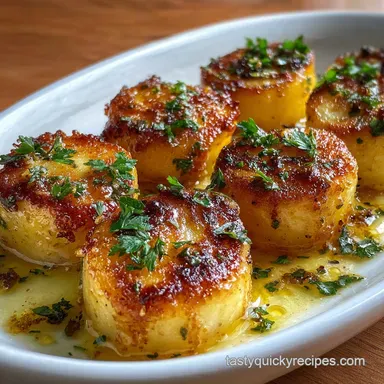
If you’re serving a crowd, a Family Style Platter works wonders. Line the potatoes up down the center of a long plate, drizzle with the pan juices, and scatter chopped parsley over everything. The contrast of the green herbs against the dark golden potatoes is stunning.
It’s all about showing off that crust you worked so hard for! Remember, we eat with our eyes first, and there’s nothing more appetizing than seeing those glistening, buttery tops catching the light at the dinner table.
Beef Steak Side Dish FAQs
What is a good side dish with steak?
Yes, roasted potatoes are excellent. A luxurious, crisp crusted potato dish contrasts beautifully with a tender, savory steak cut.
What goes well with a beef steak?
Vegetables that absorb pan juices work best. Items like creamed spinach or roasted root vegetables complement the richness of the beef perfectly.
What's a classic steakhouse side dish?
Creamed spinach and a large baked potato define classic steakhouse fare. For a more refined, updated classic, try the pan-braised, crispy potato cylinders described in the main guide.
What to serve with steak in fine dining?
Focus on technique and complementary, not heavy, flavors. Consider pommes purée or delicate, butter poached asparagus to maintain elegance alongside the protein.
Can I substitute Yukon Gold potatoes for Russets in this style of side?
No, this is not recommended for this specific texture. Russets provide the high starch content needed for the shattering crust; Yukon Golds are waxier and tend to become creamy instead of crisp.
How to achieve a deep brown crust without burning the butter?
Sear the potatoes in high smoke point oil first. Only add the butter after flipping the potatoes and when you introduce the stock, using the butter for basting, not the initial high heat cook.
If I don't have beef stock, what can I use to braise the potatoes?
Use chicken stock or high-quality vegetable broth as a direct substitute. The technique of using liquid to hydrate the interior starch is more important than the specific base flavor here, though beef is ideal. If you are looking for flavor depth in another context, see how the same slow liquid absorption principle applies when preparing Beef Gravy Recipe in 15 Minutes | Classic Roast Beef Gravy.
Buttery Steakhouse Potato Side
Ingredients:
Instructions:
Nutrition Facts:
| Calories | 328 kcal |
|---|---|
| Protein | 5.1 g |
| Fat | 17.2 g |
| Carbs | 41.6 g |
| Fiber | 3.2 g |
| Sugar | 1.4 g |
| Sodium | 615 mg |
