Boiled Potatoes: Silky and Buttery
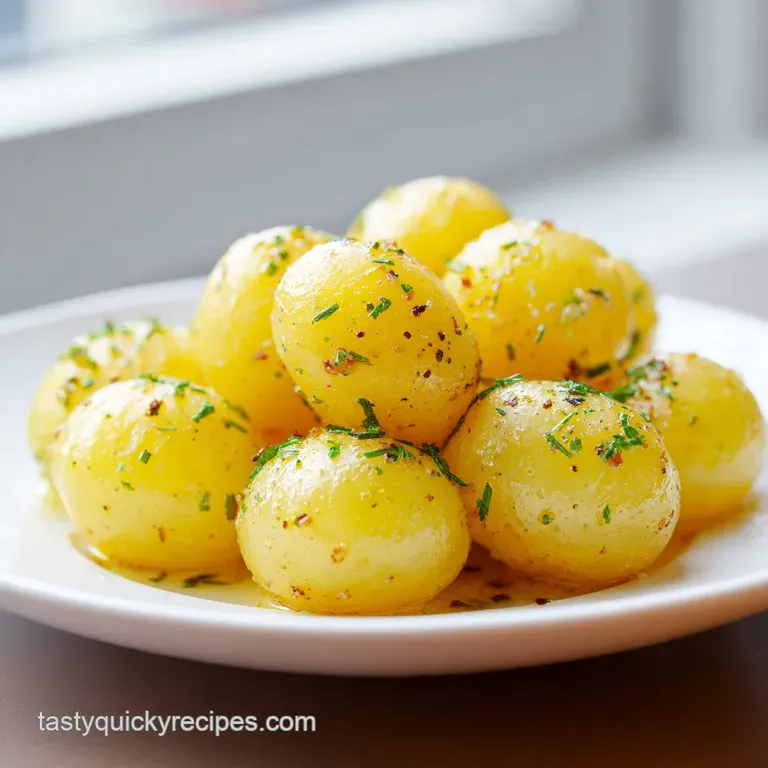
- Time: Active 5 minutes, Passive 15 minutes, Total 20 minutes
- Flavor/Texture Hook: Silky, buttery interior with a snap of fresh herbs
- Perfect for: Juggling a busy weeknight schedule or quick family gatherings
- Why the Simple Boiled Potatoes Recipe Often Fails
- Essential Stats for This Recipe
- Components for Your Perfect Potatoes Recipe
- Simple Tools for This Stovetop Side
- Crucial Steps for the Perfect Results
- Fixing Your Common Potato Problems
- Adapting Your Boiled Potatoes Recipe
- Myths About Boiling Potatoes
- Freshness and Zero Waste Tips
- Pairings for This Flavorful Side
- Recipe FAQs
- 📝 Recipe Card
Why the Simple Boiled Potatoes Recipe Often Fails
You probably think you know how to boil a potato. You drop them in bubbling water, wait until they're soft, and drain them, right? Honestly, that is exactly how you end up with spuds that are mushy on the outside and raw in the middle.
I used to do the same thing, rushing to get dinner on the table while juggling kids and chores, only to serve potatoes that tasted like nothing but wet cardboard. The biggest myth in the kitchen is that boiling water should be your starting point. It's actually the fastest way to ruin the texture of a good spud.
When you drop a cold potato into boiling water, the outside cooks instantly while the center stays ice cold. By the time the middle is tender, the outside has turned to starch paste. We are moving past that today. This boiled potatoes recipe is all about the "cold start" method.
It sounds counterintuitive when you are in a hurry, but starting with cold water ensures the heat travels evenly through the potato. You get a uniform, velvety texture from the skin all the way to the heart of the potato.
We are also ditching the peeler. I realized a long time ago that peeling potatoes is a massive waste of time and nutrition. The skin protects the potato from absorbing too much water, which is how they stay flavorful instead of getting waterlogged.
Plus, those Baby Yukons have such a delicate, thin skin that it adds a lovely pop of texture. Trust me on this, once you stop peeling and start cold starting, you will never go back to the old, soggy way again.
Essential Stats for This Recipe
The secret to why this method works so well lies in how we manage temperature and starch. It is not just about heat, it is about controlled heat. When we start cold, the starch granules inside the potato swell slowly and stay intact. This creates a creamy bite rather than a grainy one.
If you want to understand the logic behind the pot, think of it as a gentle wake up call for the potatoes rather than a shock to the system.
- Even Gradation: Starting cold allows the heat to penetrate the 1.5 inch chunks at the same rate the water warms up.
- Osmosis Control: Adding 2 tablespoons of sea salt to the water seasons the potato from the inside out. Without this, you are just seasoning the surface later.
- Starch Retrogradation: The 60 second steam dry step after draining allows excess moisture to evaporate. This prevents the "gluey" texture that happens when water sits on the surface of the starch.
- Fat Binding: Using room temperature butter on hot, dry potatoes creates an immediate emulsion with the residual potato starch.
| Cooking Method | Total Time | Texture Result | Best For |
|---|---|---|---|
| Stovetop Boil | 20 minutes | Creamy and intact | Quick sides, salads |
| oven-roasted | 45 minutes | Crispy and dry | Crunched textures |
| Slow Cooker | 4 hours | Soft and heavy | Set and forget meals |
It is worth noting that while roasting gives you crunch, the stovetop boil is far superior for a fast, flavorful meal when you are low on time but still want something that feels like home. The stovetop method also uses less energy, making it the budget smart choice for everyday cooking.
| Ingredient | Science Role | Pro Secret |
|---|---|---|
| Sea Salt | Flavor & Structure | Toughens the skin slightly so they don't burst |
| Filtered Water | Pure Hydration | Cold start prevents "blow out" of the potato exterior |
| Unsalted Butter | Fat & Mouthfeel | Add to dry potatoes to create a silky coating |
| Fresh Dill | Aromatic Punch | Add at the very end to keep the oils bright and floral |
By understanding these few components, you can turn a bag of cheap potatoes into something that everyone at the table will ask for seconds of. It is about working smarter, not harder, with the ingredients you already have in the pantry.
Components for Your Perfect Potatoes Recipe
When it comes to the ingredients for this potatoes recipe, quality and type matter more than the price tag. I always go for New Potatoes or Baby Yukon Golds because they are naturally waxy. Waxy potatoes have less starch and more moisture than russets, which means they hold their shape through the boiling process.
If you use a starchy russet, you will likely end up with mashed potatoes before you even get them out of the pot.
- 1.5 lbs new potatoes or Baby Yukon Golds: Why this? Waxy texture keeps chunks whole during the boil. (Substitute: Red potatoes work perfectly too).
- 2 tbsp sea salt for boiling water: Why this? Seasons the core of the spud while it cooks. (Substitute: Kosher salt, but use 3 tablespoons).
- Cold filtered water: Why this? Ensures even cooking from edge to center. (Substitute: Regular tap water is fine if it tastes good).
- 3 tbsp unsalted butter, cubed and room temperature: Why this? Melts instantly into a velvety sauce. (Substitute: Extra virgin olive oil for a dairy-free version).
- 1/2 tsp flaky sea salt for finishing: Why this? Provides a direct hit of saltiness and crunch. (Substitute: Fine table salt, but use less).
- 1/4 cup fresh dill, finely chopped: Why this? Adds a bright, grassy contrast to the rich butter. (Substitute: Flat leaf parsley or chives).
- 1 clove garlic, minced into a paste: Why this? Infuses the butter with a mellow, savory aroma. (Substitute: 1/2 teaspoon garlic powder).
| Original Ingredient | Substitute | Why It Works |
|---|---|---|
| Unsalted Butter | Ghee | Higher smoke point and nuttier flavor profile |
| Fresh Dill | Fresh Parsley | Provides a cleaner, more earthy herbal finish |
| New Potatoes | Fingerling Potatoes | Similar waxy texture. Note: Adjust time for smaller size |
Simple Tools for This Stovetop Side
You don't need a kitchen full of gadgets to make this boiled potatoes recipe. In fact, keeping it simple is the best way to ensure everything stays fast and flavorful. I usually reach for my standard 4 quart stainless steel pot. It's the workhorse of my kitchen, and it heats up quickly without the weight of cast iron.
You just want something large enough that the potatoes aren't crowded, which allows the water to circulate freely around each chunk.
A good colander is the next must have. You want something with plenty of holes so the water drains away instantly. If the water lingers, the potatoes start to steam in their own juices, which leads to that overcooked, mushy texture we are trying to avoid. Finally, a sharp chef's knife is essential.
Even though these are small potatoes, cutting them into uniform 1.5 inch chunks is the secret to making sure every single piece is done at the exact same 15 minutes mark. If your chunks vary in size, you will have some that are falling apart and others that are still crunchy in the middle.
Crucial Steps for the Perfect Results
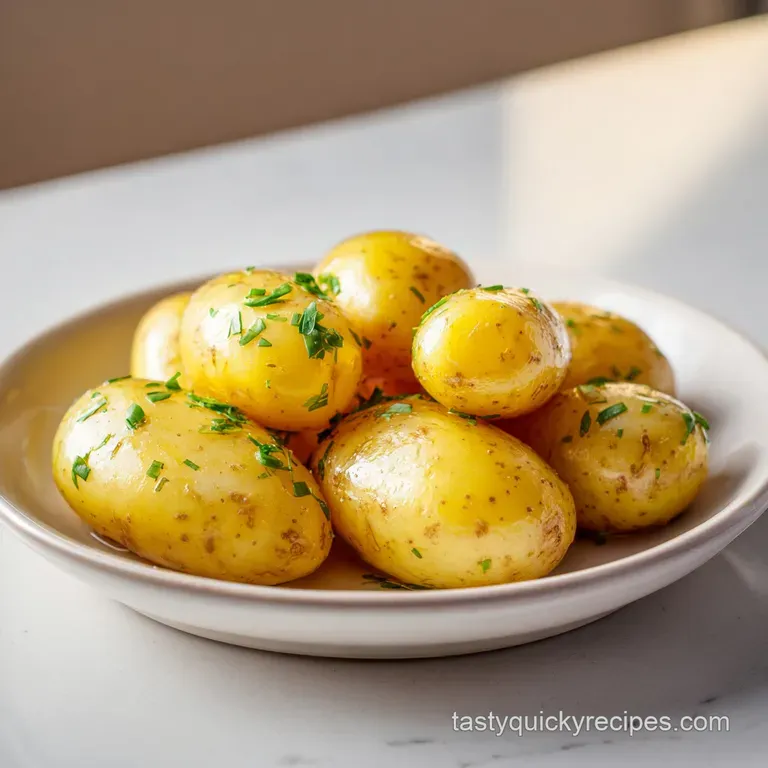
- Scrub the 1.5 lbs of potatoes clean with a vegetable brush, leaving the skins on to preserve flavor.
- Cut the potatoes into uniform 1.5 inch chunks so they all cook at the exact same rate.
- Place the chunks into a large pot and cover them with cold filtered water by at least 2 inches. Note: This cold start is the key to even texture.
- Stir in 2 tablespoons of sea salt. The water should taste like the ocean; this is your only chance to season the inside of the potato.
- Bring the pot to a rolling boil over high heat, then immediately turn it down to a medium simmer.
- Simmer for 12 to 15 minutes until a fork slides in and out with zero resistance.
- Drain the potatoes immediately in a colander, shaking off as much water as possible.
- Return the drained potatoes to the hot, empty pot for 60 seconds. Watch for the surface to turn matte and powdery as the steam escapes.
- Add the 3 tablespoons of cubed butter, 1/2 teaspoon flaky salt, 1/4 cup dill, and the garlic paste.
- Toss gently with a wooden spoon until the butter has vanished and created a glossy coating.
Fixing Your Common Potato Problems
Even the simplest dishes can go sideways if you aren't paying attention. The most common heartbreak with a boiled potatoes recipe is the "gummy" factor. This happens when you overwork the potatoes after they are cooked.
Potatoes are full of starch, and when you stir them too aggressively, those starch molecules break and turn into a sticky, glue like substance. Be gentle! Think of it as folding the butter in rather than mashing it.
If you find that your potatoes are falling apart, you might be boiling the water too hard. A violent boil knocks the potatoes against each other and the sides of the pot, bruising the exterior. Keep it at a steady, gentle simmer. If you ever have issues with the texture being too dry, you might have skipped the butter addition while the potatoes were still hot. The heat of the spud is what allows the fat to penetrate the surface. If you're looking for a different way to use your spuds, you can always pivot and try a Creamy Mashed Potatoes Recipe if you accidentally overcook them!
Why Are My Potatoes Falling Apart?
This usually happens because the water was at a "rolling boil" for the entire time. The mechanical action of the bubbling water physically tears the tender outside of the potato away before the inside is done.
| Problem | Root Cause | Solution |
|---|---|---|
| Bursted Skins | Boiling too vigorously | Reduce heat to a simmer once boiling starts |
| Gummy Texture | Over stirring or wrong potato | Use waxy potatoes and toss gently by hand |
| No Flavor | Not enough salt in water | Ensure water is highly salted (2 tbsp per 1.5 lbs) |
Common Mistakes Checklist
- ✓ Never start with hot water; always begin with cold filtered water to ensure even heat.
- ✓ Don't skip the 60 second "steam dry" step; moisture is the enemy of a buttery coating.
- ✓ Avoid using Russet potatoes for boiling; their high starch content leads to a grainy mess.
- ✓ Add your fresh herbs only at the very end to prevent them from wilting and losing color.
- ✓ Use a pot that is large enough; overcrowding leads to unevenly cooked chunks.
Adapting Your Boiled Potatoes Recipe
If you are cooking for a big family gathering, scaling this recipe is quite simple, but you have to be careful with the seasonings. When doubling the recipe to 3 lbs of potatoes, you don't necessarily need to double the salt in the water perfectly, but you do need to ensure the water level stays 2 inches above the spuds.
For the butter and herbs, I usually go with a 1.5x increase rather than a full 2x, as the flavor carries much further in larger batches.
When scaling down for a solo dinner, just use a smaller saucepan. The cooking time remains the same 12 to 15 minutes because the thickness of the 1.5 inch chunks hasn't changed. Just remember that smaller pots boil over faster, so keep a close eye on that heat!
If you're in the mood for a different flavor profile entirely, you can swap the dill for rosemary and thyme, or even add a splash of lemon juice for a Mediterranean vibe.
| Goal | Adjustment | Outcome |
|---|---|---|
| Vegan Option | Use high-quality olive oil | Fruitier, lighter finish without the dairy |
| Extra Savory | Add a splash of chicken stock | Deeper, meatier undertones in the potato core |
| Mediterranean | Lemon zest and oregano | Bright, acidic profile that cuts through fat |
Myths About Boiling Potatoes
One of the biggest myths is that adding salt to the water makes it boil faster. In reality, the amount of salt we use actually raises the boiling point slightly, though not enough to notice. The real reason we salt the water is purely for flavor.
Without it, the potato remains bland no matter how much salt you sprinkle on top later. Another myth is that you should leave the potatoes in the water until you're ready to eat. Absolutely not! They will continue to cook and eventually turn into a soggy pile of mush. Drain them as soon as they are fork tender.
Finally, many people believe that "a potato is a potato." This is why so many people fail at making a great boiled potatoes recipe. Using a Russet (baking potato) for boiling is like using a sports car to haul lumber. It is the wrong tool for the job.
Russets are designed to be fluffy and dry, which means they disintegrate in water. Waxy potatoes are designed to stay firm, which is why they are the undisputed kings of the boiling pot.
Freshness and Zero Waste Tips
You can store leftover boiled potatoes in an airtight container in the fridge for up to 4 days. I actually love having them on hand for breakfast. Just smash them flat and fry them in a little bit of oil for the best home fries you have ever had. The starch has had time to settle, so they get incredibly crispy.
For zero waste, don't toss out the potato skins if you do decide to peel them for some reason. You can toss the skins with a little oil and salt and bake them at 400°F (200°C) for 10 minutes to make "potato skin chips." Also, if you have leftover fresh dill, chop it up and freeze it in an ice cube tray with a little bit of water or olive oil.
It stays fresh for months and is ready to drop into your next pot of potatoes.
Pairings for This Flavorful Side
This dish is the ultimate chameleon. It sits perfectly next to a piece of grilled salmon, but it also has enough heartiness to stand up to a heavy meat dish. If you are looking for a complete meal, I highly recommend serving these alongside a Roast Recipe with Potatoes. The buttery dill flavor of the boiled potatoes cuts through the rich, savory gravy of a roast beautifully.
They are also brilliant for a summer BBQ. Since they hold their shape so well, you can toss them in a light vinaigrette while they are still warm and serve them as a room temperature potato salad. Because we used the steam dry method, they will soak up whatever dressing or sauce you put on them without becoming soggy.
It is a versatile, budget friendly way to fill up the table without spending hours in the kitchen. Just remember to keep the herbs fresh and the butter generous, and you will have a winner every single time.
Recipe FAQs
How to make the best boiled potatoes?
Begin with cold filtered water to ensure even cooking from the inside out. Use a large enough pot to prevent overcrowding, and always perform the 60-second steam dry step after draining to allow the butter and herbs to cling to the potato surface effectively.
Are boiled potatoes good for diabetics?
No, they are generally not recommended as a primary vegetable choice due to their high starch content. They have a significant impact on blood glucose levels, so consult your healthcare provider or dietitian for personal portion guidance.
How do you jazz up boiled potatoes?
Toss the hot potatoes with a mixture of cubed room temperature butter, fresh dill, and garlic paste. The residual heat melts the butter into an emulsion that coats the starch perfectly; if you enjoy this method of flavor building, see how we apply similar techniques in our garlic parmesan sauce.
How long should you boil potatoes?
Simmer for 12 15 minutes after the water reaches a boil. Always test for doneness by piercing a chunk with a fork; it should slide in and out with no resistance.
Is it true I should use boiling water to start the potatoes?
No, this is a common misconception. Starting with cold filtered water is essential because it allows the exterior and interior of the potato to reach the target temperature simultaneously, preventing the outside from becoming mushy before the center is cooked.
Why are my boiled potatoes grainy?
You likely used a high starch variety like a Russet. These potatoes are designed to fall apart, whereas using new potatoes or Baby Yukon Golds provides a waxy, creamy texture that stays intact during the boiling process.
Can I keep the skins on while boiling?
Yes, keeping the skins on is recommended. Scrubbing them clean and boiling them whole or in large chunks helps the potatoes retain their shape and preserves their nutritional content during the cooking time.
Buttery Boiled Potatoes Recipe
Ingredients:
Instructions:
Nutrition Facts:
| Calories | 223 calories |
|---|---|
| Protein | 3.5 g |
| Fat | 8.7 g |
| Carbs | 34.2 g |
| Fiber | 3.1 g |
| Sugar | 1.4 g |
| Sodium | 580 mg |
