Beef Tenderloin Recipe with Garlic and Herbs

- Time: Active 20 minutes, Passive 1 hour 30 mins, Total 1 hour 50 mins
- Flavor/Texture Hook: Velvety, melt in-your mouth beef with a shatter crisp garlic herb crust.
- Perfect for: Holiday gatherings, celebratory Sunday dinners, or impressing the in laws.
- Mastering the Ultimate Beef Tenderloin Recipe with Garlic and Herbs
- Key Metrics for a Flavorful and Fast Roast
- Essential Components for the Garlic Herb Compound Rub
- Simple Kitchen Tools for Reliable Results
- Step-By-Step Guide From Prep to Plate
- Proactive Fixes for Avoiding Kitchen Disasters
- Flavor Profiles to Make It Your Own
- Smart Storage Tips to Keep Leftovers Fresh
- Side Dishes That Create Perfect Complements
- The Final Word on Myths
- Recipe FAQs
- 📝 Recipe Card
Nothing beats the heady aroma of roasting garlic and fresh rosemary hitting you the moment you walk through the front door. We've all been there, juggling a million things in the kitchen while trying to get a fancy dinner on the table without losing our minds.
This beef tenderloin recipe with garlic and herbs will become your new go to for elegant dinners because it looks like a million bucks but actually relies on dead simple techniques.
I remember the first time I tackled a whole tenderloin; I was so nervous about overcooking such an expensive piece of meat that I practically hovered over the oven door. It's a daunting task when you're used to quick weeknight stir frys, but honestly, this cut is incredibly forgiving if you treat it with a little respect.
We're going for that edge to edge pink that makes everyone at the table gasp just a little bit when you slice into it.
We're going to skip the complicated marinating and focus on what really matters: salt, heat, and timing. It's about working smarter, not harder, so you can actually enjoy a glass of wine with your guests instead of being chained to the stove.
Trust me on this, once you master the sear and roast method, you'll never look back.
Mastering the Ultimate Beef Tenderloin Recipe with Garlic and Herbs
The beauty of this dish lies in the contrast between the tender, almost buttery interior of the beef and the savory, punchy exterior. When we talk about a beef tenderloin recipe with garlic and herbs, we aren't just tossing things in a pan and hoping for the best.
We're strategically using fat and acid to carry flavor deep into the meat while keeping it succulent.
The Science of Why it Works: The Maillard reaction creates complex flavor compounds on the surface through over high heat searing, while the gentle finish ensures even protein denaturation without squeezing out the juices.
By using a low temperature roast after the sear, we prevent the "gray ring" of overcooked meat often found in over high heat methods.
Before we get into the nitty gritty of the cooking process, it's worth mentioning that if you're looking for a different vibe, like a slow cooked feast for a rainy day, my French Roast Recipe is another absolute winner for family gatherings. But for today, we're sticking with the lean, mean, tenderloin machine.
For Maximum Juice Retention
The most common mistake people make is cutting the meat too soon. When the beef cooks, the muscle fibers contract and push moisture toward the center. If you slice it the second it comes out of the oven, all that flavor packed juice ends up on your cutting board instead of in the meat.
Giving it a solid 15 to 20 minutes of rest allows those fibers to relax and reabsorb the liquid, resulting in a velvety texture that practically dissolves.
For a Shattering Mahogany Crust
To get that deep, dark crust we all crave, the surface of the meat must be bone dry before it hits the pan. Moisture is the enemy of the sear; if the meat is damp, it will steam instead of brown. I like to pat the tenderloin down with paper towels until they come away completely dry.
For an even better result, salt it and leave it uncovered in the fridge for a few hours.
Key Metrics for a Flavorful and Fast Roast
When you're juggling a side dish and a salad, having clear checkpoints keeps the stress levels low. This isn't a "vibe based" recipe; we're looking for specific numbers to guarantee success.
Since we’re dealing with a 4.5 lb whole beef tenderloin, the thickness of the meat determines the cook time more than the total weight does.
| Component | Science Role | Pro Secret |
|---|---|---|
| Kosher Salt (2 tbsp) | Denatures proteins to hold moisture. | Apply 24 hours early for a "dry brine" effect. |
| Unsalted Butter (0.5 cup) | Conducts heat and carries fat soluble aromatics. | Use high-quality grass fed butter for richer flavor. |
| Dijon Mustard (1 tbsp) | Acts as an emulsifier and provides acidity. | Smear it on cold meat to help the herbs stick. |
| Fresh Rosemary (2 tbsp) | Provides piney, woody aromatic compounds. | Mince it ultra fine so it doesn't feel "pointy" in the crust. |
It's vital to remember that these ingredients work as a team. The Dijon isn't just for flavor; it’s the "glue" that keeps our 6 cloves of minced garlic and 2 tbsp of fresh thyme attached to the meat during the over high heat finish.
Without that acidic binder, your herb crust might just slide right off into the bottom of the pan, which is a tragedy we want to avoid.
If you find yourself wanting to experiment with different heat sources, like taking this whole operation outdoors, you should check out the techniques in these Beef Tenderloin Recipes Grilled for a smokier profile. The prep is similar, but the fire adds a whole new dimension.
Essential Components for the Garlic Herb Compound Rub
Let's talk about the rub. We're using 0.5 cup of softened unsalted butter as our base. Don't even think about using margarine or a low-fat spread here; we need the milk solids to brown and the fats to insulate the meat.
When mixed with 1 tbsp of cracked black pepper and our herb blend, it becomes a thick paste that protects the beef from the oven's dry heat.
- 4.5 lb whole beef tenderloin, trimmed: Why this? The leanest, most tender cut of beef available for roasting.
- Substitute: Eye of round (Note: Much leaner and tougher; requires thinner slicing).
- 2 tbsp kosher salt: Why this? Large grains allow for even coverage without over salting.
- Substitute: 1 tbsp table salt (Note: Table salt is much denser; use half).
- 1 tbsp cracked black pepper: Why this? Provides a sharp, biting contrast to the rich fat.
- Substitute: White pepper (Note: Adds floral heat but lacks the visual punch).
- 6 cloves garlic, minced: Why this? Creates the foundation of the savory crust.
- Substitute: 2 tsp garlic powder (Note: Lacks the fresh, pungent bite).
- 0.5 cup unsalted butter: Why this? Softened butter allows for easy spreading and browning.
- Substitute: Ghee or clarified butter (Note: Higher smoke point but less "crust" development).
- 2 tbsp fresh rosemary: Why this? Intense aromatics that stand up to high roasting temps.
- Substitute: 2 tsp dried rosemary (Note: Must be crushed to release oils).
- 2 tbsp fresh thyme: Why this? Earthy, lemony notes that brighten the heavy beef flavor.
- Substitute: Fresh oregano (Note: Adds a more Mediterranean, savory profile).
- 1 tbsp Dijon mustard: Why this? Tangy acidity that cuts through the rich butter and beef.
- Substitute: Whole grain mustard (Note: Adds texture but might burn easier).
I've learned the hard way that using "dried" herbs in a quick roast like this often leads to a gritty texture. If you can, always spring for the fresh stuff. It makes the house smell incredible, and the oils in fresh herbs are much more vibrant.
Simple Kitchen Tools for Reliable Results
You don't need a kitchen full of gadgets to pull this off. In fact, a minimalist approach usually yields better results because you're more focused on the meat itself. I use a heavy duty roasting pan with a rack, which allows hot air to circulate under the beef, preventing a soggy bottom.
- Kitchen Twine: Essential for tying the 4.5 lb tenderloin so it cooks at the same rate.
- Meat Thermometer: Non negotiable. It's the only way to guarantee doneness.
- Large Skillet: Preferably cast iron or stainless steel for the initial sear.
- Chef's Knife: A sharp blade for mincing those 6 cloves of garlic into a fine paste.
Many people wonder whether they should stick to the stovetop or go full oven. I've found that a hybrid approach is best for a cut this large. It gives you the best of both worlds: the flavor of a pan sear and the precision of an oven roast.
| Method | Best For | Trade off |
|---|---|---|
| Stovetop Only | Steaks or small medallions | Hard to cook the center of a 4.5 lb roast evenly. |
| Oven Only | Hands off convenience | Lacks the deep mahogany crust of a pan sear. |
| Sear then Roast | The "Gold Standard" | Requires using two different pans or a flame safe roaster. |
Using a cast iron skillet that can go from the burner straight into the oven is a lifesaver. It reduces cleanup and keeps all those delicious "fond" bits (the browned bits at the bottom) right where they belong under your roast.
step-by-step Guide From Prep to Plate
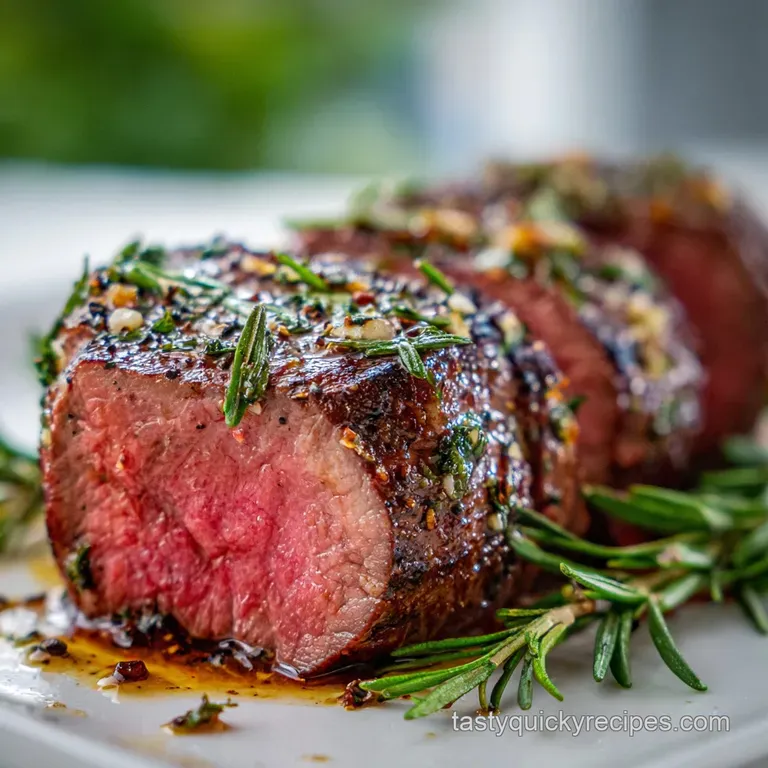
Let's get cooking. This process is all about timing and temperature. We start with the meat at room temperature to ensure it cooks evenly from edge to center. If it's cold from the fridge, the outside will overcook before the middle even warms up.
- Temper the meat. Take the 4.5 lb tenderloin out of the fridge 1 hour before cooking. Note: This prevents the muscle fibers from "shocking" and toughening up.
- Tie the roast. Fold the thin "tail" end under itself and tie the whole roast with kitchen twine at 1.5 inch intervals. Note: This creates a uniform cylinder for even cooking.
- Season aggressively. Rub the 2 tbsp kosher salt and 1 tbsp pepper all over the beef. Cook until the salt starts to draw out a tiny bit of moisture.
- Make the paste. Mix the 0.5 cup softened butter, 6 minced garlic cloves, rosemary, thyme, and 1 tbsp Dijon in a small bowl.
- Sear the exterior. Heat a skillet over high heat with a splash of oil. Sizzle the meat for 2-3 minutes per side until deeply browned.
- Apply the flavor. Let the meat cool for 5 minutes, then smear the garlic herb butter all over the top and sides.
- Roast gently. Place the beef on a rack in a roasting pan at 300°F. Bake until the internal temperature hits 120°F for medium rare.
- Rest the roast. Remove from the oven and tent loosely with foil. Wait 20 minutes until the juices have redistributed.
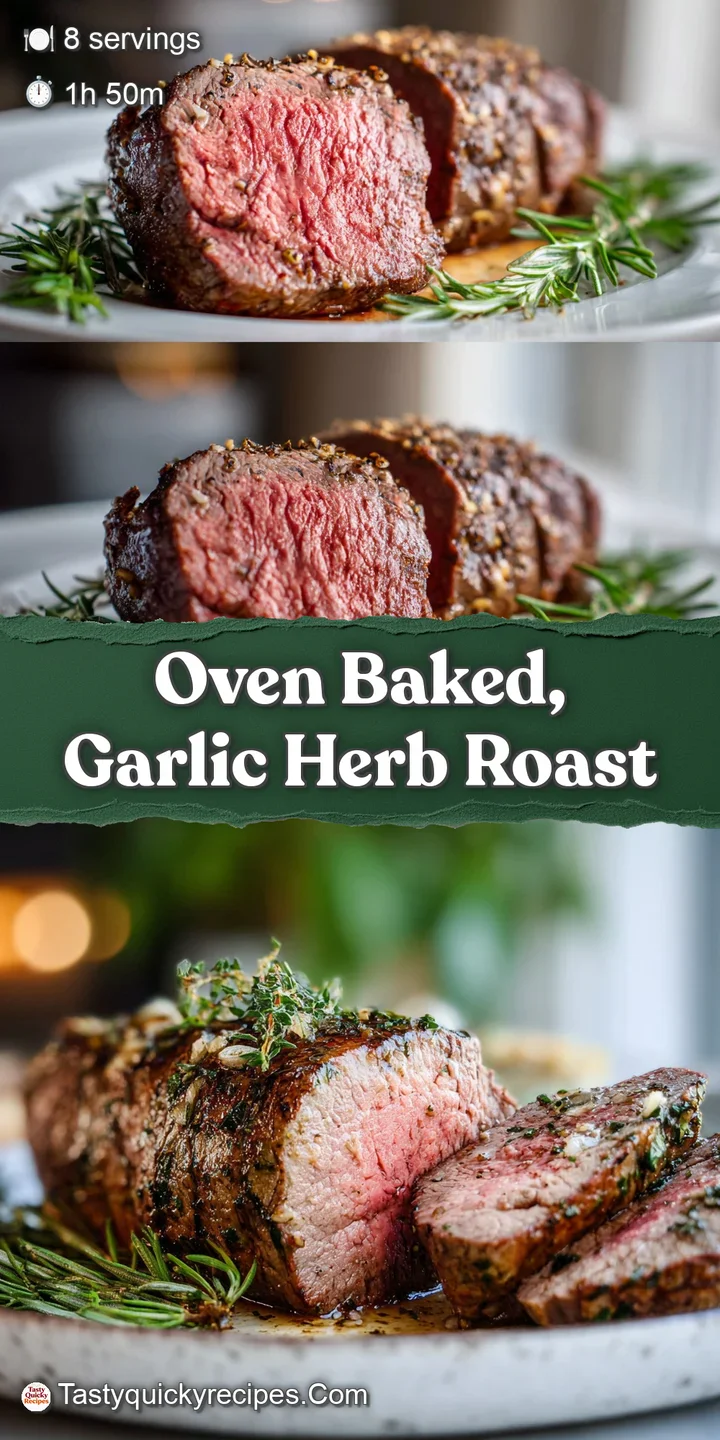
- Slice and serve. Cut into 1 inch thick slices against the grain. Watch for the velvety, pink center.
Chef's Tip: Freeze your butter for 10 minutes before mixing the rub. This keeps the butter from melting instantly when it hits the warm, seared meat, allowing it to form a thicker, more stable crust in the oven.
Proactive Fixes for Avoiding Kitchen Disasters
Even the best of us hit a snag sometimes. The key is knowing how to pivot before the dinner bell rings. If you notice your garlic is starting to smell bitter or looks dark brown while searing, turn the heat down immediately. Burnt garlic is a flavor you can't come back from.
Why Your Crust Is Soggy
If your herb crust looks more like a wet paste than a crisp shell, it’s usually because of too much moisture. This can happen if the meat wasn't dried properly or if you covered the pan with a lid. The steam gets trapped and softens the butter herb mixture.
To fix this, you can turn on the broiler for the last 2 minutes of cooking just stay right there and watch it like a hawk.
Why Your Beef Is Uneven
Sometimes you slice into the tenderloin and see a beautiful pink center but a huge gray ring around the edges. This "bullseye" effect happens when the oven temperature is too high. The outside cooks much faster than the heat can travel to the center.
Next time, try the "reverse sear" or lower your oven to 250°F or 275°F for a more gradual, even rise in temperature.
| Problem | Root Cause | Solution |
|---|---|---|
| Gray, dry edges | Oven temp was too high. | Lower heat to 275°F and use a meat thermometer. |
| Herbs are burning | Butter reached its smoke point too fast. | Move the roast to a lower rack in the oven. |
| Meat is "leaking" | Sliced too early without resting. | Tent with foil and wait at least 15 minutes. |
Don't panic if the internal temperature keeps rising after you take it out of the oven. This is called "carryover cooking." A 4.5 lb roast can rise as much as 5 to 10 degrees while resting.
If you want a perfect 130°F (medium rare), pull it at 120°F or 125°F.
Flavor Profiles to Make It Your Own
Once you've mastered the basic beef tenderloin recipe with garlic and herbs, you can start playing with the aromatics. I love adding a teaspoon of anchovy paste to the butter rub; it doesn't taste fishy at all, but it adds an incredible savory depth that makes people ask, "What is that secret ingredient?"
- For a Spicy Kick: Add 1 tsp of red pepper flakes or a dash of horseradish to the butter mixture.
- For a Smoked Profile: Use smoked sea salt instead of kosher salt, or add a drop of liquid smoke to the Dijon mustard.
- For the Slow Cooker Beef Tenderloin Garlic Herbs: If you're using a slow cooker, sear the meat first, then cook on "Low" for 2 to 3 hours until it reaches 125°F. (Note: The texture will be softer and less "steaky").
If you want to go the route of the Grilled Beef Tenderloin Garlic Herbs, make sure you set up a two zone fire. Sear the meat over the coals for that charred flavor, then move it to the cool side of the grill and close the lid to finish it like an oven.
It’s the ultimate way to level up a summer dinner party.
Smart Storage Tips to Keep Leftovers Fresh
Storing tenderloin is all about preventing it from drying out. If you have leftovers, keep them in as large a piece as possible rather than slicing everything at once. This protects the interior from the air.
- Fridge: Keep in an airtight container for up to 4 days.
- Freezer: Wrap tightly in plastic wrap, then foil, for up to 2 months. Note: The texture will change slightly, becoming a bit softer upon thawing.
- Zero Waste Tip: Don't throw away the fat caps or trimmings from when you prepped the meat! Render them down in a pan to make "beef tallow" for the best roasted potatoes of your life.
- Reheating: Avoid the microwave! It will turn your beautiful medium rare beef into gray rubber. Instead, warm slices in a pan with a splash of beef broth over low heat just until heated through.
Leftover tenderloin makes for the most incredible steak sandwiches the next day. A little bit of leftover garlic herb butter melted over a warm baguette with thin slices of cold beef? That might actually be better than the original dinner.
Side Dishes That Create Perfect Complements
A heavy, rich meat like this needs something to cut through the fat. I usually go for something acidic or very green. A crisp arugula salad with a lemon vinaigrette is my go to "fast" side dish when I'm juggling the roast.
If you're looking for something heartier, you can't go wrong with a starch that can soak up those garlic herb juices. Mashed potatoes are a classic for a reason, but roasted root vegetables also work beautifully.
Since the oven is already on, I often toss some carrots and parsnips with olive oil and salt and slide them in on the bottom rack during the last 30 minutes of the beef's cooking time.
For a true showstopper, try serving this alongside a cheesy, comforting dish. Something like a Stuffed Spaghetti Squash Recipes provides a great textural contrast and keeps the meal feeling special without being too heavy.
The Final Word on Myths
One of the biggest myths in the kitchen is that searing meat "seals in the juices." Science tells us this isn't true moisture is lost at the same rate whether you sear it or not. We sear for the flavor and the texture of the crust, not to create a waterproof barrier.
Another one I hear all the time is that you shouldn't salt meat until right before it hits the pan because salt "draws out moisture." While salt does draw out moisture initially, if you wait 20 to 30 minutes, the meat reabsorbs that salty brine, which actually seasons the interior and makes the proteins more tender.
So, salt early and salt often!
This recipe is really about building confidence with a premium cut. It's fast enough for a busy host but flavorful enough to make the table go quiet once the first bite is taken. Just remember: dry the meat, watch the temp, and let it rest. You've got this!
Recipe FAQs
Can I use a different cut of beef instead of tenderloin?
Yes, but with adjustments. While tenderloin is ideal for its tenderness, cuts like top sirloin or even a well marbled ribeye can be used. However, these may require shorter searing and roasting times to avoid becoming tough, similar to how we manage heat for smaller cuts in recipes like our Garlic Butter Steak.
How do I ensure the garlic and herb crust stays on the beef?
Apply the paste to slightly cooled, dry meat. After searing, let the beef rest for about 5 minutes. Smear the butter mixture firmly onto the surface, pressing it gently. The residual warmth helps it adhere, and the butter base acts as a binder.
Why is resting the beef tenderloin so important?
Yes, it's crucial for juiciness. During cooking, muscle fibers contract and push moisture to the center. Resting allows these fibers to relax and reabsorb those juices, ensuring a tender and moist result, preventing flavor loss onto the cutting board.
What is the best way to prevent the beef from cooking unevenly?
Temper the meat and tie it evenly. Bring the tenderloin to room temperature for at least an hour before cooking. Tying it with kitchen twine at 1.5 inch intervals creates a uniform cylinder, promoting consistent heat penetration and cooking from edge to center.
Can I make the garlic herb butter ahead of time?
Yes, easily. You can prepare the garlic herb compound butter up to 3 days in advance. Store it in an airtight container in the refrigerator. Let it soften at room temperature for about 30 minutes before you plan to use it.
What temperature should I aim for medium rare, and how do I check it?
Aim for 120°F, then rest. Use an instant read meat thermometer inserted into the thickest part of the roast. The internal temperature will rise to about 130-135°F during the resting period, achieving a perfect medium rare.
Is it true that searing meat "seals in the juices"?
No, this is a common misconception. Searing is primarily for flavor and texture due to the Maillard reaction, creating a delicious crust. It doesn't significantly prevent moisture loss during cooking; the resting period after cooking is what truly redistributes juices.
Beef Tenderloin Garlic Herb

Ingredients:
Instructions:
Nutrition Facts:
| Calories | 536 kcal |
|---|---|
| Protein | 56 g |
| Fat | 32 g |
| Carbs | 1 g |
| Fiber | 0 g |
| Sugar | 0 g |
| Sodium | 1462 mg |
