Beef Lo Mein: Quick & Flavorful
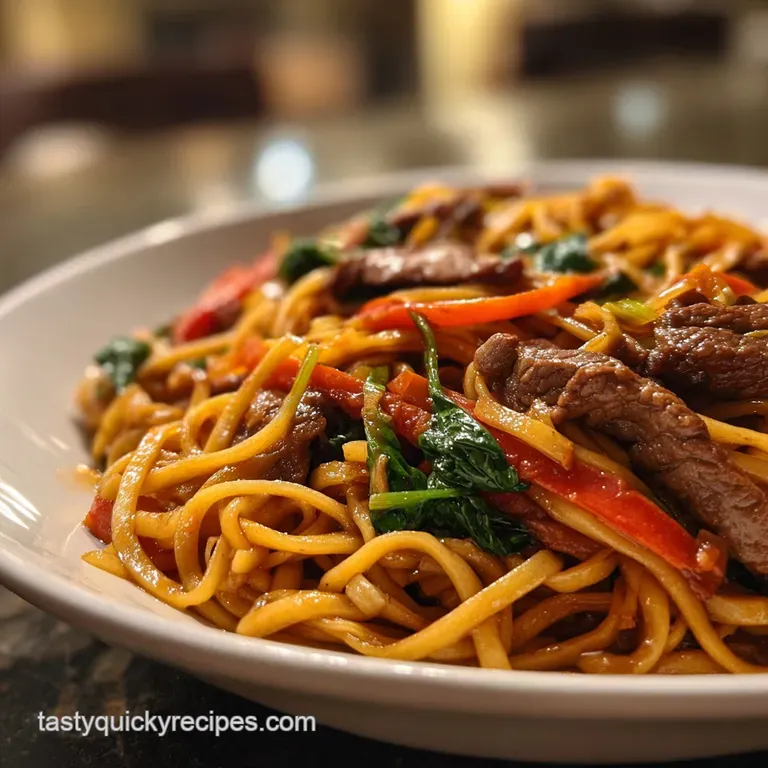
- Time: Active 15 minutes, Passive 10 minutes, Total 25 minutes
- Flavor/Texture Hook: Savory, velvety beef with glossy, chewy noodles
- Perfect for: Busy weeknight dinners or a better than-takeout weekend treat
- Create the Ultimate Beef Lo Mein
- The Science of the Velvety Texture
- Analyzing the Stir Fry Components
- Essential Elements for Authentic Results
- Tools for High Heat Success
- A Step-by-Step Wok Guide
- Avoiding Common Stir Fry Mistakes
- Customizing Your Noodle Bowl
- Myths About Wok Cooking
- Storage and Zero Waste Tips
- Perfect Pairings for Your Feast
- Very High in Sodium
- Beef Lo Mein FAQs
- 📝 Recipe Card
Create the Ultimate Beef Lo Mein
The sound of thin strips of steak hitting a scorching hot pan is a total sensory trigger for me. That immediate sizzle followed by the sweet, nutty aroma of toasted sesame oil and garlic filling the kitchen it’s pure magic.
I used to struggle with home stir fries feeling "steamed" rather than fried, but after years of juggling family meals and making every mistake in the book, I’ve finally nailed the flow.
You’re looking for that specific glossy finish and the kind of beef that practically melts in your mouth. This isn't just about throwing ingredients in a pan; it's about the sequence and the heat.
We've all been there with soggy noodles or rubbery meat, but I'm going to show you exactly how to avoid those pitfalls for a result that’s fast and incredibly flavorful.
Trust me, once you see how 10 minutes of active cooking transforms these simple ingredients, you’ll never look at a takeout menu the same way again. We’re going to focus on getting that restaurant quality "velveting" effect on the beef and making sure those noodles keep their perfect chew.
Let's crack on and get this to the table.
The Science of the Velvety Texture
- Alkaline Tenderizing: Baking soda raises the pH on the meat's surface, hindering proteins from bonding tightly so the beef stays tender even at high heat.
- Starch Barrier: Cornstarch creates a thin, protective coating that locks in moisture and helps the sauce cling to every slice of steak.
- The Maillard Reaction: High heat triggers a chemical reaction between amino acids and sugars, creating that savory, browned crust we crave.
- Emulsification: The oyster sauce and sesame oil work together with the noodle starch to create a silky, unified glaze rather than an oily mess.
| Method | Time | Texture | Best For |
|---|---|---|---|
| Traditional Wok | 10 minutes | Deeply seared, smoky | Maximum authentic flavor |
| Large Skillet | 12 minutes | Evenly browned | Home cooks without a wok |
| Cast Iron | 15 minutes | Extra crispy edges | Achieving "wok hei" at home |
Finding the right balance of heat and timing is easier when you know your equipment. If you enjoy this style of cooking, you might also love the deep, savory notes in this Ground Beef recipe that brings steakhouse quality to a simple skillet meal.
Analyzing the Stir Fry Components
| Ingredient | Science Role | Pro Secret |
|---|---|---|
| Flank Steak | Lean protein base | Slice against the grain for maximum tenderness. |
| Baking Soda | pH Alteration | Rinse it off after 15 minutes if you have a sensitive palate. |
| Fresh Noodles | Starch structure | Use fresh over dried for that authentic "chew." |
| Oyster Sauce | Umami & Body | Provides the thick, glossy texture and deep savory base. |
Essential Elements for Authentic Results
To get started, you'll need to gather your 1 lb flank steak, which we will slice thinly. The marinade is a simple but powerful mix of 1 tsp baking soda, 1 tbsp soy sauce, and 1 tsp cornstarch. This trio is what gives the beef that specific restaurant texture.
For the signature gloss, the sauce uses 2 tbsp dark soy sauce, 2 tbsp oyster sauce, 1 tsp toasted sesame oil, 1 tsp sugar, and a pinch of 1/4 tsp white pepper.
For the bulk of the dish, grab 10 oz of fresh lo mein noodles. The crunch comes from 2 cups shredded cabbage and 1 large julienned carrot. Don't forget the aromatics: 3 green onions and 3 cloves of minced garlic. You'll need 2 tbsp of neutral oil (like canola or peanut) to handle the high heat without smoking.
- Flank Steak: Substitute with Sirloin or Skirt Steak. Why this? Flank has a great grain for absorbing marinades and slicing thinly.
- Fresh Lo Mein Noodles: Substitute with thick Spaghetti or Linguine. Why this? Fresh noodles have more moisture and a better "snap" than dried.
- Dark Soy Sauce: Substitute with regular Soy Sauce + a tiny bit of molasses. Why this? It provides that deep, rich mahogany color to the dish.
- Oyster Sauce: Substitute with Vegetarian Mushroom Sauce. Why this? It adds thick consistency and concentrated umami flavor.
Tools for High Heat Success
A seasoned carbon steel wok is the gold standard here because it responds instantly to temperature changes. If you don't have one, a large, heavy bottomed stainless steel or cast iron skillet will work perfectly fine. You just want enough surface area so the ingredients aren't crowded.
You’ll also need a sharp chef’s knife for those thin steak slices and a pair of long kitchen tongs or a sturdy spatula for tossing the noodles. A small bowl for whisking the sauce and a colander for rinsing the noodles are the only other essentials.
A step-by-step Wok Guide
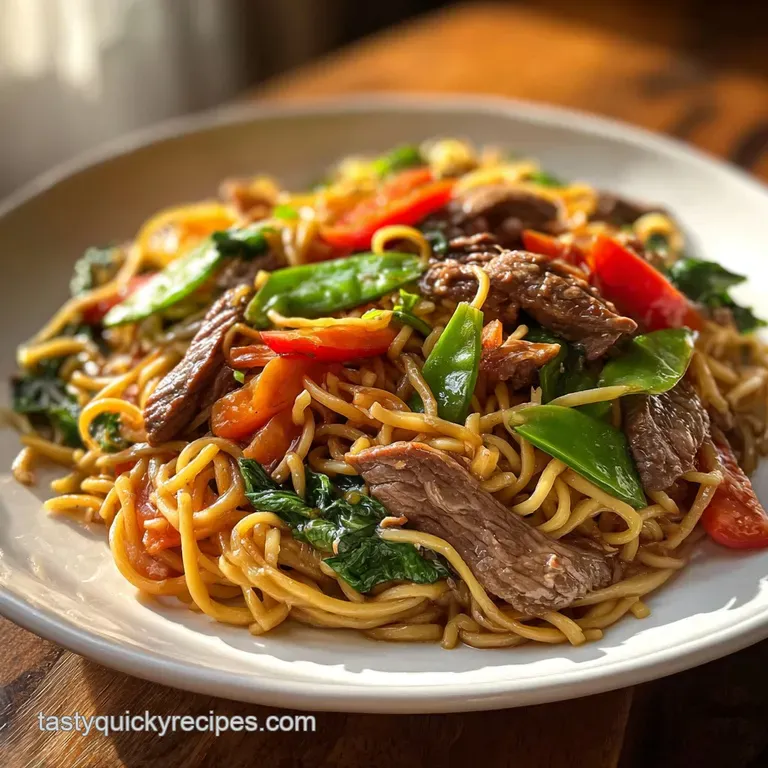
Softening Proteins with Velveting
Toss the sliced steak with baking soda, 1 tbsp soy sauce, and cornstarch. Note: This process, called velveting, is the secret to that impossibly tender texture. Let it sit for 15 minutes while you prep the rest.
Preparing the Aromatics and Sauce
Whisk the dark soy sauce, oyster sauce, sesame oil, sugar, and white pepper in a small bowl. Mince your garlic and chop the cabbage, carrots, and onions so everything is ready to go. Stir frying happens fast, so you won't have time to chop mid way!
Searing for Maximum Flavor
Heat 1 tbsp of oil in your wok over high heat until shimmering and slightly smoking. Add the beef in a single layer and sear for 2 minutes until browned and crispy on the edges. Remove the beef and set it aside.
The Stir Fry Base
Add the remaining oil to the pan. Toss in the garlic and the white parts of the green onions for 30 seconds until fragrant and golden.
Integrating the Crunch
Add the cabbage and carrots. Stir fry for 2 minutes until slightly softened but still vibrant. If the pan looks dry, add a teaspoon of water to create a bit of steam.
Integrating the Noodles and Glaze
Add the noodles and the beef back into the wok. Pour the sauce over everything. Note: Using fresh noodles means they only need a quick heat through, not a long boil.
The Final Toss
Use your tongs to lift and toss everything over high heat for 2 minutes until the sauce is bubbly and glossy. Ensure every noodle is coated in that dark, rich glaze.
Finishing with Freshness
Stir in the remaining green onion tops. Serve immediately while the steam is still rising and the noodles are at their peak texture.
Avoiding Common Stir Fry Mistakes
One mistake I once made was adding the noodles while they were still dripping with water. This cooled down the pan instantly and turned my stir fry into a soup. Always make sure your noodles are well drained! Another tip is to make sure your pan is truly hot before adding the beef.
If it doesn't sizzle the moment it hits the oil, wait another minute.
Why Your Beef is Tough
If the meat feels chewy, it’s usually because it wasn't sliced against the grain. Look for the lines running through the meat and cut across them. This shortens the muscle fibers, making them much easier to bite through.
Why Your Noodles are Mushy
Overcooking the noodles before they even hit the wok is a common trap. If using fresh noodles, they often only need a quick rinse in hot water or a very brief boil. They will continue to cook and absorb sauce in the wok, so err on the side of "al dente."
| Problem | Root Cause | Solution |
|---|---|---|
| Soggy Vegetables | Overcrowding the pan | Cook in batches or use higher heat to sear quickly. |
| Bland Flavor | Not enough salt/umami | Add an extra splash of oyster sauce or a pinch of salt. |
| Sticky Noodles | Lack of oil or starch buildup | Rinse noodles in cold water after boiling to remove excess starch. |
Common Mistakes Checklist
- ✓ Pat the beef dry if it’s too wet before marinating (helps the starch stick).
- ✓ Ensure the wok is "dancing" hot before adding the oil.
- ✓ Don't skip the sugar; it balances the saltiness of the soy sauce.
- ✓ Use a neutral oil with a high smoke point (avoid extra virgin olive oil).
- ✓ Have all ingredients measured and within arm's reach before starting the heat.
Customizing Your Noodle Bowl
This dish is incredibly flexible. If you’re looking for a different profile, try this Korean Bulgogi Beef which is caramelized and ready in just 20 minutes. It uses similar over high heat principles but with a sweeter, pear based marinade.
Scaling for the Family
- Cutting it in Half: Use a smaller skillet and reduce the cook time for the vegetables by 1 minute. Use half a beaten egg if a recipe calls for it, but here, just use half the beef and noodles.
- Doubling the Recipe: Do not double the beef in the pan at once. Sear the meat in two separate batches to maintain high heat. Increase the sauce to 1.5x first, then taste; doubling salt heavy sauces can sometimes be overwhelming.
| Servings | Beef Amount | Noodle Amount | Pan Size |
|---|---|---|---|
| 2 People | 0.5 lb | 5 oz | 10 inch skillet |
| 4 People | 1 lb | 10 oz | 14 inch wok |
| 8 People | 2 lb | 20 oz | Cook in 2 separate batches |
Myths About Wok Cooking
A popular misconception is that you need a commercial grade burner to make good Lo Mein. While high heat helps, the real "wok hei" comes from the movement of the food and the dry heat of the pan. You can achieve fantastic results on a standard home stove by simply working in smaller batches.
Another myth is that "velveting" is only for fancy restaurants. It takes 30 seconds to toss the meat in baking soda and cornstarch, but it’s the single biggest factor in making home cooked beef taste professional.
Storage and Zero Waste Tips
- Fridge
- Store leftovers in an airtight container for up to 3 days. The noodles actually absorb more sauce as they sit, making them even more flavorful the next day.
- Freezer
- I don't recommend freezing the fully assembled dish as the noodles lose their texture, but you can freeze the marinated raw beef for up to 2 months.
- Reheating
- Splash a tablespoon of water or beef broth over the noodles before microwaving or tossing back in a skillet. This creates steam that revives the sauce.
- Zero Waste
- Don't toss those broccoli stalks or mushroom stems! Slice them thin and throw them in with the carrots. They add great texture and soak up the sauce perfectly.
Perfect Pairings for Your Feast
I love serving this alongside some simple steamed bok choy or a crisp cucumber salad to cut through the richness of the soy and oyster sauce. If you're doing a full spread, it pairs beautifully with appetizers like spring rolls or even a simple egg drop soup.
If you have leftovers but not enough for a full meal, toss them into a hot pan with a bit of extra oil and an egg for a "Lo Mein Fried Rice" hybrid. It’s a brilliant way to use every last bit of that savory goodness. Enjoy the sizzle!
Very High in Sodium
1140 mg mg of sodium per serving (50% of daily value)
The American Heart Association recommends limiting sodium intake to about 2,300mg per day for overall cardiovascular health.
Smart Swaps to Reduce Sodium
-
Low-Sodium Soy Sauce-20%
Replace regular soy sauce with a low-sodium or reduced sodium version. This swap can significantly cut down on sodium without sacrificing flavor.
-
Oyster Sauce Alternative-20%
Oyster sauce is a major sodium contributor. Consider using a homemade oyster sauce alternative with low-sodium ingredients or reduce the amount used by half and supplement with more sesame oil and sugar to compensate for flavor.
-
Skip the Baking Soda-15%
While baking soda tenderizes the meat, it also contains sodium. Consider using other tenderizing methods like marinating for a longer period or mechanical tenderizing.
-
Control Dark Soy Sauce-15%
Dark soy sauce is also high in sodium. Use it sparingly, reducing the amount by half, and adjust color and flavor with a touch of molasses or balsamic vinegar.
-
Fresh Noodles-10%
Ensure you are using unsalted fresh lo mein noodles. Some brands contain added salt. Check the label and opt for the lowest sodium option available.
-
Spice It Up
Enhance the flavor with sodium free herbs and spices like ginger, garlic powder, onion powder, and chili flakes. Experiment with different flavor combinations to create a delicious and flavorful dish.
Beef Lo Mein FAQs
What is beef lo mein made of?
Beef lo mein is primarily made of thin strips of marinated beef, fresh lo mein noodles, and a savory sauce. Key sauce ingredients include oyster sauce, soy sauce, and sesame oil.
It's typically stir fried with aromatics like garlic and green onions, and often includes vegetables like cabbage and carrots for texture and color.
What's the difference between beef lo mein and beef chow mein?
Lo mein uses fresh, soft noodles that are typically tossed with the sauce, while chow mein often uses dried or fried noodles that are crisped up. Lo mein has a silkier texture due to the fresh noodles and a more saucy consistency, whereas chow mein can be drier with a more distinct noodle crispness.
What is the best meat for lo mein?
Flank steak is generally considered the best for its tenderness and ability to absorb marinades. Other excellent choices include sirloin or skirt steak, which also offer good flavor and texture when sliced against the grain and prepared with a velveting technique. If you enjoy working with similar meat preparation, you might like how we apply tenderizing principles in our Beef Tenderloin Recipe with Garlic and Herbs - Velvety & Herb Crust.
Is beef lo mein healthy?
It can be a balanced meal, but preparation matters. Lean beef provides protein, and plenty of vegetables add fiber and nutrients. However, the sauce can be high in sodium and sugar, so using reduced sodium soy sauce and moderating sauce quantity can improve its health profile.
How do I keep my beef tender in lo mein?
Marinate the beef using a "velveting" technique. This typically involves mixing the thinly sliced beef with a small amount of baking soda, soy sauce, and cornstarch.
The baking soda raises the pH, which helps to break down muscle fibers, keeping the meat incredibly tender even with high heat stir frying.
Can I use dried noodles for lo mein?
Yes, but fresh noodles are preferred for authentic texture. If using dried lo mein or similar thick wheat noodles, cook them until just al dente according to package directions, then drain thoroughly before adding them to the stir fry.
They won't have quite the same signature chew as fresh, but they work well.
What is the secret to a glossy lo mein sauce?
A combination of oyster sauce, cornstarch, and high heat emulsifies the sauce. Oyster sauce provides a thick base and umami, while a small amount of cornstarch helps thicken it as it cooks. Stir frying quickly over high heat allows the ingredients to meld into a glossy, clinging glaze.
Beef Lo Mein
Ingredients:
Instructions:
Nutrition Facts:
| Calories | 528 kcal |
|---|---|
| Protein | 41.5 g |
| Fat | 19.6 g |
| Carbs | 44.2 g |
| Fiber | 3.1 g |
| Sugar | 4.2 g |
| Sodium | 1140 mg |
